
Top 50 Luxury Bag Brands: Who Really Earns the Label?
 Abdul WadoodLast updated
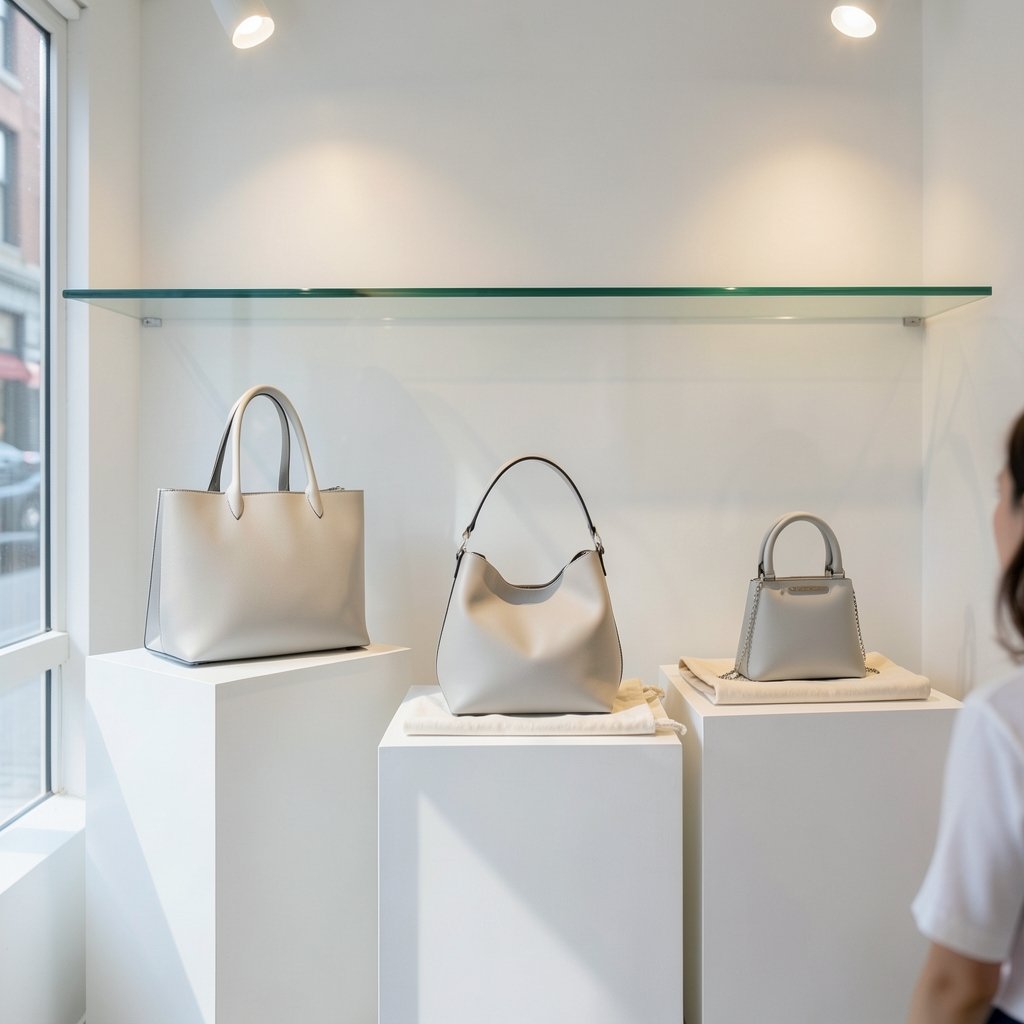
What makes a handbag worth more than a used car? Spend five minutes on a luxury resale site and that question stops being rhetorical. A single Hermès Birkin can trade for six figures, while a nearly identical-looking leather tote from a mid-market label sells for the price of a nice dinner. The gap isn’t just leather and stitching. It’s heritage, scarcity, marketing, and a fair amount of pure mystique.
So when people search for the “top 50 luxury bag brands,” they’re usually looking for something more useful than a beauty pageant. They want a map: who the heavyweights are, which houses own which labels, where the craftsmanship actually lives, and how to tell a genuine investment piece from a marketing mirage. This guide delivers that map, with honest caveats about what “luxury” even means. (Luxury goods)
There Is No Official Top 50 (And That’s the First Thing to Know)
Here’s a fact that surprises almost everyone: in most markets, “luxury” has no legal definition. Unlike “organic” or a protected food name like champagne, no regulator certifies which bags deserve the label. Every “top 50” list, including this one, is an editorial judgment built from revenue, brand equity, craft reputation, and resale performance.
That matters because rankings shift constantly. Brand valuations move every year, conglomerates buy and sell houses, and a label that dominated a 2024 list can look very different two years later. Treat any ranking as a snapshot, not a permanent verdict.
It also helps to understand that luxury fashion is highly concentrated. A handful of groups control much of the market:
| Parent Group | Notable Bag Houses |
|---|---|
| LVMH | Louis Vuitton, Dior, Fendi, Celine, Loewe, Rimowa |
| Kering | Gucci, Saint Laurent, Bottega Veneta, Balenciaga |
| Richemont | Cartier, Chloé |
A “top 50” list therefore overlaps heavily with a few corporate portfolios. Knowing who owns whom tells you a lot about shared supply chains, creative direction, and pricing strategy.
The Tier One Icons
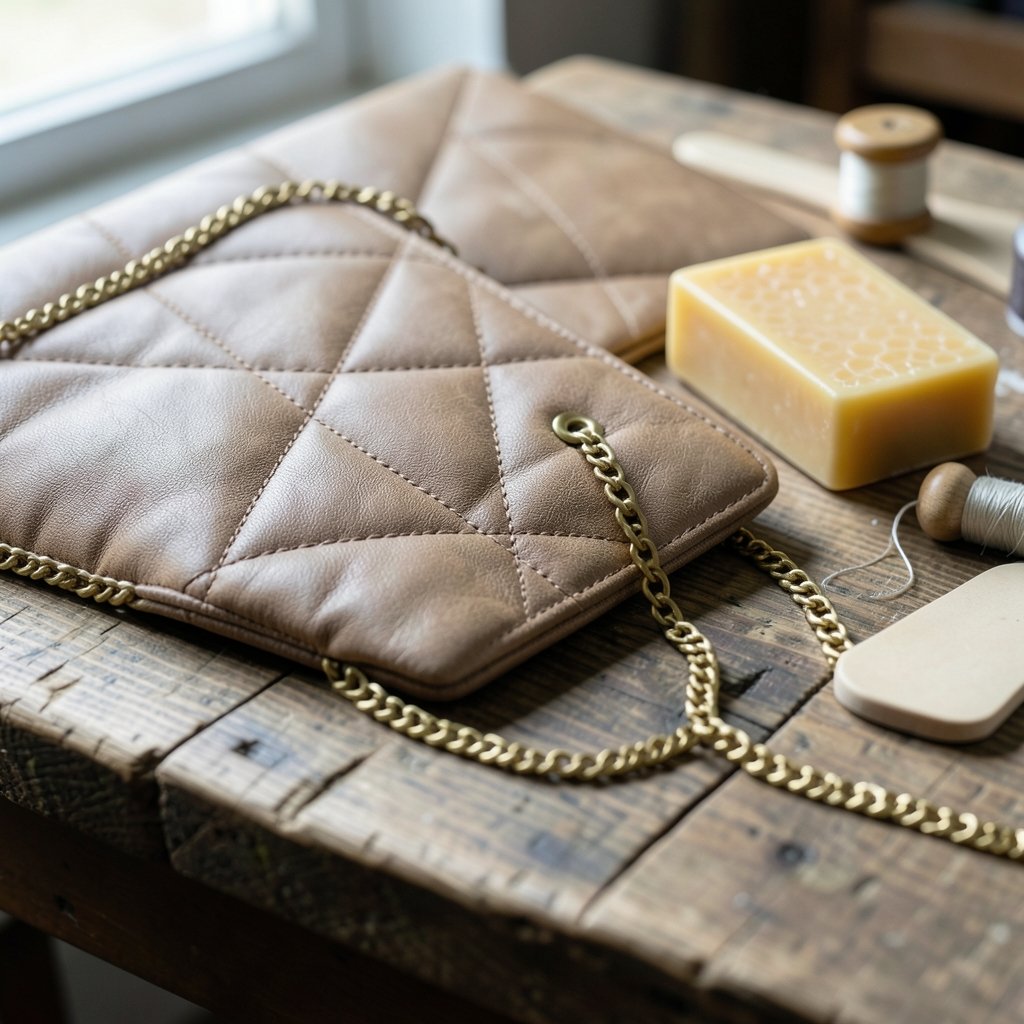
These are the names that define the category. Their bags hold value, appear in museums, and set the template everyone else copies.
Hermès sits at the apex. The Birkin, created in 1984 and named for Jane Birkin, and the Kelly, a 1950s design renamed in 1977, are the most cited investment bags in the world. Production is deliberately constrained, which is why waitlists exist and resale prices often exceed retail.
Chanel built its reputation on the 2.55, associated with 1955, and the classic flap that evolved from it. The quilted leather and chain strap became shorthand for Parisian elegance. The house’s journey from a small Paris hat shop to a global empire is one of fashion’s great stories.
Louis Vuitton pioneered the monogram canvas in 1896, designed by Georges Vuitton. That pattern turned luggage into a status symbol and remains one of the most recognized motifs in consumer goods.
Dior, Gucci, Prada, and Fendi round out the first tier. Gucci’s bamboo handle and horsebit details, Prada’s nylon revolution, and Fendi’s Baguette (famously revived by the “It bag” era) each reshaped what a luxury bag could look like.
Bottega Veneta deserves special mention. Its intrecciato woven leather and logo-free philosophy made quiet craftsmanship a flex in itself, a theme explored in coverage of best quiet luxury handbag brands understated style.
The Heritage Houses With Deep Archives
Below the mega-brands sits a tier of houses whose history is as valuable as their hardware.
Loewe, founded in Madrid in 1846, has become a craft powerhouse under creative director Jonathan Anderson, with the Puzzle bag as its modern signature. Celine moved from ladylike minimalism to cult status with the Luggage and Triomphe lines. Saint Laurent turned the YSL logo into a cultural artifact, while Balenciaga made the City bag a 2000s essential and later reinvented itself as a provocateur.
Then there’s Valentino, whose Roman atelier roots and studded Rockstud line show how a house can honor tradition while chasing relevance. The full arc of that transformation is worth reading in a Valentino brand history from rome atelier global luxury.
Chloé, owned by Richemont, built its identity on soft, feminine shapes like the Paddington and the Drew. Givenchy, Balmain, and Burberry each bring distinct national character, from Parisian drama to British practicality.
The Quiet Luxury Contenders
The past few years have pushed a different kind of brand into the spotlight: houses that whisper rather than shout.
The Row, founded by Mary-Kate and Ashley Olsen in 2006, sells bags with no visible logo and near-invisible branding, at prices that rival Hermès. Loro Piana and Brunello Cucinelli built their names on fabric expertise before extending into leather goods. Valextra, a Milanese house founded in 1937, is beloved by design insiders for its architectural shapes and absence of logos.
This shift isn’t just aesthetic. It reflects a broader consumer fatigue with logomania and a growing appetite for pieces that read as quality rather than advertising.
The Modern and Streetwear-Influenced Set
Luxury no longer lives only in Paris and Milan ateliers. A newer cohort built its following through drops, collaborations, and cultural credibility.
Off-White, founded by Virgil Abloh in 2012, brought industrial belts and quotation marks to luxury handbags before his death in 2021. Jacquemus made miniature bags a viral phenomenon. Ami Paris, Acne Studios, and Khaite each translate contemporary culture into leather goods.
Coach, Michael Kors, and Tory Burch occupy the “accessible luxury” tier. They’re often excluded from purist lists, but they’re commercially massive and genuinely influential in how millions of people experience designer bags for the first time.
The Asian and Emerging-Market Houses
A truly global top 50 has to look beyond Europe.
Shang Xia, backed by Hermès, pairs Chinese craft traditions with luxury positioning. Senreve and Mansur Gavriel built direct-to-consumer followings in the US. Polène, a French label founded in 2016, became a phenomenon for sculptural bags at accessible prices.
Korean and Japanese beauty and fashion brands have also reshaped adjacent categories, and the crossovers are real. A useful parallel is how best korean luxury beauty brands ranked by sets them apart frames craft and heritage as competitive advantage, the same logic that drives bag-house loyalty.
The Watch and Jewelry Houses That Also Make Bags
Some of the most collectible bags come from companies that didn’t start in leather at all.
Cartier and Bvlgari both produce leather goods that carry their jewelry DNA. Hermès, of course, began as a workshop making horse tack. These moves across product categories show how luxury groups use one brand name across products, a strategy also visible in automotive and fashion. The same logic explains why acura cars makes hondas luxury brand different is studied as a case in premium positioning.
Family-Owned Houses and Why They Matter
In a market dominated by conglomerates, family ownership is a genuine differentiator. Hermès remains controlled by the Hermès family. Prada is led by the Prada and Bertelli families. Ferragamo and Zegna retain strong family ties.
Why does this matter to a buyer? Family houses often protect long-term craft over short-term profit. They’re less likely to chase trends and more likely to invest in ateliers. The dynamics of that model are explored in best family owned luxury brands who still answers family.
How to Judge a Luxury Bag Brand for Yourself
Rankings are useful, but a personal shortlist beats any list. Here’s a practical method:
- Check the parent company. Ownership tells you about supply chain, pricing power, and creative stability.
- Look at construction, not logos. Stitching density, edge finishing, hardware weight, and lining quality separate craft from cost-cutting.
- Test resale performance. A brand with strong secondary-market demand holds value better than one that doesn’t.
- Verify origin claims. “Made in” labels are governed by customs rules, not marketing departments, so read them critically.
- Buy for use, not for the list. The best bag is the one you actually carry.
Common Mistakes Buyers Make
The most frequent error is buying a bag because it ranks highly rather than because it fits a life. A structured top-handle bag is a poor daily companion for someone who commutes by bike.
The second mistake is assuming price equals quality. Some very expensive bags use coated canvas and bonded leather; some mid-priced ones use full-grain hides.
The third is ignoring authentication. Counterfeiting is a serious, well-documented problem in this category, and the rise of resale platforms has made authentication a genuine consumer-protection issue. Buyers should always request provenance, receipts, and independent verification.
Finally, many shoppers overlook sustainability claims. Regulators are tightening rules on vague environmental marketing, so treat “eco-friendly” language with healthy skepticism unless it’s backed by specifics. (Trademarks)
Where the Category Is Heading
Three forces are reshaping the top 50 right now.
Resale is mainstream. Platforms have turned handbags into an asset class, and brands are responding with their own authenticated resale programs.
Quiet luxury is durable. Logo-free design has moved from niche to dominant, pushing houses to compete on craft rather than monograms.
Regulation is catching up. Greenwashing rules and origin-labeling standards are raising the bar for what brands can claim. Buyers who understand these rules have a stronger hand.
Conclusion
The “top 50 luxury bag brands” isn’t a fixed club. It’s a living hierarchy shaped by ownership, craft, culture, and consumer trust. Hermès and Chanel sit at the summit for reasons that go far beyond leather. Louis Vuitton turned a canvas pattern into a global language. And a growing cohort of quiet, family-run, and emerging houses is rewriting what prestige looks like.
The smartest approach is to use lists like this one as a starting point, not a finish line. Learn who owns what, inspect construction, check resale behavior, and buy the bag that earns its place in your life. That’s a ranking no algorithm can produce.
FAQ
What are the top 5 luxury bag brands?
Most industry observers would name Hermès, Chanel, Louis Vuitton, Dior, and Gucci as the five most influential houses. The exact order depends on whether you weigh revenue, resale value, or cultural reach.
Is “luxury” a regulated term for handbags?
No. In most markets, including the EU, “luxury” has no legal definition the way “organic” does. Any top 50 ranking is an editorial judgment rather than an official standard.
Which luxury bag brands hold their value best?
Hermès and Chanel consistently lead resale performance, followed by Louis Vuitton and select Dior models. Scarcity, brand control, and steady demand drive that stability.
Who owns the major luxury bag brands?
LVMH owns Louis Vuitton, Dior, Fendi, Celine, Loewe, and Rimowa. Kering owns Gucci, Saint Laurent, Bottega Veneta, and Balenciaga. Richemont owns Cartier and Chloé. Hermès remains family-controlled.
Are family-owned bag brands better quality?
Not automatically, but family ownership often correlates with long-term investment in ateliers and craft. Hermès, Prada, Ferragamo, and Zegna are commonly cited examples.
How can I avoid buying a counterfeit luxury bag?
Buy from authorized retailers or reputable resale platforms with authentication guarantees. Request provenance documentation, and be wary of prices far below market. Counterfeiting is a documented global trade problem, so verification matters.
For buyers building a first serious collection, the practical takeaway is to separate brand equity from bag quality. A house can have enormous cultural reach and still produce entry-level pieces built to a price. Conversely, a smaller atelier may deliver full-grain leather, hand-finished edges, and hardware that outlasts a logo-heavy bestseller. Reading construction details and resale data side by side is the most reliable filter available to consumers.
It also helps to track how these brands behave over time. Houses that invest in their own workshops, control distribution, and limit discounting tend to protect both craft and value. Those that license aggressively or flood outlet channels may trade short-term volume for long-term prestige. The top 50 will keep shifting, but the underlying signals, ownership, construction, and secondary-market demand, remain the most dependable guide for anyone choosing a bag to keep.