
Valentino Brand History: Rome Atelier to Global Luxury
 Abdul WadoodLast updated
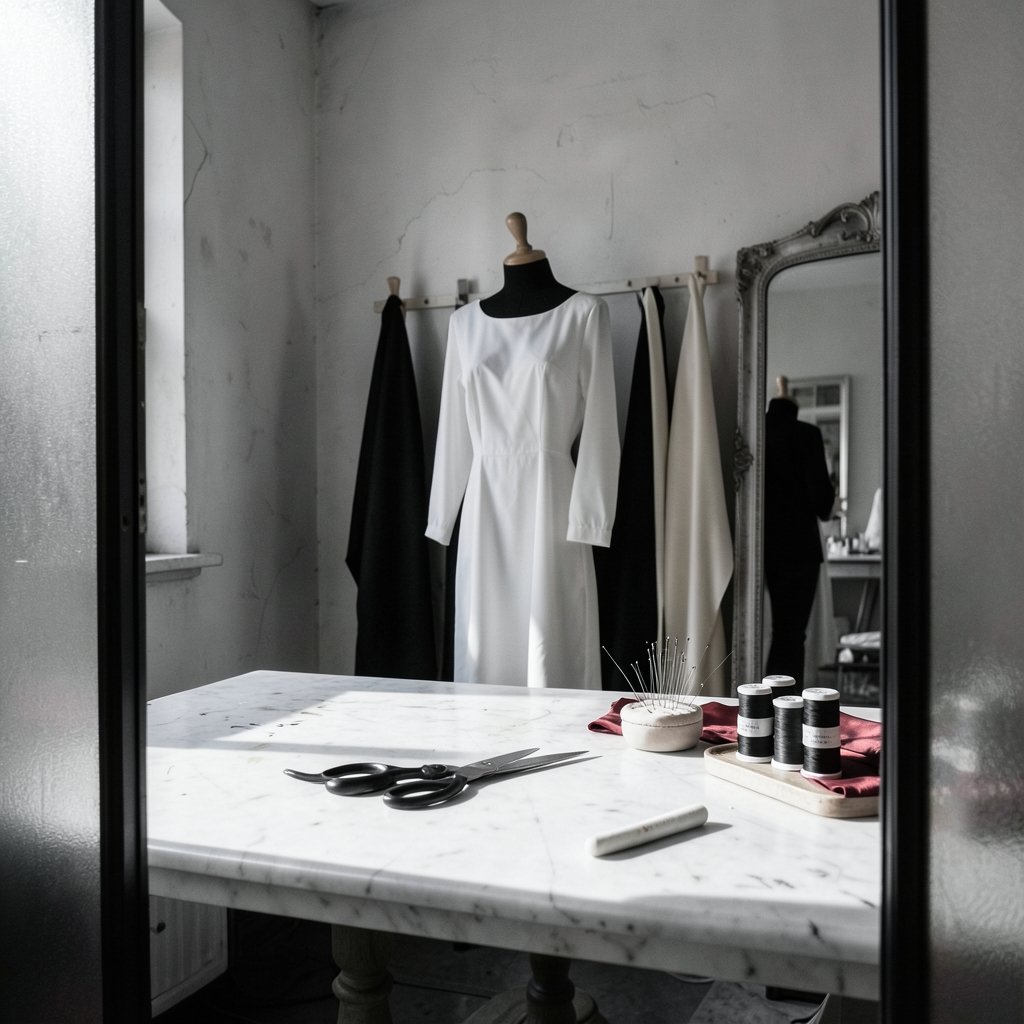
In 1960, a young Italian designer named Valentino Garavani opened a small atelier on Via Condotti in Rome. Few could have guessed that this modest studio would grow into one of the most recognizable luxury houses in the world, famous for its signature red dresses and red-carpet glamour. More than six decades later, Valentino remains a benchmark for Italian couture, even as it has passed through several owners and creative directors. This article traces the Valentino brand history from its founding to the present, explaining how the house built its identity, who has shaped it, and what makes it endure.
The Founding of the House in Rome
Valentino Garavani was born in Voghera, Italy, in 1932. He studied fashion in Paris and worked for several couture houses before returning to Italy to establish his own label. The house of Valentino was formally founded in Rome in 1960, with Giancarlo Giammetti as his business partner. Giammetti handled the commercial side, while Garavani focused on design, a partnership that would last for decades.
Some sources date the first atelier to 1959, while others point to 1960 as the official founding year. This small discrepancy is common in fashion history, where the opening of a studio and the formal registration of a business can fall in different years. Either way, the early 1960s marked the birth of what would become a major Italian fashion house.
Building a Reputation in the 1960s
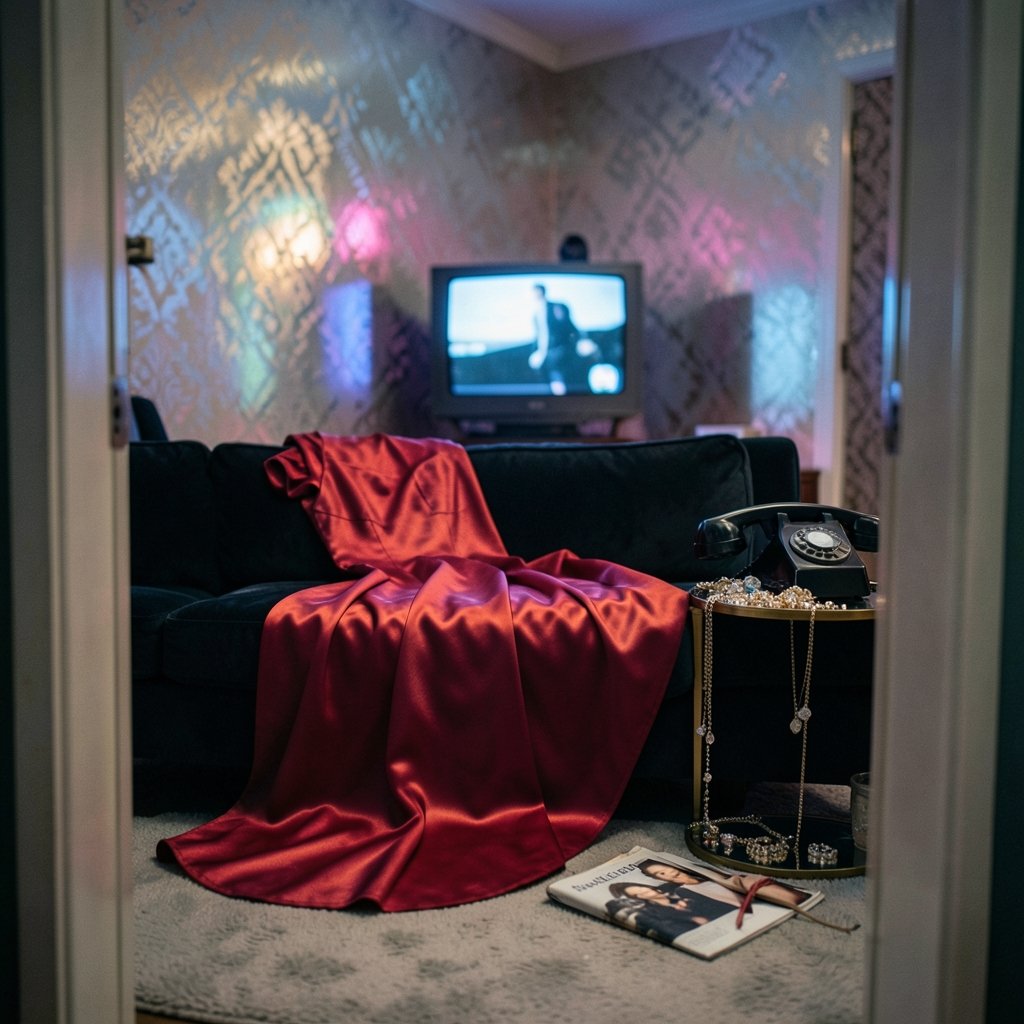
Valentino’s early reputation grew through wealthy private clients rather than mass marketing. In the 1960s, the house became associated with international glamour, and Elizabeth Taylor’s connection to Valentino is often cited as a key moment in that rise. Couture clients from Europe and Hollywood helped spread the name through word of mouth.
The “V” logo became one of the house’s most recognizable symbols, introduced in the late 1960s. The exact year of its introduction is inconsistently reported, but it quickly became a shorthand for the brand. This period established the template that Valentino would follow for decades: couture craftsmanship, bold color, and a strong association with celebrity.
The Rise of Valentino Red
Few fashion houses are as closely tied to a single color as Valentino is to red. The vivid shade, often called Valentino red, became the house’s signature. It appeared in evening gowns, daywear, and accessories, and it gave the brand an instantly identifiable visual language. (Valentino Designer Profile)
The color worked because it was both dramatic and flattering, and it photographed well, which mattered as red-carpet culture grew. In practice, this kind of signature color is a powerful branding tool: it gives customers a way to recognize a design at a glance. For anyone studying how brands build recognition, the lesson is that consistency matters more than novelty. A single strong visual cue, repeated over decades, can outlast many trends.
Expansion in the 1970s and 1980s
The 1970s brought expansion. Valentino launched a menswear line during that decade, though the precise launch year varies by source. The house also broadened its product range and increased its international presence, opening boutiques in major cities.
By the 1980s, Valentino was firmly established as a global luxury name. The brand’s aesthetic, polished and glamorous, matched the mood of the era. This was also a period when many Italian fashion houses were professionalizing their businesses, moving from family-run ateliers to structured companies.
Ownership Changes: 1998 to 2012
The modern history of Valentino is a story of changing ownership. In 1998, the house was sold to HdP (Holding di Partecipazioni), an Italian holding company. In 2002, HdP sold Valentino to Marzotto, an Italian textile and fashion group.
In 2008, the private equity firm Permira acquired Valentino. Then, in 2012, Mayhoola for Investments, a Qatar-based investment group, acquired the house. Each of these transactions shifted the brand’s strategy, from Italian industrial ownership to private equity to long-term investment backing.
These ownership changes are worth understanding because they explain much of the brand’s evolution. Private equity ownership often pushes for growth and efficiency, while long-term investors may focus on brand prestige. For a luxury house, the balance between commercial expansion and exclusivity is delicate, and each owner has handled it differently.
Designer Succession and Creative Direction
The creative side of Valentino has seen several transitions. Alessandra Facchinetti succeeded Garavani for a brief period from 2007 to 2008. Then, in 2008, Maria Grazia Chiuri and Pierpaolo Piccioli took over as creative directors, a partnership that lasted until Chiuri left for another house.
Piccioli became sole creative director around 2016, and under his leadership the brand developed a distinctive, modern romanticism. In 2024, Alessandro Michele was appointed creative director, marking another new chapter. Garavani’s final couture show took place in 2008, closing a remarkable era.
This pattern of succession is common in luxury fashion. A house’s identity is never fixed; it is reinterpreted by each creative director. The challenge is to evolve without losing the codes that made the brand recognizable. For Valentino, those codes include red, couture craftsmanship, and a certain Italian elegance.
What Makes Valentino Endure
Valentino’s longevity comes from a combination of factors. First, the house has a clear visual identity, anchored by its signature color and logo. Second, it has maintained a strong couture tradition, which lends credibility to its ready-to-wear and accessories. Third, it has adapted to changing ownership and creative leadership without losing its core identity.
There is also a practical dimension. Luxury consumers value heritage, but they also value quality and consistency. A brand that invests in craftsmanship and maintains its standards tends to retain customers over time. Valentino’s history shows how a house can stay relevant across generations by balancing tradition with reinvention.
For those interested in how fashion brands build and sustain identity, the broader lessons are explored in resources on building meaningful brand worlds, which looks at how brands create immersive, consistent experiences for their audiences.
Valentino in the Wider Luxury Market
Valentino sits within a competitive field of Italian luxury houses, each with its own history and positioning. Understanding how it compares to peers helps clarify what makes it distinctive.
| Attribute | Valentino | Typical Italian Luxury Peer |
|---|---|---|
| Founded | 1960, Rome | Often 1920s–1970s |
| Signature | Valentino red, V logo | Varies by house |
| Ownership | Mayhoola (since 2012) | Often family or conglomerate |
| Core strength | Couture and eveningwear | Varies |
| Creative model | Single creative director | Varies |
This comparison is not about ranking houses but about context. Valentino’s identity is unusually tied to a single color and a single founding designer, which gives it a strong narrative. That narrative is a commercial asset, and it is one reason the brand has survived multiple ownership changes.
Common Misconceptions About Valentino
A few myths persist about the brand. One is that Valentino is still run by its founder. In reality, Garavani retired from design in 2008, and the house has been led by others since. Another misconception is that the brand is primarily a red-carpet label. While eveningwear remains central, Valentino also produces ready-to-wear, accessories, and menswear.
A third misconception concerns ownership. Some assume the house is family-owned, as many Italian brands once were. In fact, Valentino has passed through several corporate owners, and its current owner is an investment group. Knowing this helps explain why the brand’s strategy has shifted over time.
A practical tip for anyone researching fashion houses: always check the date of a source. Ownership and creative leadership change frequently, and older articles can quickly become outdated. The most reliable approach is to cross-check a brand’s official history with recent financial and fashion press coverage.
The Role of Craftsmanship and Ateliers
Behind the glamour, Valentino’s reputation rests on craftsmanship. Couture houses employ skilled artisans who hand-finish garments, and this labor-intensive process is what justifies the high prices and prestige. Even as the brand expanded into ready-to-wear, the atelier tradition remained a source of credibility.
This is a common pattern in luxury. The couture atelier functions as a kind of research lab, where techniques are developed and then adapted for more accessible lines. For customers, the connection to couture signals quality. For the brand, it preserves the sense of exclusivity that mass-market fashion cannot replicate.
Those curious about how luxury brands maintain this balance can explore luxury watches, brands, and design, which examines similar dynamics in another high-end category.
Marketing and Brand Partnerships
Valentino has long used celebrity and cultural partnerships to extend its reach. From early Hollywood clients to modern red-carpet moments, the brand has understood the value of visibility. This approach is not unique to Valentino, but the house has executed it consistently.
For brands considering similar strategies, there are structured ways to approach partnerships and campaigns, as outlined in resources on advertising and brand partnerships. The key is alignment: a partnership works best when the brand and the partner share values and audience.
How to Research a Fashion House’s History
If you want to dig into Valentino’s history yourself, a few practical steps help. First, start with the brand’s official corporate history, which provides a baseline timeline. Second, cross-check ownership changes against financial press archives, since transactions are often reported in business media. Third, consult museum or exhibition catalogues, which offer curatorial context and verified dates.
A common mistake is relying on a single source. Fashion history is full of conflicting dates, especially for founding years and logo introductions. Treat any single claim as a lead, not a fact, until you have confirmed it elsewhere.
Conclusion
The Valentino brand history is a story of a single designer’s vision evolving into a global luxury institution. From a Rome atelier in 1960 to a house owned by an international investment group, Valentino has adapted repeatedly while holding onto its core identity: red, couture, and Italian elegance. The brand’s journey through ownership changes and creative successions shows how heritage can be both a foundation and a challenge. For anyone interested in fashion, branding, or luxury business, Valentino offers a clear case study in how identity, craftsmanship, and adaptation combine to create lasting value.
FAQ
When was Valentino founded?
The house was formally founded in Rome in 1960 by Valentino Garavani and Giancarlo Giammetti. Some sources date the first atelier to 1959, but 1960 is the most commonly cited founding year.
Who owns Valentino today?
Valentino has been owned by Mayhoola for Investments, a Qatar-based investment group, since 2012. Before that, it was owned by Permira, Marzotto, and HdP at various points.
Who is the current creative director of Valentino?
Alessandro Michele was appointed creative director in 2024. He succeeded Pierpaolo Piccioli, who had led the brand as sole creative director since around 2016.
Why is Valentino associated with the color red?
Valentino red became the house’s signature shade, used across eveningwear and accessories. Its vivid, photogenic quality helped the brand stand out, especially as red-carpet culture grew in the late 20th century.
When did Valentino Garavani retire?
Garavani’s final couture show took place in 2008, marking the end of his design career at the house he founded. Alessandra Facchinetti briefly succeeded him before Maria Grazia Chiuri and Pierpaolo Piccioli took over.
Is Valentino still considered a luxury brand?
Yes. Valentino remains a major luxury house, known for couture craftsmanship, ready-to-wear, and accessories. Its continued presence in high-end retail and on red carpets supports its luxury positioning.
That final show also underscored how closely the founder’s personal story remains tied to the house’s public image, even as new designers write the next chapters. For readers tracing the full arc, the timeline above serves as a starting point rather than a definitive record, since fashion archives continue to be revised as documents surface. What endures, beyond any single owner or designer, is a recognizable point of view: confident elegance, technical skill, and a willingness to be reinterpreted. That combination is why Valentino’s history remains a useful reference for anyone studying how a fashion house) survives its founders.