
Terracotta Lipstick Makeup Looks: Warm Earth Shade Guide
 Abdul WadoodLast updated
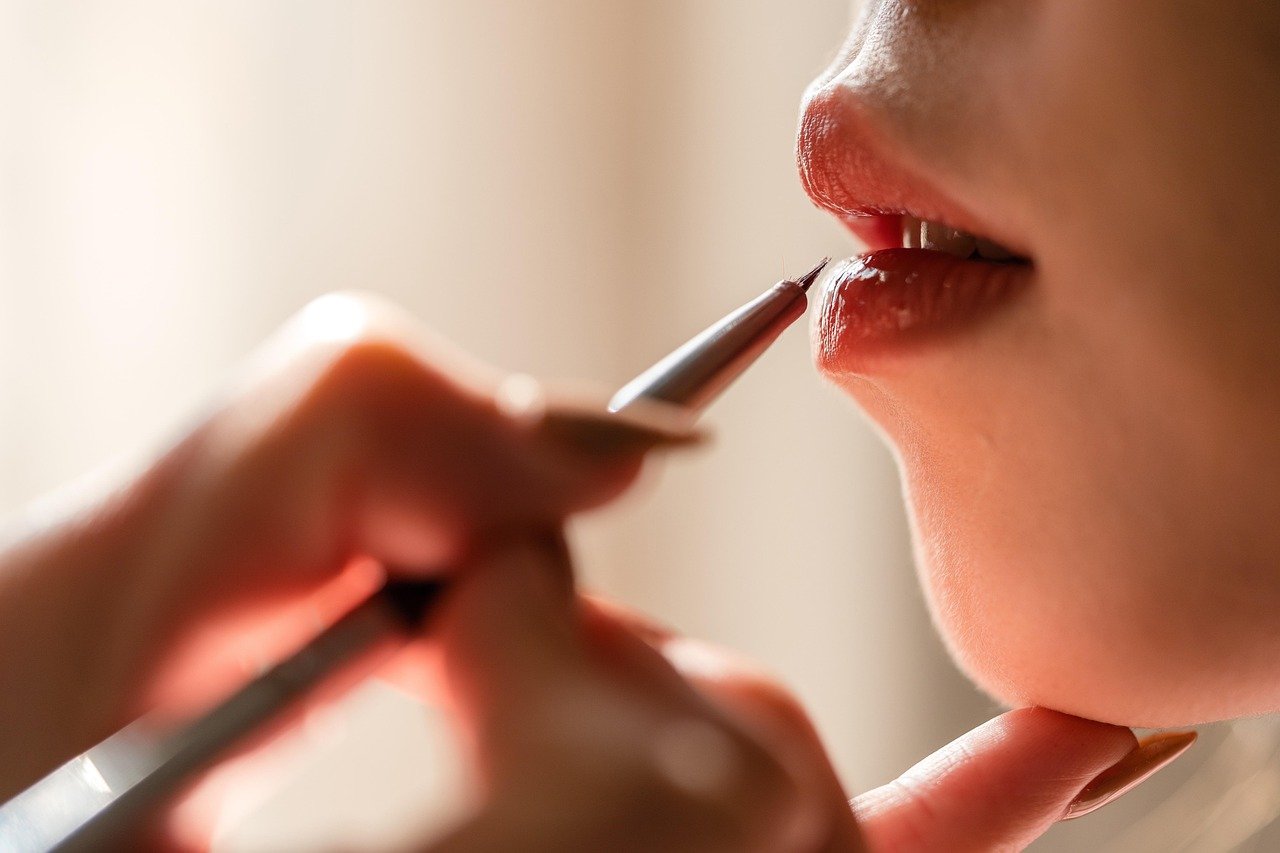
Terracotta has quietly become one of the most searched lipstick shade families in the world of warm-toned makeup. The word comes from fired clay, and that origin explains almost everything about the shade: it is a burnt orange-brown with red undertones, sitting somewhere between brick, rust, and warm caramel. It flatters a huge range of skin tones, pairs with nearly every neutral eye look, and reads as expensive without trying too hard. That combination is why makeup artists keep returning to it season after season.
This guide explains what terracotta lipstick is, who it suits, how to build complete looks around it, and the mistakes that make it go wrong. It also covers finish, formula, and pairing rules that hold up in real life rather than only under a ring light. (Lipstick)
What Counts as Terracotta Lipstick?
Terracotta lipstick is a warm, muted orange-brown shade named after the clay used in pottery and roof tiles. It is not a single standardized color. Brands draw the boundary differently, which is exactly why shopping for it can feel confusing.
The family usually includes:
| Shade Family | Description | Typical Undertone |
|---|---|---|
| True terracotta | Burnt orange with a brown base | Warm |
| Brick | Redder, deeper, less orange | Warm to neutral |
| Rust | Darker brown-orange with more depth | Warm |
| Clay nude | Muted terracotta softened with beige | Neutral to warm |
| Spiced rose | Terracotta blended with pink | Neutral |
The key difference between terracotta and a classic orange lip is muting. Terracotta has brown mixed in, which tones down the brightness and makes the color wearable for daytime. Compared with a red lip, it is softer and less formal. Compared with a brown lip, it has more life.
One practical note: many products labeled “terracotta” lean far more red or far more brown than the name suggests. Swatching on the inner wrist is not reliable for lip color because lip pigment differs from skin pigment. Swatching on the fingertip pad or directly on the lips under natural light is far more accurate.
Why the Shade Works Across So Many Skin Tones
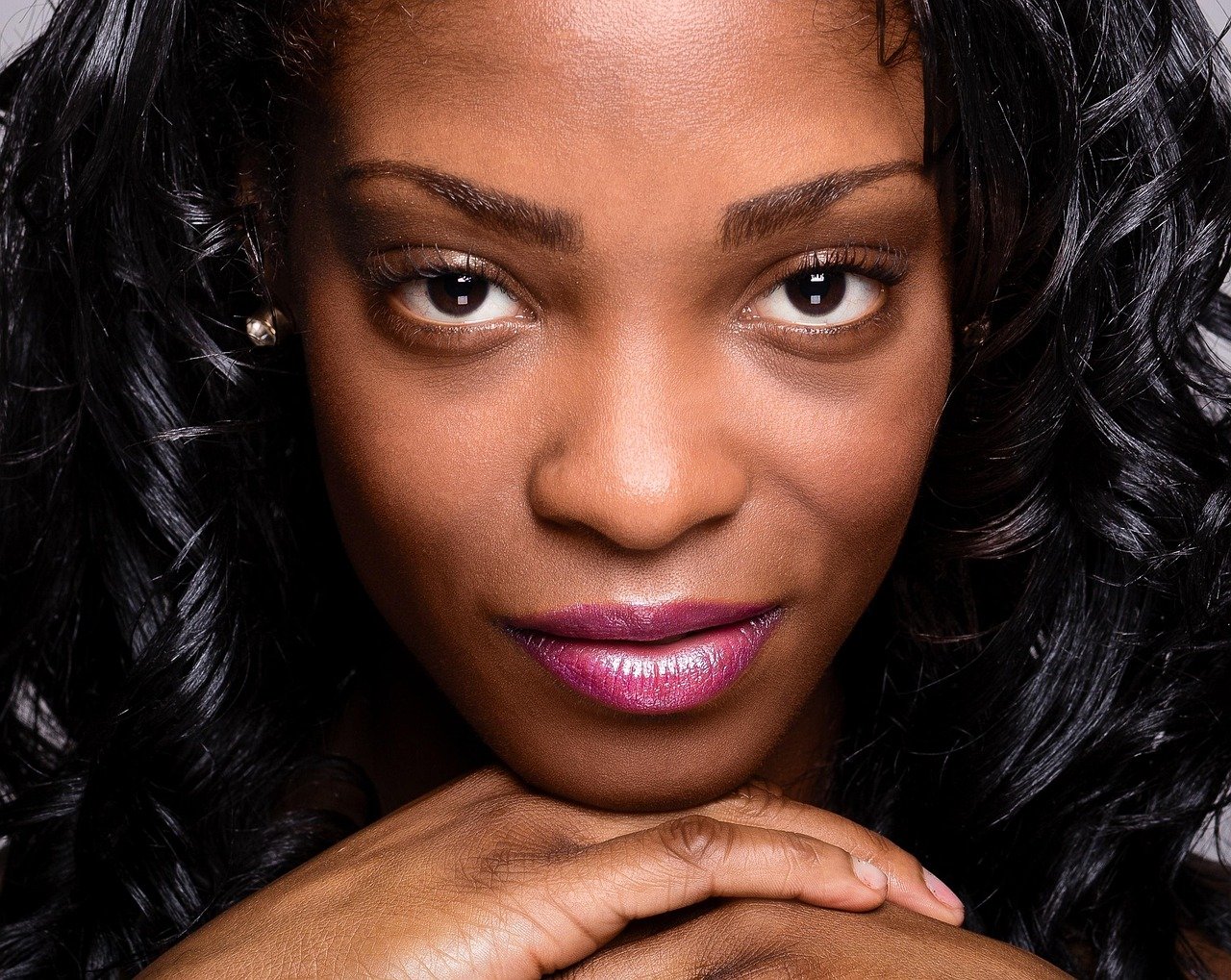
Terracotta’s biggest selling point is its flexibility. Because it contains both red and brown, it has enough depth for deeper complexions and enough warmth for lighter ones. Fair skin with cool undertones can wear it, but usually needs a version with more brown and less orange to avoid a harsh contrast.
A useful rule of thumb:
- Fair skin: choose muted clay or spiced rose versions; avoid neon-orange edges.
- Light to medium skin: true terracotta and brick both work well.
- Olive skin: rust and deeper brick tones tend to look most natural.
- Medium to deep skin: rich rust, burnt sienna, and deep brick create the most balanced contrast.
- Deep skin: highly saturated terracotta with strong red undertones looks striking; very muted versions can read grayish.
The broader lesson from color theory is that warm earth tones tend to harmonize with warm skin undertones, while cooler skin benefits from versions pushed toward brown or rose. If a terracotta looks “off,” the problem is almost always the balance of orange to brown, not the shade family itself.
Building a Complete Terracotta Look
A terracotta lip is a statement on its own, so the rest of the face should support it rather than compete. The most reliable formula is warm, tonal, and slightly muted.
The Everyday Version
Start with a light base and skip heavy powder. Apply a wash of terracotta or warm peach blush on the cheeks, blended upward toward the temples. Keep the eyes simple: a soft brown in the crease, a touch of mascara, and groomed brows. Finish with a satin terracotta lip applied straight from the bullet, then pressed in with a fingertip for a softer edge.
This is the version most people can wear to work, to lunch, or on a weekend without a second thought. It reads polished but not performed.
The Evening Version
For evening, deepen the eye with a warm brown or bronze shadow and add a thin line of brown eyeliner rather than black. Black can look harsh against a warm lip. Switch to a matte terracotta lip, define the edge with a matching liner, and add a small amount of highlighter on the cheekbone.
If you want extra intensity, layer a deeper brick shade in the center of the lip and blend outward. This creates dimension without changing the overall color family.
The Monochrome Version
The boldest approach uses terracotta across lips, cheeks, and eyes. Cream formulas make this easier because they blend into skin. Apply a cream terracotta to the lips, tap the same product onto the cheeks, and use a small amount on the eyelids as a base. The result is cohesive and modern, and it photographs beautifully.
For more shade-and-style inspiration across seasons, the makeup trends for spring coverage shows how warm earth tones keep resurfacing in different forms.
Choosing the Right Finish and Formula
Finish changes the entire mood of a terracotta look, and it also changes how forgiving the color is.
| Finish | Best For | Watch Out For |
|---|---|---|
| Satin | Everyday wear, most lip types | Can feather on very dry lips |
| Matte | Evening, long wear, defined edges | Emphasizes flaking if lips are dry |
| Sheer or tinted balm | Beginners, daytime, dry lips | Less color payoff, needs layering |
| Gloss | Full, youthful looks | Transfers easily, needs reapplication |
| Cream | Monochrome looks, blending | Can migrate without liner |
Matte formulas hold terracotta’s shape best, but they demand lip prep. Satin is the safest all-rounder. Sheer versions are the easiest entry point for anyone nervous about orange tones, because they let natural lip color show through.
Formula matters as much as finish. Terracotta pigments are often built on iron oxides, the same mineral colorants used across warm-toned cosmetics, and these can feel drying in high concentrations. A lip primer or a thin layer of balm underneath solves most of that problem. If you want a wider look at choosing and maintaining a full beauty routine around a statement lip, the skincare, makeup and reviews hub is a useful starting point.
Common Mistakes and How to Fix Them
Most terracotta disappointments come down to a handful of avoidable errors.
Mistake 1: Choosing a shade that is too orange. Bright orange terracotta can clash with cool undertones and make teeth look yellow. Fix: look for versions described as “muted,” “clay,” or “brick” rather than “vivid.”
Mistake 2: Pairing it with cool-toned makeup. A cool pink blush and an icy highlighter fight the warm lip. Fix: keep cheeks and eyes in peach, bronze, or warm brown.
Mistake 3: Skipping lip liner. Warm shades can bleed into fine lines around the mouth. Fix: use a liner one shade deeper than the lipstick and blend the edge inward.
Mistake 4: Over-powdering the face. Heavy matte foundation makes a warm lip look flat. Fix: keep the base slightly luminous so the lip has contrast.
Mistake 5: Ignoring the teeth factor. Any warm orange-based lip can emphasize yellow in teeth. Fix: choose a terracotta with more red or brown, which is more forgiving than pure orange.
Mistake 6: Wearing it with the wrong hair color. Warm hair tones, including the popular chocolate brown hair shade, tend to harmonize beautifully with terracotta. Very cool, ashy tones can make the lip look disconnected.
Terracotta and the Wider Beauty Conversation
Terracotta fits into a broader shift toward warm, skin-adjacent color. Instead of the high-contrast red lip that dominated for years, the current mood favors shades that look like they belong on the face. That shift shows up across runways and editorial styling, where warm neutrals and earthy tones appear repeatedly. The Paris Fashion Week looks and the fashion week roundup of the best looks both illustrate how often warm browns and burnt oranges appear in full beauty styling rather than as isolated accents.
There is also a practical reason for the shade’s staying power: it works with accessories and clothing in the same palette. A terracotta lip pairs naturally with gold jewelry, tan leather, camel coats, and cream knitwear. That kind of coordination is what makes a look feel deliberate. The power of accessories in a timeless look is a good reminder that small, consistent choices carry more weight than one bold element.
For anyone building a full routine around the shade, the hair styles guide helps connect the lip choice to the overall silhouette, since hair shape and color change how warm makeup reads.
Practical Application Tips That Actually Work
A few habits separate a good terracotta look from a messy one.
- Prep the lips first. Exfoliate gently, then apply a thin balm and let it absorb for a few minutes before lipstick.
- Line before you fill. Outline the lip, then fill with the liner to create a base that holds color longer.
- Apply in thin layers. Two thin coats look better than one thick one and last longer.
- Blot and reapply. Press with a tissue, then add a second layer for a soft, stained effect.
- Soften the edge. Use a fingertip or a small brush to blur the outline slightly for daytime.
- Carry the product with you. Warm shades fade toward the center of the lip, so touch-ups matter.
If you want a curated overview of products and reviews before buying, the beauty section is a practical place to compare options across price points. (Smithsonian Magazine)
Conclusion
Terracotta lipstick earns its place because it solves a real problem: it gives warmth and color without the formality of red or the flatness of brown. Its muted orange-brown base flatters a wide range of skin tones, pairs easily with warm blush and bronze eyes, and works from morning to evening with only small adjustments. The shade rewards a little care. Prep the lips, choose a muted rather than vivid version, keep the rest of the face in the same warm family, and the result looks intentional rather than accidental. Whether worn sheer for daytime or matte for a night out, terracotta is one of the most dependable warm shades available, and it is unlikely to fall out of rotation any time soon.
Frequently Asked Questions
What is terracotta lipstick?
Terracotta lipstick is a warm, muted orange-brown shade named after fired clay. It sits between brick red and warm brown and usually contains red undertones that keep it from looking flat. It is a descriptive marketing term rather than a standardized color, so exact shades vary between brands.
Does terracotta lipstick suit cool skin tones?
Yes, but the version matters. Cool undertones look best in terracotta shades pushed toward brown or spiced rose rather than bright orange. A muted clay tone with more brown than orange creates harmony instead of contrast, while a vivid orange version can look harsh.
What is the difference between terracotta and brick lipstick?
Brick is generally redder and deeper, while terracotta is more orange with a brown base. Brick reads as a warm red, and terracotta reads as a burnt earth tone. Many brands use the terms loosely, so swatching is the only reliable way to tell them apart.
What makeup goes with a terracotta lip?
Warm, tonal makeup works best. Use peach or terracotta blush, brown or bronze eyeshadow, brown eyeliner instead of black, and a soft highlighter. Avoid cool pink blush and icy tones, which fight the warmth of the lip and make the whole look feel disjointed.
Can terracotta lipstick make teeth look yellow?
It can, because orange-based shades tend to emphasize yellow in teeth. The fix is to choose a terracotta with more red or brown in the base, which is far more forgiving than a bright orange. Deeper brick and rust versions usually flatter teeth better than light orange tones.
How do I stop terracotta lipstick from bleeding?
Use a lip liner one shade deeper than the lipstick and fill the entire lip with it before applying color. Keep layers thin, blot between coats, and avoid over-applying gloss on top. Exfoliating and moisturizing beforehand also prevents color from settling into fine lines around the mouth.