
Tattoos for Women: Placement, Design & Aftercare Guide
 Abdul WadoodLast updated
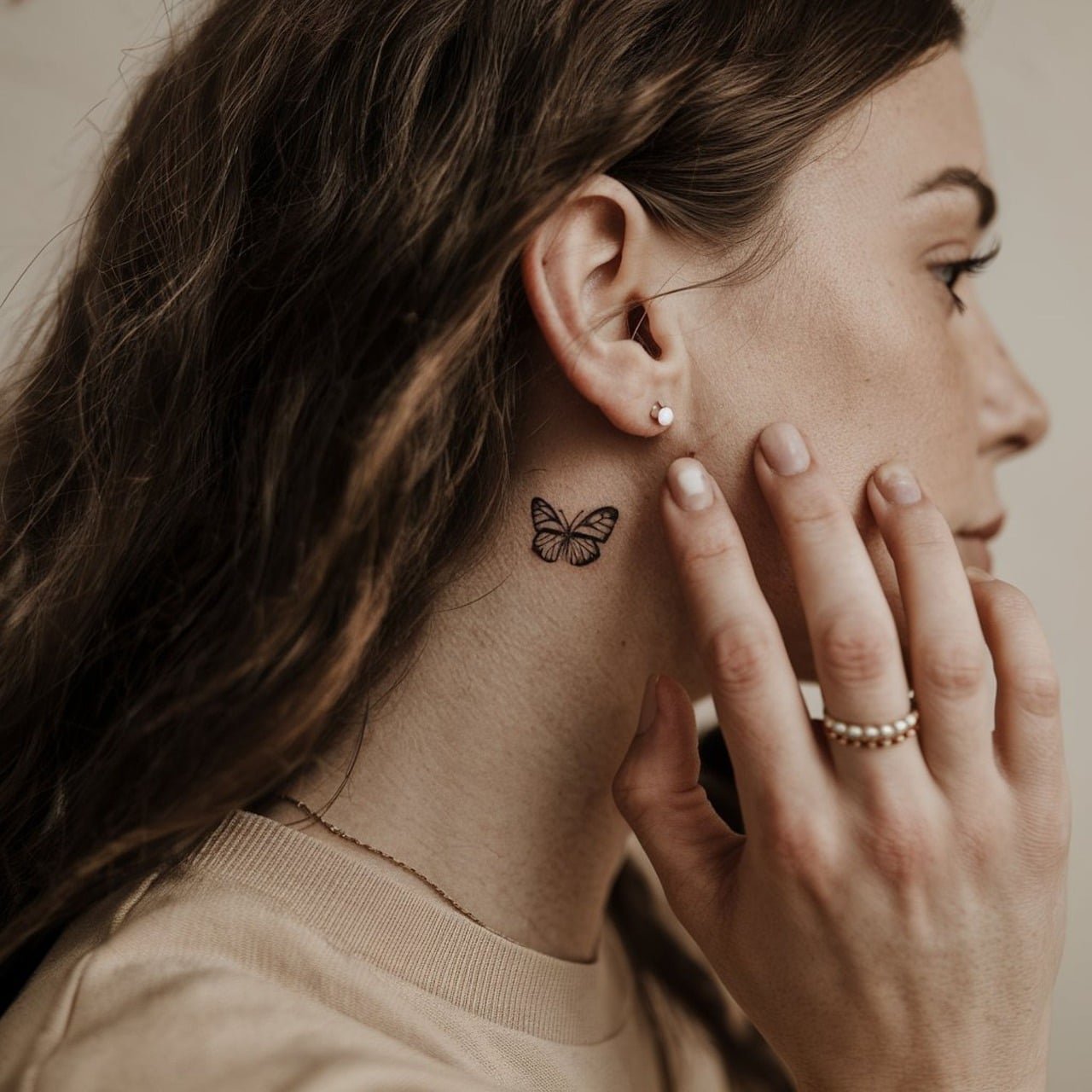
Roughly one in three U.S. adults now has at least one tattoo, and women have caught up to men in a trend that would have surprised a 1980s tattoo parlor. That shift has changed everything about the craft: designs are more delicate, placements more visible, and artists have adapted their technique for skin that behaves differently from the bicep of a sailor. This guide covers what actually matters when choosing, getting, and living with a tattoo as a woman, from pain expectations to long-term care. (Tattoo)
Why Women’s Tattoos Look Different in 2025
The modern women’s tattoo isn’t a single aesthetic. Fine-line botanicals, script lettering, geometric sleeves, and bold traditional pieces all share studio walls now. What unites them is intentionality: most clients arrive with a reference board, a placement in mind, and questions about healing.
That’s a good thing, with one catch. Delicate does not mean easy. Fine-line work with single needles can fade faster than bold outlines because less pigment sits in the dermis. If a design is meant to last decades, line weight matters more than Instagram aesthetics.
Skin also changes. Pregnancy, weight fluctuation, sun exposure, and age all stretch and soften tattoos. Placement on the abdomen, breasts, or hips deserves extra thought if future pregnancies are possible. (Tattoos and piercings: What to know)
Placement: The Decision That Outlasts the Design

Placement drives pain, visibility, healing speed, and how the tattoo ages. Here’s a practical comparison:
| Placement | Pain Level | Visibility | Aging Behavior | Best For |
|---|---|---|---|---|
| Inner forearm | Low–moderate | High | Stable, minimal stretch | First tattoos, script, fine line |
| Ribcage | High | Low | Stretches with weight change | Personal, private pieces |
| Shoulder blade | Moderate | Medium | Ages well | Medium to large designs |
| Ankle | Moderate–high | Medium | Friction from shoes | Small symbols |
| Sternum | High | Low–medium | Can shift with chest changes | Symmetrical, personal work |
| Upper back | Low–moderate | Medium | Very stable | Large-scale pieces |
Practical tip: Place a first tattoo somewhere you can cover for work if needed, but can also see yourself. Clients who hide a tattoo entirely often forget it exists; clients who put it on a high-friction spot (waistband, bra strap, ankle) deal with irritation for weeks.
Common Placement Mistakes
- Choosing the inner wrist for a detailed design, then watching it blur within two years.
- Putting a tattoo under a bra strap or waistband line, where friction slows healing.
- Ignoring how a design will look in a mirror versus on the body itself.
Choosing a Design That Ages Well
Bold will hold. That old tattoo adage still applies. Thin lines, tiny lettering, and low-contrast shading fade first. If a design has text smaller than about a centimeter tall, expect it to become a smudge eventually.
Some design categories hold up better than others:
- Botanical and floral: Ages well if outlines carry weight. Avoid hairline stems.
- Script and lettering: Needs generous size and spacing. Cramped cursive is the most common regret.
- Geometric and linework: Beautiful when fresh, but thin lines blur. Ask for slightly heavier line weight.
- Color realism: Stunning, but requires touch-ups and sun discipline.
- Traditional and neo-traditional: The most durable style over decades thanks to bold outlines and saturated color.
Ask your artist what the design will look like in ten years, not tomorrow. A good artist will answer honestly and may suggest adjustments.
How Much Does It Hurt, Really?
Pain is subjective, but some patterns hold. Areas with thin skin over bone or dense nerve endings hurt more: ribs, sternum, feet, hands, inner elbow. Areas with more flesh and fewer nerves hurt less: outer forearm, upper arm, thigh, calf.
Women often report that menstrual cycle timing affects pain perception. There’s no large body of research confirming this, but many artists hear it consistently. If a client is particularly pain-sensitive, scheduling outside the first days of a cycle is a reasonable, low-cost adjustment.
Other practical pain reducers that work:
- Sleep well the night before and eat a real meal within two hours of the appointment.
- Avoid alcohol for 24 hours; it thins blood and increases bleeding.
- Skip blood-thinning painkillers like aspirin and ibuprofen unless a doctor approves them.
- Bring water and a snack for longer sessions.
- Use numbing cream only if the artist approves it; some creams change skin texture and affect ink absorption.
Finding the Right Artist
Not every artist does every style. A fine-line specialist may not be the right choice for a color sleeve. Look for a portfolio that shows healed work rather than only fresh photos. Healed photos reveal how lines settle and how color holds.
Questions worth asking before booking:
- Do you have healed photos of this style?
- What’s your minimum and hourly rate?
- How do you handle touch-ups?
- What’s your policy on deposits and rescheduling?
Red flags: no healed portfolio, pressure to book immediately, reluctance to discuss hygiene, or a shop that won’t show its sterilization setup. Reputable studios use autoclave sterilization and single-use needles, and they’re happy to explain their process.
Hygiene and Safety: What to Verify
Tattooing is regulated at the state and local level in the U.S., and rules vary widely. The FDA has monitored tattoo ink safety issues, including infections linked to contaminated ink, but inks are not regulated as cosmetics in the usual sense. That means the studio’s standards matter more than any label.
Verify:
- Single-use needles opened in front of you.
- Fresh gloves for setup and throughout.
- Disposable cups for ink and water, never shared.
- A clean station wiped down before your session.
- Written aftercare instructions.
If any of these are missing, walk out. A deposit is cheaper than an infection.
Aftercare That Actually Prevents Damage
Aftercare advice online is wildly contradictory. The basics are simple: keep it clean, keep it moisturized, and leave it alone.
The First Two Weeks
- Leave the initial bandage on for the time your artist specifies, often 2–24 hours depending on the wrap type.
- Wash gently with fragrance-free soap and lukewarm water, twice daily.
- Pat dry with a clean paper towel; don’t rub.
- Apply a thin layer of fragrance-free ointment or lotion. Thin is key; smothering traps bacteria.
- Avoid soaking: no baths, pools, lakes, or ocean for two to three weeks.
- Don’t pick or scratch flakes, even when itchy.
Long-Term Care
Sun is the biggest long-term threat. UV light breaks down pigment and blurs lines. Daily sunscreen on exposed tattoos, SPF 30 or higher, is the single most effective anti-aging step for ink. Moisturizing keeps skin healthy and colors brighter.
Touch-ups are normal, not a sign of failure. Most artists offer them free or at low cost within a few months.
Tattoo Removal and Cover-Ups: Realistic Expectations
Laser removal is the standard method. It typically requires multiple sessions spaced weeks apart, and results vary by ink color, depth, skin tone, and the tattoo’s age. Black and dark inks respond best; greens, yellows, and light blues are stubborn. Complete removal isn’t guaranteed, and scarring is possible.
Cover-ups are often the faster, cheaper route. They work best when the new design is larger and darker than the old one. A good cover-up artist will design around the existing ink rather than on top of it.
Cost: What to Budget
Pricing varies enormously by city and artist reputation. Small pieces might start at a shop minimum, while large custom work is billed hourly or by session. Budget for three things: the tattoo itself, a tip (customary in the U.S.), and aftercare products. Also budget for a touch-up session, even if you may not need one.
Cheap tattoos are expensive later. Removal costs far more than the original piece.
Conclusion
Tattoos for women have moved from edge case to everyday choice, and the craft has evolved to match: finer designs, better aftercare education, and more honest conversations about aging, pain, and placement. The formula that works is unglamorous. Choose a placement that fits your life. Pick a design with enough line weight to survive a decade. Vet your artist’s healed portfolio and hygiene. Then treat aftercare and sunscreen as part of the tattoo, not an afterthought. Do those things, and the piece you get this year will still look intentional when you’re sixty.
Frequently Asked Questions
What is the least painful spot for a first tattoo?
The outer forearm, upper arm, and thigh are consistently reported as the most comfortable spots. These areas have more muscle and flesh, fewer nerve endings near the surface, and skin that doesn’t sit directly over bone. Ribs, sternum, feet, and hands are the most painful.
Do fine-line tattoos fade faster?
Yes, generally. Fine-line work uses less pigment and thinner needles, so the ink sits closer to the surface and breaks down sooner. Designs with slightly heavier outlines last noticeably longer. Sun exposure speeds fading in any style.
Can I get a tattoo while pregnant or breastfeeding?
Most medical guidance advises against it. The main concerns are infection risk, unknown ink ingredients, and the body’s changed healing response during pregnancy. Waiting until after breastfeeding is the safer, more common recommendation. Consult a doctor for individual advice.
How long does a tattoo take to heal?
The surface typically heals in two to three weeks, but the deeper layers take two to three months to fully settle. During that time, avoid soaking, direct sun, and picking. Colors may look dull mid-healing and brighten once the skin finishes renewing.
How much should I tip for a tattoo?
In the U.S., 15–20% is customary for good work, similar to other personal services. For large pieces or multi-session work, some clients tip per session. Tipping isn’t mandatory, but it’s standard practice in most studios.
Can a tattoo be removed completely?
Often it can be significantly lightened, but complete removal isn’t guaranteed. Laser removal requires multiple sessions, works best on dark ink and lighter skin tones, and can leave residual pigment or scarring. Cover-ups are usually faster and more predictable than full removal.
What If I Regret It Later?
Regret is real but overstated. Surveys suggest most tattooed adults don’t regret their work, and among those who do, the regret often fades or gets resolved through cover-ups and touch-ups rather than removal. The bigger predictor of regret isn’t the design itself—it’s impulse. Tattoos chosen in a hurry, under pressure, or to mark a moment you’re still processing tend to age worse than ones you sat with for months.
A practical safeguard: sit with the design for at least a few weeks. Print it, tape it to a mirror, look at it in different lighting. If you still love it after a month, that’s a reasonable signal. If you’re already second-guessing, wait.
A Final Word on Getting Started
Start smaller than you think you should. Your first tattoo doesn’t need to be a statement piece; it needs to teach you how your skin heals, how you tolerate the process, and how you feel living with ink. Many women begin with a modest design on the forearm, upper arm, or ankle, then build larger work later once they understand their own tolerance and taste.
Consultations are usually free or low-cost, and a good artist will treat them as a conversation, not a sales pitch. Bring reference images, be honest about your budget and pain tolerance, and ask the questions in this guide. The artists worth your money will welcome them.
Tattoos are permanent, but the decision doesn’t have to be stressful. With the right placement, a design built to last, a vetted artist, and disciplined aftercare, ink becomes what it’s meant to be: a durable, personal record of who you were and who you’re becoming.