
Sleeve Tattoos: Full Arm Ink Guide for 2026
 Abdul WadoodLast updated
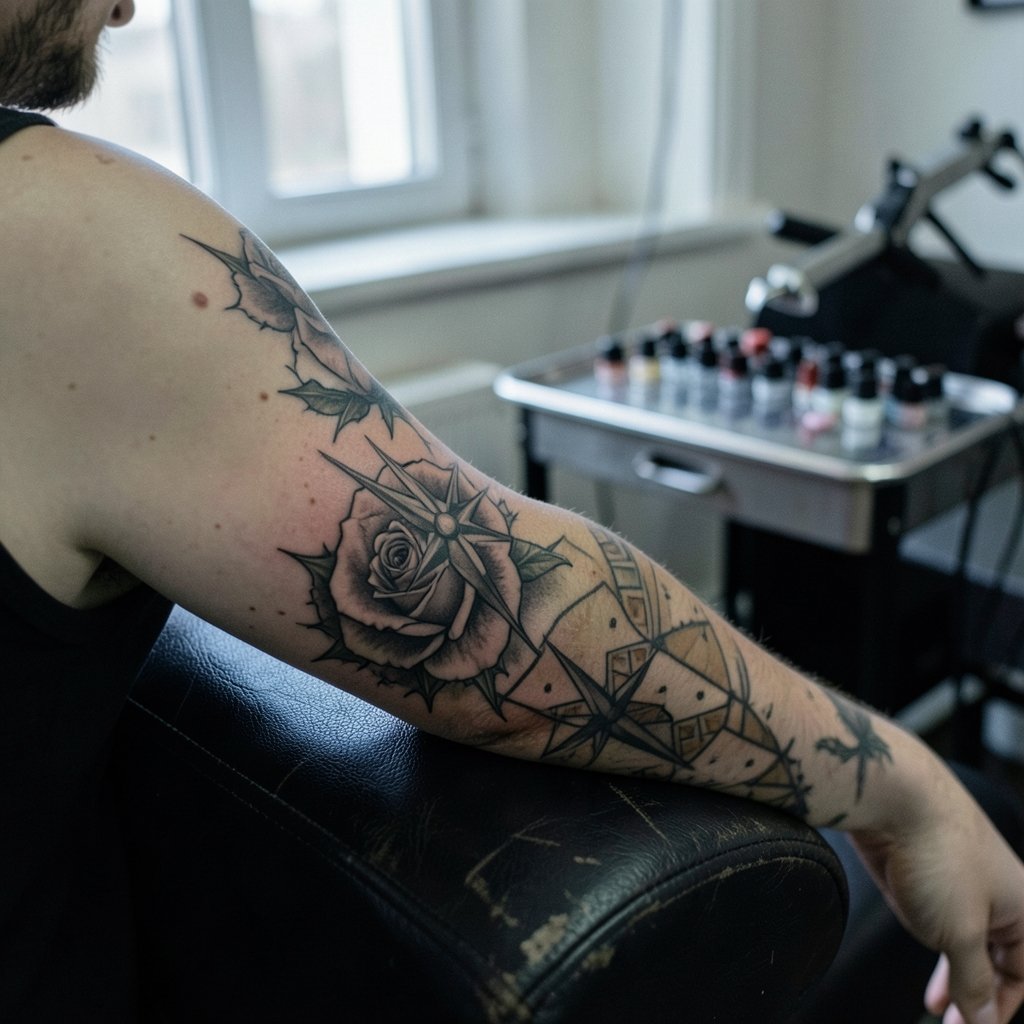
Roughly one in three American adults now has at least one tattoo, and a growing share of those tattoos are not small. The sleeve tattoo has moved from sailor decks and biker bars into offices, classrooms, and wedding photos. Yet the gap between wanting a sleeve and wearing one well is enormous. A sleeve is not a big tattoo. It is a collection of tattoos that must survive decades of sun, weight change, and shifting taste while still reading as one coherent piece of art. (Tattoo)
This guide covers what a sleeve actually is, how long it takes, what it costs, how to plan one that ages gracefully, and the mistakes that turn a dream project into a cover-up job.
What Counts as a Sleeve Tattoo?
There is no formal, standardized definition of a sleeve in the tattoo industry. The term is descriptive and commercial rather than technical, and artists use it loosely. Broadly, a sleeve covers most of the arm, and the common variants look like this:
| Type | Coverage | Typical session count |
|---|---|---|
| Full sleeve | Shoulder to wrist, wrapping 360 degrees | 6 to 12+ sessions |
| Half sleeve (upper) | Shoulder to elbow | 3 to 6 sessions |
| Half sleeve (lower) | Elbow to wrist | 3 to 5 sessions |
| Quarter sleeve | Shoulder to mid-bicep | 1 to 3 sessions |
| Forearm sleeve | Wrist to elbow, often a standalone piece | 2 to 5 sessions |
| Patchwork sleeve | Separate, unconnected designs filling the arm over time | Ongoing |
The patchwork sleeve deserves special attention because it is where most people actually start. Filling an arm with individual pieces collected over years is cheaper per session and lower risk, but it demands more planning than people expect. Without a shared visual thread, whether that is a color palette, a line weight, or a theme, patchwork can end up looking like a sticker album rather than a sleeve.
A Short History of the Full-Arm Tattoo
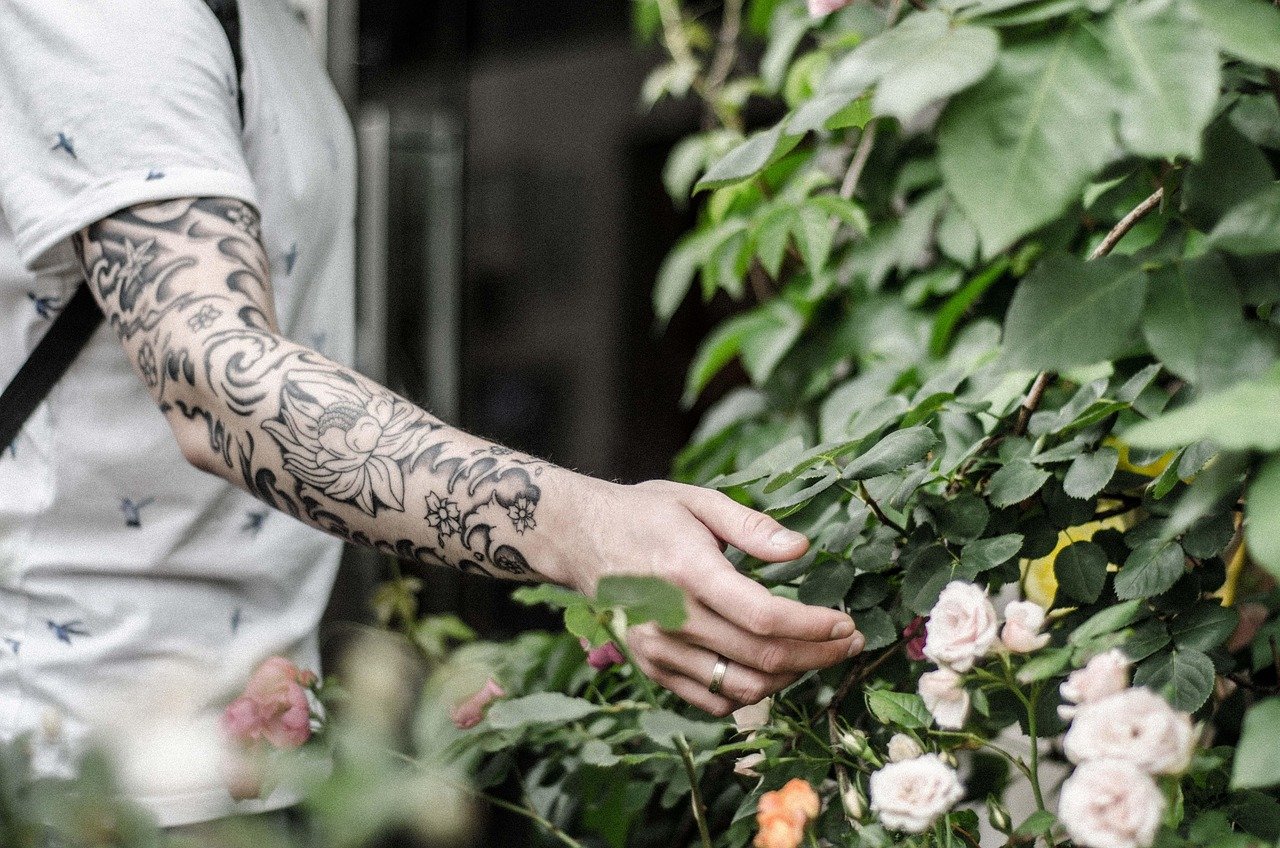
Arm tattooing is ancient. Ötzi the Iceman, whose body dates to roughly 3300 BCE, carried tattooed marks on his limbs, and cultures from Polynesia to ancient Egypt practiced skin marking with deep spiritual and social meaning. The word “tattoo” itself entered European languages through Pacific Island contact in the eighteenth century, and it is worth reading the etymology and cultural history of tattooing to understand how a practice with ritual roots became a Western fashion statement. (Tattoos: Understand risks and precautions)
The modern sleeve owes much to maritime and military traditions, where arm tattoos signaled rank, voyages, and belonging. In the twentieth century, sleeves became associated with motorcycle clubs, prison populations, and punk scenes, which is precisely why they carried stigma for so long. That stigma has largely collapsed. Tattoo removal and dermatology literature now tracks a mainstream population of tattooed adults, and the FDA’s guidance on tattoo inks and pigments reflects a market large enough to warrant federal attention to ink safety.
How Long Does a Sleeve Take?
Longer than almost anyone estimates on day one. A full sleeve is typically built across multiple sessions spaced weeks apart, and the total calendar time usually runs from several months to well over a year. Three factors drive the timeline:
- Total surface area. The arm is a cylinder. Wrapping a design around it means the artist must account for curvature, and the inner bicep and inner forearm are notoriously slow, painful areas to work.
- Healing between sessions. Skin needs roughly two to four weeks to settle before the next pass, and rushing it causes patchy saturation and scarring.
- Design complexity. Realism, portraiture, and fine detail work take far longer per square inch than bold traditional work.
A common practical mistake is booking a single marathon session to “get it done.” Artists who allow it often produce work that looks flat once healed, because swelling makes it hard to judge saturation after hour four. Spreading the work is not a sign of indecision. It is craft.
What Does a Sleeve Tattoo Cost?
Pricing varies enormously by city, artist reputation, and style, so treat any single figure with suspicion. What holds true is the structure: most artists charge either an hourly rate or a flat day rate, and sleeves are quoted as a project estimate rather than a fixed price.
| Cost factor | Effect on price |
|---|---|
| Artist demand and portfolio strength | The biggest variable by far |
| Hourly versus day rate | Day rates usually save money on long sessions |
| Color versus black and grey | Color often adds time and cost |
| Realism or fine-line detail | Slower per inch, so more expensive |
| Touch-ups | Often free within a set window, then charged |
| Cover-up work | Adds complexity and cost to any plan |
A useful budgeting rule: whatever the artist quotes, set aside an additional amount for a second-pass touch-up and for the years of sunscreen you will buy. The true cost of a sleeve is the lifetime of care, not the invoice.
Planning a Sleeve That Still Looks Good in Ten Years
This is where first-hand experience from artists and heavily tattooed clients converges into a handful of hard-won lessons.
Decide the concept before the first needle
Arriving with a vague idea and letting the artist improvise across eight sessions is the single most common route to regret. Bring references. Discuss the whole arm, not the first patch. Ask the artist to sketch a rough layout showing how each section connects, even if the final design evolves.
Respect the joints and the flow
Good sleeves flow with the body. Designs are usually oriented so the composition reads correctly when the arm hangs at rest, and artists deliberately use the elbow and wrist as transition points rather than awkward cutoffs. A design that ignores anatomy looks disjointed the moment the arm moves.
Think about visibility
A wrist-to-shoulder sleeve cannot be hidden by a short-sleeve shirt. If a career, a family situation, or a cultural context makes visible ink complicated, a half sleeve ending above the elbow is a genuinely different decision. Deciding this after the wrist is done is a mistake people make constantly.
Go bold enough to age
Fine lines blur. Very small lettering becomes illegible. Light washes of color fade fastest in sun-exposed areas. Artists routinely advise clients that contrast and adequate line weight are what keep a tattoo readable at fifty. A sleeve is a long game, and delicate work needs honest conversation about longevity.
Vet the artist’s healed work, not their Instagram
Fresh tattoos photograph beautifully. Ask to see healed photos, ideally a year or more old. Every reputable artist has them. If they do not, that is information.
Pain, Healing, and Aftercare Realities
Sleeves hurt in specific places. The outer arm is manageable for most people. The inner bicep, inner forearm, elbow ditch, and wrist range from uncomfortable to genuinely brutal, and sessions over those areas are shorter for a reason.
Aftercare is unglamorous but decisive. Fresh work needs gentle washing, light moisturizing, and protection from sun and friction. The CDC’s guidance on preventing infections from tattoos is worth reading before booking, particularly the emphasis on licensed studios and sterile equipment. Redness, spreading warmth, or pus after the first few days is a medical issue, not a normal healing stage.
Sun protection is the other non-negotiable. Ultraviolet light degrades ink pigment and dulls contrast faster than anything else. A sleeve worn through ten summers of unprotected sun exposure will look noticeably softer than one kept covered or sunscreened, and no amount of touch-up fully reverses that.
Sleeve Tattoos at Work and in Public Life
Workplace attitudes have shifted dramatically, but unevenly. Tech, creative fields, trades, and much of healthcare have relaxed. Client-facing roles in finance, law, and some public sector positions still vary by employer, and dress codes frequently require coverage in front of customers. Checking a specific employer’s written policy beats guessing, and it beats assuming the culture is obvious from the outside.
The practical workaround many people use is timing: build the sleeve during a period when long sleeves are normal, or plan the lower arm last so the visible portion stays minimal until the decision is certain.
Conclusion
A sleeve tattoo rewards patience more than enthusiasm. The people happiest with their arms years later tend to share the same habits: they planned the whole composition before the first session, chose an artist on healed work rather than fresh photos, spread the project across many months, and treated sun protection as part of the tattoo rather than an afterthought. The people who regret theirs usually rushed a concept, chased a cheap quote, or ignored how visible a full arm would be in their actual life. Get the planning right and a sleeve becomes one of the most satisfying things you can own. Get it wrong and you inherit years of cover-up work. The difference is almost never talent or budget. It is foresight.
Frequently Asked Questions
How long does a full sleeve tattoo take from start to finish?
Most full sleeves take between six and twelve sessions, spaced two to four weeks apart for healing, which puts the realistic calendar timeline at several months to well over a year. Large, detailed, or highly saturated designs sit at the longer end. Anyone promising a complete, well-healed full sleeve in a few weeks is either working extremely small or cutting corners on healing time.
Is a sleeve tattoo more painful than a small tattoo?
The pain per square inch is similar, but a sleeve covers far more area, including the most sensitive spots on the arm: the inner bicep, the elbow ditch, the wrist, and the inner forearm. Most people find the outer arm quite manageable and the inner arm considerably harder. Longer sessions also bring fatigue, which makes later hours feel worse than earlier ones.
Can I get a sleeve tattoo if I have a low pain tolerance?
Yes, with planning. Shorter sessions, numbing options where studios offer them, and splitting the arm into more visits all help. Many artists prefer shorter sessions anyway because client comfort affects how still the arm stays, which directly affects line quality. Be honest with the artist up front rather than discovering the limit mid-session.
How much should I expect to pay for a sleeve?
Pricing depends mostly on the artist’s rate and the hours required, so no single figure applies. Sleeves are typically quoted as project estimates rather than fixed prices. Budget beyond the quote for touch-ups and ongoing care, and be skeptical of unusually cheap quotes for large work. Skilled artists are rarely the cheapest option in a city, and price shopping a sleeve is a common source of regret.
Will a sleeve tattoo hurt my job prospects?
It depends entirely on the field and the specific employer. Many industries have relaxed dress codes, while some client-facing roles still require covered tattoos. The safest approach is to read the employer’s written policy and consider keeping the lower arm clear until you are confident about your career direction. Visibility is a planning decision, not an afterthought.
Do sleeve tattoos fade badly over time?
All tattoos soften as ink settles and skin ages, but sun exposure is the dominant cause of dramatic fading. Bold line work and strong contrast age far better than very fine detail and pale color washes. Consistent sunscreen use, covering up in strong sun, and occasional touch-ups keep a sleeve looking sharp for decades rather than a handful of years.