
How to Remove Wrinkles from Linen: Easy Step-by-Step Guide
 Abdul WadoodLast updated
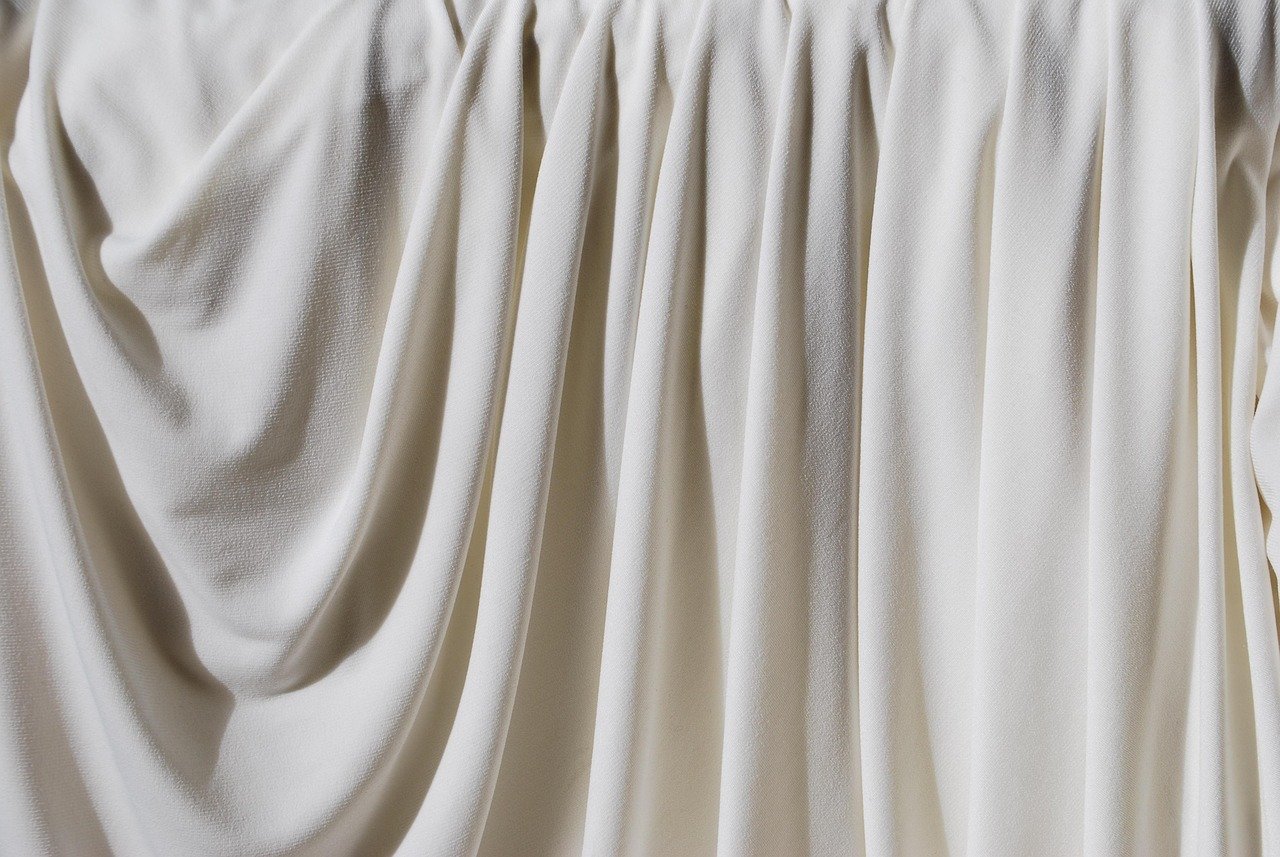
Linen is one of the oldest fabrics people still wear every day. Flax fibers have been spun into cloth for thousands of years, and the fabric’s tendency to crease is just as old. That creasing is not a flaw in the cloth. It comes from the structure of the flax fiber itself, which has very little natural stretch. When the fiber bends, it stays bent. Understanding that one fact changes how you deal with wrinkles: you are not fighting the fabric, you are relaxing fibers that have been locked into a shape.
Why Linen Wrinkles So Easily
Linen is a bast fiber, meaning it comes from the stalk of the flax plant rather than from a seed or a leaf. The cellulose chains inside flax are long and stiff, and the fiber has low elasticity compared with cotton or wool. When linen is folded, sat on, or slept in, the fibers bend and the bends set. Add a little moisture from the air or your body, and those creases can become stubborn.
This is why a linen shirt that looks crisp at 8 a.m. can look rumpled by lunch. It is also why linen has a reputation for relaxed, lived-in elegance. Many people actually want some texture and softness in their linen. The goal is usually not a glass-flat finish like a cotton dress shirt, but a smooth, cared-for look with the character of the fabric intact.
The Single Most Important Factor: Moisture

If you remember one thing from this guide, make it this: linen irons best when it is slightly damp. Dry linen fibers are stiff and resist smoothing. Damp fibers relax and accept a new shape far more willingly. This is why so many care guides recommend ironing linen while it is still damp or using the steam setting on the iron.
In practice, there are three easy ways to get the moisture right:
- Iron straight from the line or drying rack while the fabric is still faintly damp.
- Mist the garment lightly with a spray bottle of clean water, then let it sit for a minute or two before pressing.
- Use the steam function on your iron, holding the iron just above the fabric to let steam penetrate, then pressing.
A common mistake is soaking the fabric. Too much water means you are essentially ironing a wet cloth, which wastes energy and can leave marks. A light, even dampness is what works.
Check the Care Label First
Before you touch the iron, read the label. International care-symbol standards define what the dots inside the iron symbol mean, and those dots should override any generic advice you read online. A garment marked for low heat should never be pressed on the highest setting, even if it is linen. Blends are especially important here: a linen-cotton or linen-viscose mix behaves differently from pure linen, and the most delicate fiber in the blend sets the limit. (Linen)
If the label is missing or worn away, treat the garment as delicate until you have tested a hidden area, such as an inside seam or hem.
Ironing Linen: Step by Step
Here is a practical sequence that works for shirts, trousers, napkins, and tablecloths alike.
- Set up properly. Use an ironing board with a clean, padded cover. A thin cover or a bare board can leave a shine or a weave imprint on linen.
- Turn the garment inside out for anything dark, dyed, or embroidered. Pressing the wrong side protects the surface finish and prevents shiny patches.
- Fill the iron with water and set it to steam. Linen tolerates high heat, and most household irons have a linen setting near the top of their range. Treat any specific temperature figure as approximate, because irons and fabric finishes vary.
- Start with the small, structured parts. Collars, cuffs, and plackets first, then the body. This stops you from re-creasing a section you already smoothed.
- Press, don’t scrub. Lower the iron, hold it briefly, lift, and move on. Sliding the iron back and forth stretches the weave and can distort the shape.
- Use the tip of the iron for corners and the narrow areas between buttons.
- Hang immediately on a shaped hanger. Linen that sits in a pile while still warm will crease again within minutes.
For table linens, the same logic applies on a larger scale. Press a slightly damp cloth on the reverse side, working from the center outward so the fabric does not stretch out of square.
Steaming vs. Ironing: Which One Actually Works?
Steamers are widely marketed as the easy answer for linen, and they do have real advantages. But results depend heavily on the weight of the fabric. Here is an honest comparison.
| Method | Best for | Weaknesses | Speed |
|---|---|---|---|
| Traditional iron with steam | Crisp finishes, shirts, trousers, table linens, heavy linen | Requires a board and setup; risk of shine if used on the right side | Moderate |
| Handheld garment steamer | Light wrinkles, quick refresh, hanging garments, travel | Struggles with heavy linen and set creases; little crispness | Fast |
| Spray and smooth by hand | Minor creases, quick fixes on the go | Temporary; does not set a sharp finish | Very fast |
| Professional pressing | Structured or valuable pieces | Cost and turnaround time | Slow |
The practical takeaway: a steamer is excellent for relaxing light wrinkles and refreshing a garment between wears. For a genuinely crisp finish on heavier linen, a hot iron with steam still does the job better. Many people keep both and choose based on the item.
What to Do When You Have No Iron
Travel and busy mornings happen. A few reliable tricks help:
- Hang the garment in a steamy bathroom during a hot shower. The ambient moisture relaxes light creases over 10 to 15 minutes.
- Mist and smooth. Lay the item flat, spray lightly, and smooth with clean hands, then hang to dry.
- Use a hair dryer on a warm setting at a safe distance, smoothing the fabric with your free hand as it dries.
- Roll, don’t fold. For packing, roll linen garments rather than folding them sharply. Rolls create soft curves instead of hard creases.
None of these match a proper press, but they are genuinely useful when you are short on time.
Prevention: Stop Wrinkles Before They Set
The easiest wrinkle to remove is the one that never formed. A few habits make a real difference.
In the wash: Do not overload the machine. Crammed linen comes out in tight twists, and those twists set as creases. Use a gentle cycle and a moderate spin.
In the dryer: If you use one at all, choose a low-heat setting and remove linen while it is still slightly damp. Shaking each piece out before it goes in helps too.
Drying: Line-dry flat or hang on a shaped hanger. Pegs on thin linen can leave marks, so clip at seams or hems where possible. Smooth the garment with your hands while it is wet; it will dry noticeably flatter.
Storage: Fold loosely rather than pressing a hard crease into the same line every time. Hanging is better for shirts and dresses. Never store linen in a damp state, since prolonged damp storage can lead to yellowing and fiber damage.
Wearing: Linen creases where it bends, so fit matters. A garment that is too tight will crease sharply at the elbows, hips, and waist. Slightly relaxed cuts wrinkle more gracefully.
Common Mistakes That Make It Worse
Some habits cause more harm than good, and they are easy to fix.
- Ironing bone-dry linen. This is the most common error. A light mist makes an enormous difference.
- Using the highest heat on a blend. The linen may cope; the other fiber may not.
- Pressing over dirt or residue. Heat can set stains permanently. Wash first, then press.
- Leaving the iron in one spot. Linen scorches and can develop a shine. Keep the iron moving or lift it between presses.
- Ironing over buttons and zippers. These can crack, melt, or scratch the soleplate. Work around them.
- Bundling damp linen. Leaving damp linen crumpled in a bag or basket encourages mildew and set creases. Spread it out or dry it promptly.
When Wrinkles Won’t Budge
If a crease survives a proper damp press, it may be a set crease from long storage or from the manufacturing process. Try re-dampening the whole item evenly, then pressing again with generous steam. For heavily creased vintage or inherited linen, a gentle wash followed by pressing while damp usually does more than repeated dry ironing. Very old or fragile pieces deserve a cautious approach; test on an inconspicuous area and use lower heat.
It also helps to reset expectations. Linen is supposed to have some texture. A perfectly flat linen shirt often looks a little stiff. A soft, gently waved surface is what the fabric does best.
A Note on the Fabric’s Character
Linen’s wrinkle is part of its appeal. The fiber is strong, breathable, and gets softer with every wash. It also has a long history: flax cultivation is documented in ancient Egypt and Mesopotamia, though archaeologists still debate exact dates. What has not changed is how the cloth behaves. Learning to work with that behavior, rather than against it, is the whole skill. (Safer Choice)
For more practical guidance on fabric care and home routines, see Voozon Media.
Conclusion
Removing wrinkles from linen comes down to three things: moisture, heat, and timing. Dampen the fabric, press with a hot iron and steam, and hang it immediately. Read the care label before you start, keep blends on a gentler setting, and skip the scrubbing motion that stretches the weave. A steamer is a great shortcut for light creases, but heavier linen still rewards a proper press. And when a crease refuses to go, remember that linen’s relaxed texture is not a defect. It is the fabric doing exactly what it has always done.
Frequently Asked Questions
Can you iron linen completely dry?
You can, but it is much harder. Dry linen fibers are stiff and resist smoothing, so creases linger and you end up pressing harder than you should. A light mist of water or a burst of steam makes the job faster and gentler on the fabric. If you must iron dry, use plenty of steam and keep the iron moving.
What temperature should you use for linen?
Linen tolerates relatively high heat, and most household irons have a linen setting near the top of their range. Treat any specific number as approximate, because irons and fabric finishes vary. The care label always wins: if it shows a lower setting, use that. For blends, follow the most delicate fiber in the mix.
Is a steamer as good as an iron for linen?
It depends on the weight of the fabric. A steamer is excellent for light wrinkles, hanging garments, and quick refreshes, and it is far easier to use. For heavy linen and a crisp finish, a hot iron with steam still performs better. Many people keep both and pick based on the item.
How do you get wrinkles out of linen without an iron?
Hang the garment in a steamy bathroom for 10 to 15 minutes, mist it lightly and smooth it flat with clean hands, or use a hair dryer on a warm setting at a safe distance while smoothing the fabric. Rolling linen instead of folding it when packing also prevents hard creases from forming in the first place.
Why does my linen wrinkle again right after ironing?
Linen creases wherever it bends, and warm fabric pressed into a pile will re-crease quickly. Hang each piece immediately on a shaped hanger and let it cool undisturbed. Fit matters too: a tight garment creases sharply at the elbows and waist, while a slightly relaxed cut wrinkles more gracefully.
Can you prevent linen from wrinkling in the wash?
Yes, to a point. Avoid overloading the machine, use a gentle cycle, and remove linen from the dryer while still slightly damp. Line-dry flat or hang on a shaped hanger, and smooth each piece with your hands while wet. These habits reduce set creases, though they will never make linen wrinkle-free.