
How to Remove Temporary Tattoos Safely in 2026
 Abdul WadoodLast updated

A temporary tattoo can look great at a birthday party, a festival, or a school fair. Then Monday arrives, and that smiling dinosaur on your forearm suddenly feels less charming. The good news: most temporary tattoos come off in minutes once you know which type you are dealing with. The bad news: using the wrong method, or the wrong solvent, can leave red, stinging skin that lasts longer than the tattoo ever did.
The single most common mistake is treating every temporary tattoo the same. A water-transfer decal, an airbrushed design, and a henna stain are three different problems with three different solutions. Match the method to the ink, and removal becomes simple.
First, Identify What Kind of Temporary Tattoo You Have
Before reaching for oil or alcohol, take thirty seconds to figure out what is actually on your skin. The removal method depends entirely on how the design attached itself.
| Tattoo type | How it attaches | Best removal approach | Typical removal time |
|---|---|---|---|
| Water-transfer decal | Glue-like film pressed on with water | Rubbing alcohol or oil, then gentle peel | 1 to 5 minutes |
| Adhesive tattoo paper (home printed) | Sticker adhesive | Warm soapy water, then oil for residue | 5 to 10 minutes |
| Airbrush or stencil ink | Ink sprayed or painted on the surface | Soap, warm water, and light scrubbing | 2 to 10 minutes |
| Henna stain | Dye absorbed into the outer skin layer | Waiting, plus gentle exfoliation | 1 to 3 weeks |
| “Black henna” | Dye, sometimes with harsh additives | Medical advice if skin reacts | Varies; see a professional |
The first four rows respond to washing and dissolving. The last two do not. That distinction matters more than any product on the shelf.
The Gentle Method That Works for Most Decals
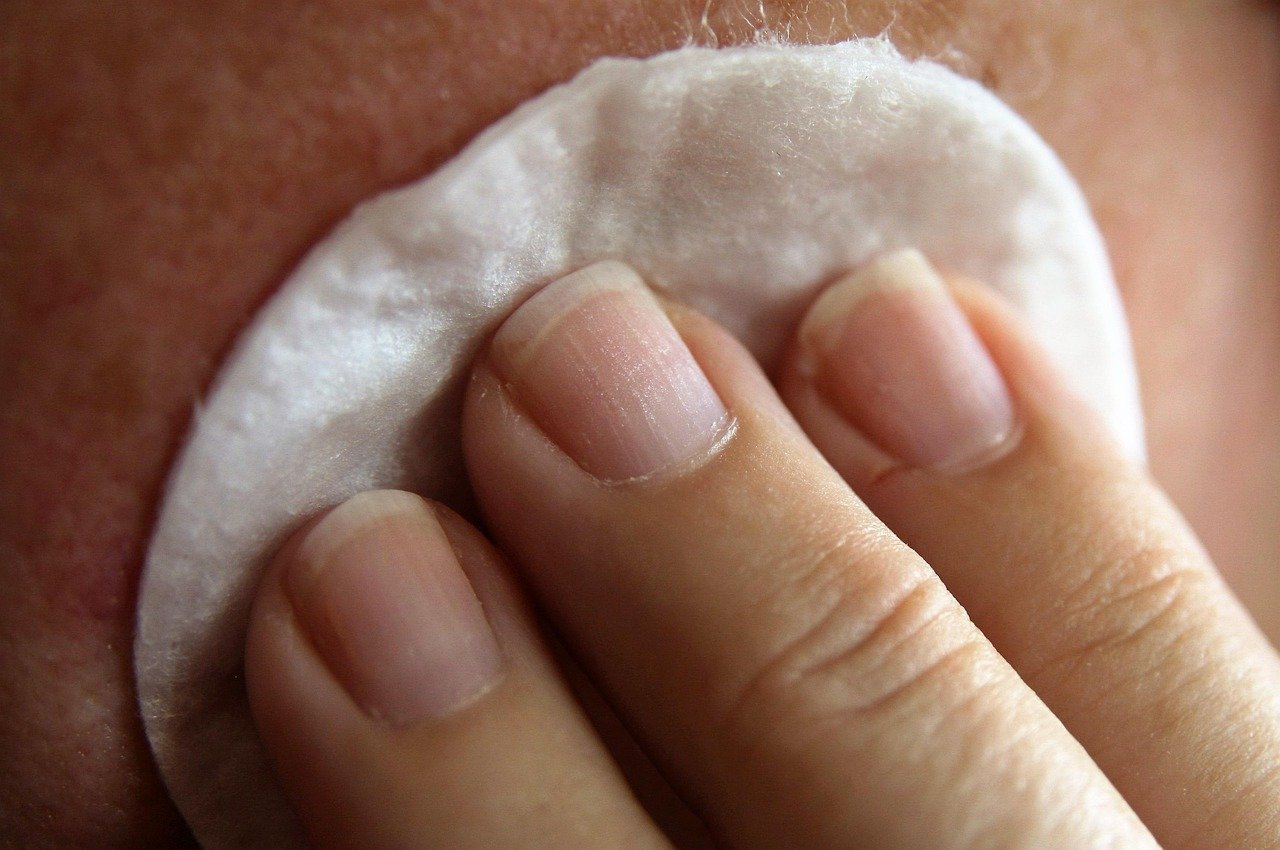
Start with the least aggressive option every time. Soap and warm water remove a surprising number of temporary tattoos, especially fresh ones, and they carry almost no risk of irritation.
- Wet a soft washcloth with warm, not hot, water.
- Add a small amount of mild soap or body wash.
- Hold the cloth against the tattoo for thirty seconds to soften the film.
- Wipe gently in one direction rather than scrubbing in circles.
- Rinse and pat dry.
If the design lifts at the edges, keep going. If nothing moves after a minute of gentle wiping, stop and move to the next method. Persistence beats pressure on skin.
People often make the mistake of scrubbing harder when the first pass fails. That turns a five-minute job into a two-day red patch. A washcloth, a soft nail brush, or a makeup-removal pad provides plenty of friction; fingernails and loofahs do not.
Rubbing Alcohol: Fast, Effective, and Easy to Overdo
For water-transfer decals, isopropyl rubbing alcohol is the workhorse. It dissolves the adhesive film that holds the design to your skin, which is why the tattoo slides away rather than scrubbing off.
Apply a small amount to a cotton ball or pad, press it against the tattoo for ten to twenty seconds, then wipe. Most decals come off in one or two passes.
Two practical cautions apply. First, alcohol stings on broken or freshly shaved skin, so skip it if the area is irritated. Second, it dries out skin quickly. Rinse with water afterward and apply a little moisturizer. Hand sanitizer, which is mostly alcohol, works in a pinch, but it is thicker and harder to control around eyes and small faces.
Never use alcohol near the eyes or on a child’s face without care. For face tattoos, warm soapy water and a soft cloth are the safer first choice.
Oil and Cold Cream: The Gentler Route
If alcohol feels too harsh, household oil is an excellent alternative. Baby oil, olive oil, coconut oil, and even petroleum jelly loosen the adhesive so the decal can be lifted rather than scrubbed.
Massage a thin layer over the tattoo, wait two to three minutes, then peel the design away with a fingertip or a soft cloth. Oil-based makeup removers and cold cream work the same way and are especially good for adhesive tattoo paper that leaves a sticky residue.
Oil has one obvious drawback: it is messy. Do this over a sink, and wipe the area clean with a soapy cloth afterward. On clothing, oil can leave a stain, so keep sleeves rolled up and away from the removal zone.
A quick comparison helps here. Alcohol is faster and cleaner; oil is slower but gentler. For adults on a forearm, alcohol wins on speed. For kids, sensitive skin, or anyone who has reacted badly to solvents before, oil is the smarter default.
Dealing With Stubborn Residue and Glue Marks
Sometimes the design lifts but a grey shadow or sticky patch remains. This is adhesive residue, and it responds to a different approach than the ink itself.
Try these steps in order:
- Apply oil-based makeup remover and let it sit for a minute.
- Wipe with a soft cloth, then wash with soap and water.
- Use a gentle exfoliating wipe or washcloth to lift the last of the residue.
- Moisturize the area.
Exfoliation is the underrated step. A washcloth, a mild sugar scrub, or a drugstore exfoliating pad removes the top layer of dead skin cells where ink and glue tend to linger. Keep the pressure light. The goal is polishing, not sanding.
If a faint mark survives all of this, give it a day. Many “leftover” shadows are simply slight skin staining that fades on its own within twenty-four to forty-eight hours.
What Not to Use on Your Skin
The internet is full of aggressive suggestions, and some of them cause real harm. A short list of things to avoid:
- Acetone and nail polish remover. Effective on some inks, but harsh and drying, and a poor choice for large areas or sensitive skin.
- Bleach, hydrogen peroxide in high concentration, or cleaning solvents. These are not skin-care products. Do not use them.
- Sandpaper, pumice stones, or rough loofahs. They remove skin along with the tattoo.
- Harsh scrubbing on broken skin. If the skin is already red, raw, or blistered, stop and treat it as an irritation, not a stain.
A simple rule applies: if a product carries a warning label about skin contact, it does not belong on a temporary tattoo.
Why Henna Is a Completely Different Problem
Henna does not sit on top of the skin. The dye binds with keratin in the outer layer, which is why a henna design can look crisp for days and fade gradually over roughly one to three weeks. No soap, oil, or alcohol will wash it off, because there is nothing on the surface to wash.
What actually works is time, helped along by the skin’s natural renewal. Gentle exfoliation two or three times a week can speed fading slightly by encouraging dead cells to shed. Warm water, swimming, and regular washing also nudge the process along. Beyond that, patience is the only reliable method. Anyone promising instant henna removal is selling something that does not exist.
There is a safety side to this topic that deserves attention. Some so-called “black henna” products contain additives that can trigger allergic reactions, sometimes severe, including blistering and long-lasting sensitivity. Regulators in several countries have issued consumer warnings about these products, and dermatology bodies advise against them. If a henna tattoo leaves your skin itchy, blistered, or raised, that is not a removal problem. It is a medical one, and it needs a doctor rather than a home remedy.
Removal Tips by Body Part
Location changes the method more than most people expect.
Face. Skin here is thin and sensitive. Use warm water, mild soap, and a soft cloth, and be patient. Avoid alcohol and oil near the eyes.
Neck and hands. These areas see a lot of friction, so decals often come off quickly with soap alone.
Arms and legs. The easiest territory. Alcohol or oil both work well, and exfoliation handles residue.
Feet. Warm water soaks help, especially after a bath or shower. A soft brush tackles the rest.
When to Stop and See a Doctor
Most temporary tattoos come off without incident. A few situations call for professional advice rather than another home remedy:
- Spreading redness, swelling, or warmth around the site
- Blisters, weeping, or an itchy rash that appears hours or days later
- A reaction that follows a henna or “black henna” design
- Symptoms that worsen instead of settling within a day or two
These signs point to contact dermatitis or an allergic reaction, not stubborn ink. Treating them with more scrubbing or stronger solvents makes things worse.
Practical Habits That Make Removal Easier
A few small habits save a lot of trouble:
- Remove decals within a day or two. Fresh tattoos lift far more easily than ones that have been on for a week.
- Patch test first. If you plan to use alcohol or a new remover, try it on a small area of the inner arm.
- Keep the area moisturized afterward. Removed tattoos leave skin dry, and moisturizer speeds recovery.
- Read the manufacturer’s instructions. Brand formulations vary, and the packet often names the recommended remover.
There is also a cultural dimension worth noting. Temporary tattoos sit at an interesting crossroads between craft, body art, and decoration, and the way people wear and remove them says something about how casually we now treat skin as a canvas. That shift is visible in the broader conversation around contemporary art and its shifting boundaries, where techniques once reserved for studios and specialists have moved into everyday life. The same is true of the designs themselves, which increasingly borrow from traditional craft techniques adapted to modern culture rather than simple cartoon shapes.
Conclusion
Removing a temporary tattoo is usually a five-minute job, provided you match the method to the ink. Water-transfer decals surrender to rubbing alcohol or oil. Adhesive paper responds to warm water and a little patience. Airbrushed designs wash away with soap. Henna, by contrast, cannot be removed at all; it fades on its own schedule, and the only sensible strategy is gentle exfoliation and time. The real skill is restraint. Start mild, escalate slowly, and stop the moment skin looks irritated. That approach removes the tattoo without leaving a mark that outlasts it.
Frequently Asked Questions
How do you remove a temporary tattoo quickly?
For a water-transfer decal, apply rubbing alcohol to a cotton pad, press it on the design for ten to twenty seconds, and wipe. Most come off in under a minute. If you have no alcohol, oil works nearly as fast, though it needs a couple of minutes to loosen the adhesive.
Can you remove a temporary tattoo with soap and water alone?
Often, yes. Soap and warm water remove fresh decals and most airbrushed designs, especially if you let the water soften the film for thirty seconds before wiping. Older or adhesive-backed tattoos usually need oil or alcohol to finish the job.
Does oil really remove temporary tattoos?
Yes. Baby oil, olive oil, and oil-based makeup removers loosen the adhesive film so the design can be lifted rather than scrubbed. Massage it in, wait a few minutes, and peel gently. Oil is slower than alcohol but gentler on sensitive skin.
Why won’t my henna tattoo wash off?
Henna stains the outer layer of skin rather than sitting on the surface, so there is nothing to wash away. It fades over roughly one to three weeks as skin cells renew. Gentle exfoliation a few times a week may speed the process slightly, but no product removes it instantly.
Is it safe to use nail polish remover on a temporary tattoo?
It can work on some inks, but acetone is harsh, drying, and a poor choice for large areas or sensitive skin. It should never be used near the eyes or on broken skin. Warm soapy water, oil, or rubbing alcohol are safer first options.
What should you do if the skin reacts after removal?
If redness, swelling, blistering, or itching appears, stop all removal attempts and treat the area gently. Reactions following henna or “black henna” designs in particular should be checked by a doctor, especially if symptoms spread or worsen.