
What Is Quiet Craftsmanship in Fashion? 2026 Guide
 Abdul WadoodLast updated
Quick Answer: What is quiet craftsmanship in fashion?
Quiet craftsmanship in fashion refers to clothing whose value comes from how it is made rather than how it is branded — the stitching, fabric, cut, and finishing that reward close inspection instead of a visible logo. You see it in heavier seams, cleaner linings, matched patterns, and materials that hold their shape after years of wear. It sits close to quiet luxury and slow fashion, but it is narrower: quiet luxury describes a tasteful, logo-free look, while quiet craftsmanship describes the labor and material decisions behind that look. Before paying a premium, compare fabric composition, seam and hem finishing, lining quality, fit and alterations, care requirements, and repair options.
The term itself is a journalistic label rather than a certified category. No industry body defines or regulates “quiet craftsmanship,” so treat it as a useful description, not a standard. What follows is how to recognize it, where it shows up, and what it costs.
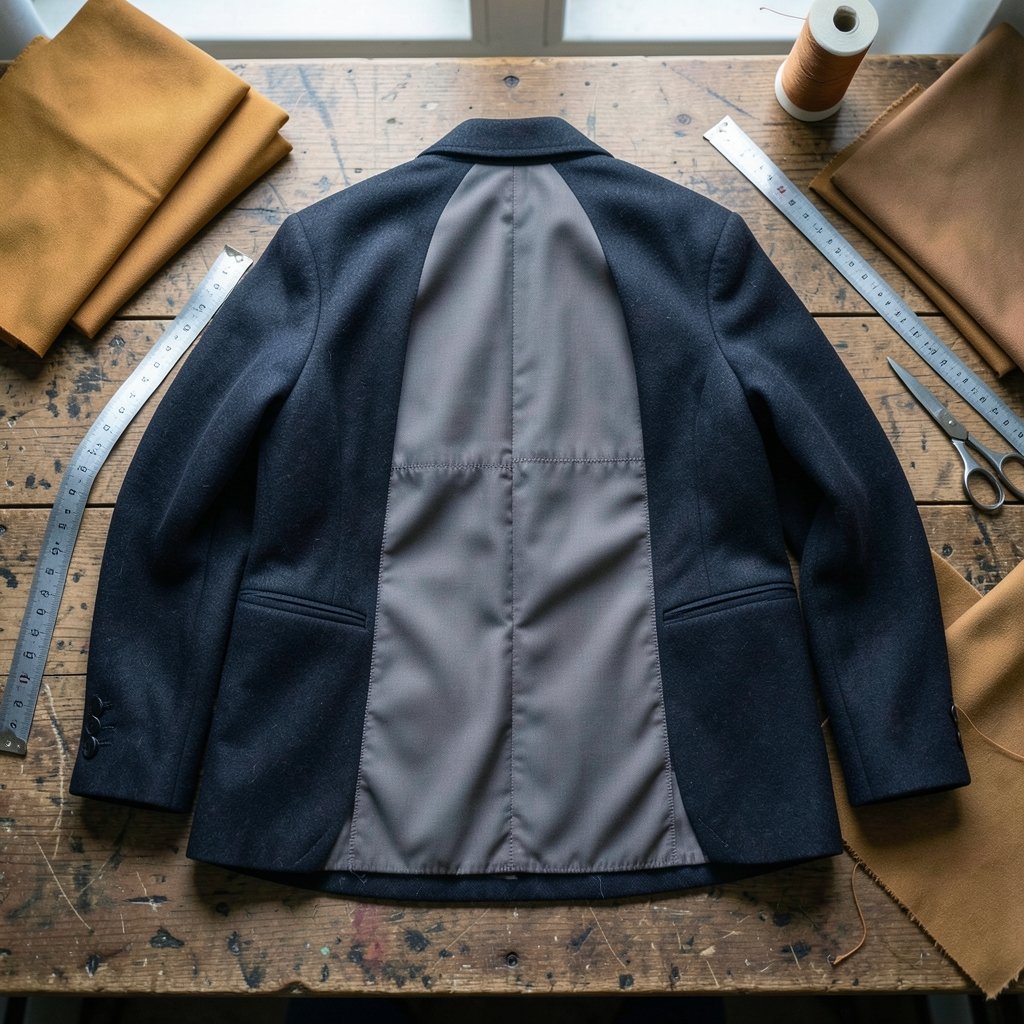
Walk into any mass-market clothing store and you can spot the giveaway within seconds. Turn a jacket inside out and you will often find loose threads, fused interfacing, and a hem stitched so fast the machine barely touched the cloth. The average garment is now worn far fewer times than it was two decades ago, and much of that decline traces back to construction that never expected to last. Quiet craftsmanship is the counter-movement — a way of judging clothes by what happens on the inside, where no one is looking.
Where the Term Comes From and What It Actually Means
Quiet craftsmanship borrows its logic from a much older idea in sociology and economics: inconspicuous consumption, the pattern in which buyers with real knowledge spend money on quality that signals taste to people who recognize it, rather than on logos that signal status to everyone. Fashion writing picked up the phrase as “quiet luxury” surged in coverage, then pushed one step further. If quiet luxury is about the absence of branding, quiet craftsmanship is about the presence of evidence.
In practice, the term describes a set of decisions:
- Material choice. Natural fibers with a known origin, denser weaves, and fabrics that drape rather than cling.
- Construction. Canvassed or half-canvassed jacket fronts instead of glued fusing, hand-padded lapels, pick stitching along edges, and seams with enough allowance to be let out.
- Finishing. Cleanly bound seams, matched patterns at the shoulder and side seams, functional buttonholes, and linings that are sewn rather than spot-tacked.
- Repairability. Buttons that can be reattached, hems with real cloth to work with, and a brand that will fix what it sold.
That last point matters more than most shoppers realize. A garment is only as durable as its weakest seam, and a brand’s willingness to repair is a practical test of whether it believes in its own construction.
How to Spot It in Ten Minutes
The good news is that quiet craftsmanship is testable. You do not need an expert eye — you need a routine. Here is a sequence that works in any fitting room.
- Turn the garment inside out. Look at the seam allowances. Are they finished, or is the raw edge already fraying? Wide, cleanly finished allowances suggest a maker expecting the garment to be altered and worn for years.
- Check the pattern matching. On striped or checked fabric, the lines should run continuously across the shoulder seam, the side seam, and the pocket flap. Mismatched patterns are the fastest sign of cutting for speed.
- Feel the jacket front. Pinch the chest panel between thumb and forefinger. A canvassed front has a floating layer of horsehair or wool inside and feels alive; a fused front feels flat and slightly stiff, like cardboard under cloth.
- Look at the buttonholes. Functional cuff buttonholes — the ones that actually open — take time to make and are rarely found on cheap jackets.
- Pull gently on a seam. A well-sewn seam holds with a slight give. If you hear threads cracking, walk away.
- Read the care label and fiber content. High-maintenance materials are not automatically better, but a maker who chose a fabric worth caring for usually finished it properly too.
The most common mistake is confusing weight with quality. A heavy garment can be badly made, and a light one can be beautifully constructed. The second most common mistake is judging by feel alone in the store; fabric softness tells you almost nothing about seam strength or whether the lining will survive a year.
Quiet Craftsmanship vs. Quiet Luxury vs. Slow Fashion
These three terms get used interchangeably, and they shouldn’t be. The table below separates them.
| Term | What it describes | What it is not |
|---|---|---|
| Quiet craftsmanship | The making: materials, construction, finishing, repairability | A defined or certified industry standard |
| Quiet luxury | The look: logo-free, understated, taste-driven styling | A guarantee of construction quality |
| Slow fashion | The production model: smaller runs, longer cycles, lower waste | Automatically handmade or expensive |
A brand can sell quiet luxury with mediocre construction behind it — the aesthetic is easy to copy, the making is not. Equally, a small workshop can produce genuinely careful garments without ever using the phrase. The label is a shortcut for shoppers, not a promise from makers.
This is where the broader conversation about restraint in dressing becomes useful. The return of minimalism in modern fashion has made understated clothing commercially mainstream, which means more brands are now claiming the quiet territory without changing how they cut and sew. Readers who want to see how restraint plays out on the street can look at coverage like street style at Milan Fashion Week, where the difference between a well-cut plain coat and a cheap imitation is often visible in the shoulder line alone. (Fashion collections at the V&A)
The Construction Details That Separate Good From Great
If you want a shortlist of what to inspect, focus on the places where shortcuts hide.
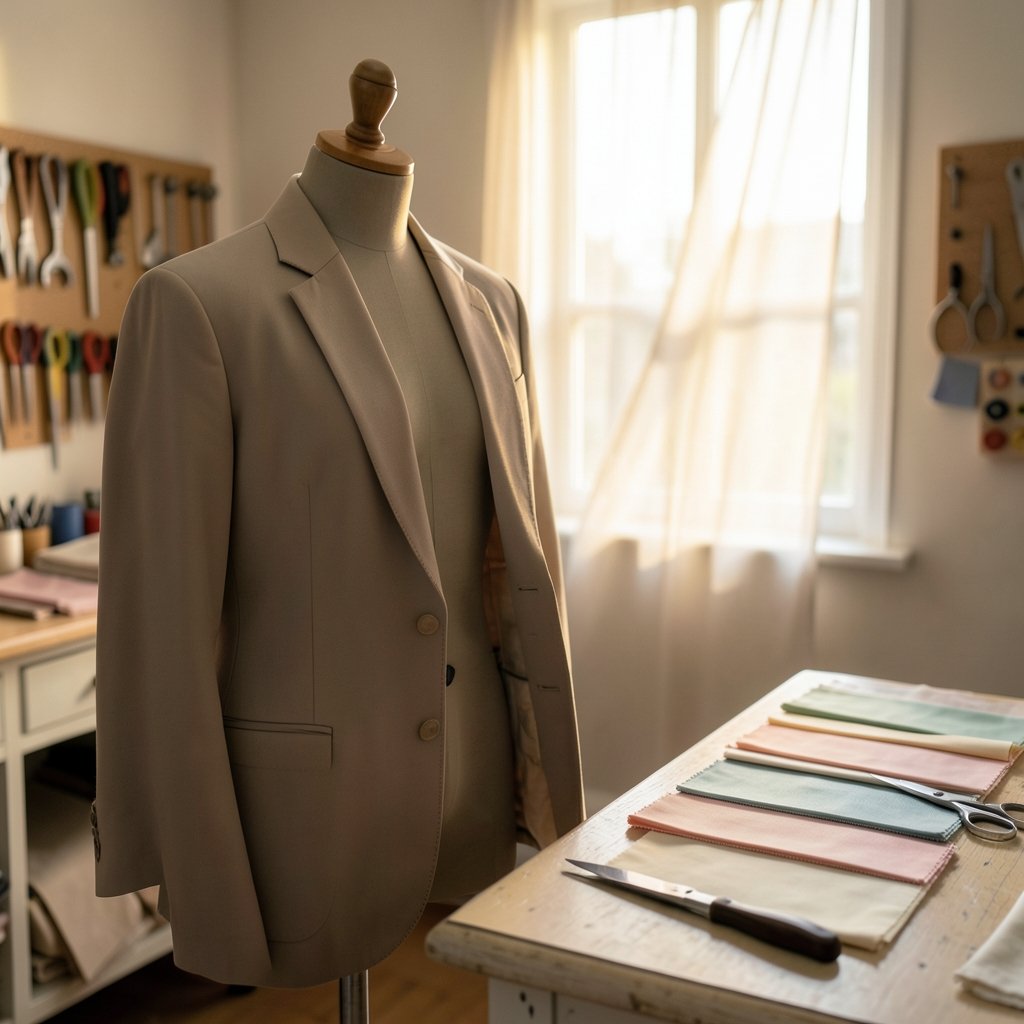
Jackets and tailoring. The chest piece is the whole game. A full canvas is stitched and floats independently, molding to the wearer over time. Half-canvas puts the canvas in the chest and fuses the lower panels — a reasonable compromise at mid price. Fully fused jackets are the cheapest to make and the least likely to age well. The craftsmanship behind a garment usually shows up first in these internal layers, long before it shows on the outside.
Shirts. Look at the side seams and the yoke. A single-needle stitch is slower and stronger than a chain stitch on the visible seams, and split yokes — where the back panel is cut in two pieces — allow a cleaner fit across the shoulders. Mother-of-pearl buttons are a small tell; plastic buttons on a shirt priced like an heirloom are a warning.
Knitwear. Gauge and fiber length matter more than brand. Fine-gauge merino from a long-staple source pills less than short-fiber wool at the same price. Fully fashioned knits, where panels are knitted to shape rather than cut from a sheet, waste less yarn and hold their silhouette.
Trousers. Check the waistband interior, the curtain (the strip of fabric behind the waistband), and whether the hem has enough turn-up to be let down. A trouser with a generous inlay can be altered twice; one with a skimpy hem is finished the day it is bought.
Outerwear. Zippers, storm flaps, and seam sealing separate serious coats from fashion ones. A two-way zipper from a known manufacturer is a small cost that cheap production almost always skips.
For a wider view of how heritage houses build and maintain these standards over decades, the legacy of luxury fashion houses is a useful reference point — not because heritage guarantees quality today, but because the surviving houses tend to be the ones that kept their construction intact.
What It Costs, and Whether It’s Worth It
Quiet craftsmanship carries a real premium, and it is not always justified. The honest breakdown looks like this:
| Price tier | What you typically get | What to watch for |
|---|---|---|
| Under $100 | Fused construction, plastic buttons, narrow seam allowances | Fine for short-cycle wear; don’t expect alterations |
| $100–$400 | Half-canvas tailoring, better fibers, some hand finishing | Inconsistent between brands; inspect every piece |
| $400+ | Full canvas, matched patterns, repair services | Premium pricing can outrun actual quality |
The practical advice is to spend the premium where construction is visible and repairable — a coat, a jacket, a pair of leather shoes — and to spend less on pieces that wear out fast regardless of price, like basic T-shirts. A useful rule: if a garment cannot be altered or repaired, its construction quality matters less, because you will replace it anyway.
There is also a sustainability angle that gets oversold. Buying fewer, better-made things does reduce waste per wear, but only if you actually wear them. A carefully constructed jacket that hangs unworn has a worse environmental record than a cheap one worn weekly. Craftsmanship is a tool for extending a garment’s life, not a virtue in itself.
Common Mistakes Buyers Make
The most frequent error is trusting the price tag as a proxy for construction. Plenty of expensive garments are fused and poorly finished; the premium went into marketing and retail space. The second is over-indexing on fiber content — “100% cashmere” says nothing about fiber length, and short-fiber cashmere pills within a season.
A third mistake is skipping the fitting. Quiet craftsmanship includes fit, and a beautiful jacket that does not fit the wearer’s shoulders is a wasted purchase. Tailoring can fix length and waist; it cannot easily fix shoulders. Buy for the shoulders and alter the rest.
Finally, many shoppers ignore aftercare. A well-made wool coat ruined by dry cleaning every month is worse off than a mid-range coat washed correctly twice a year. Care instructions exist for a reason, and following them is part of owning well-made clothes.
Conclusion
Quiet craftsmanship is less a trend than a way of looking. It asks shoppers to judge a garment by its seams, its canvas, its buttons, and its capacity to be repaired — not by the name on the label. The term has no official definition, and that is precisely why it is worth using carefully: it points to things you can verify with your own hands in a fitting room. Whether you are browsing fashion trends and designer work or studying the profiles of the people who wear and model these clothes, the useful question stays the same. Turn it inside out, check the seams, and let the construction make its own case.
Frequently Asked Questions
Is quiet craftsmanship an official fashion term?
No. It is a descriptive phrase used in fashion writing, not a defined or certified category. No industry body sets standards for it, so any brand using the term is describing its own approach rather than meeting a formal benchmark.
How is quiet craftsmanship different from quiet luxury?
Quiet luxury describes an understated, logo-free look. Quiet craftsmanship describes how the garment was actually made — the materials, seams, canvas, and finishing. A piece can look quietly luxurious and still be cheaply constructed, which is why inspection matters more than styling.
Can I find quiet craftsmanship on a budget?
Yes, within limits. Half-canvassed tailoring, single-needle shirt seams, and fully fashioned knitwear all appear at mid-market prices. The key is inspecting each piece rather than trusting the brand, since quality often varies between products from the same label.
What is the single best test for construction quality?
Turn the garment inside out and look at the seam allowances. Wide, cleanly finished edges that could be let out later indicate a maker planning for alteration and long wear. Fraying, narrow, or glued edges suggest the opposite.
Does quiet craftsmanship mean handmade?
Not necessarily. Machine sewing done slowly and precisely can be excellent, and “handmade” is unregulated in most markets. What matters is whether the construction method suits the material and holds up over time, not whether a human or a machine made the stitch.
Is expensive clothing always better made?
No. Price reflects marketing, retail location, and brand positioning as much as construction. The reliable approach is to inspect fabric, seams, lining, and repair options directly, then decide whether the premium is paying for making or for a name.