
Pink Hair Guide: Shades, Dye Methods & Care Tips
 Abdul WadoodLast updated
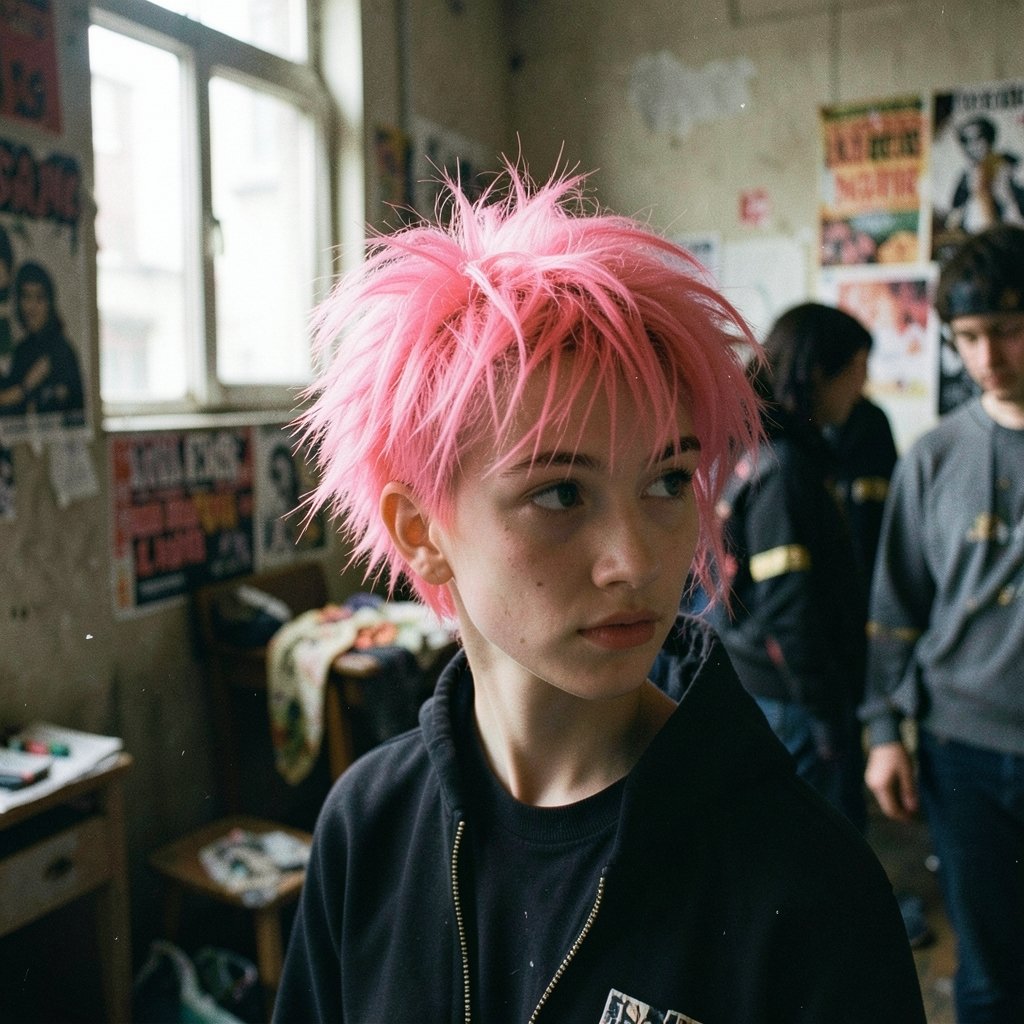
What makes pink hair so magnetic? It is bold without being aggressive, playful without being childish, and visible from across the street. Yet the same qualities that make pink hair striking also make it demanding. Pink fades faster than almost any other color, it requires a light base to show up properly, and the wrong shade can wash out a complexion in seconds. (Pink)
This guide covers the practical side of pink hair: how the color is actually created, which shade families suit which skin tones, what goes wrong during bleaching, how to keep the color from vanishing in two weeks, and what schools and workplaces tend to say about it. Whether someone is considering a first pastel dip or a full magenta transformation, the details below are the ones that matter.
Why Pink Hair Fades So Fast
Pink sits at the difficult end of the color spectrum. Red and violet dye molecules are among the largest used in hair color, and large molecules struggle to penetrate the hair shaft deeply. That means much of the pink pigment sits near the surface of the cuticle, where shampoo, sunlight, heat styling, and even water all chip away at it.
The practical consequence is that semi-permanent pink is a commitment to maintenance, not a one-and-done salon visit. Vivid shades may look strong for seven to ten days before the first visible shift. Pastels can wash out even faster, sometimes within three or four shampoos. Anyone who wants pink hair for a specific event should color it as close to the date as possible, not two weeks before.
There is a second reason pink fades unevenly. Because pink is usually deposited over pre-lightened hair, the porosity of that hair varies. Porous sections grab dye quickly and release it quickly; healthier sections hold less color but keep it longer. The result is a patchy fade that can look intentional on a vivid shade and messy on a pastel.
How Pink Hair Is Actually Made
Pink is rarely a single-product process. There are three main routes, and each produces a different result.
Bleaching first, then depositing color
This is the standard route for vivid and pastel pinks. The hair is lightened to a pale yellow or near-white level, then a pink dye is applied on top. The lighter the base, the truer and brighter the pink. Pastel shades generally require the lightest base because there is very little pigment in the dye itself to mask underlying warmth.
Diluting a red or magenta dye
Many colorists create custom pinks by mixing a concentrated red or magenta direct dye with conditioner or a clear mixer. This gives fine control over the exact tone, from a soft rose to a hot fuchsia. It is also the most common approach for maintaining pink between salon visits, since the same mixture can be used as a weekly color-depositing treatment.
Toning and glossing
For subtle rose or dusty pink results, a toner or gloss over lightened hair can add a pink cast without a full dye application. This fades quickly but is gentler and easier to reverse.
| Method | Base needed | Typical longevity | Best for |
|---|---|---|---|
| Bleach plus direct dye | Light blonde to near-white | 2 to 6 weeks with upkeep | Vivid, pastel, and creative shades |
| Diluted red or magenta dye | Medium blonde or lighter | 1 to 4 weeks | Custom tones and at-home upkeep |
| Toner or gloss | Lightened hair | 1 to 3 weeks | Subtle rose and low-commitment color |
Choosing a Pink That Suits the Person
Pink is not one color. The family ranges from cool, silvery mauves to warm, coral-leaning salmons, and the difference matters more than most people expect.
Cool pinks such as bubblegum, magenta, and icy rose tend to flatter cool undertones: skin that looks pink or bluish in natural light, with veins that read blue or purple. Warm pinks such as peach, coral, and salmon suit warm undertones: golden or olive skin, with veins that read green.
The most common mistake is choosing a shade from a photo without accounting for lighting. A pink that looks soft and wearable on a filtered social media post may read as neon under office fluorescents. Holding a wig or a swatch of the intended color up to the face in daylight is a far better test than any online shade chart.
There is also a contrast question. Very pale pastels can wash out people with low contrast between skin, eyes, and brows, while deep magentas can overwhelm very fair complexions. Mid-tone roses and dusty pinks are the safest starting points because they sit in the middle on both warmth and intensity.
The Bleaching Question Nobody Wants to Hear
Almost every vivid pink requires lightening, and lightening is where damage happens. The honest version: bleaching is a chemical process that alters the hair’s internal structure, and no amount of aftercare fully reverses it.
A few practical realities:
- Dark hair needs multiple sessions. Going from black or dark brown to the pale base required for pastel pink usually takes two or three separate lightening appointments spaced weeks apart. Trying to do it in one sitting is the single most common route to melted, gummy hair.
- Previously colored hair is unpredictable. Old box dye, henna, and darker permanent color can react badly with bleach. A strand test is not optional in these cases.
- Scalp sensitivity is real. Bleach on the scalp can burn. Professional application with proper protection matters, and anyone who feels stinging that does not subside should speak up immediately rather than tough it out.
- Patch testing is standard advice. Hair dye manufacturers and regulators consistently recommend patch tests before application because allergic reactions to dye ingredients, while uncommon, can be severe. The U.S. Food and Drug Administration publishes consumer guidance on hair dye safety that is worth reading before a first application.
The good news is that a skilled colorist can often reach a workable pink on medium-brown hair without going all the way to platinum, especially for deeper rose and magenta tones. Not every pink requires white-blonde hair.
Making Pink Last: A Realistic Care Routine
Color retention is where discipline pays off. The routine below is what actually moves the needle, in rough order of impact.
- Wash less often. Every wash removes pigment. Stretching to two or three washes a week makes a visible difference within a month.
- Use cool water. Hot water opens the cuticle and accelerates dye loss. Cool rinses help seal the cuticle after conditioning.
- Switch to sulfate-free shampoo. Harsh detergents strip direct dyes quickly. Sulfate-free formulas are gentler on deposited color.
- Add a color-depositing mask weekly. A pink-tinted conditioner or a custom mix of dye and mask refreshes the tone and evens out fade.
- Cut back on heat styling. Flat irons and hot tools at high settings degrade both the color and the bleached hair underneath it.
- Protect from sun and chlorine. UV light fades pink noticeably, and pool chlorine is notoriously harsh on lightened hair. A swim cap and a UV protectant are cheap insurance.
A realistic expectation: with this routine, a vivid pink might hold strong for three to four weeks and remain presentable for six. Without it, two weeks is optimistic.
Pink Hair in Culture and Subculture
Pink hair has carried different meanings in different eras. Brightly dyed hair, including pink, became associated with the London punk scene in the late 1970s and spread through new wave and post-punk music. In the decades since, it has been adopted by pop stars, anime and manga character design, and cosplay culture, where pink wigs in synthetic fibers are standard equipment.
The color’s cultural meaning has also softened. What once read as rebellion now reads, in many contexts, as creative or expressive. That shift is why pink hair appears in workplaces and schools that would have rejected it outright a generation ago. A useful overview of how subcultural style moves into the mainstream can be found in histories of punk fashion, and broader context on how dress codes and self-expression interact is covered in general references on fashion and identity.
School, Work, and Dress Codes
Dress code rules on unnatural hair colors vary enormously by country, institution, and industry. Some schools prohibit them outright; others are silent; many enforce rules inconsistently. Workplaces in creative fields, tech, hospitality, and retail tend to be more permissive than client-facing corporate or legal environments.
The practical advice is unglamorous but effective: check the written policy before coloring, not after. Ask how the policy is enforced, as well as what the rule says on paper. And consider a shade that can be toned down or covered for interviews and formal events. A deeper rose that reads as a warm brown in low light is a very different professional proposition from a neon fuchsia.
Common Mistakes and What to Do Instead
Most pink hair disappointments trace back to a handful of avoidable errors.
| Mistake | Why it fails | Better approach |
|---|---|---|
| Bleaching dark hair in one session | Structural damage, breakage | Space sessions over several weeks |
| Choosing a shade from a photo | Lighting and filters distort color | Test a swatch in daylight |
| Skipping the patch test | Risk of allergic reaction | Always patch test 48 hours ahead |
| Washing daily with harsh shampoo | Strips dye within days | Sulfate-free, cool water, less frequent |
| No color-depositing upkeep | Fade looks patchy and tired | Weekly tinted mask |
| Ignoring porosity differences | Uneven color uptake | Ask for a porosity check before dyeing |
Conclusion
Pink hair rewards planning more than almost any other color choice. The shade family should match undertone and contrast, the base has to be light enough for the intended tone, and the upkeep routine has to be realistic before the first appointment, not after. Bleaching is the step where things go wrong, so spacing sessions and testing strands is not caution for its own sake; it is what separates a color that lasts from one that ends in a haircut.
For anyone willing to do the maintenance, pink remains one of the most expressive and genuinely fun colors available. It just asks for honesty about commitment, a good colorist, and a shelf of sulfate-free products.
Frequently Asked Questions
How long does pink hair last?
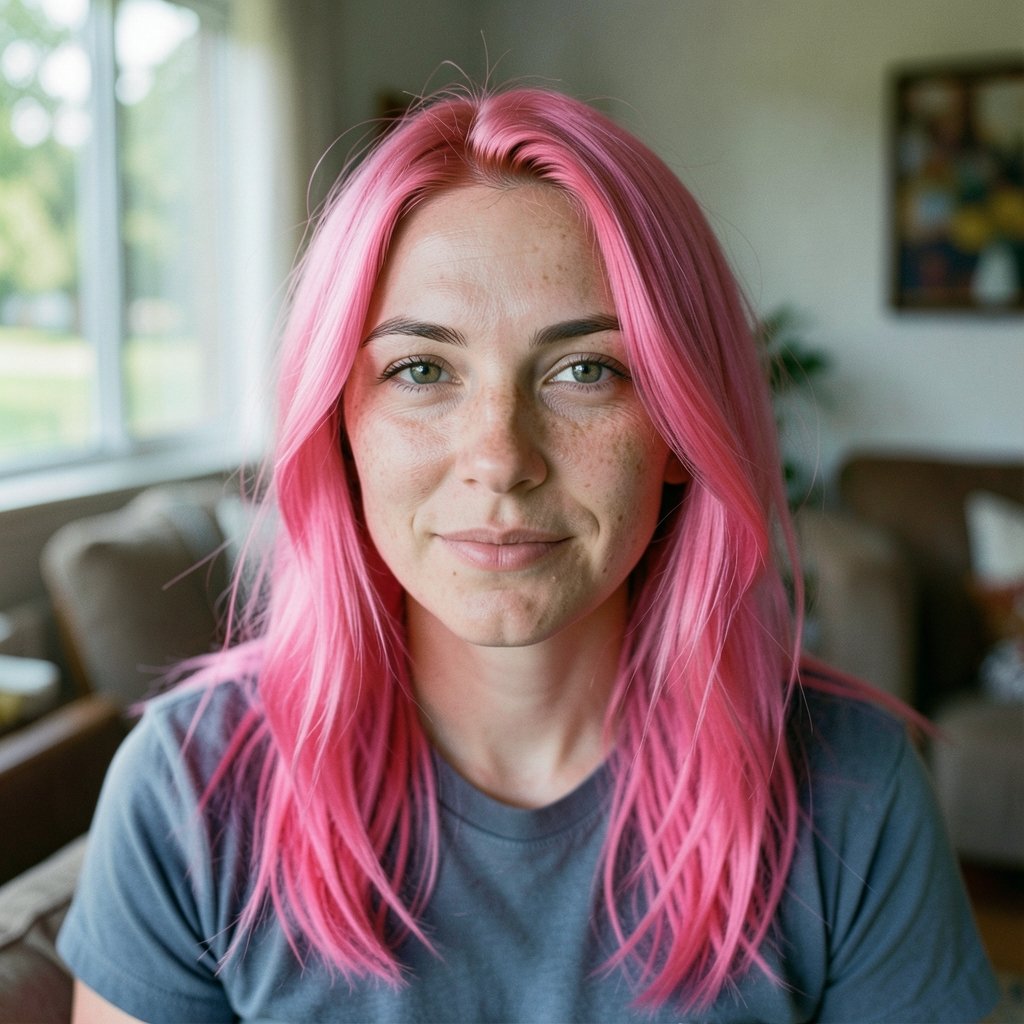
Vivid pink typically looks strong for two to four weeks and remains presentable for up to six with a color-depositing routine. Pastel shades fade faster, sometimes within three to four washes. Longevity depends heavily on how often the hair is washed, water temperature, and heat styling habits.
Can pink hair be achieved without bleaching?
Only on hair that is already light blonde or naturally very light. On medium-brown or darker hair, most pinks will read as a subtle tint or disappear entirely. Deeper magenta and rose tones can sometimes be deposited over medium-brown hair for a visible but muted result, but vivid and pastel pinks require a lightened base. (Hair Dyes)
Does pink hair damage hair?
The pink dye itself is usually gentle, especially direct dyes and tinted masks. The damage risk comes from the bleaching required to prepare the hair. Bleach alters the hair’s structure, and repeated or rushed lightening can cause breakage. Spacing sessions and using bond-building treatments reduces the risk but does not eliminate it.
How often should pink hair be touched up?
Most people benefit from a salon refresh every four to six weeks, with at-home color-depositing masks in between. Anyone washing daily or swimming regularly will need more frequent touch-ups. Waiting until the fade looks obviously patchy usually means more work to correct it.
Is pink hair acceptable in schools and workplaces?
It depends entirely on the institution’s written dress code and how consistently it is enforced. Creative, tech, and hospitality environments are generally more permissive than corporate or legal settings. Checking the policy in writing before coloring, and choosing a deeper shade that can be toned down, reduces the risk of problems.
What is the best pink shade for a first attempt?
A mid-tone rose or dusty pink is the safest starting point because it sits between warm and cool and does not demand the lightest possible base. Very pale pastels and neon fuchsias are the two extremes that most often disappoint first-timers. Testing a swatch in daylight before committing is the single most useful step.