
Paris Fashion Week Spring 2027: What Will Shape What You Wear Next Year
 Abdul WadoodLast updated
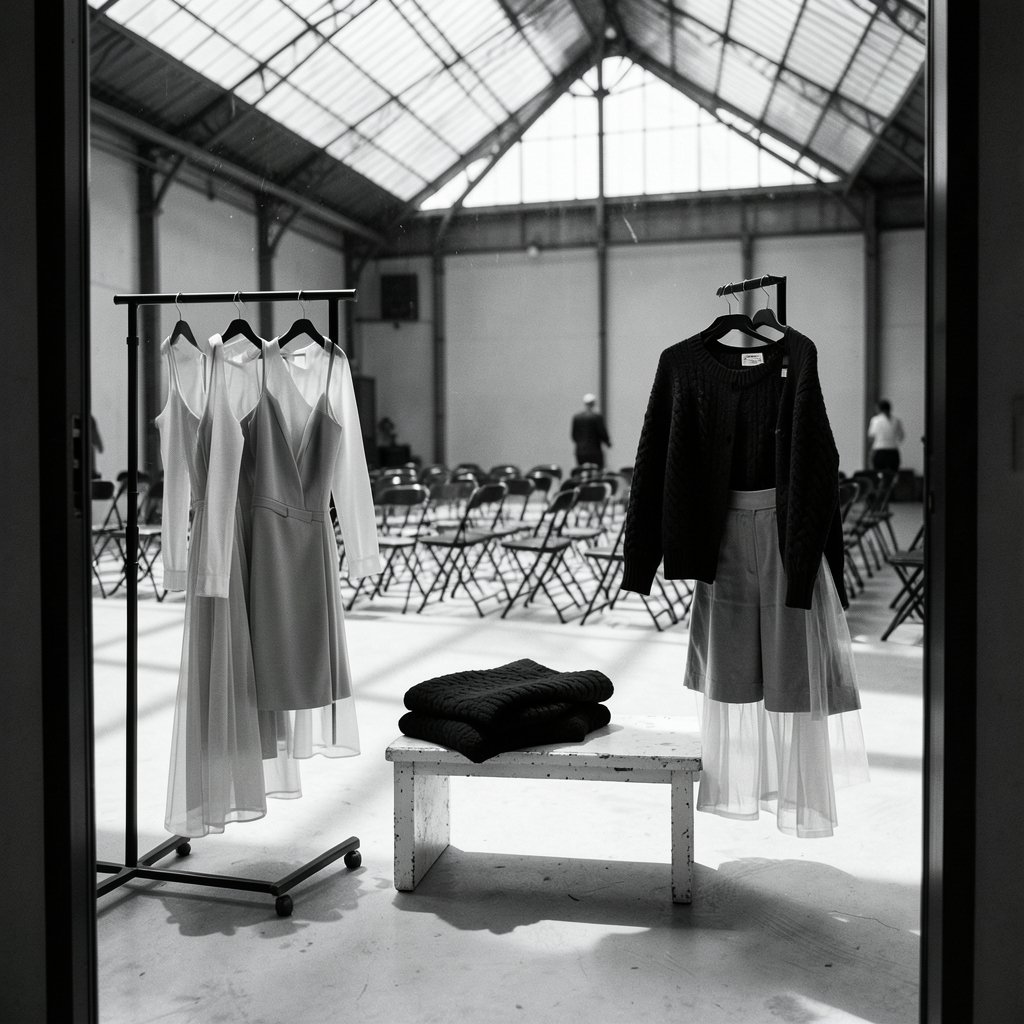
Paris Fashion Week has long been the closing act of the womenswear season, and for good reason. The Fédération de la Haute Couture et de la Mode typically stages around 70 to 80 official shows and presentations across roughly nine days each season, drawing thousands of editors, buyers, and stylists from around the world. The Spring/Summer 2027 womenswear calendar follows that same rhythm, landing at the end of the September-to-October window after New York, London, and Milan have had their say. What happens in Paris tends to settle the argument the other cities started.
This season is not really about one viral moment. It is about a mood shift. After several years of loud maximalism, logomania, and runway stunts designed for the vertical video feed, the Spring 2027 collections leaned into something quieter and more wearable. Call it a correction, not a revolution. Designers still want attention, but they are chasing it with cut, fabric, and proportion rather than spectacle.
The Big Picture: A Season of Restraint
The defining story of Paris Spring 2027 is restraint with intention. Tailoring returned in force, but softer than the power-shoulder revivals of past seasons. Blazers were longer, shoulders rounder, and trousers fuller. Many houses sent out monochrome looks in oat, stone, and washed black, letting texture do the talking instead of print.
This tracks with a broader consumer mood. Shoppers have grown cautious, and luxury houses know it. Collections that read as “investment pieces” rather than “one-season statement” resonate with buyers who are planning wardrobes more carefully. The return of minimalism has been building for a few seasons now, and Spring 2027 looks like the moment it fully took hold across the Paris schedule. You can see the same thread running through the return of minimalism in modern fashion, where clean lines and neutral palettes have moved from niche preference to mainstream expectation.
The practical takeaway for anyone watching from home: if you already own a well-cut blazer, wide-leg trousers, and a good white shirt, you are ahead of the curve. This is a season that rewards editing rather than adding.
The Runway Moments That Dominated the Conversation
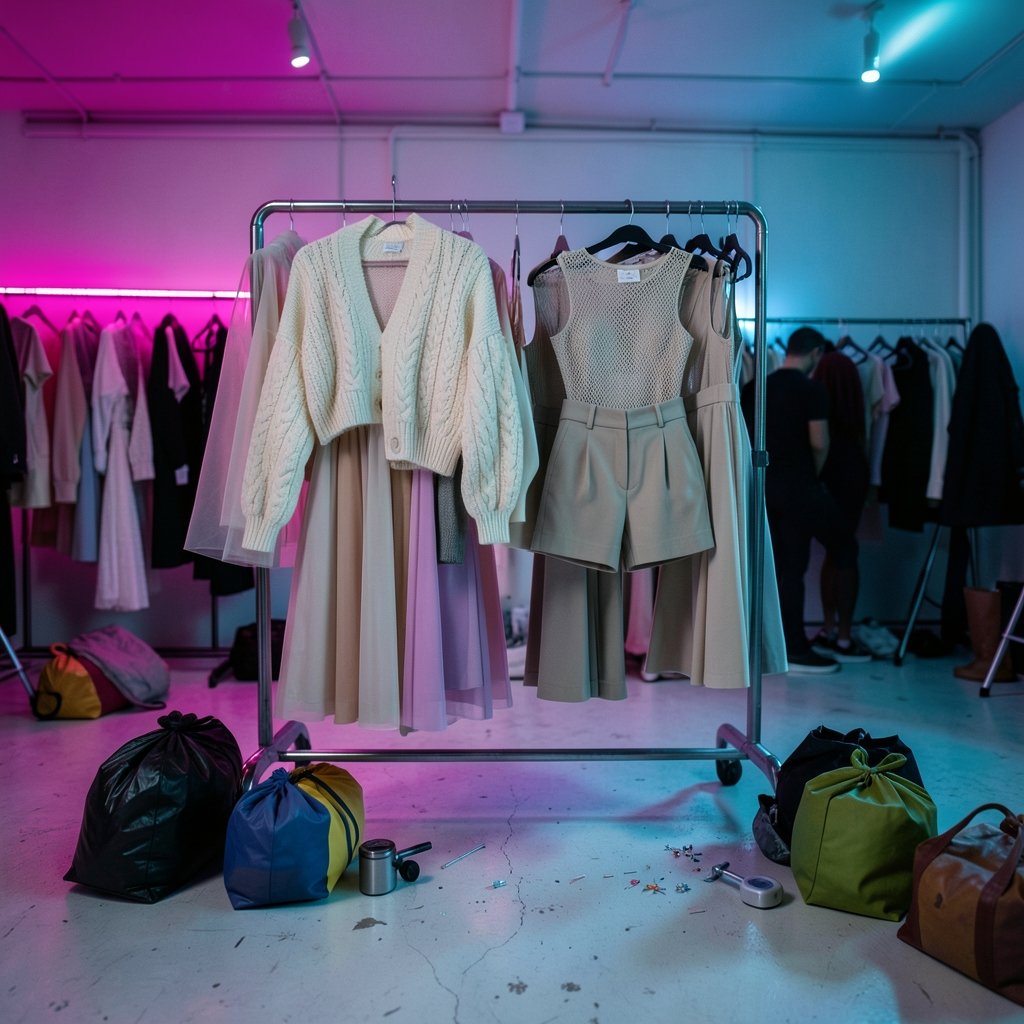
Every Paris season produces a handful of images that travel further than the shows themselves. Spring 2027 was no exception.
Sheer Layering, Refined
Sheer fabrics have been everywhere for several seasons, but the Paris runways pushed them toward something more wearable. Instead of single transparent layers over bare skin, designers stacked sheers: a gauzy overlay on a structured dress, a translucent skirt over tailored shorts, a mesh top under a knit. The effect is softer and far more practical for daylight.
Sculptural Knitwear
Knitwear moved from background player to headline act. Oversized cable knits, open-weave dresses, and sculptural sleeves appeared across multiple houses. The appeal is obvious: knitwear photographs beautifully, feels luxurious, and sells. Expect high-street versions within months.
The Return of Color, Carefully
After a largely neutral season, a few houses broke ranks with bold color, especially saturated reds, butter yellows, and deep cobalt. The trick was that color appeared in single, head-to-toe blocks rather than mixed prints. One dress, one color, no distractions.
For a broader look at how the season’s standout looks were assembled across cities, the fashion week roundup of the best looks is a useful reference point, especially if you want to compare Paris against what Milan and London sent out. (Fashion Shows)
Street Style: Where the Real Trends Live
If the runways set the agenda, the pavement outside the venues tells you what people will actually wear. Paris street style this season was more relaxed than in previous years. Attendees leaned into denim, oversized outerwear, and flat shoes, with sneakers appearing even at the most formal shows.
The most photographed details were practical ones: structured leather bags, slim sunglasses, and a return to ankle boots over statement heels. Layering was everywhere, partly because early-October Paris weather is unpredictable and partly because layering is the easiest way to look considered without looking try-hard.
Milan’s street style scene has been running a parallel conversation, and the two cities are clearly influencing each other. If you want to see how the Italian approach compares, street style from Milan Fashion Week offers a useful contrast: Milan tends toward sharper tailoring and bolder accessories, while Paris favors ease and understatement.
What Actually Works in Practice
Watching street style is easy; translating it is harder. A few practical notes from people who cover these shows season after season:
- Invest in outerwear first. The most photographed attendees almost always wear one strong coat. It carries an entire outfit.
- Skip the head-to-toe designer look. Mixing high and low reads as more modern and photographs better.
- Choose comfortable shoes. You will walk more than you expect, and visible discomfort ruins the look.
- Repeat your best pieces. The people who look most confident are usually wearing things they have worn before.
The common mistake is treating street style as a shopping list. It works better as a mood board. Pick two or three ideas that fit your existing wardrobe rather than rebuilding from scratch.
Beauty and Grooming: The Finishing Note
Beauty looks in Paris this season were deliberately low-key. Skin was luminous rather than heavily contoured, lips were mostly bare or softly tinted, and hair was worn natural, often with a slight wave. The message was clear: the clothes were doing the work, and the beauty was there to support them, not compete.
There were exceptions, of course. A few shows used graphic eyeliner or bold lips as a deliberate contrast to minimal clothing. But the dominant look was fresh, healthy, and achievable. For a deeper dive into the season’s beauty direction, spring makeup trends covers the shades and techniques that carried over from the runways into everyday wear.
The Models Who Defined the Season
Casting is often the quiet story of fashion week. Spring 2027 saw a continued push toward diverse casting, with a noticeable increase in models over 30 and a broader range of body types on the Paris runways. Several houses opened and closed their shows with faces that had been absent for a few seasons, a deliberate move toward experience over novelty.
New faces still broke through, particularly in the smaller presentations and showroom appointments that run alongside the official calendar. If you follow individual careers, model profiles and industry coverage tracks the names gaining momentum each season, which is often a better predictor of who will dominate campaigns six months later than the headline shows themselves.
What Buyers Are Actually Ordering
Runway buzz and retail reality are not the same thing. Buyers in Paris this season focused on pieces that could sell at full price: coats, knitwear, tailored trousers, and bags. Eveningwear orders were more cautious, with many retailers trimming formal categories in favor of pieces that can be worn across occasions.
| Category | Buyer Interest | Notes |
|---|---|---|
| Outerwear | Very high | Long coats and soft tailoring led orders |
| Knitwear | High | Sculptural and oversized shapes performed best |
| Tailoring | High | Wide-leg trousers and relaxed blazers |
| Eveningwear | Moderate | Fewer orders, more selective buying |
| Statement accessories | Moderate | Bags outperformed shoes |
This is a useful signal for anyone planning a wardrobe. The pieces retailers are betting on are usually the ones that hold up across seasons, and they tend to be the safest investments for consumers too.
The Designers Worth Watching
A handful of houses generated the most conversation. Established names delivered polished, commercially confident collections, while younger labels used their slots to push silhouettes and experiment with fabric. The gap between the two groups is narrowing, partly because emerging designers are increasingly focused on wearability rather than shock value.
Paris remains the most competitive stage in the world for womenswear, and the pressure shows. Some collections felt over-edited, as though too many opinions had shaped them. Others benefited from a clear, single idea carried through every look. The strongest shows this season were the ones that committed fully to one direction rather than trying to cover every trend.
For a closer look at the season’s most memorable individual looks, the standout moments from Paris Fashion Week breaks down the images that circulated most widely, along with the details that made them work. (Paris Fashion Week)
How to Read a Fashion Week Season Without Getting Overwhelmed
Fashion week generates an enormous volume of content in a very short window. Most of it is noise. A few habits help separate signal from spectacle:
- Wait a week before forming an opinion. The looks that still feel interesting seven days later are usually the ones that matter.
- Follow the buyers as closely as the editors. What gets ordered tells you what will actually appear in stores.
- Watch the shoes and bags. Accessories are where trends become commercially visible first.
- Ignore the outrage cycle. Every season produces a “controversial” look that is forgotten within a month.
The most common mistake people make is treating every viral runway moment as a trend. Most are performance. The real trends are the ones that appear across multiple houses, in slightly different forms, without anyone announcing them. If three designers independently send out wide-leg trousers, that is a trend. If one designer sends out a dress made of mirrors, that is a headline.
Conclusion
Paris Fashion Week Spring 2027 will not be remembered for shock value. It will be remembered as the season the industry quietly agreed that wearability matters again. Tailoring softened, knitwear stepped forward, color returned in disciplined blocks, and street style moved toward comfort without losing polish. For anyone building a wardrobe rather than chasing a moment, that is good news. The ideas coming out of Paris this season are the kind you can actually use: a better coat, a fuller trouser, a knit you will reach for every week. Trends fade fast, but a well-chosen wardrobe built on these principles tends to outlast the noise.
Frequently Asked Questions
When does Paris Fashion Week Spring 2027 take place?
The Spring/Summer 2027 womenswear shows fall at the end of the September-to-October window, following New York, London, and Milan. Paris traditionally closes the womenswear season, which is why its dates sit last on the calendar.
What were the biggest trends at Paris Fashion Week Spring 2027?
The dominant themes were soft tailoring, sculptural knitwear, refined sheer layering, and disciplined use of bold color in single blocks. Overall, the season favored understated, wearable pieces over spectacle.
Is minimalism really back?
Yes, in a practical sense. Clean lines, neutral palettes, and investment pieces dominated both the runways and buyer orders. It is less a dramatic revival and more the culmination of a shift that has been building for several seasons.
How is Paris different from Milan Fashion Week?
Milan tends toward sharper tailoring and bolder accessories, while Paris favors ease, understatement, and softer silhouettes. Both cities influence each other, but the overall mood in Paris this season was noticeably more relaxed.
What should I actually buy from these trends?
Start with outerwear, knitwear, and tailored trousers. These categories drew the strongest buyer interest and hold up across seasons. Skip anything that only works as a single statement look.
Do runway trends translate to high-street stores?
Usually within three to six months, and often in simplified form. Knitwear, wide-leg trousers, and neutral tailoring are the easiest trends for high-street brands to reproduce quickly, so expect those first.