
Numbing Cream for Tattoos: What Works & What’s Risky
 Abdul WadoodLast updated

Here’s a number that surprises most people: a single session on a large back piece can run six to eight hours, with the needle punching the skin roughly 50 to 3,000 times per minute depending on the machine. That’s a lot of nerve endings getting hit. So it makes sense that searches for numbing cream for tattoos have climbed steadily as tattoos move from a niche subculture into the mainstream. But the gap between what people hope these creams will do and what they actually deliver is wide, and in some cases, the risks are real. This guide walks through how numbing creams work, where the safety lines sit, why many tattoo artists flat-out refuse to work on numbed skin, and how to make a sensible decision before your appointment. (Tattoo)
How numbing creams actually work
Most over-the-counter tattoo numbing creams rely on lidocaine, a local anesthetic that blocks sodium channels in nerve endings. Block those channels and pain signals stop traveling to the brain. It’s the same basic mechanism dentists use, just applied to skin instead of gums.
The catch is concentration and absorption. In the United States, OTC topical analgesics are limited to 4% lidocaine under the FDA’s over-the-counter monograph for external analgesics. Anything stronger, like the 5% lidocaine patches you might recognize from a pharmacy shelf, is a prescription product. That regulatory ceiling exists for a reason: the body absorbs lidocaine through skin, and more is not automatically better.
Some products use benzocaine instead. That ingredient carries a specific warning flag, which we’ll get to shortly.
The occlusion trick
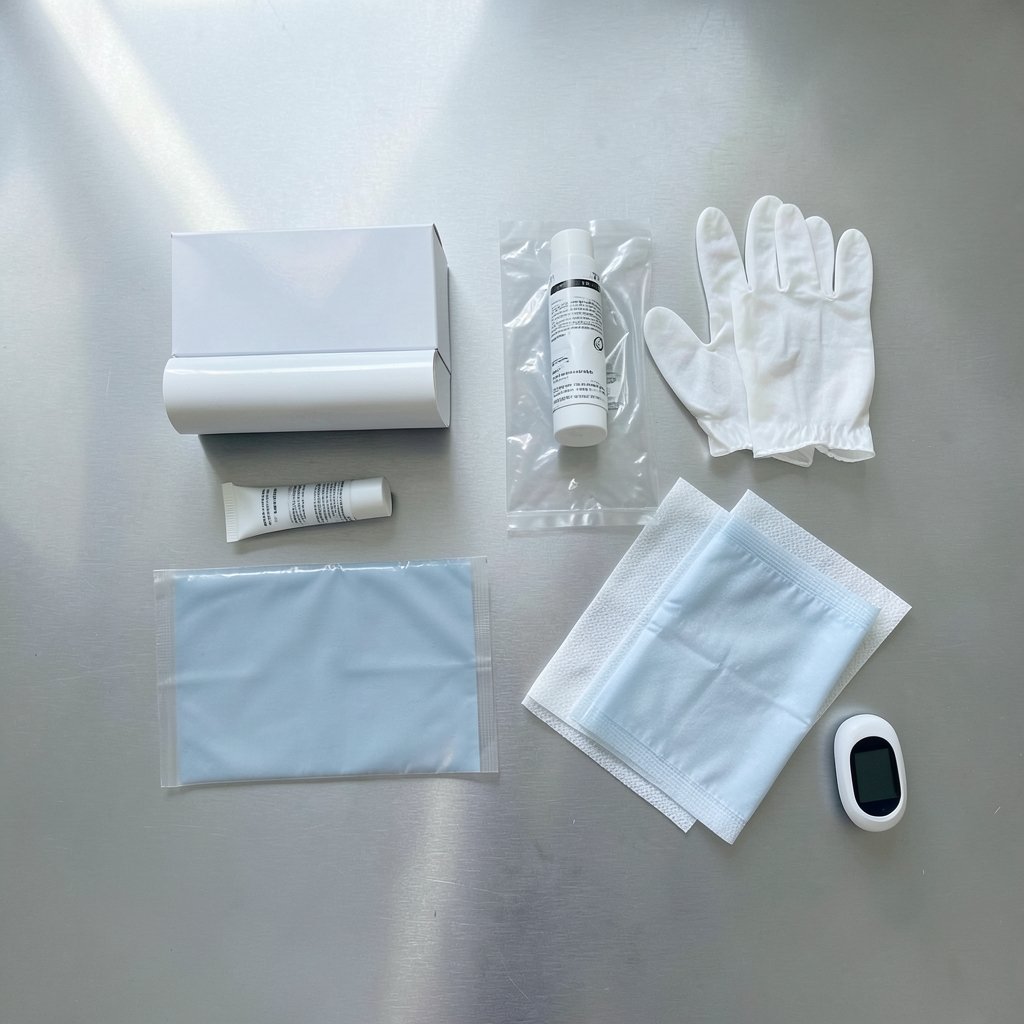
Labels typically direct users to apply the cream 30 to 60 minutes before a procedure and cover the area with plastic wrap, a practice called occlusion. Occlusion traps moisture and heat, which increases how much anesthetic crosses into the skin. It also increases systemic absorption, meaning more of the drug reaches your bloodstream rather than staying local. That’s the trade-off nobody puts on the front of the box.
The safety picture is more serious than the marketing suggests
Regulators have repeatedly flagged adverse events from topical anesthetics, including a condition called methemoglobinemia, where blood loses its ability to carry oxygen properly. Cases have been serious enough to include deaths, particularly when products were applied to large surface areas or left under occlusion for long periods. Benzocaine has been specifically linked to methemoglobinemia risk, and children are especially vulnerable.
Read that again in the context of a full back piece. A large surface area, wrapped in plastic, sitting for hours: that’s precisely the scenario where absorption climbs. The FDA advisories and the product labels aren’t contradicting each other so much as describing different use cases. A small cream on a small area, used as directed, is a different risk profile from a whole tube slathered across a shoulder blade and sealed under cling film.
Practical guidance that actually holds up:
- Patch test first. Apply a small amount to your inner forearm 24 hours before the session. Redness and itching are common; swelling or a rash means stop.
- Never reapply repeatedly during a long session without checking the label. More cream does not mean more numbness; it means more absorbed drug.
- Don’t combine products. A lidocaine cream plus a benzocaine spray plus an oral painkiller is a recipe for a bad afternoon.
- Respect the time limits on the label. If it says leave on for 60 minutes, don’t leave it on for three hours hoping for deeper numbness.
- Talk to a pharmacist if you take prescription medications, have liver or heart conditions, or are pregnant. This is not the place for internet guesswork.
If you’re comparing specific products, a breakdown like this guide to Flamingo hair removal cream: what to know before buying – Voozon — Discover, Review & Explore shows how to read ingredient lists and warning labels critically, and the same scrutiny applies to anything you put on broken or soon-to-be-broken skin.
Why many tattoo artists say no
Walk into a studio and ask about numbing cream, and you’ll get one of three answers: “sure, if you follow my instructions,” “no,” or a long sigh. The refusal isn’t arbitrary.
Artists report that numbed skin behaves differently. It can feel rubbery or swollen, which changes how the needle enters and how ink settles. Some describe the skin as less responsive, making it harder to judge depth. There’s also a practical issue: if the cream wears off mid-session, the client can crash from comfortable to miserable in minutes, and the artist is now working on someone who is tense, moving, and unhappy.
Many studios have simply banned pre-session numbing creams outright. Others allow them only with prior approval and specific timing instructions. Ask your artist before you buy anything. This is the single most common mistake people make: they spend forty dollars on a cream, apply it in the parking lot, and get turned away or lectured at the door.
What artists tend to allow instead
| Approach | When it’s used | Artist sentiment |
|---|---|---|
| No numbing at all | Most sessions | Neutral to preferred |
| Lidocaine cream, pre-approved | Large pieces, low pain tolerance | Mixed; often tolerated with rules |
| Numbing spray or gel mid-session | After outlines, on already-broken skin | More accepted, but check the product |
| Distraction and breaks | Any session | Universally welcomed |
The mid-session option deserves a note. Once the skin is broken, absorption changes again, and applying anesthetic to an open wound is a different risk category than applying it to intact skin. Some artists keep lidocaine-based gels on hand for this; others won’t touch it. Either way, it’s their call in their studio.
What the evidence actually supports
Here’s where honesty matters. There is very little robust, peer-reviewed research specifically on numbing creams for tattooing. Most of what’s known comes from dermatologic procedures like laser treatments and minor surgeries, where topical anesthetics have a reasonable evidence base. Extrapolating that to a six-hour tattoo session on a large area is exactly that: extrapolation.
What the research does support is that topical lidocaine reduces pain in superficial procedures when used at appropriate doses. What it does not support is the idea that a cream will make a tattoo painless. Most users describe a reduction, not an elimination. The outline still stings. The shading still aches. The ribs still hurt.
Anyone promising a completely pain-free tattoo is selling something.
Practical tips that make a real difference
If you’ve decided to use a numbing cream and your artist has approved it, here’s how to do it without drama.
- Confirm with the artist at least a week ahead. Get their specific instructions on brand, timing, and coverage area.
- Patch test 24 hours before. No exceptions, especially if you’ve never used a topical anesthetic.
- Apply exactly as the label and your artist direct. Usually 30 to 60 minutes before, thin layer, covered if instructed.
- Bring the packaging. If a reaction happens, the artist and any medical responder need to know what’s in it.
- Eat and hydrate beforehand. A shocking number of tattoo fainting episodes come down to low blood sugar, not pain.
- Plan for the wear-off. Know roughly when the numbness fades so you’re not blindsided.
Common mistakes worth naming: applying cream to a freshly shaved and irritated area, layering multiple products, leaving occlusion on far too long, and assuming that because a cream is sold online it must be fine. Regulations differ sharply by country. In much of Europe and the UK, lidocaine topical products are often pharmacy-only or prescription-only above certain strengths, so what arrives in the mail may not be what the label claims.
If you’re the kind of person who reads the fine print on personal care products, this review of Flamingo hair removal cream: what to know before buying – Voozon — Discover, Review & Explore is a useful reminder that “gentle” and “safe” are marketing words until you check the ingredients yourself.
Alternatives worth considering
Numbing cream isn’t the only lever you can pull, and for many people it isn’t the best one.
Timing and session length. Breaking a large piece into two or three shorter sessions often beats one marathon sitting. Shorter sessions mean less cumulative pain and less temptation to overuse numbing products.
Placement matters more than any cream. Fleshy areas like the outer forearm and calf hurt far less than ribs, sternum, feet, and the ditch of the elbow. If pain is your main worry, choose your placement with that in mind.
Sleep, food, and hydration. Being well-rested and fed genuinely changes how people experience pain. It’s unglamorous advice, and it works.
Breathing and distraction. Slow, deliberate breathing through the worst passes is a skill, and it’s learnable. Podcasts, music, and conversation all help.
Topical lidocaine from a pharmacy, used per label, for people who’ve confirmed with their artist. This is the moderate path, and for many it’s enough.
The best pain management plan is the one your artist agrees to before you walk in.
Conclusion
Numbing cream for tattoos is neither a miracle nor a scandal. It’s a tool with a narrow safe-use window, a modest effect, and a set of real risks that grow with surface area and occlusion time. The regulatory ceiling on OTC lidocaine exists because absorption is real. The FDA warnings about methemoglobinemia exist because the worst cases were serious. And the skepticism from tattoo artists exists because they’ve watched numbed skin behave in ways that make their job harder.
The sensible play is boring and effective: ask your artist first, patch test, follow the label exactly, don’t stack products, and go in rested and fed. If your artist says no, respect it. They’re the one holding the machine, and their studio, their rules. Do that, and the cream becomes a small comfort rather than a complication.
Frequently asked questions
Does numbing cream make a tattoo completely painless?
No. Most people report a noticeable reduction in pain, not an absence of it. Outlining, shading over bony areas, and long sessions still hurt. Anyone promising a fully pain-free experience is overselling.
Can I use numbing cream without telling my tattoo artist?
You can, but you shouldn’t. Many studios ban pre-session numbing creams or have specific timing rules, and some artists will refuse to work on numbed skin because it changes texture and ink absorption. Confirm beforehand or risk losing your deposit.
Is lidocaine numbing cream safe?
At OTC concentrations and used as directed on small areas, it has a long safety record. Risk rises with large surface areas, prolonged occlusion, repeated reapplication, and combining products. Regulators have documented serious adverse events, including methemoglobinemia, under exactly those conditions.
How long before a tattoo should I apply numbing cream?
Most labels direct 30 to 60 minutes before the procedure, often under occlusion. Follow the specific product label and your artist’s instructions rather than a general rule, and never leave it on longer than directed in hopes of deeper numbness.
Why do some tattoo artists refuse numbing cream?
Artists commonly report that numbed skin feels rubbery or swollen, which affects needle depth and how ink settles. They also worry about the cream wearing off mid-session and about liability. It’s a studio policy decision, not a universal medical verdict.
Are prescription-strength numbing creams better for tattoos?
Stronger isn’t automatically better. Higher-concentration lidocaine products are prescription-only in the US for a reason, and greater absorption means greater systemic risk. A prescription product used without medical supervision on a large area is a genuinely bad idea.