
New York Fashion Week Spring 2027: What Defined the Season
 Abdul WadoodLast updated
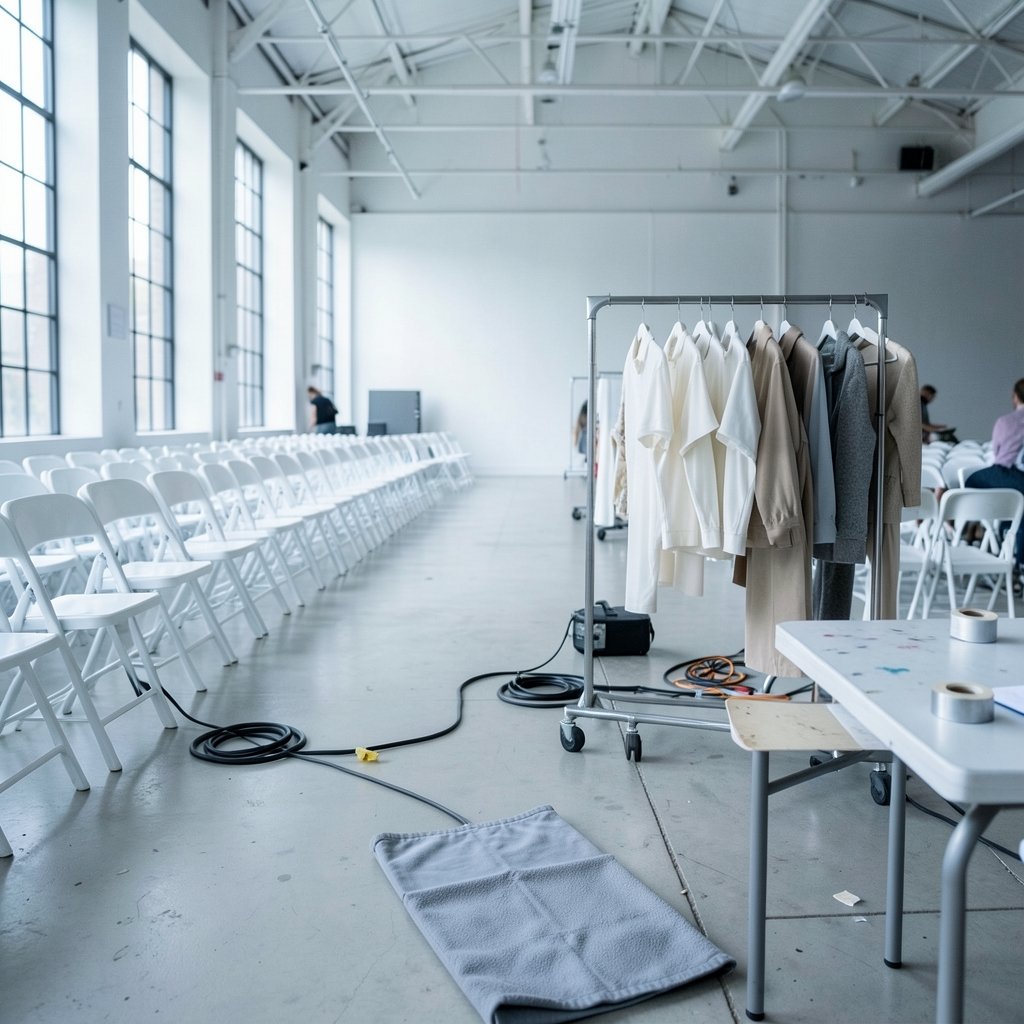
Roughly 300 shows and presentations fill a typical New York Fashion Week calendar, according to figures the Council of Fashion Designers of America has cited in past seasons. That volume tells you something important: “highlights” at NYFW are never just about the biggest names. They are about the moments that shift how people dress, shop and talk about style for the next six months.
The Spring 2027 season, shown in September 2026, arrived at a strange crossroads for American fashion. Retail was cautious. Independent labels were leaner than ever. And the industry’s center of gravity kept drifting between heritage houses and young studios running on tight budgets and loud ideas. What follows is a grounded look at the season’s defining threads, the practical lessons for anyone watching closely, and the questions buyers and fans kept asking. Not every runway moment deserves a headline — but the ones below earned their place.
The Schedule Shuffle: Fewer Shows, Sharper Focus
One of the quieter stories of Spring 2027 was structural. New York’s calendar has been consolidating for several seasons, with a mix of established houses staging destination shows and smaller labels clustering into shared presentation slots. The CFDA has publicly discussed streamlining the schedule to protect editors’ and buyers’ time, and that philosophy was visible again this season.
The practical effect is worth understanding. When the calendar tightens, three things happen:
- Smaller labels get squeezed out or pushed into group presentations and showroom appointments.
- Buyers consolidate appointments, which means a single strong collection can capture more attention than a scattered schedule once allowed.
- International press attention concentrates, making a handful of shows genuine global moments rather than a month-long blur.
For anyone tracking the season from home, this matters because the shows that survive a leaner schedule are usually the ones with real commercial backing or genuine cultural momentum. If you want a sense of how this compression plays out across different fashion capitals, the street-level energy captured in this Milan Fashion Week street style roundup shows how much of a season’s real story happens outside the venue doors.
American Sportswear Gets a Refresh
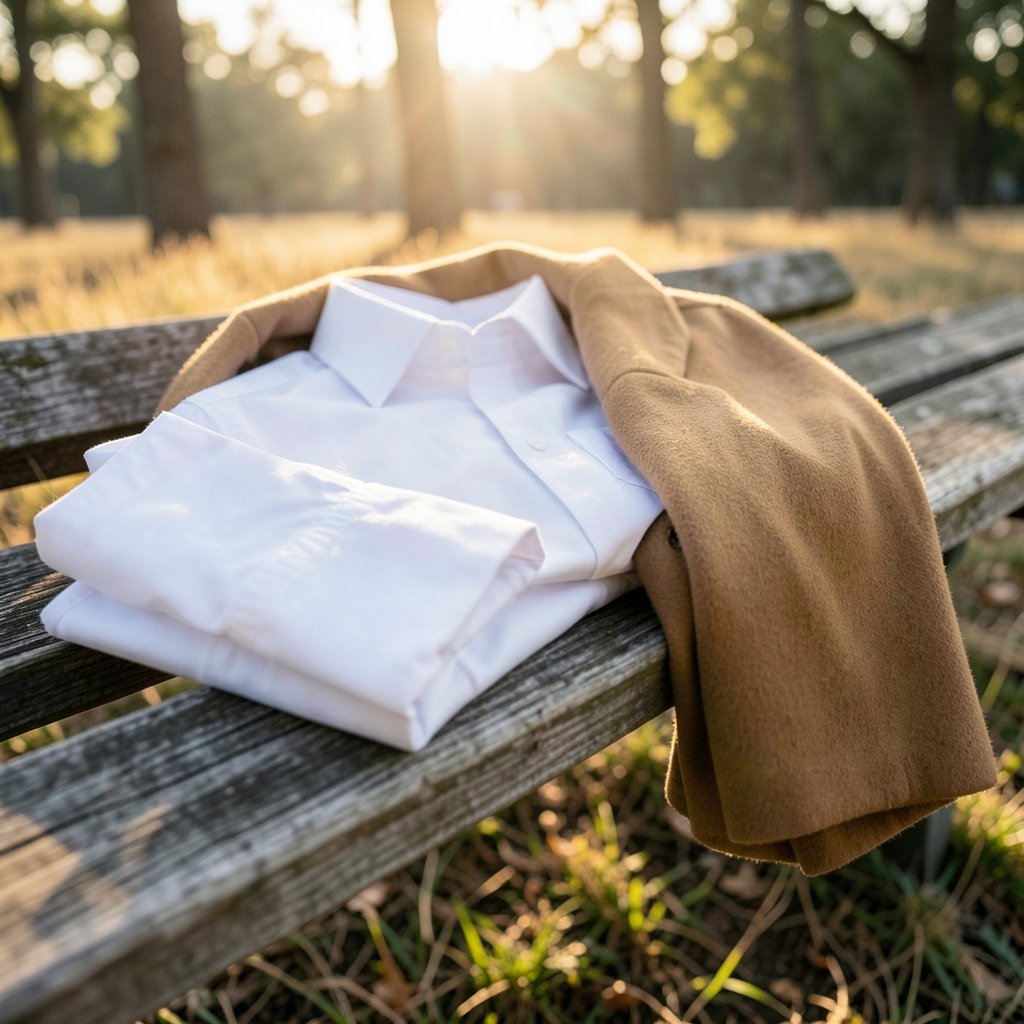
If there was a single through-line across Spring 2027, it was a renewed argument for American sportswear — not the nostalgic kind, but a modern, wearable version built for real life. Designers leaned into separates: crisp shirting, relaxed tailoring, jersey dresses that move. The mood was less about fantasy and more about clothes people could actually build a wardrobe around.
This tracks with a broader consumer shift. After years of logomania and event dressing, shoppers have been gravitating toward pieces with staying power. The return of clean lines and considered minimalism has been building for a while, and it showed up clearly in this season’s most-discussed collections. You can see the same instinct in this analysis of the return of minimalism in modern fashion — the appetite for restraint is not a passing trend but a correction.
What “Wearable” Actually Looked Like
In practice, the strongest collections shared a few traits:
- Fabric over embellishment. Designers let texture do the work — washed silks, brushed cotton, matte jersey.
- Neutral palettes with one jolt. Think oatmeal, stone and black, broken by a single saturated piece.
- Flat shoes everywhere. Ballet flats, low slingbacks and clean sneakers dominated, a signal that comfort is no longer a compromise.
Comfort stopped being a dirty word on the runway. That is a meaningful shift for an industry that spent a decade selling discomfort as glamour.
The New Guard: Independent Labels Steal the Conversation
Every season has a breakout story, and Spring 2027’s belonged to independent designers working with limited resources and unusually clear points of view. With fewer mega-productions on the calendar, smaller studios got breathing room to stage intimate presentations that generated outsized word of mouth.
The pattern is familiar to anyone who follows fashion cycles. When big houses play it safe, the energy migrates to the edges. Young labels take risks with silhouette, styling and casting, and the images travel faster than any runway review. This is also why the best fashion week roundups of the season’s standout looks tend to mix heritage names with newcomers — the conversation is no longer owned by a single tier of the industry.
Why Independents Matter to the Whole Industry
There is a practical reason to pay attention to smaller labels beyond the aesthetics. Independent studios are where new silhouettes get tested before they reach the mainstream. The oversized blazer, the barrel-leg trouser, the visible seam — all of these started small before they became mall staples. Watching the new guard is essentially watching next season’s retail floor in prototype form.
Casting and Representation: Slow, Uneven Progress
Casting remains one of the most scrutinized aspects of any fashion week, and Spring 2027 delivered a mixed picture. Runways showed broader age and body diversity than a decade ago, but the gains were uneven across shows. Some houses made inclusivity central to their casting; others reverted to a narrow default.
The takeaway for observers is to look past a single show. Track patterns across the week. When a handful of designers commit to varied casting season after season, it starts to influence agency rosters and, eventually, what brands shoot for campaigns. Progress in this area has always been incremental, and the shows that lead tend to pull the rest along.
Beauty and Styling: The Details That Travel
Runway beauty often gets treated as an afterthought, but Spring 2027’s hair and makeup told a coherent story: skin looked like skin, hair looked deliberately undone, and color was used sparingly. Dewy finishes, brushed-up brows and a single bold lip appeared repeatedly, a look that translates easily from runway to real life. (Vogue Runway)
That translation matters commercially. Beauty trends that are easy to recreate at home spread fastest, and this season’s looks were built for that. If you want to see how runway beauty ideas get adapted for everyday wear, this breakdown of spring makeup trends is a useful companion to the shows. The through-line is the same: less product, more intention.
Street Style as the Real Barometer
Ask anyone who covers the shows and they will tell you the same thing: the sidewalks are often more revealing than the runways. Street style at Spring 2027 captured how real attendees were actually interpreting the season’s ideas — mixing tailored pieces with sneakers, layering unexpected textures, and testing proportions before they hit stores.
This is where trends get pressure-tested. A silhouette that looks striking on a runway can fall apart on a real body in real weather. Street style shows which ideas survive that test. The best street style from Milan Fashion Week’s second edition offers a good comparison point, showing how European attendees translated similar themes with a different sensibility.
Practical Tips for Reading Street Style Like a Buyer
If you want to use street style as a genuine trend signal rather than eye candy, here is what actually works:
- Look for repetition, not novelty. If the same proportion shows up across dozens of unrelated people, it is a trend, not a coincidence.
- Ignore the logos. Focus on silhouette, fabric and color story.
- Watch the shoes. Footwear shifts signal comfort priorities faster than any other category.
- Track what repeats across cities. An idea that survives New York, London, Milan and Paris is one with staying power.
A common mistake is treating a single viral outfit as a trend. It rarely is. Repetition is the only reliable signal, and it takes a full season across multiple cities to confirm one.
The Business Reality Behind the Glamour
For all the creative energy, Spring 2027 unfolded against a cautious retail backdrop. Wholesale budgets have been tight, and brands have been rethinking how much they produce and how quickly they discount. That pressure shaped the season in visible ways: fewer elaborate sets, more showroom appointments, and collections designed with clear commercial pieces.
The Paris schedule offered a useful contrast, with its own mix of spectacle and restraint. Looking at the most memorable looks from Paris Fashion Week alongside New York‘s output shows how differently the two cities balance art and commerce — New York leaning wearable, Paris leaning theatrical. Neither approach is wrong; they serve different markets.
What Buyers Were Actually Looking For
Conversations in showrooms tended to circle the same questions: Does this photograph well and wear well? Can it be priced to sell without heavy markdowns? Is there a clear reason for it to exist? Collections that answered those questions cleanly tended to get the strongest reception, regardless of the designer’s fame.
Models and the Faces of the Season
Casting choices shape a season’s visual identity as much as the clothes do. Spring 2027 saw a mix of established faces and newcomers, with several models booking multiple high-profile shows in a single week. Following who walks what is one of the most reliable ways to understand a designer’s intent — a casting decision is a statement about the world the collection imagines.
For those who track the industry’s talent pipeline, profiles of the models shaping the season offer a useful window into how careers build from a single breakout week. The models who appear across multiple cities in one season often define the visual mood of the entire cycle.
Conclusion: A Season Built on Substance
New York Fashion Week Spring 2027 will not be remembered for spectacle. It will be remembered for a recalibration — toward wearability, toward independent voices, and toward clothes designed for actual lives. The schedule got tighter, the sets got simpler, and the collections got more honest. In a moment when the fashion industry is rethinking nearly everything about how it operates, that feels less like a compromise and more like a correction.
For anyone following the season, the lesson is straightforward: watch the repetition, not the noise. The ideas that showed up across runways, sidewalks and showrooms are the ones that will shape what people wear next spring. And the broader fashion trends and designer coverage worth tracking will keep building on those foundations long after the last show wraps.
Frequently Asked Questions
When did New York Fashion Week Spring 2027 take place?
NYFW typically runs in September for the following spring/summer season, so Spring 2027 collections were shown in September 2026. The exact dates are set by the CFDA and published on the official schedule ahead of each season.
What were the biggest trends at NYFW Spring 2027?
The season’s dominant themes were modern American sportswear, relaxed tailoring, neutral palettes with single bold accents, flat footwear, and minimal, skin-focused beauty. Independent labels generated much of the season’s creative energy.
Why does the NYFW schedule keep getting shorter?
A leaner calendar protects the time of editors, buyers and retailers, and it concentrates attention on fewer shows. The trade-off is that smaller labels often move to presentations or showroom appointments instead of standalone runways.
How is NYFW different from Paris Fashion Week?
New York tends to emphasize commercial wearability and American sportswear, while Paris leans more theatrical and experimental. Both cities shape global trends, but they serve different markets and buyer expectations.
How can I tell a real trend from a one-off runway moment?
Look for repetition across multiple designers, cities and street style. An idea that appears consistently across New York, London, Milan and Paris — and shows up on real attendees — is far more likely to reach stores than a single viral look.
Do independent designers still matter at New York Fashion Week?
Yes, arguably more than ever. With fewer mega-productions on the calendar, independent studios get room to stage intimate presentations that generate outsized attention, and they remain where new silhouettes are tested before hitting the mainstream.