
Yacht Charter Cost 2026: Real Prices & Hidden Fees
 Abdul WadoodLast updated
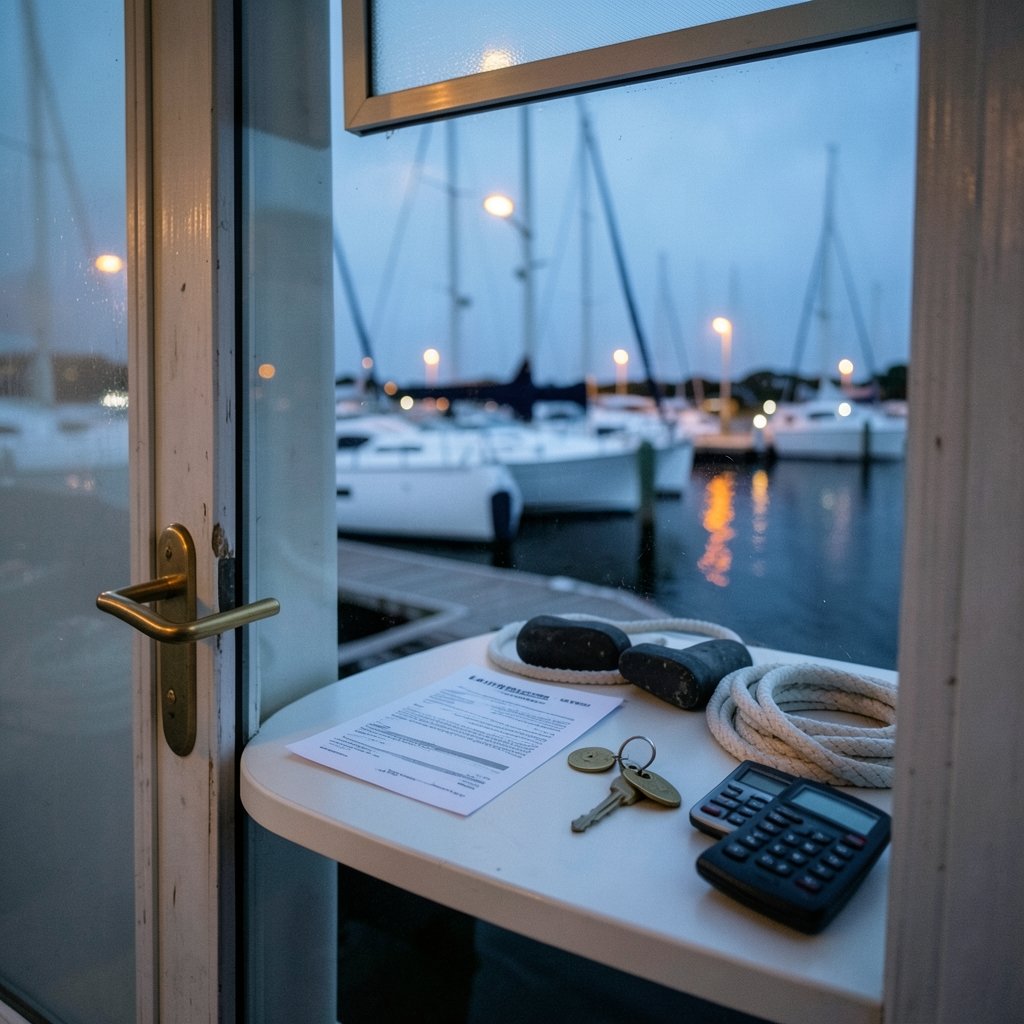
Quick Answer: How much does it cost to charter a yacht?
Chartering a yacht typically costs between €1,500 and €6,000 per week for a bareboat sailing yacht in the Mediterranean, while crewed motor yachts run from roughly €10,000 to €30,000+ per week, and superyachts can exceed €100,000 weekly. You can book through a broker, a charter company like Sunsail or The Moorings, or a local operator in your destination marina. (Yacht charter)
All-inclusive crewed charters are sometimes priced per person instead, historically around $1,500 to $4,000 per person per week depending on cabin class. Day charters are a cheaper entry point, often $1,000 to $5,000+ for a half or full day on a crewed motor yacht.
Before booking, compare the base rate, the Advance Provisioning Allowance (APA), fuel, food and bar costs, gratuity, local VAT, security deposit, end-cleaning fees, and high-season surcharges.
Every year, millions of travelers rent boats across the Mediterranean and the Caribbean, yet most have no idea what a yacht charter actually costs until they ask for a quote. The gap between the glossy brochure price and the final invoice can be startling. Understanding the real cost structure is the difference between a dream vacation and a budget shock.
What Determines the Price of a Yacht Charter?
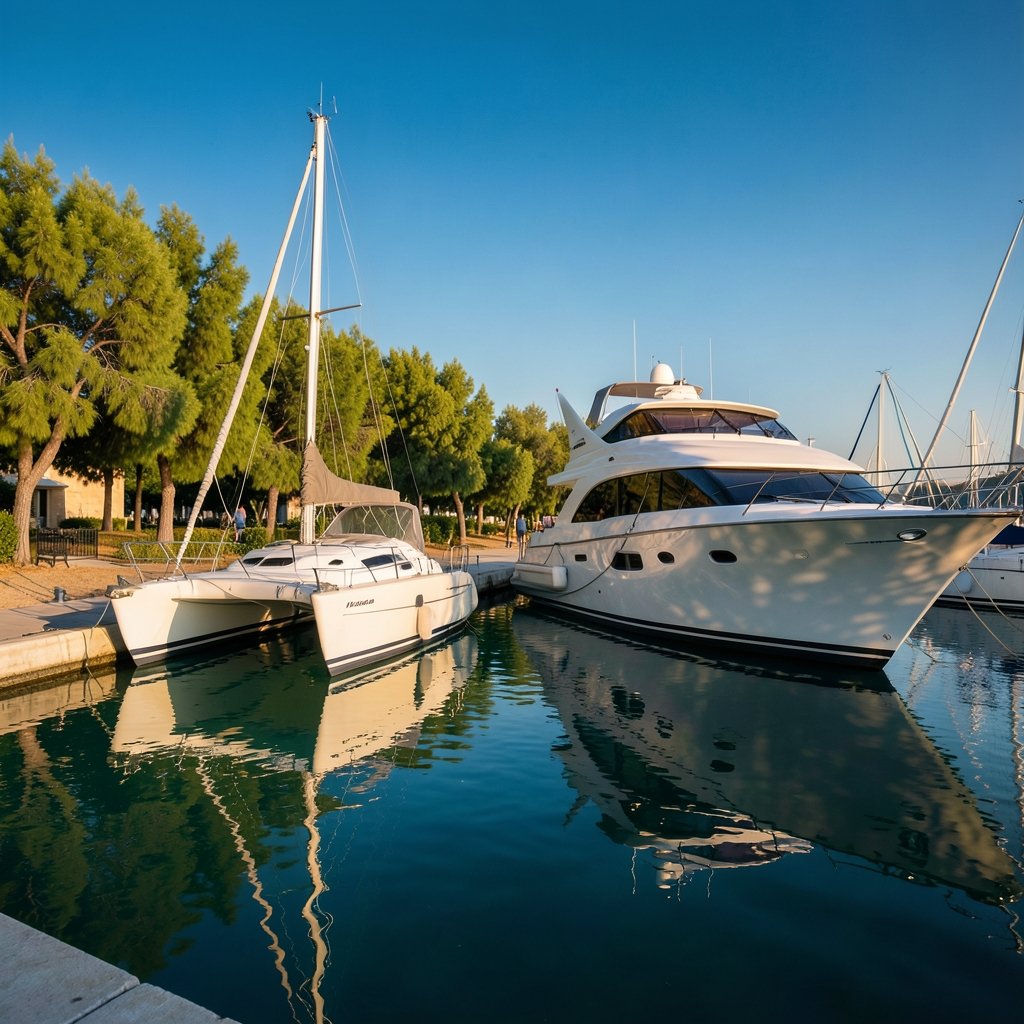
No single price list exists, because charter costs depend on a web of variables. The biggest driver is whether the boat comes with crew. A bareboat charter means you skipper the vessel yourself, which slashes the price but requires sailing experience or a hired captain. A crewed charter includes a captain, often a chef and deckhands, and the price reflects their salaries, insurance, and provisioning.
Boat size and type matter enormously. A 12-meter sailing catamaran costs a fraction of a 30-meter motor yacht. Location changes everything too: the British Virgin Islands, Greece, and Croatia have deep charter markets and competitive pricing, while remote destinations carry repositioning fees. Season is the other giant lever. July and August in the Mediterranean, or December through April in the Caribbean, command steep premiums, while shoulder-season discounts of 20 to 40 percent are common.
Bareboat vs. Crewed vs. All-Inclusive: Cost Comparison
The clearest way to understand yacht charter pricing is to compare the three main formats side by side. Each has a different cost logic, and mixing them up is one of the most common budgeting mistakes.
| Charter Type | Typical Weekly Cost | What’s Included | Best For |
|---|---|---|---|
| Bareboat sailing yacht | €1,500–€6,000 | The boat only; you skipper it | Experienced sailors, tight budgets |
| Skippered bareboat | €2,500–€8,000 | Boat plus professional captain | Confident sailors who want backup |
| Crewed motor yacht | €10,000–€30,000+ | Captain, crew, often chef | Comfort-focused groups |
| All-inclusive crewed | $1,500–$4,000 per person | Crew, meals, drinks, fuel (varies) | Groups that want zero admin |
| Superyacht | €100,000+ | Full crew, premium service | Luxury and corporate charters |
Bareboat pricing looks tempting on paper, but remember that the quoted rate usually excludes a security deposit, end-of-charter cleaning, and fuel. A crewed yacht’s base rate looks huge by comparison, yet it also excludes fuel, food, bar, and gratuity, which is where the APA comes in.
The Hidden Costs Most First-Timers Miss
The base charter fee is only the starting point. For crewed yachts, the Advance Provisioning Allowance (APA) is the cost that surprises people most. It typically runs 25 to 35 percent of the base charter fee and covers fuel, food, drinks, and marina fees. The captain tracks spending, and any leftover APA is refunded at the end of the trip. If the APA runs dry, you top it up.
Gratuity is another line item. Crew tips are customary and often land at 10 to 15 percent of the base rate, paid in cash at the end of the charter. Then there is VAT, which varies widely by country and itinerary, historically ranging from about 6.6 to 22 percent across EU Mediterranean nations. Add local cruising permits, marina charges in some destinations, and communications fees, and the true cost of a crewed week can climb 40 to 50 percent above the advertised base rate.
Bareboat charters have their own add-ons: a refundable security deposit (often €2,000 to €5,000), end-cleaning fees, outboard motor fuel, and optional extras like paddleboards or provisioning packages. Skippers hired separately usually cost €150 to €250 per day plus food.
How Charter Costs Break Down by Destination
Geography shapes pricing as much as boat size. The Mediterranean and the Caribbean dominate global charter demand, but their cost profiles differ.
Greece and Croatia offer some of Europe’s best value, with large bareboat fleets and competitive weekly rates in the shoulder months. The British Virgin Islands pioneered the all-inclusive per-person model, making budgeting simple for groups. The French Riviera and Italy’s Amalfi Coast sit at the premium end, where marina fees, fuel, and provisioning all cost more.
One practical tip from the charter world: booking early matters more than haggling. Prime summer weeks in popular destinations sell out months in advance, and last-minute discounts mostly appear in shoulder season when operators need to fill boats. Travelers who want to compare product quality before committing to a boat or a salon visit can learn a lot from how a hair store guide to buying smart frames the same principle: check what’s included before you pay, not after.
Day Charters and Half-Day Trips: The Low-Cost Entry Point
Not everyone needs a week at sea. Day charters let travelers sample the experience without a five-figure commitment. A crewed motor yacht for a half or full day typically runs $1,000 to $5,000+, depending on vessel size, location, and whether food and drinks are included.
Group day charters split the cost nicely. Eight friends on a $2,400 full-day charter pay $300 each, which is comparable to a nice dinner ashore. The catch is that day rates often exclude fuel beyond a set allowance, and popular sunset slots book out fast. For anyone testing whether they even enjoy being on the water, a day charter is the sensible first step before committing to a weekly rate.
How to Budget for a Yacht Charter Without Surprises
Smart budgeting starts with asking the right questions before signing anything. Charter brokers and operators should provide a full cost breakdown on request, and reputable ones do so without hesitation.
- Ask for the all-in estimate, not the base rate. Request a written breakdown covering APA, VAT, gratuity guidance, and any mandatory extras.
- Confirm what the APA covers. Fuel, food, bar, and marina fees should be itemized. Ask what happens if the allowance is exceeded.
- Check the gratuity norm. Crewed charters expect 10 to 15 percent; factor it into your total from day one.
- Verify the deposit terms. Bareboat deposits are refundable but tied to the boat’s condition at return. Photograph everything at handover.
- Book in shoulder season if flexibility allows. Discounts of 20 to 40 percent are realistic outside peak weeks.
- Match the boat to the group. Overpaying for space you won’t use is as wasteful as cramming too many people aboard.
The same discipline applies to personal grooming budgets before a big trip: people often overspend because they don’t know their own baseline. A hair type chart for reading yours and picking better products makes the same point in a different context. Knowing exactly what you need prevents expensive guesswork, whether you’re buying shampoo or booking a catamaran.
Crewed Yacht Charters: What the Premium Actually Buys
A crewed charter’s price tag buys more than a captain. It buys local knowledge, safety, and time. The crew handles navigation, anchoring, cooking, and cleaning, which means guests spend their days swimming, snorkeling, and eating well rather than worrying about mooring lines.
Chefs on crewed yachts plan menus around guest preferences and local markets, and the provisioning budget (via the APA) determines how lavish those meals get. Travelers who have priced private chef services or fine dining ashore understand the value: a week of chef-prepared meals on the water often costs less than equivalent restaurant dining in a resort town.
It’s worth noting that crewed charter pricing is genuinely variable, and quotes from memory or old blog posts go stale quickly. Fuel costs, inflation, and season shift rates constantly, so treat any figure you read (including the ranges here) as a planning benchmark rather than a quote. Always request current rate sheets directly from brokers or operators.
Common Mistakes That Inflate the Final Bill
First-time charterers make predictable errors. The most expensive is ignoring the APA and gratuity when comparing quotes, which makes a €15,000 charter look like a €15,000 trip when it will actually cost closer to €21,000. Comparing base rates across operators without normalizing inclusions is the second mistake; one quote may include fuel and another may not. (International Maritime Organization)
Another classic: booking the biggest boat the budget allows and then skimping on provisioning, which makes for a miserable week. Experienced charterers often choose a slightly smaller vessel and spend the difference on food, wine, and a good chef. Finally, many people forget travel insurance and cancellation terms. Charter contracts are strict, and weather or health cancellations without coverage can cost the full fee.
For anyone also planning beauty or grooming treatments before a sailing trip, the logic of avoiding costly mistakes carries over: a laser hair removal guide covering what works and what it costs shows how transparent pricing research prevents unpleasant surprises. The principle is universal: know the full cost before you commit.
Conclusion
Chartering a yacht costs anywhere from roughly €1,500 per week for a bareboat to €100,000+ for a superyacht, with crewed mid-size motor yachts landing in the €10,000 to €30,000 range before APA, VAT, and gratuity. The advertised base rate is never the full story. Budget an extra 25 to 50 percent for crewed charters and a smaller buffer for bareboat extras like deposits and cleaning.
The good news is that the market is transparent once you know what to ask. Request written breakdowns, compare all-in estimates rather than headline rates, book early for peak season or flexibly for discounts, and match the boat to your group’s real needs. Do that, and the final invoice will look a lot like the trip you planned.
FAQ
Is it cheaper to charter a yacht with or without a crew?
Bareboat charters are almost always cheaper on paper because you skip crew salaries. However, you’ll need sailing qualifications or a hired skipper, and you’ll handle provisioning, cooking, and cleaning yourself. Crewed charters cost more but bundle labor, local expertise, and often a chef, which many groups find worth the premium.
How much should I tip the crew on a yacht charter?
Gratuity is customary on crewed charters and typically runs 10 to 15 percent of the base charter fee, paid in cash at the end of the trip. On a €20,000 weekly charter, that means budgeting €2,000 to €3,000. Ask the broker for guidance, since norms vary by region and crew size.
What is the APA on a yacht charter?
The Advance Provisioning Allowance is a prepaid fund, usually 25 to 35 percent of the base charter fee, that covers fuel, food, drinks, and marina fees on crewed yachts. The captain tracks expenses and refunds any unspent balance. If costs exceed the APA, guests top it up during the trip.
Can I charter a yacht for just one day?
Yes. Day charters are widely available, typically costing $1,000 to $5,000+ for a half or full day on a crewed motor yacht, depending on size and location. They’re a popular way to sample the experience or celebrate an occasion without committing to a full week.
When is the cheapest time to charter a yacht?
Shoulder seasons offer the best value, with discounts of 20 to 40 percent compared with peak weeks. In the Mediterranean, that generally means late spring and early autumn; in the Caribbean, late spring through early summer. Booking early for peak season and late for shoulder season are both sensible strategies.
Do I need a license to charter a bareboat yacht?
Requirements vary by country. Many Mediterranean destinations ask for a sailing qualification or equivalent experience, and some accept a skipper-for-hire arrangement instead. Charter companies typically review credentials during booking, so confirm requirements with the operator well before your departure date.