
How to Buy a First Luxury Watch: 2026 Smart Guide
 Abdul WadoodLast updated
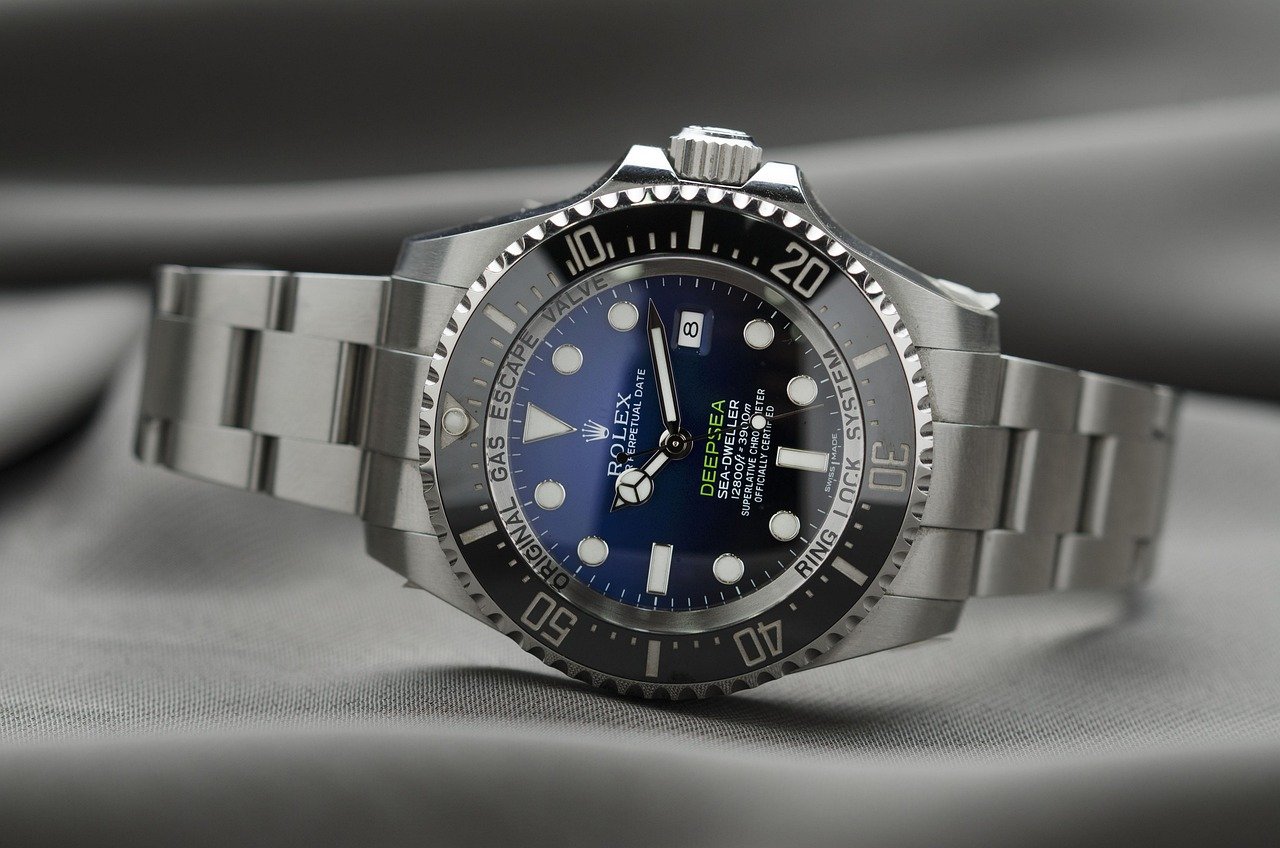
The global luxury watch market is valued in the tens of billions of dollars, and the pre-owned segment has grown faster than the new-watch segment in recent years, according to industry reports tracked by Wikipedia’s overview of the watch market. That growth matters to a first-time buyer for one simple reason: there has never been more choice, more noise, and more opportunity to make an expensive mistake. A first luxury watch is rarely an impulse buy. It is a decision people live with for decades, and the difference between loving it and resenting it usually comes down to preparation, not luck. (Wikipedia: Watch)
This guide walks through what actually works in practice: how to set a budget you can defend, which specifications matter and which are marketing, where to buy so your warranty stays intact, and the mistakes that catch first-timers again and again.
Start With the Occasion, Not the Brand
Most first-time buyers begin with a brand name and work backward. That is the wrong order. A luxury watch should fit how you actually live. Someone who wears suits five days a week has different needs than someone in scrubs, and someone who swims regularly should not be shopping the same references as someone who never takes a watch off indoors.
Ask three practical questions before browsing:
- Where will you wear it most? Office, weekend, formal events, or all three.
- What is your wrist size? Measure it. A 44mm case on a 6-inch wrist wears very differently than the same case on an 8-inch wrist.
- How much abuse will it take? Doors, gym equipment, salt water, and toddlers are all real-world stressors.
A versatile everyday watch with a steel case, 100m or better water resistance, and a bracelet or strap you can swap is the safest first purchase for most people. Dress watches and dive watches are wonderful second watches. As a first, they narrow your wearing options.
Set a Budget That Includes the Hidden Costs
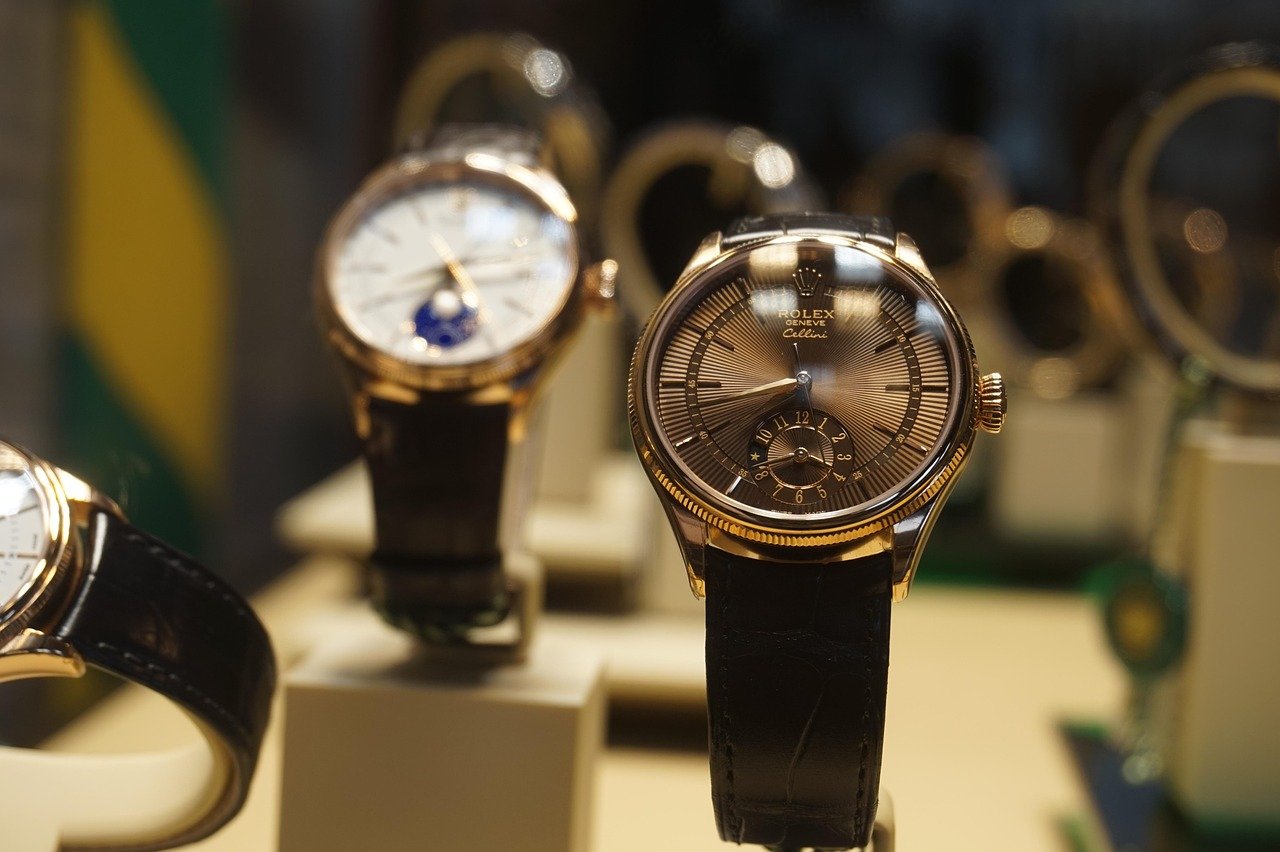
The sticker price is not the real price. First-time buyers routinely forget the extras, and they add up fast.
| Cost Category | Typical Range | Notes |
|---|---|---|
| Watch itself | Varies widely | The visible number |
| Sales tax or VAT | 5–20% depending on location | Often excluded from quoted prices |
| First service (years later) | Several hundred dollars and up | Mechanical watches need periodic servicing |
| Insurance | Roughly 1–2% of value annually | Depends on insurer and location |
| Strap or bracelet change | Modest to significant | OEM straps are priced accordingly |
| Resizing and adjustment | Often free at purchase | Confirm before you leave the store |
A useful rule: if the watch stretches your finances to the point where a service bill in five years would hurt, the watch is too expensive. Mechanical servicing is required, and you cannot skip it indefinitely. Oils degrade, gaskets harden, and water resistance fades. Budget for ownership as well as acquisition. (Federation of the Swiss Watch Industry FH)
Understand What You Are Actually Paying For
Luxury watch pricing is not a linear function of accuracy. A quartz watch can keep better time than a mechanical one costing a hundred times more. What you pay for is finishing, movement architecture, heritage, brand positioning, and service infrastructure.
The mechanical-versus-quartz question trips up many buyers. Mechanical movements (automatic or manual-wind) are the traditional heart of luxury watchmaking and hold cultural and resale value. Quartz movements are more accurate and lower maintenance, and several respected luxury houses still make them. Neither is “wrong.” The question is what you want from the object.
Three specifications deserve real attention:
- Water resistance. 30m means splash-resistant, not swimmable. 100m is a practical everyday minimum; 200m+ suits real water use.
- Case size and thickness. Thickness is the spec people ignore and later regret. A watch that catches on shirt cuffs gets worn less.
- Movement serviceability. A brand with a strong service network in your country is worth more than a marginally prettier dial.
For a broader look at how brands and design language differ across the luxury space, browsing curated luxury coverage such as Voozon’s luxury watches, brands and design section helps calibrate expectations before you visit a boutique.
Buy From an Authorized Dealer Unless You Fully Understand the Alternative
This is the single most consequential decision in the process. Authorized dealers (ADs) are contracted by the brand to sell new watches with the full manufacturer warranty. Grey-market sellers are not, even when they sell genuine, unworn watches. The watch may be authentic and the discount real, but the manufacturer warranty often does not transfer, and you may be relying on the seller’s own warranty instead.
That distinction is not a technicality. It affects where you can get the watch serviced, whether the brand will touch it at all, and what happens if something fails in month three.
| Factor | Authorized Dealer | Grey Market / Third-Party |
|---|---|---|
| Manufacturer warranty | Yes, full term | Often not honored |
| Seller warranty | Not needed | Varies wildly by seller |
| Price | Fixed, brand-controlled | Sometimes discounted |
| Availability | Waitlists possible | Often immediate |
| Service eligibility | Straightforward | Can be complicated |
| Recourse if problems arise | Brand and dealer | Seller only |
Practical advice from people who have been through it: get the warranty terms in writing before paying, confirm the card is stamped and dated correctly, and keep every document. Consumer protection rules differ by country, and bodies such as the U.S. Federal Trade Commission publish guidance on warranties and deceptive sales practices that is worth ten minutes of reading before any high-value purchase.
Try It On. Then Try It On Again.
Photos lie. Dial colors shift under different lighting, case proportions read differently in person, and a watch that looks perfect online can feel wrong on the wrist within minutes.
Do this properly:
- Visit a boutique and try on at least five references, including ones outside your shortlist.
- Photograph your wrist in natural light, indoors, and under artificial light.
- Wear the watch for ten minutes. Notice the clasp, the crown digging into your hand, and the weight.
- Check the fit with a proper bracelet adjustment, not a loose dangle.
- Sleep on it. At least one night. Preferably a week.
A common first-timer mistake is buying the watch that photographs best rather than the one that wears best. Another is ignoring lug-to-lug length, which determines whether a watch overhangs your wrist more than case diameter does.
Understand Availability and Waitlists
Many in-demand steel sports models are not sitting in display cases. Brands control distribution tightly, and ADs manage waiting lists for their regular clients. This is frustrating, and it is also where buyers get burned.
Red flags to watch for:
- A seller offering a “new” in-demand model at a large premium with no paperwork.
- Pressure tactics framed as scarcity (“someone else is viewing it this afternoon”).
- Requests to pay by methods with no recourse.
- Reluctance to let you verify the serial number or see the warranty card.
Patience is genuinely cheaper than urgency. If a specific reference is unavailable, ask the AD to register your interest formally and confirm how the list actually works. Some are transparent; some are not. Either way, an honest AD will not ask you to buy three other watches first unless that is a stated, written policy.
Verify Authenticity and Paperwork
Counterfeits have improved, and so have “frankenwatches” that mix genuine and aftermarket parts. For a first purchase, the safest path is buying new from an AD or buying pre-owned from a seller who provides a documented authentication process and a return window.
Non-negotiables for any pre-owned purchase:
- Original box and papers, including a dated warranty card where applicable.
- Serial number visible and matching across case and documentation.
- Independent authentication by a qualified watchmaker, ideally before payment clears.
- A written return policy long enough to get the watch inspected.
The Fondation de la Haute Horlogerie maintains educational resources on watchmaking that help buyers understand what they are inspecting, from movement finishing to case construction.
Insure It and Keep the Records
A luxury watch is a portable, easily lost asset. Homeowner or renter policies often cap valuables coverage well below the watch’s value, so a separate rider or stand-alone policy is usually necessary. Insurers typically want a receipt or professional appraisal, a description, and sometimes a photograph of the serial number.
Store the following together, physically or in secure cloud storage:
- Purchase receipt with date and price
- Warranty card and any service records
- Insurance policy and appraisal
- Photographs of the watch, case back, and serial
This folder becomes valuable the day something goes wrong, and it also strengthens resale value later.
Common Mistakes That First-Time Buyers Make
Knowing the traps in advance is half the battle.
- Buying the investment, not the watch. Resale performance is model-specific and never guaranteed. Buy something you would happily wear for twenty years.
- Overspending on the first piece. A first watch sets a psychological baseline. Starting modestly leaves room to grow.
- Ignoring servicing costs. A five-figure watch can carry four-figure service bills over its lifetime.
- Skipping insurance. The most common loss scenarios are theft and simple misplacement.
- Chasing hype references. Hype cycles rotate. Taste endures.
- Not checking the return policy. Especially online, where “final sale” language hides in the fine print.
If you are also investing in how you present yourself alongside the watch, grooming and styling details matter more than people admit. Practical guides on tools like a hair dryer that actually works well or how to shop for hair pieces without costly mistakes follow the same principle as watch buying: understand the product category before you spend.
Where the Luxury Market Is Heading
The luxury sector is shifting toward experiences, sustainability, and circular resale. Brands increasingly offer certified pre-owned programs, which give first-time buyers a middle path: genuine product, brand-backed authentication, and a real warranty. For someone nervous about the grey market, a certified pre-owned program from the manufacturer is often the smartest compromise.
Broader trends in the category, from how luxury living is evolving to the way luxury resorts now design for experience over excess, all point the same direction: buyers are rewarding transparency and provenance over pure status signaling. Watches are following that curve.
A Simple Decision Framework
When you are ready to commit, run this checklist in order:
- Confirm the total cost of ownership, including tax, insurance, and future service.
- Verify the seller’s authorization status and warranty terms in writing.
- Try the watch on in person and photograph it in multiple lighting conditions.
- Inspect serial numbers, paperwork, and box if buying pre-owned.
- Arrange independent authentication before funds clear.
- Insure the watch and file the documentation the same week.
Conclusion
A first luxury watch rewards the buyer who slows down. The people who end up happiest with their purchase are rarely the ones who got the best discount or the most hyped reference. They are the ones who measured their wrist, read the warranty terms, tried the watch on twice, and bought something they genuinely wanted to wear on an ordinary Tuesday. Set a budget that survives a service bill, buy through a channel that keeps your warranty intact, and treat paperwork and insurance as part of the purchase rather than an afterthought. Do that, and the watch becomes what it is supposed to be: an object you reach for every morning without a second thought.
Frequently Asked Questions
How much should a first luxury watch cost?
There is no universal number, but a practical guideline is to spend an amount you could replace without financial strain and still afford servicing several years later. Entry-level luxury mechanical watches commonly start in the low four figures, while mainstream luxury references sit higher. The right figure is the one that leaves your emergency fund intact.
Is it safe to buy a luxury watch online?
It can be, if the seller is an authorized dealer or a reputable pre-owned platform with a clear return window and authentication process. Avoid sellers who refuse returns, demand untraceable payment, or cannot show the warranty card and serial number. For a first purchase, buying in person remains the lowest-risk route.
Does the manufacturer warranty transfer to a second owner?
It depends on the brand and region. Some manufacturers honor the remaining warranty regardless of owner, while others require the original purchaser or a completed transfer. Always confirm the specific brand’s current policy in writing, and never assume a warranty card alone guarantees coverage.
Mechanical or quartz for a first watch?
Mechanical if you value tradition, finishing, and long-term collectibility; quartz if you want accuracy and low maintenance. Neither choice is a mistake. Many first-time buyers pick mechanical for emotional reasons and later add a quartz piece for convenience.
How often does a luxury watch need servicing?
Most mechanical watches are serviced roughly every five to ten years, depending on the movement and how it is worn. Signs you are overdue include declining accuracy, a stiff crown, or fogging under the crystal. Service costs vary widely by brand, so ask for an estimate before you buy.
Should I buy new or pre-owned for my first watch?
New from an authorized dealer is the simplest path: full warranty, no authentication risk, and a clear service relationship. Pre-owned offers better value and access to discontinued references, but requires authentication and careful paperwork checks. Certified pre-owned programs from manufacturers are a strong middle option.