
How Much Do Tattoos Cost in 2026? Real Prices & Fees
 Abdul WadoodLast updated

Quick Answer: How much do tattoos cost?
A small, simple tattoo usually costs between $50 and $150, while a medium piece runs roughly $150 to $500, and large custom work can climb into the thousands. Most artists price by the hour, by the piece, or by the day, and nearly every shop sets a minimum fee that applies even to tiny designs. Laser removal, if you ever need it, typically costs far more in total than the original tattoo. Before booking, compare hourly rates, shop minimums, deposit rules, tip expectations, touch-up policies, and aftercare supply costs.
Tattoos have moved a long way from the edges of society. Surveys in recent years have suggested that roughly a third of American adults now have at least one, and the global tattoo market has grown into a multi-billion-dollar industry. That popularity has a flip side: prices vary wildly from city to city and artist to artist, and the sticker shock can hit hard when someone walks in expecting a bargain. Understanding how tattoo pricing actually works is the difference between a fair deal and an expensive lesson. (Tattoo)
Why Tattoo Prices Vary So Much
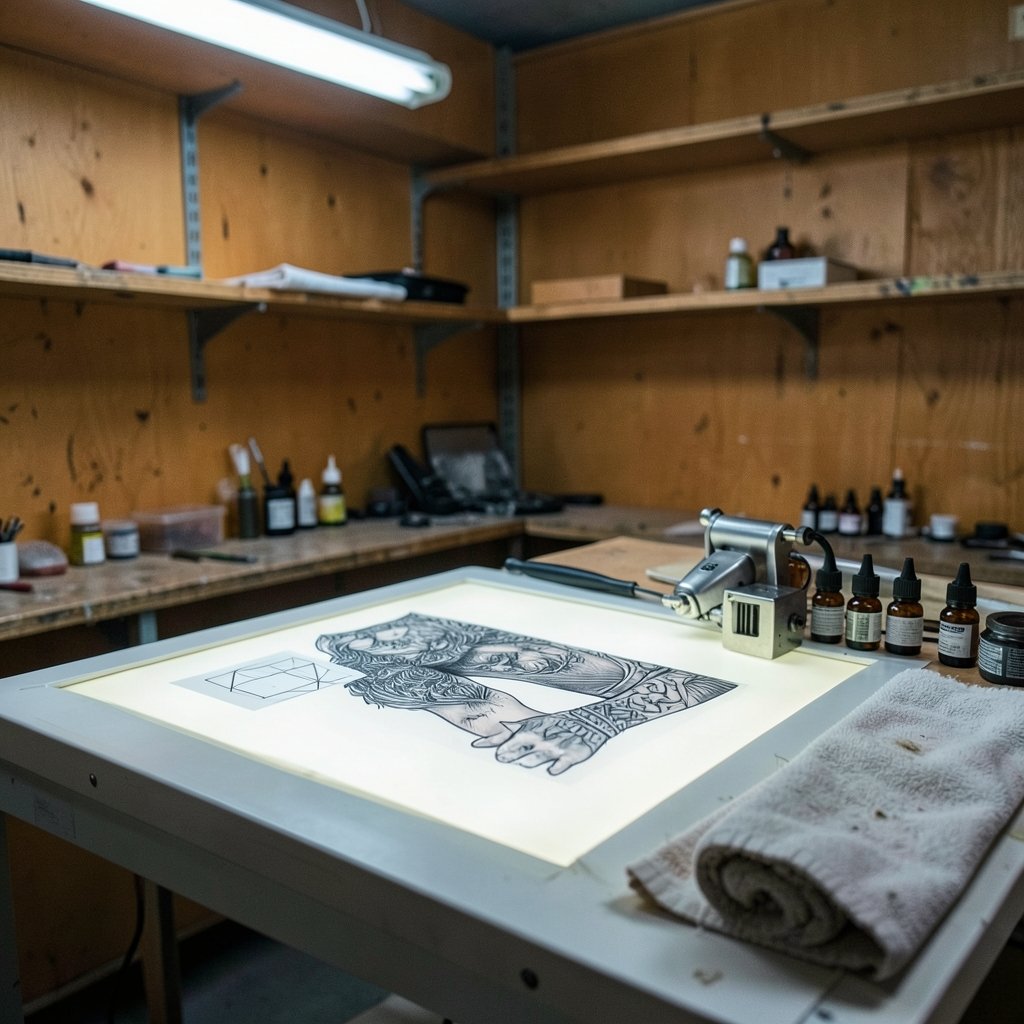
Two people can walk into the same shop and pay wildly different amounts, and neither is being cheated. Tattoo pricing reflects time, skill, demand, and overhead. An artist with a two-year waitlist charges more than a newly licensed one, and a complex sleeve takes far longer than a line of script.
Geography matters just as much. A studio in a major metropolitan area carries higher rent, insurance, and licensing costs than one in a small town, and those costs land in the hourly rate. The US Bureau of Labor Statistics tracks tattoo artists and piercers as a growing occupation, which hints at how competitive the field has become. Competition doesn’t always mean cheaper work, though, because reputation drives price more than supply does.
Typical Tattoo Prices by Size
Broad industry reporting puts most simple tattoos in the tens to low hundreds of dollars, medium pieces in the low hundreds to several hundred, and large multi-session work in the high hundreds to thousands. Treat these as ballpark figures, not quotes.
| Size | Typical Price Range | Session Time | Notes |
|---|---|---|---|
| Tiny (words, symbols, dots) | $50–$150 | 15–45 min | Often hits the shop minimum |
| Small (2–4 inches) | $80–$250 | 30–90 min | Simple line work, minimal shading |
| Medium (palm-sized) | $150–$500 | 1–3 hours | Shading, some color, detail |
| Large (forearm, calf) | $400–$1,200 | 3–6 hours | May span multiple sessions |
| Sleeve or back piece | $1,500–$5,000+ | 10–40+ hours | Priced by session or day rate |
A useful reality check: the price gap between “small” and “medium” is rarely about ink volume. It’s about time. Detail, shading, and color packing all eat minutes, and minutes are what artists actually sell.
Hourly Rates, Flat Quotes, and Shop Minimums
Most artists use one of three pricing models. Hourly rates are common and typically range from about $100 to $250 per hour in the US, with in-demand artists charging more. Flat quotes suit flash designs and repeatable pieces, and they protect the client from surprise overruns. Day rates reward bigger projects, since a full day of work often costs less than the equivalent hourly total.
Then there’s the shop minimum, a floor price that covers setup, sterile supplies, and cleanup. In the US it commonly sits around $50 to $150, though it varies by city. This is why a five-minute tattoo can cost the same as a thirty-minute one. Beginners often assume small equals cheap, and that assumption is the single most common budgeting mistake in tattooing.
What Drives the Final Price
Several factors stack on top of each other:
- Size and placement. A ribcage piece is slower to tattoo than a forearm because of curvature and client comfort.
- Detail and complexity. Fine line work, realism, and intricate geometry demand precision and time.
- Color versus black and grey. Color usually adds session time and, sometimes, a higher rate.
- Artist experience and demand. Guest spots and award-winning artists command premiums.
- Cover-ups. Hiding an old tattoo takes more planning and often more ink, so expect a surcharge.
- Custom design time. Some artists charge for drawing, especially for large original pieces.
If you’re weighing skin and hair treatments with similar budget questions, the same logic applies: the visible result is only part of the cost. A guide to laser hair removal: what works, costs, and what to expect makes that point well, and it’s a useful comparison for anyone budgeting for cosmetic procedures.
The Costs People Forget to Budget For
The tattoo itself is rarely the whole bill. A realistic budget includes:
- The deposit. Usually non-refundable and often $50–$200, applied to the final price if you show up.
- The tip. Customary in the US, typically 15–20% for good work.
- Touch-ups. Some artists include one free session; others charge. Ask before booking.
- Aftercare supplies. Ointment, fragrance-free soap, and film dressings add $20–$50.
- Time off. Larger pieces may need a day or two of recovery, especially on hands or feet.
A deposit isn’t a fee if you keep your appointment, but it is money gone if you cancel late. That single rule has burned more first-timers than any other part of the process.
How to Get an Accurate Quote Before You Commit
Getting a real number takes a little preparation. Artists can’t quote accurately from a vague idea, and the consultations that go well are the ones where the client arrives ready.
- Bring reference images and be clear about placement and approximate size.
- Ask directly whether the artist charges hourly, by piece, or by session.
- Confirm the shop minimum and the deposit amount in writing.
- Ask what a touch-up costs and how long the free window lasts.
- Request an estimate range, not a single number, for anything larger than a palm.
A written estimate protects both sides. If a shop refuses to put anything in writing, that’s a signal worth heeding.
Cheap Tattoos and the Real Cost of Bargain Hunting
A bargain tattoo is not automatically a bad tattoo, but the correlation is strong enough to matter. Extremely low prices often signal one of three things: an apprentice building a portfolio, a shop cutting corners on supplies, or a design that will need expensive fixing later.
Corrections are where budgets collapse. A poorly executed piece can cost two to three times the original price to cover or rework, and some can’t be fixed at all without laser sessions. The US Food and Drug Administration notes that tattoo inks and pigments can carry risks, and that concerns about ink safety have grown, which is another reason to choose a licensed, reputable studio over the cheapest option in town.
The smarter play is to compare value, not just price. A $200 tattoo from a careful artist beats a $90 tattoo that needs a $600 cover-up. For anyone comparing service pricing more broadly, a walk-in salon guide on what shoppers should know before visiting a hair cuttery makes a similar case: transparent pricing and clear policies matter more than the headline number. (Tattoos and piercings: What to know)
Tattoo Removal Costs Compared
Sometimes the most expensive tattoo is the one you regret. Laser removal is typically priced per session, and most tattoos need multiple sessions, often six to twelve depending on size, color, and ink depth. Total costs frequently run into the high hundreds or several thousand dollars, which usually exceeds what the original tattoo cost.
Cover-ups are often cheaper than removal, but they require a design large enough and dark enough to hide what’s underneath. The practical takeaway: think hard before committing, because undoing the decision is the priciest path of all.
Saving Money Without Regretting It
There are legitimate ways to reduce the bill. Choosing a smaller design, a simpler style, and a less intricate placement all lower the price honestly. Booking a flash piece from a shop’s pre-drawn collection is another reliable saver, since the design work is already done.
Timing helps too. Some artists offer discounted rates on cancellation slots or weekday appointments. What doesn’t work is haggling hard on custom work. Artists often treat aggressive bargaining as a red flag, and the relationship matters as much as the price. If you want to understand how product pricing and value claims get oversold in the beauty world, a breakdown of hair growth oil: what the science says and what it costs is a good reminder that marketing rarely matches the invoice.
Conclusion
Tattoo pricing isn’t mysterious once you know the mechanics. Small pieces land in the tens to low hundreds, medium work in the low hundreds to several hundred, and large custom projects in the high hundreds to thousands. Hourly rates, flat quotes, and shop minimums all shape the final number, and deposits, tips, touch-ups, and aftercare quietly add to it. The best defense is preparation: get a written estimate, ask about touch-up policies, budget the extras, and remember that fixing a cheap tattoo usually costs more than paying for a good one the first time. A tattoo is permanent, so the price you pay upfront is almost always the smaller number in the long run.
Frequently Asked Questions
How much should I tip a tattoo artist?
In the US, 15% to 20% of the tattoo price is customary for good work, similar to restaurant tipping. For a large piece spanning multiple sessions, some clients tip per session instead of on the total. Tipping isn’t legally required, but it’s a strong norm in the industry and reflects the artist’s time and care.
Is a deposit always non-refundable?
Most deposits are non-refundable, though policies vary by shop. The deposit usually comes off the final price if you show up for your appointment. If you cancel with reasonable notice, many artists will let you reschedule and keep the deposit on file. Always confirm the exact terms before paying.
Do tattoo artists charge extra for color?
Often, yes, because color work takes more time than black and grey. Some artists charge a higher hourly rate for color, while others simply factor the extra session time into the quote. For large color pieces, the difference can add a few hundred dollars across the project.
Are touch-ups free?
It depends entirely on the artist. Many include one free touch-up within a set window, often three to six months, provided you followed aftercare instructions. Others charge for touch-ups or only cover issues caused by their own work. Ask before booking and get the answer in writing if possible.
Can I negotiate the price of a tattoo?
Light negotiation on large projects is sometimes possible, but aggressive haggling is generally poorly received. Artists price based on time and skill, and pushing hard can damage the working relationship. A better approach is to adjust the design, size, or placement to fit your budget rather than arguing over the rate.
Why is a tiny tattoo so expensive?
The shop minimum explains most of it. Even a five-minute tattoo requires sterile setup, fresh needles, ink, gloves, and cleanup, and those costs don’t shrink with the design. The minimum fee, typically $50 to $150 in the US, covers that overhead so the artist doesn’t lose money on small jobs.
Does Size or Placement Matter More for Cost?
Both matter, but placement often surprises people more than size. A compact design on the ribs, sternum, or inner bicep can take longer than a larger piece on the outer forearm, because curved, sensitive areas slow the work and demand more breaks. When budgeting, describe the exact spot rather than just the dimensions, and ask whether the artist charges extra for difficult placements. That single question prevents most estimate gaps.