
Moon Tattoos: Symbolism, Styles & Ideas for 2026
 Abdul WadoodLast updated

A surprising number of people ask their tattoo artist for a moon. It shows up in flash sheets, in fine-line studios, and in almost every celestial sleeve. But here is the catch: the moon is one of the most misunderstood symbols in tattoo culture. Ask ten people why they got one and you will get ten different answers, from grief to growth to a simple love of the night sky. If you are thinking about lunar ink, or trying to decode a design you already have, this guide breaks down the meaning, the styles, the placement, and the practical mistakes that trip people up.
Why the Moon Became a Tattoo Staple
The moon is humanity’s oldest timekeeper. Long before calendars, people tracked seasons by watching its phases, and that relationship shaped agriculture, religion, and folklore across nearly every culture on earth. A symbol that old carries weight, and that is exactly why it translates so well to skin.
There is also a practical reason for its popularity. A crescent is simple enough for a first tattoo but flexible enough to build on later. It works in tiny minimalist designs and in large illustrative pieces. It can be shaded realistically or drawn in a single line. Few motifs offer that range.
Tattoo culture itself has shifted toward meaning-driven choices. People increasingly want designs tied to personal milestones rather than pure decoration. The moon fits that mood perfectly because it is inherently about change.
The Core Meanings Behind Moon Tattoos
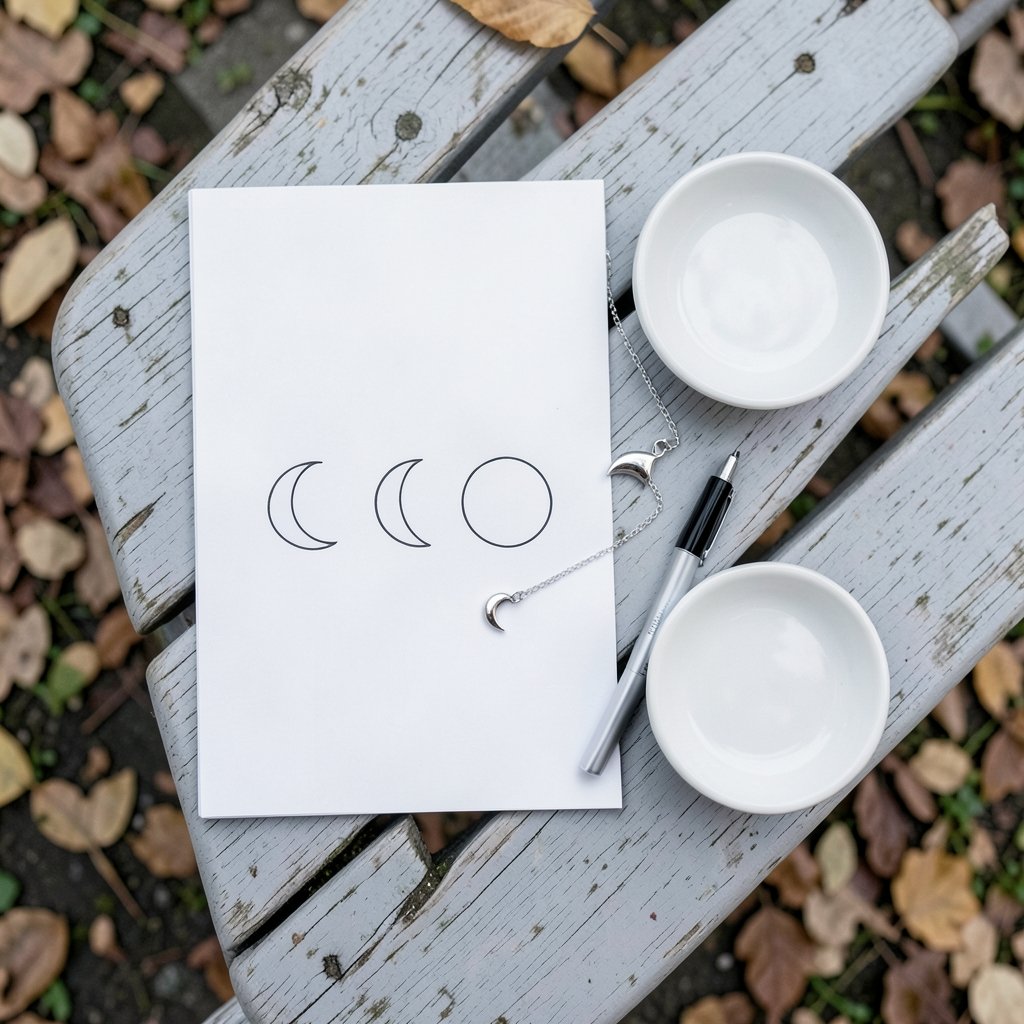
Moon tattoos rarely mean just one thing. Most designs carry a blend of ideas. Here are the interpretations that come up most often.
Cycles and Change
The most common reading is change. The moon is never the same two nights running, yet it always returns to where it started. People who have come through hard seasons, recovery, or major life transitions often choose a moon to mark that they, too, move through phases.
Feminine Energy and Intuition
Many cultures tied the moon to feminine divinity and intuition. Lunar goddess figures appear in Greek, Roman, Norse, and East Asian traditions. Some wearers connect to that lineage; others simply like the quiet, receptive energy the moon represents.
Guidance in Darkness
The moon is a light that shows up when the sun is gone. That makes it a natural symbol for hope, resilience, and finding your way through a difficult period. A crescent or full moon on a wrist or forearm often serves as a small reminder that darkness is temporary.
Grief and Memory
Because the moon is constant even when it disappears from view, some people use it to honor someone they lost. A small moon can stand in for a person who is still “there” even when unseen. This is one of the most personal uses of the symbol, and it is worth telling your artist so the design reflects that tone.
Romance and Devotion
Paired moons, moon-and-sun designs, and matching lunar tattoos between partners or friends are common. Two crescents facing each other, or a sun and moon together, suggest balance and partnership.
Reading the Phases: What Each Stage Symbolizes
Different phases carry different messages, and the phase you choose changes what the tattoo says. Here is a practical comparison to help you decide.
| Phase | Common Symbolism | Typical Wearer Intent |
|---|---|---|
| New moon | Beginnings, quiet potential, fresh starts | Marking a new chapter or a reset |
| Waxing crescent | Growth, intention, building momentum | Starting a project or recovery journey |
| First quarter | Decision, action, overcoming resistance | Pushing through a hard choice |
| Full moon | Completion, clarity, peak energy | Celebrating an achievement or a milestone |
| Waning moon | Release, letting go, reflection | Closing a chapter or moving on |
| Crescent | Hope, mystery, gentle guidance | Everyday reminder of resilience |
A full lunar cycle tattoo, showing every phase in a row, reads as a statement about the whole of life rather than one moment. It is a bigger commitment in both meaning and space.
Popular Moon Tattoo Styles
Style matters as much as symbolism. The same crescent can look delicate or bold depending on how it is drawn.
Fine line and minimalist. Single-needle work produces thin, elegant crescents and tiny stars. These age gracefully if the lines are not too thin, but very fine details can blur over time.
Blackwork and bold traditional. Heavy black shapes with strong outlines hold up best over decades. Traditional tattoo style favors simple, readable moons with thick borders.
Realistic and illustrative. Shading, texture, and crater detail make a moon look photographic. These pieces need more space and more skill from the artist.
Geometric and celestial. Moons combined with lines, dots, constellations, and sacred geometry create a modern, structured look. Popular on forearms and spines.
Watercolor. Soft washes of color around a moon outline. Beautiful on paper, but watercolor tattoos tend to fade faster than solid black, so expect touch-ups.
Placement: Where a Moon Works Best
Placement decides how a design reads and how well it survives time.
- Wrist and forearm: small crescents, visible and easy to show or cover.
- Behind the ear: tiny minimalist moons, subtle but prone to fading from friction.
- Shoulder and upper back: room for full cycles, phases, and larger illustrative work.
- Spine: a vertical row of phases follows the body’s natural line beautifully.
- Ankle and foot: popular but high-friction, so expect faster wear.
- Chest and ribs: bold statement pieces, though ribs are among the more painful spots.
A good rule of thumb: the smaller and more detailed the moon, the more it needs a low-friction, low-sun location to stay crisp.
What Actually Works in Practice
A few practical habits separate tattoos that age well from ones that blur into a gray smudge within a few years.
Go bigger than you think. Tiny, finely detailed moons with crater shading and fine stars often lose definition. Slightly larger designs with cleaner lines hold up far better.
Choose an artist who specializes in your style. A fine-line specialist and a traditional blackwork artist are not interchangeable. Look at healed photos as well as fresh ones.
Ask about ink safety. Regulatory bodies and health agencies have raised ongoing questions about tattoo ink ingredients and hygiene standards. Ask your studio about sterile equipment, single-use needles, and the inks they use, and follow aftercare instructions precisely.
Plan for sun exposure. Ultraviolet light is the single biggest cause of tattoo fading. A moon on a forearm or ankle will need sunscreen discipline for life.
Avoid overloading the design. One moon with one or two supporting elements usually reads better than a crowded celestial collage. Restraint is what makes small tattoos look intentional.
Heal before you judge. Fresh tattoos look darker and sharper than healed ones. Wait at least a month before deciding whether a touch-up is needed.
Common Mistakes People Make
The most frequent regret is choosing a design purely from a photo online without thinking about scale. A design that looks stunning on a phone screen may be too detailed for a two-inch space. Another common error is skipping the meaning conversation with the artist. Telling them why you want a moon, whether for grief, growth, or a fresh start, often leads to a better composition than picking from a flash sheet. Finally, many people underestimate aftercare. Picking at scabs, swimming too soon, and skipping moisturizer are the fastest routes to patchy healing.
Moon Tattoos Across Cultures
The moon carries distinct meanings around the world. In many East Asian traditions, lunar imagery connects to festivals, harvest timing, and family reunion. In Indigenous North American storytelling, the moon often appears as a guide or teacher figure. Norse mythology ties the moon to a personified figure chased across the sky. These traditions are not interchangeable, and borrowing a symbol from a closed cultural practice without understanding it is a real concern. If a design draws on a specific tradition, it is worth learning its origin first and, where appropriate, asking someone from that culture rather than guessing. (Moon)
Designing a Moon Tattoo That Lasts
Start with the meaning, then the size, then the placement, and only then the style. Sketch the idea roughly, bring reference images to a consultation, and let the artist redraw it for your body. A crescent that curves with the shape of a forearm looks far more natural than one stamped on straight. Ask the artist to show you the stencil before the needle starts, and speak up if the size or angle feels wrong. You are allowed to adjust. It is permanent.
If you want more guidance on design, placement, and finding a reputable studio, resources like Voozon Media cover practical tattoo topics in depth.
Conclusion
Moon tattoos endure because they hold contradictions well. They are about change and constancy, darkness and light, endings and beginnings. That flexibility is their strength, but it also means the symbol only becomes meaningful once you decide what it stands for. Choose the phase that matches your chapter, pick an artist who excels in your style, size the design for the long haul, and protect it from the sun. Do that, and a small crescent can carry a lifetime of meaning without ever feeling dated.
Frequently Asked Questions
What does a moon tattoo usually symbolize?
Most commonly it stands for change and cycles, because the moon is always shifting yet always returns. It is also widely associated with feminine energy, intuition, guidance through difficult times, and remembrance of someone lost.
Which moon phase should I choose for a tattoo?
It depends on your intent. A new moon suggests a fresh start, a waxing crescent suggests growth, a full moon suggests completion or clarity, and a waning moon suggests release or letting go. Many people choose the phase that matches a specific life event. (Moon)
Are small moon tattoos a bad idea?
Not at all, but very small designs with a lot of fine detail tend to blur over time. A simple crescent or single-line moon in a low-friction spot like the forearm or upper back ages far better than a crater-heavy design with many fine details on a finger or foot.
How much does a moon tattoo cost?
Pricing varies widely by size, style, and artist reputation, and many studios charge a minimum fee regardless of design size. Fine-line and realistic work usually costs more per hour than simple line work. Always confirm the rate and deposit before booking.
Do moon tattoos fade quickly?
They fade at the same rate as any tattoo. The main causes of fading are sun exposure, friction, and poor aftercare rather than the design itself. Daily sunscreen on exposed tattoos and proper moisturizing during healing make the biggest difference.
Can I combine a moon with other symbols?
Yes, and it is common. Popular pairings include the sun for balance, stars and constellations for a celestial theme, flowers for growth, and animals for personal meaning. Keep the composition simple so the moon stays readable at a glance.
For those still deciding, a final word on timing: book a consultation before committing to a deposit, and ask to see the artist’s healed portfolio rather than fresh work alone. Bring your references, your questions, and your reasons, and treat the session as a collaboration rather than an order. A moon tattoo rewards patience, because the symbol itself is about cycles and return—so there is no rush to finish the design in a single sitting. If the meaning is still forming, wait. The right phase will come around again, and the tattoo will be better for it.