
How Models Pose for Editorial Photos: 2026 Guide
 Abdul WadoodLast updated
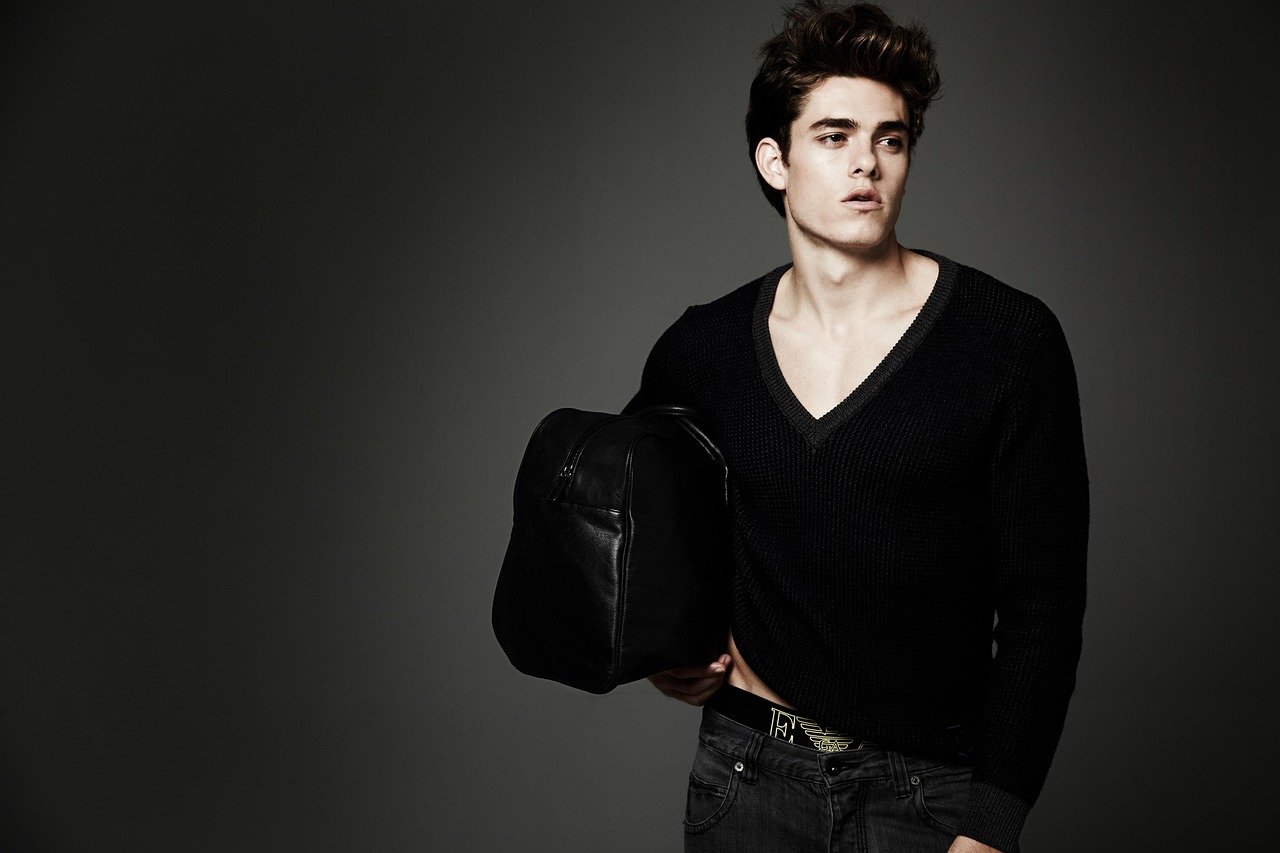
In 1950, a young model named Jean Patchett stepped in front of photographer Erwin Blumenfeld’s camera for a Vogue cover that would become one of the most recognizable images in fashion history. Her pose was minimal: a slight tilt of the head, a gloved hand near her face, eyes looking away. It was not a pose designed to sell a dress. It was a pose designed to create a mood. That distinction shapes how models pose for editorial photos, and it remains the single most misunderstood part of the craft.
Quick Answer: How models pose for editorial photos?
Models pose for editorial photos by treating the body as a storytelling tool rather than a product display. Instead of smiling directly at the camera or holding a catalog-style stance, they build a character, move through poses, and respond to direction from the photographer and art director to convey a specific mood or narrative.
This differs from commercial or e-commerce posing, where the goal is clarity and product visibility. Editorial posing prioritizes emotion, gesture, and the relationship between body, clothing, and light. It also varies by genre: fashion editorials favor angular movement, beauty editorials emphasize stillness and precision, and portrait editorials lean on psychological presence.
Before a shoot, models should understand the story concept, the lighting setup, the garment’s movement potential, the photographer’s reference images, and the physical demands of the location.
Why Editorial Posing Is a Different Skill Entirely
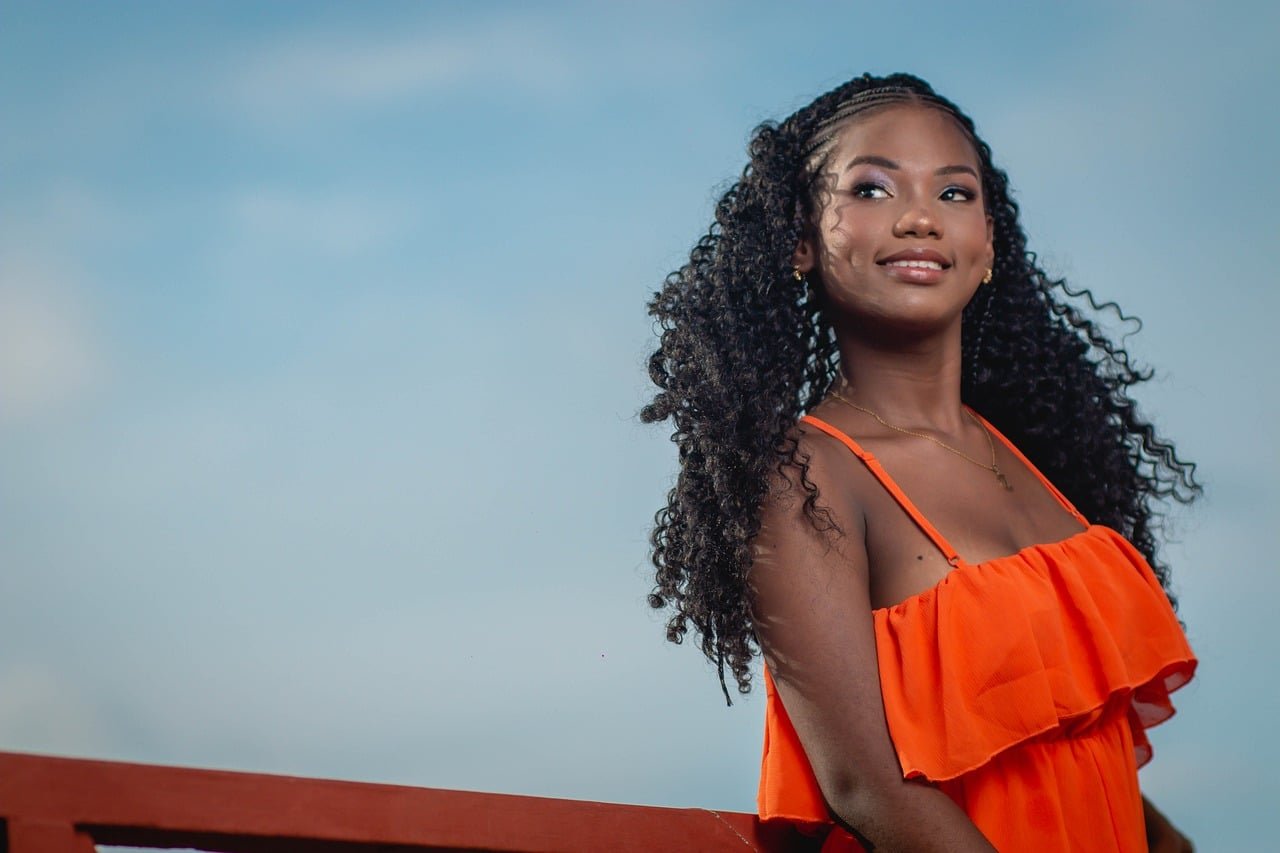
Walk into any catalog shoot and you will see a model cycling through a reliable set of poses: hand on hip, weight on one leg, chin slightly down. These poses work because they are repeatable and they show the product clearly. Editorial work throws most of that out the window.
Editorial photography exists to tell a story, support a theme, or express a creative vision. The clothing matters, but it is not the sole subject. A model might be asked to look bored, to appear mid-conversation, to lean against a wall as if waiting for someone who never arrives. The pose serves the narrative, not the hanger.
This is why experienced models describe editorial posing as acting with the body. The face, the hands, the angle of the shoulders, and even the breath all carry meaning. A clenched jaw reads differently from a relaxed one. A hand buried in hair signals something different from a hand resting flat against a collarbone. Learning to read those signals, and to produce them on command, is what separates a model who books editorial work from one who only books commercial jobs.
The Role of the Art Director and Photographer in Shaping Poses
Models rarely invent poses in a vacuum. On most editorial sets, the pose emerges from a three-way conversation between the art director, the photographer, and the model.
The art director establishes the concept: the mood board, the color story, the references from film, art, or architecture. According to the Encyclopaedia Britannica’s overview of fashion photography, editorial imagery has long drawn on fine art and cinema for its visual language, which is why mood boards so often include film stills and paintings.
The photographer translates that concept into light and composition, then directs the model in real time. Direction vocabulary matters enormously here. Phrases like “soft hands,” “chin down,” “find your light,” “give me movement,” and “less, less, less” are standard shorthand on set. A model who understands these cues responds faster and gives the photographer more usable frames. (Model (person)))
The model then fills in the gaps, offering variations, adjusting energy levels, and reading when a setup is working. The best editorial models are collaborators, not mannequins.
Core Techniques Models Use to Build Editorial Poses
Movement Over Static Posing
Editorial photography often captures motion rather than a held position. Models are frequently asked to walk, turn, sway, or shift weight continuously while the photographer fires in bursts. This produces natural fabric movement and expressions that a static pose cannot replicate. The practical tip here is to keep moving even when the photographer says “hold that” — a micro-adjustment in the fingers or breath keeps the image alive.
Angularity and Negative Space
Fashion editorials often favor strong angles: a sharp elbow, a bent knee, a tilted shoulder line. These create negative space around the body, which gives the garment room to read and gives the composition visual tension. Models learn to break the body into geometric shapes rather than presenting a flat, symmetrical silhouette.
The Eyes and the Gaze
Where the model looks changes the entire story. Direct eye contact creates confrontation or intimacy. Looking off-camera suggests contemplation or narrative. Eyes closed signals surrender or stillness. A common mistake among newer models is defaulting to a pleasant, camera-facing smile; editorial work usually calls for something more ambiguous.
Hands as Storytellers
Hands are the most underrated tool in editorial posing. They can suggest nervousness, elegance, defiance, or tenderness. Models are taught to keep hands relaxed but intentional, never splayed flat and stiff. A useful practice is to imagine holding a small object between thumb and forefinger, which naturally softens the hand shape.
Breathing and Stillness
Beauty editorials in particular demand near-total stillness with controlled breath. A held breath tightens the neck and jaw; a slow exhale relaxes the face. Models often time their exhale to the shutter click.
How Posing Changes Across Editorial Genres
| Genre | Pose Priority | Typical Direction | Common Mistake |
|---|---|---|---|
| Fashion editorial | Movement, angularity, garment flow | “Walk toward me, keep turning” | Freezing mid-motion and losing energy |
| Beauty editorial | Stillness, facial precision, neck line | “Chin down, eyes closed, breathe out” | Tensing the jaw while holding still |
| Portrait/celebrity | Psychological presence, subtle gesture | “Think about something difficult” | Over-posing and losing authenticity |
| Fitness/wellness | Strength, controlled tension | “Engage, lengthen, hold” | Gripping too hard and losing grace |
| Documentary-style candid | Natural interaction, environmental use | “Forget the camera, keep talking” | Performing instead of behaving |
Each genre trains a different muscle. A model who excels at beauty work may struggle with the loose, kinetic energy of a movement-heavy fashion story, and vice versa.
Practical Tips That Actually Work on Set
Study the mood board before you arrive. Models who understand the references bring better ideas. If the board references 1970s Italian cinema, the pose language will lean toward languid gestures and relaxed posture rather than sharp contemporary angles.
Warm up the body as well as the face. Shoulders, hips, and spine carry most of the pose. A five-minute mobility warm-up prevents the stiff, guarded look that ruins early frames.
Use the mirror deliberately. Practicing in a mirror builds body awareness, but over-reliance creates poses that only look good from the front. Practicing without a mirror, or filming yourself, reveals how a pose reads from multiple angles.
Ask for clarification early. If a direction like “give me more editorial” is unclear, asking for a reference image saves everyone time.
Watch the tether monitor when invited. Many sets allow models to review frames. This is a fast way to understand what the photographer is actually responding to.
Protect your energy across a long day. Editorial shoots can run ten hours. Hydration, small snacks, and short rests between setups preserve the facial and physical freshness that the final frames depend on.
The Collaboration Between Model and Direction
Editorial posing is a dialogue. Photographers and art directors bring the concept, but models bring the interpretation. A model who offers three variations of a pose instead of one gives the editor choices in post-production. A model who reads the room and adjusts energy when the photographer is chasing a specific frame becomes invaluable.
This is also where editorial standards matter. Publications that take craft seriously maintain clear editorial policies about accuracy, credit, and creative integrity, and the same seriousness applies to how images are conceived on set. Outlets like Voozon’s editorial policy outline how accuracy and quality standards shape published work, which in turn shapes the expectations placed on models during a shoot.
Many models build their editorial portfolios by studying the work of peers and established talent. Profiles on platforms like Voozon Models show how different models develop signature approaches to posing, from minimalist stillness to theatrical movement. Understanding that range helps a model find their own lane rather than copying whatever is trending.
Common Mistakes That Undermine Editorial Poses
The most frequent error is over-posing: stacking too many gestures at once so the image reads as busy rather than intentional. Editorial work rewards restraint. A single strong gesture beats five competing ones.
The second is losing the neck. Models often jut the chin forward when asked to look down, which creates tension and shortens the neck line. The fix is to lead with the crown of the head rather than the chin.
The third is flat feet and locked knees, which deaden the whole body. Keeping a slight bend in the knees and weight distributed unevenly keeps the silhouette alive.
The fourth is ignoring the garment. Editorial poses should work with the clothing’s construction. A structured coat wants angular shoulders; a flowing dress wants movement and air. Models who understand this make the clothes look better, which is ultimately the job.
How Models Practice and Improve Editorial Posing
Improvement comes from repetition with feedback. Practical methods include filming practice sessions, working with a photographer on test shoots specifically focused on movement, studying editorial spreads frame by frame to reverse-engineer poses, and taking direction-based classes where an instructor calls out cues in real time.
It also helps to understand the broader fashion ecosystem. Background on how the industry operates, such as the history and structure of the fashion industry, gives models context for why certain poses, moods, and references dominate different eras and markets. For those curious about the people behind the lens and the publications themselves, resources like Voozon’s about page explain how editorial teams approach story development and creative direction.
Conclusion
Editorial posing is not about finding the most flattering angle. It is about building a character, responding to direction, and using the body to tell a story that the clothing alone cannot. Models who master this shift, from product display to narrative performance, find themselves in demand for the work that most defines a career. The techniques are learnable: study the references, warm up the body, keep moving, use the hands and eyes with intention, and treat every setup as a collaboration rather than a performance. The result is imagery that feels alive, and that is precisely what editors are looking for.
What is the difference between editorial posing and commercial posing?
Commercial posing prioritizes product clarity, so poses tend to be repeatable, symmetrical, and camera-facing. Editorial posing prioritizes mood and narrative, so poses are often asymmetrical, movement-based, and emotionally ambiguous. The same model may use both skill sets on different jobs.
How long does a model typically hold an editorial pose?
Most editorial poses are held for only a few seconds, and often not held at all. Photographers frequently shoot in bursts while the model moves continuously. Static holds are more common in beauty work, where a model might hold a precise position for several frames before adjusting.
Do models need acting experience for editorial shoots?
Formal acting training is not required, but the skills overlap significantly. Models are often asked to embody a character, recall a memory, or project a specific emotion. Many editorial models take movement or improvisation classes to build that vocabulary.
What should a model do if they do not understand the photographer’s direction?
Ask for a reference image or a physical demonstration. Photographers are used to this request and usually prefer it to a model guessing wrong for twenty frames. Repeating the direction back in your own words also confirms understanding quickly.
Can shorter models do editorial posing work?
Yes. Editorial photography is less constrained by commercial height standards than runway or catalog work, and composition, styling, and camera angle can accommodate a range of body types. Many editorial markets actively seek diverse physicality.
How do models avoid looking stiff in editorial photos?
Stiffness usually comes from held breath, locked joints, and mental over-focus on the camera. Keeping knees slightly soft, breathing slowly, and directing attention toward the story rather than the lens are the most reliable fixes. Continuous small movements also prevent the frozen look.