
Model Off-Duty Winter Outfits: What Actually Works
 Abdul WadoodLast updated
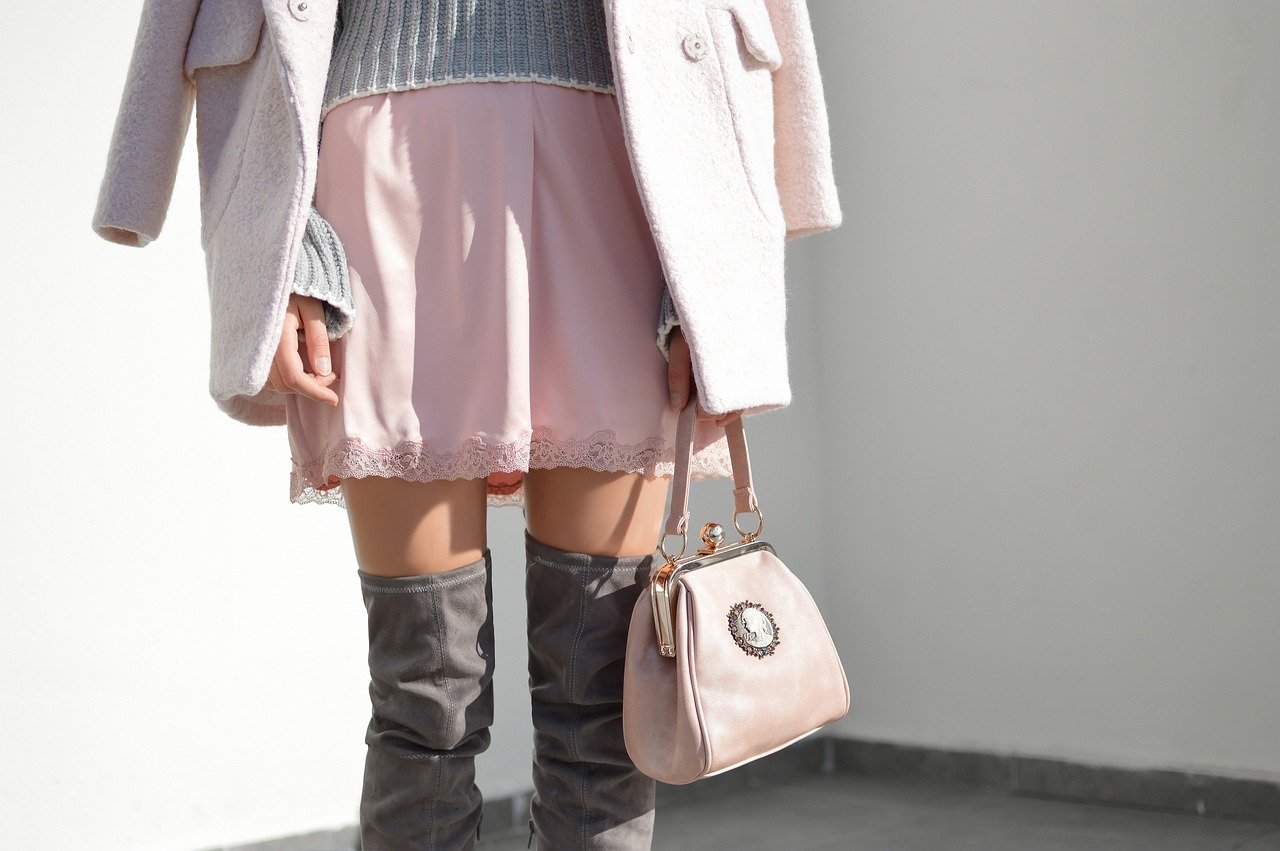
The most photographed coat in fashion is rarely the one that walked the runway. Street-style photographers have long known that the interesting pictures happen on the pavement outside a show venue, where a model has swapped stilettos for sneakers and a gown for a wool coat. That gap between the runway and the sidewalk is where model off-duty style lives, and in winter it becomes the most useful wardrobe reference most people have.
The appeal is practical. Off-duty looks are built for movement, cold weather, and long days, which is exactly what most people need from their own clothes. The trick is knowing which parts of the formula carry the look and which parts only work if you are six feet tall and walking between fittings.
What “model off duty” actually means
The phrase describes the clothes models wear between jobs: casting calls, fittings, flights, coffee runs, and the walk from car to backstage. It is a fashion-press label rather than a formal dress code, and publications use it loosely. The look is usually casual but deliberate, built from a small set of heavy-hitting basics rather than trends.
Winter is the season where the concept earns its keep. Summer off-duty style can lean on a tank top and denim shorts. Winter requires layers, and layers reveal taste. A coat, a knit, a boot, and a bag have to work together when there is no dress to hide behind.
It helps to separate the look into two halves. The core is the outfit itself: coat, knit, trousers, shoes. The context is the styling: hair, sunglasses, posture, the way a bag is carried. Most people copy the core and skip the context, then wonder why the result feels flat.
The building blocks of a winter off-duty outfit

The coat does most of the work
If one item decides whether an outfit reads as off-duty or simply cold, it is the outer layer. Three silhouettes dominate:
- Oversized wool coat. Long, straight, often double-breasted, worn open. This is the workhorse.
- Puffer or quilted jacket. Short and boxy, or long and belted. Practical in real cold and easy to style down.
- Leather or shearling jacket. Less warm than wool, but it adds texture and reads more casual.
A common mistake is buying an oversized coat one size too big and then wondering why it swallows the outfit. Oversized refers to the cut, not the fit. Shoulders should sit roughly where your shoulders are, and the sleeve should end near the wrist bone.
Knitwear: the layer people see indoors
A winter outfit spends half its life indoors with the coat off. That makes the knit as important as the coat. Fine-gauge cashmere, ribbed wool, and chunky crewnecks all work. The one rule that holds up in practice is proportion: a chunky knit wants a slimmer bottom, and a fine knit can handle wide-leg trousers.
Denim, tailoring, and leggings
Straight-leg and wide-leg denim are the default. Black leggings appear constantly because they work under boots and long coats. Tailored trousers show up more than people expect, usually with sneakers rather than heels. The unifying logic is comfort over structure.
Footwear that survives a real winter
Ankle boots, chunky lace-up boots, and clean sneakers cover most situations. The practical issue is salt and slush. Suede looks better in photographs than it does after a walk through a treated street, so anyone copying the look in a genuinely cold city should think about leather or rubber-soled options first.
The finishing pieces
Sunglasses in winter, a beanie or a structured hat, a scarf that is actually warm, and one bag that holds a phone, a charger, and a notebook. These are small decisions that change how the whole outfit reads.
Why the look photographs so well
Off-duty style is a study in contrast. A soft oversized coat against a hard leather boot. A chunky knit against a slim ankle. A neutral palette broken by one dark accessory. Photographers respond to that tension, which is why the same formula keeps appearing in street-style coverage.
There is also a practical reason. Models spend long days in clothes that are fitted, pinned, and uncomfortable. Their off-duty wardrobe swings hard in the other direction. The result is a look built around ease, and ease is easy to photograph.
For anyone building a wardrobe rather than a photograph, the useful takeaway is the contrast principle. Pick one soft element and one structured element per outfit. That single habit does more for a winter look than any specific brand.
A practical formula you can copy
The most reliable way to build an off-duty winter outfit is to work in layers and assign each layer a job.
| Layer | Job | Examples | Common mistake |
|---|---|---|---|
| Base | Warmth next to skin | Fine merino tee, thin cashmere knit | Choosing a bulky base that fights the coat |
| Mid | Visible style | Chunky crewneck, ribbed cardigan, hoodie | Two competing statement pieces |
| Outer | Shape and silhouette | Oversized wool coat, puffer, leather jacket | Sizing up when the cut is already oversized |
| Bottom | Balance | Straight denim, wide-leg trousers, leggings | Ignoring the coat length |
| Shoes | Grounding | Ankle boots, lace-up boots, sneakers | Suede in slush |
| Accessory | Personality | Sunglasses, beanie, structured bag | Too many at once |
Used well, this table turns a vague aesthetic into a checklist. The base layer is invisible, so spend there on warmth rather than looks. The mid layer is what people see indoors. The outer layer sets the silhouette from across the street.
Styling tips that separate a good outfit from a great one
Keep the palette tight. Two or three colors, with one of them dark. Camel, cream, grey, black, and navy cover almost everything. A single bright accessory is enough.
Let one piece be oversized, not all of them. An oversized coat with slim trousers reads intentional. An oversized coat with wide trousers and a chunky knit reads like a pile of fabric.
Pay attention to hem and sleeve length. A coat that ends mid-calf with cropped trousers creates an awkward gap. A sleeve that covers the hand hides the bag and the watch.
Wear the coat open when it is not freezing. The open coat is a styling move, not a temperature decision. It shows the layers underneath and stops the outfit from looking like a uniform.
Repeat your outfit. The people who look consistently good in winter are usually wearing a version of the same three outfits. Consistency reads as personal style.
Common mistakes and how to avoid them
The first mistake is treating off-duty style as a shopping list. Buying a specific coat because a specific model wore it rarely works, because the coat was chosen for her height, her coloring, and the day’s light. The formula transfers. The item often does not.
The second mistake is ignoring weather reality. Photographs are taken in the cold for a few minutes at a time. A real commute is longer. Anyone building a winter wardrobe should prioritize a warm base layer and weather-appropriate shoes, then style the visible layers.
The third mistake is over-accessorizing. Off-duty looks are deliberately sparse. One bag, one pair of sunglasses, maybe a hat. Adding a scarf, a belt, jewelry, and gloves to the same outfit pushes it toward costume.
The fourth mistake is skipping the fit check on the coat. Try the coat on over the thickest knit you own. If the shoulders pull or the sleeves ride up, the coat is the wrong shape regardless of size on the label.
Adapting the look to different climates
A winter in Copenhagen and a winter in Milan are not the same winter. The formula flexes.
In genuinely cold cities, the puffer or a long wool coat with a real lining wins, and boots with grip matter more than silhouette. In milder cities, the leather jacket and the fine knit carry the look, and the coat becomes more of a styling piece. In wet cities, leather and rubber beat suede and wool every time.
The same logic applies to body shape and height. A long oversized coat can overwhelm a shorter frame, so a cropped puffer or a coat that ends above the knee often works better. Wide-leg trousers look best with a shoe that has some visual weight. None of this contradicts the off-duty formula; it just adjusts the proportions. (Fashion)
Where to look for real-world reference
Runway coverage is the wrong place to study this look, because runway clothes are designed to be seen from a distance under lights. Street-style archives are the right place. So are the portfolios that document the people who wear the clothes for a living, such as the profiles, fashion features, and industry coverage collected at Voozon Models — Profiles, Fashion & Industry, where model style and working wardrobes are documented in context rather than as isolated product shots.
It also helps to study the same person across several outfits. A single photograph tells you what someone wore once. A series of photographs shows the formula they actually rely on: the same coat with different knits, the same boots with different trousers. That repetition is the real lesson.
Putting it together: a sample winter outfit
Start with a fine merino base layer. Add a chunky cream crewneck. Pull on straight-leg dark denim and a pair of leather ankle boots. Finish with a long camel wool coat worn open, black sunglasses, and a structured shoulder bag.
That outfit uses six pieces, three colors, and one contrast (soft knit against structured boot). It works in most cities in most winters, and every element can be swapped without breaking the formula. Replace the camel coat with a black puffer and the look becomes more casual. Replace the denim with tailored trousers and it becomes slightly sharper. Replace the boots with sneakers and it becomes a weekend outfit.
The point is not the specific pieces. The point is that a small, well-chosen set of layers can produce a dozen outfits, and that is what off-duty style actually is: a system, not a shopping spree.
Conclusion
Model off-duty winter style endures because it solves a real problem. It answers the question of how to look deliberate in cold weather without looking uncomfortable. The formula is unglamorous: a good coat, a warm knit, a reliable pair of trousers, weather-appropriate shoes, and a tight palette. What makes it look effortless is repetition and restraint, not expense.
Anyone can copy the look by starting with the layers they already own, checking the proportions in a mirror, and resisting the urge to add one more accessory. The best winter outfits hold up through a real day, rather than only in a photograph.
Frequently asked questions
What is a model off-duty outfit?
It is the casual clothing models wear between jobs, such as castings, fittings, and travel. The term comes from fashion media rather than the industry itself, and it usually describes a mix of oversized outerwear, simple knits, denim or leggings, and practical shoes. (Vogue Fashion)
What pieces does a winter off-duty wardrobe need?
A long oversized wool coat or a puffer, two or three knits in different weights, straight-leg or wide-leg trousers, black leggings, leather ankle boots, and one structured bag. Sunglasses and a warm hat complete the look. Most people need fewer pieces than they think.
How do I stop an oversized coat from swallowing my outfit?
Check the shoulder seam and sleeve length first. The coat should be oversized in cut, not in fit. Pair it with a slimmer bottom, keep the knit fine rather than chunky, and wear the coat open when the temperature allows so the layers underneath stay visible.
Can I wear sneakers with a winter off-duty outfit?
Yes, and it is one of the most common pairings. Clean leather sneakers work well with tailored trousers and long coats. In wet or snowy conditions, choose a shoe with grip and treat the leather before wearing it, because salt stains are difficult to remove.
How many colors should a winter outfit have?
Two or three is the reliable range, with one of them dark. A neutral base of camel, cream, grey, black, or navy makes it easy to mix pieces. One brighter accessory adds interest without breaking the palette.
Is off-duty style expensive to copy?
Not necessarily. The look depends on proportion, palette, and layering rather than logos. A well-fitting wool coat, a warm knit, and a solid pair of boots do most of the work, and those are items that can be bought secondhand or worn for years.