
How to Mix Gold and Silver Jewelry in 2026
 Abdul WadoodLast updated
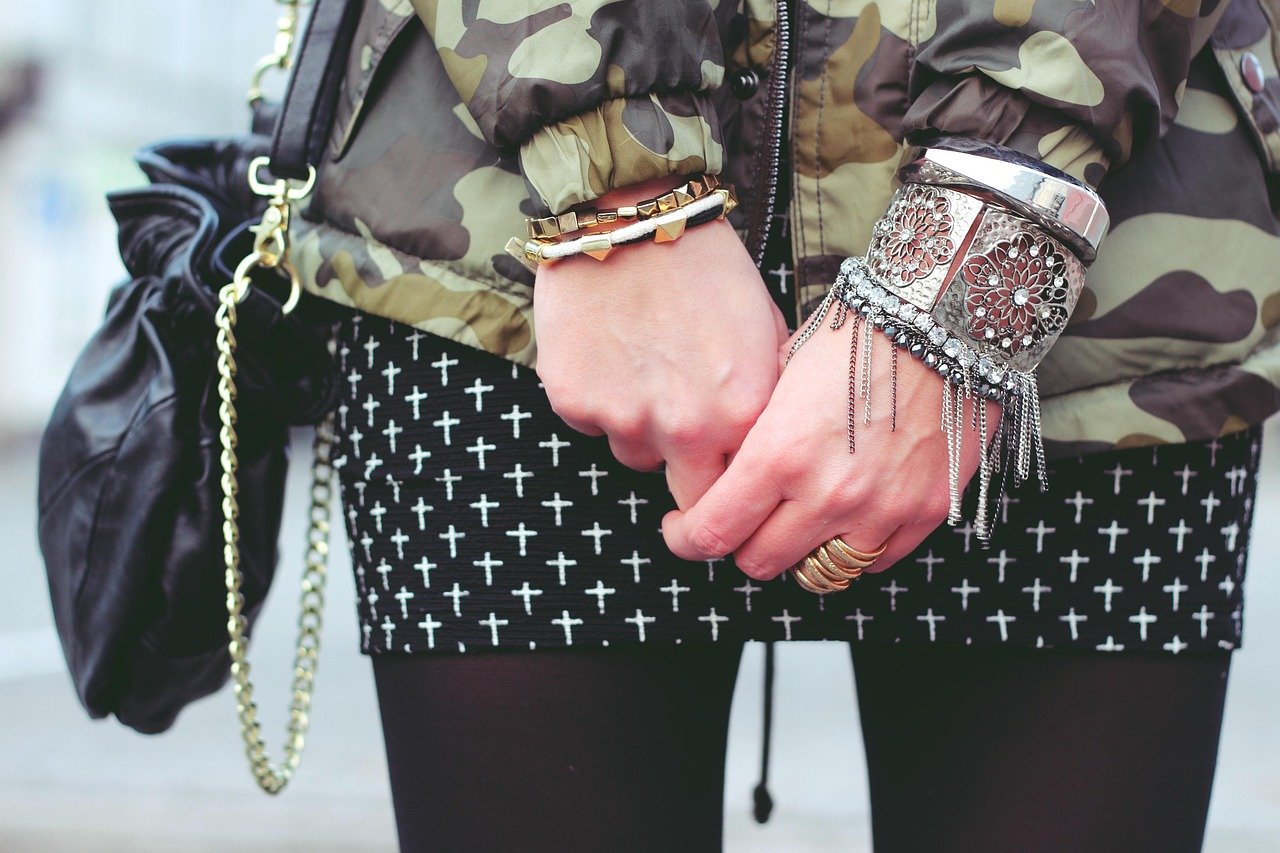
Walk through any jewelry department and you will notice the displays are quietly segregated. Gold on one side, silver on the other, as if the two metals were rival teams. Yet some of the most photographed wrists, necks, and ears in the world wear both at once. The trick is not luck. Mixing gold and silver jewelry is a styling skill with a few simple rules, a couple of technical facts about the metals themselves, and plenty of room for personal taste. Get those pieces right and the combination looks deliberate rather than accidental.
Why the “Never Mix Metals” Rule Is Mostly a Myth
The idea that gold and silver must stay apart is a convention, not a law of fashion or chemistry. Nothing about the metals themselves prevents them from sitting on the same neck. Both are durable, both hold their shape, and both have been worn together for centuries. Two-tone and tri-color gold jewelry, which combines yellow, white, and rose gold in a single piece, has appeared in fine jewelry for generations. If a single ring can hold three metal tones, a wrist can certainly hold two.
What actually happened is that jewelry retail organized itself around matching sets. Selling a full gold suite or a full silver suite is simpler than helping a customer build a mixed collection. Over time, that merchandising habit hardened into a “rule.” Modern stylists have largely abandoned it. The metals are neutral; the styling is what needs attention.
Start With a Dominant Metal

The single most useful habit for beginners is choosing a dominant metal before adding anything else. Roughly 70 percent of the visible metal on a person should be one tone, with the other metal making up the rest. This gives the eye a base to rest on and makes the second metal read as an accent rather than a mistake.
A practical way to apply this:
- Count the pieces you plan to wear and note each one’s metal.
- Pick the tone that appears most often or covers the most surface area.
- Let that tone anchor the look at the wrist, neck, or ears.
- Add one or two pieces in the second metal as contrast points.
If someone wears a gold watch, a gold chain, and gold studs, a single silver ring becomes a deliberate counterpoint. Reverse the ratio and the effect flips. The mistake people make is splitting the metals down the middle, five pieces of each, which creates visual noise instead of contrast.
Use a Bridge Piece to Tie the Two Together
A bridge piece contains both metals in one design. Think of a two-tone chain, a ring with a gold band and silver setting, or earrings where a gold hoop carries a silver charm. This is the fastest fix for a mixed set that feels disjointed.
Bridge pieces work because they repeat both colors in a single object. The eye reads the piece as one unit, then accepts the surrounding gold and silver as extensions of it. In practice, most people find that one bridge piece is enough. Two or more can start to look busy, especially in a small area like the ears.
A useful comparison of common approaches:
| Approach | Best for | Risk |
|---|---|---|
| Dominant metal plus one accent | Everyday wear, beginners | Can look timid if the accent is tiny |
| Bridge piece plus matching accents | Layered necklaces, stacked rings | Too many bridge pieces look cluttered |
| Even 50/50 split | Bold, deliberate statements | Reads as accidental if textures clash |
| Matching finish across metals | Formal settings | Limited contrast, can look flat |
Match Finish and Texture Before You Match Color
Many mixed-metal outfits fail not because of color but because of finish. A mirror-polished gold band next to a brushed silver cuff fights for attention. Two pieces with the same finish, whether polished, matte, hammered, or textured, cooperate even when their colors differ.
The practical rule: match the surface, vary the color. A high-shine gold chain sits comfortably beside a high-shine silver chain. A matte gold ring pairs well with a matte silver band. People who struggle with mixing metals often discover, on inspection, that their pieces simply have incompatible textures.
This matters for another reason. Gold alloys and sterling silver behave differently over time. Sterling silver tarnishes and needs polishing, while gold alloys generally resist tarnish. A heavily textured silver piece collects polish in its crevices and can look dull next to bright gold. Keeping finishes similar makes maintenance easier and keeps the pairing looking intentional.
Consider Skin Tone, but Do Not Treat It as a Rule
A common piece of advice says warm skin tones should wear gold and cool skin tones should wear silver. There is some logic to it: gold reflects warm light and silver reflects cooler light, so each tends to harmonize with certain complexions. But this is guidance, not a restriction. Plenty of people with cool undertones look excellent in gold, and the reverse is equally true.
What works better in practice is testing near the face. Hold a gold chain and a silver chain under the chin in daylight, not store lighting. Notice which one makes the skin look clearer and which one makes it look washed out. That test tells you more than any undertone chart. Once the dominant metal is settled, the second metal can go almost anywhere, because it is no longer competing for the most visible spot.
Scale the Metals to the Body Part
Metal mixing reads differently depending on where it sits. On the ears, small contrasts are enough. A gold stud in one piercing and a silver hoop in another looks balanced because the pieces are close together and the eye takes them in as a set. On the neck, longer chains need more thought, since a gold pendant on a long silver chain can look like two separate decisions. (Jewellery)
A few placement habits that consistently work:
- Ears: alternate metals across piercings, keeping the largest piece in the dominant tone.
- Neck: stack chains of similar width and finish, letting color alternate.
- Wrists: pair a dominant-metal watch or bracelet with one or two accents in the other metal.
- Rings: keep the dominant metal on the hand’s main finger and use the second metal on a neighboring finger.
The underlying principle is proximity. Metals that sit close together read as a group. Metals separated by a lot of bare skin read as separate outfits, which is why a gold necklace and silver earrings rarely clash while a gold necklace and a single silver earring on the same side can.
Watch the Undertone of Each Metal
“Gold” and “silver” are not single colors. Yellow gold, rose gold, white gold, and green gold all sit under the gold umbrella, and each has a different undertone. Sterling silver is cooler and slightly grayer than the bright white of rhodium-plated white gold. Palladium and platinum add further variations.
This matters when mixing. Rose gold, with its warm pink cast, sits more easily next to yellow gold than next to cool silver. White gold and silver are close enough in tone that they blend almost invisibly, which makes them an easy starting pair for anyone nervous about mixing. Yellow gold and silver create the strongest contrast, and that contrast is exactly what makes the combination striking when the finishes match.
A simple hierarchy helps:
| Pairing | Contrast level | Difficulty |
|---|---|---|
| White gold and silver | Low | Easy |
| Rose gold and yellow gold | Low to medium | Easy |
| Yellow gold and silver | High | Medium |
| Yellow gold and oxidized silver | Very high | Advanced |
Let One Metal Lead in Formal Settings
Formal and evening looks benefit from restraint. In a wedding or black-tie context, a clear dominant metal reads as more considered. This does not mean banning the second metal; it means keeping the accent small and consistent. A silver-accented gold bracelet with gold earrings is safer than a full 50/50 split.
The same logic applies to professional settings where jewelry is understated. A single bridge piece, such as a two-tone watch or a mixed-metal ring, does most of the work without drawing attention. People notice cohesion before they notice individual pieces, and cohesion is easier to achieve with a clear lead.
Common Mistakes That Make Mixed Metals Look Wrong
Most mixed-metal failures come down to a handful of repeatable errors. Recognizing them saves a lot of trial and error.
- Splitting evenly. Equal amounts of gold and silver compete instead of complementing.
- Ignoring finish. A polished piece next to a matte piece looks mismatched regardless of color.
- Mixing too many tones at once. Yellow gold, rose gold, white gold, and silver in one look is hard to control.
- Forgetting the hardware. Watch buckles, clasp metals, and eyeglass frames count as visible metal.
- Over-accessorizing. More pieces mean more chances for the mix to look accidental.
- Skipping the mirror test. Jewelry looks different at arm’s length than up close.
The hardware point catches people off guard. A silver watch clasp on a gold-toned strap, or gold-rimmed glasses with silver earrings, adds a metal the wearer did not plan for. Checking the whole outfit in a mirror, rather than only the jewelry tray, catches these hidden tones.
Care and Cleaning When Metals Share a Space
Mixing metals has a practical side. Sterling silver tarnishes when exposed to sulfur compounds in the air, and the tarnish can transfer to nearby items if jewelry is stored loose in a single box. Keeping silver in tarnish-resistant pouches and gold in separate soft bags prevents the problem.
Cleaning also differs. Silver benefits from a soft polishing cloth, while gold alloys generally need only mild soap and water. Plated pieces, including gold-plated silver, need gentler treatment because the plating wears with repeated polishing. Wearing plated and solid pieces together is fine, but the plated item will need replacing sooner, and that is worth knowing before building a collection around it. (Jewellery)
Building a Mixed Collection Over Time
The most sustainable approach is gradual. Start with a dominant metal that suits everyday wear, then add one bridge piece and one accent in the second metal. From there, add pieces that share finish and scale with what already exists. Collections built this way tend to mix naturally because every addition was chosen to fit the existing set.
For inspiration and styling ideas, platforms like VOOZON showcase how mixed-metal looks come together in real outfits. Seeing the combinations on different people is often more useful than reading rules, because it shows how much variation is possible within the same basic principles.
Conclusion
Mixing gold and silver jewelry comes down to a few controllable factors: a dominant metal, matched finishes, a bridge piece, and attention to scale and placement. The metals themselves are neutral. What makes a combination work is the intention behind it, and intention is something anyone can learn. Start with one accent piece, check the whole outfit in a mirror, and let the contrast do the rest. The old rule about keeping metals apart was never really about the metals at all.
Frequently Asked Questions
Can you wear gold and silver jewelry at the same time?
Yes. There is no technical or chemical reason to avoid it. The metals do not react with each other when worn together. The only consideration is visual: choose a dominant metal and let the other act as an accent so the combination looks deliberate.
What is the best way to mix gold and silver necklaces?
Stack chains of similar width and finish, and let the colors alternate. Keep the largest or most prominent pendant in the dominant metal. Matching the finish, whether polished, matte, or hammered, matters more than matching the color.
Does mixing metals depend on skin tone?
Skin tone can guide which metal looks best near the face, but it is not a strict rule. A daylight test under the chin is more reliable than undertone charts. Once the dominant metal is chosen, the second metal can be worn almost anywhere else.
Is it okay to mix gold and silver in a wedding or formal setting?
Yes, with restraint. Keep a clear dominant metal and use the second as a small, consistent accent. A single bridge piece, such as a two-tone watch or mixed-metal ring, usually provides enough contrast without looking busy.
Why does my mixed-metal jewelry look mismatched?
The most common causes are mismatched finishes, an even 50/50 split between the metals, or too many tones at once. Check the texture of each piece first, then reduce the number of metal tones and rebalance the ratio.
Do gold and silver jewelry need different care?
Yes. Sterling silver tarnishes and benefits from a polishing cloth and tarnish-resistant storage. Gold alloys generally need only mild soap and water. Plated pieces need gentler handling because the plating wears with repeated polishing.