
Is Michael Kors Watch a Luxury Brand? Honest 2026 Breakdown
 Abdul WadoodLast updated
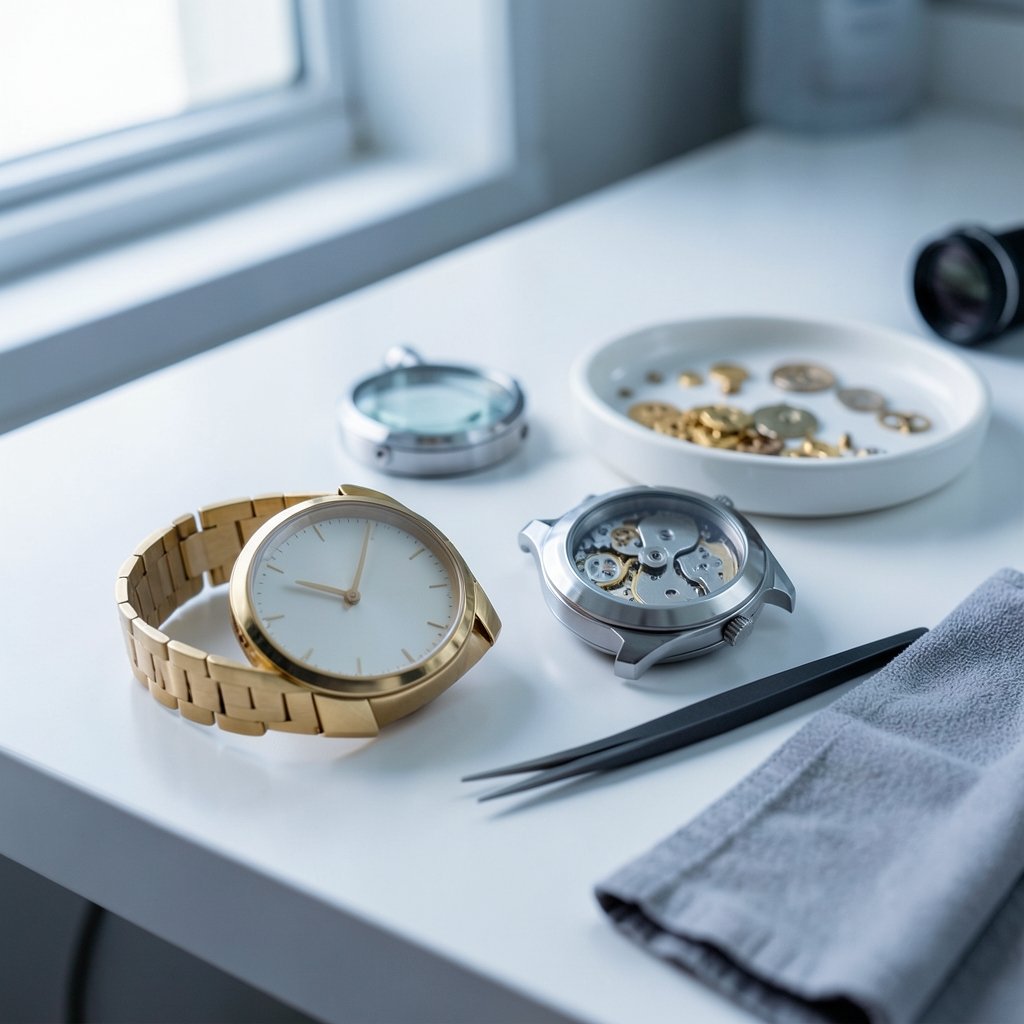
Quick Answer: Is michael kors watch a luxury brand?
It depends on who you ask. By watch-industry standards, no: Michael Kors watches are fashion watches built around quartz movements, sold mostly between $100 and $400, and made under license by a third party rather than by a watchmaker. By marketing standards, the brand calls itself “luxury,” and its parent company groups it with genuine high-end labels.
The gap matters because a $250 Michael Kors watch and a $6,000 entry-level mechanical watch are not the same product category, even if both sit in glass cases. Comparable-but-different options include accessible luxury fashion brands and true entry-level Swiss mechanicals.
Before buying, compare movement type, country of assembly, warranty length, resale value, service costs, materials, and who actually manufactures the watch.
Why the Word “Luxury” Causes So Much Confusion
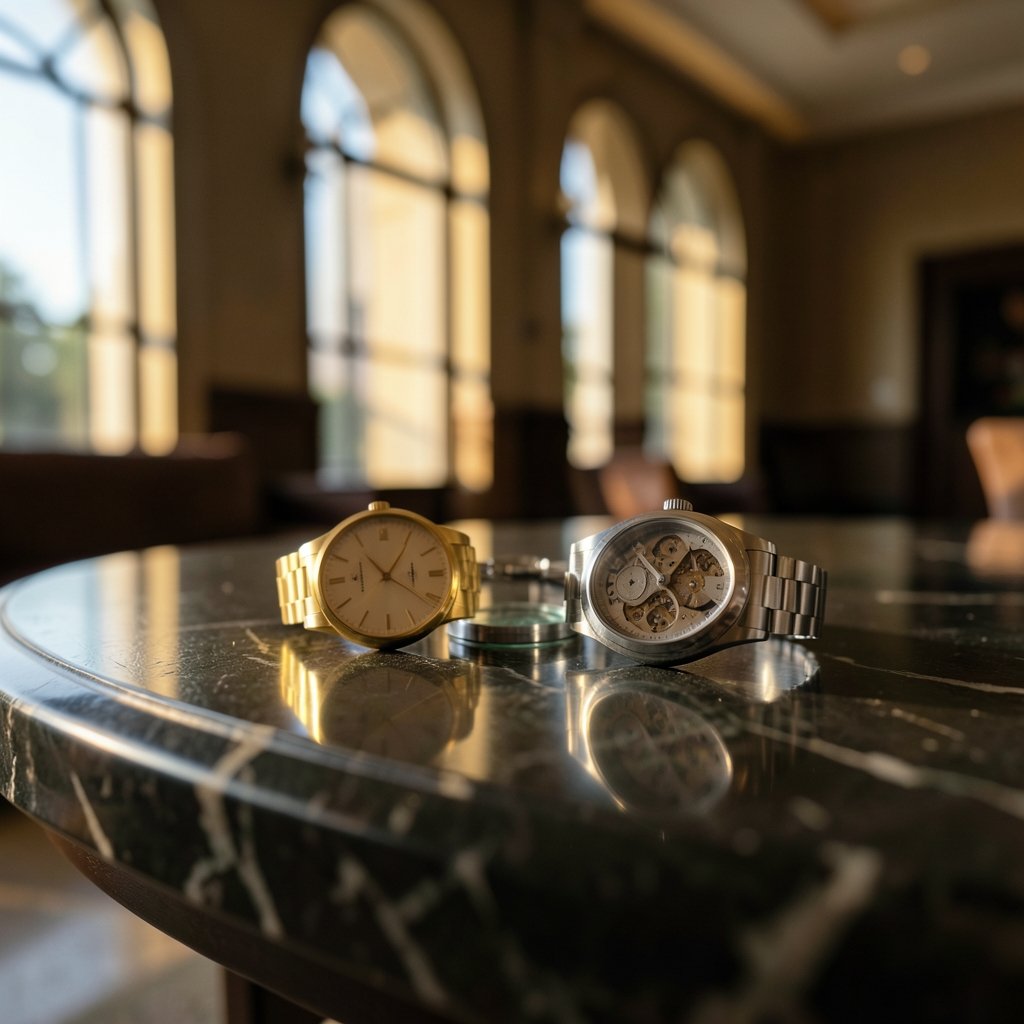
Here is the strange thing about this question: almost everyone answers it confidently, and they disagree. A shopper who loves a gold-tone Michael Kors chronograph will call it her luxury watch. A collector with a winder full of mechanical pieces will say it is not luxury at all. Both are using the word correctly for their own context.
The problem is that luxury is not a regulated term. Nobody certifies it. There is no governing body that inspects a watch and stamps it “luxury” the way a Swiss authority certifies Swiss Made. In fashion retail, luxury has drifted toward meaning “premium-feeling and priced above the mass market.” In horology, it still carries older baggage: in-house movements, decades of heritage, hand finishing, and a service network that will still care for the watch in thirty years.
Michael Kors sits right on that fault line. The brand was founded in 1981 by the American designer Michael Kors and built its reputation on jet-set sportswear and handbags, not on movements and escapements. Its watches arrived later, as an accessory line extension. That origin story explains almost everything about how the watches are made and priced today.
What Actually Makes a Watch “Luxury”?
Strip away the marketing and a few concrete markers separate high horology from fashion watches. None of them is a single pass/fail test, but together they form a useful checklist.
| Marker | True luxury watchmaking | Typical fashion watch |
|---|---|---|
| Movement | Mechanical, often in-house | Quartz, usually sourced |
| Production | Watchmaker’s own factory | Licensed third-party manufacturer |
| Price band | Roughly $1,000 and far up | Roughly $100 to $400 |
| Heritage | Decades of watchmaking history | Brand history in fashion, not watches |
| Service | Long-term servicing and parts | Replace-the-module approach |
| Resale | Retains meaningful value | Usually steep depreciation |
The price band is the clearest signal. Entry-level luxury mechanical watches generally start around $1,000 and climb quickly. Most Michael Kors watches retail in the low hundreds. That is not a knock on the design. It is simply a different product built to a different cost structure, with a battery inside instead of a mainspring.
The Licensing Model, Explained Simply
Michael Kors does not make its own watches. Like many fashion houses, it licenses the category to a specialist manufacturer that designs, produces, and distributes the watches under the brand’s name.
For years that partner was Fossil Group, a company whose entire business is built on designing and making watches for other brands. Fossil’s public filings describe this licensing arrangement in detail, which is why the corporate record is a better guide than any advertisement. You can read the licensing disclosures directly in Fossil Group’s SEC filings, which document how the model works.
This is not scandalous. It is standard practice across accessible luxury, and it keeps prices low. But it does mean the watch is not the product of a watchmaking house with its own ateliers, apprentices, and movement designers. When people ask whether Michael Kors is a luxury watch brand, the licensing structure is the single most common reason the answer comes back negative.
Where the Brand Sits: Accessible Luxury, Not High Horology
The industry has a name for this tier: masstige, or mass prestige. It describes brands priced well above the mass market but below true luxury, sold in department stores and outlet malls rather than appointment-only boutiques. The concept is explained in more depth in this overview of mass prestige and affordable luxury, which traces how the tier emerged and why it confuses shoppers.
Michael Kors is a textbook example. Its handbags, watches, and eyewear feel elevated compared with a drugstore purchase, and the branding leans hard into glamour. But the company’s own corporate history tells a story of scale, not scarcity. The brand listed on the New York Stock Exchange in December 2011 and was later renamed Capri Holdings Limited in December 2018 after acquiring Versace and Jimmy Choo.
That last detail is worth pausing on. Capri Holdings describes its stable as a luxury group, and it does own genuinely high-end names. Michael Kors sits inside that group as the volume driver. You can trace the corporate positioning in Capri Holdings’ SEC filings, where the brand is discussed alongside its siblings.
For contrast, look at how other fashion houses climbed the ladder. Chanel built a watchmaking division and bought movement manufacturers; its path is traced in this Chanel brand history from Paris hat shop to global luxury. Burberry took a similar route from outerwear into premium accessories, covered in this Burberry brand history from raincoat workshop to global luxury. Michael Kors has largely stayed in its lane.
What You Actually Get for the Money
Practical shoppers want to know whether the watch is worth buying, not whether it clears some abstract bar. So here is the honest accounting.
The good: Michael Kors watches look expensive. Finishing is usually clean, the designs follow current trends closely, and the brand recognition is real. A quartz movement is accurate, needs almost no attention beyond a battery change every couple of years, and shrugs off being left in a drawer. For someone who wants a sharp-looking watch for work or evenings and does not want to think about servicing, that is a genuinely sensible package.
The trade-offs: Quartz fashion watches depreciate hard. A $300 watch bought new is unlikely to fetch much on the secondary market. Materials are typically plated base metal rather than solid gold or steel, so plating can wear through at contact points over years of daily wear. And because the watch is licensed, a jeweler may not be able to source original parts a decade from now.
A few practical tips that actually help:
- Check the caseback and product listing for the movement type before buying. If it says quartz, you know exactly what you are getting.
- Look for solid stainless steel rather than plated alloy if you plan to wear the watch daily.
- Ask about the warranty period and who honors it, since the retailer and the manufacturer may differ.
- Buy the design you love, not the investment thesis. There is no resale story here.
- If long-term servicing matters to you, put the same budget toward an entry-level mechanical piece instead.
The most common mistake is assuming price equals category. A discounted $180 Michael Kors watch and a $1,800 mechanical watch are not competing products, even when they share a display case.
How Michael Kors Compares With Real Luxury Watchmakers
Put the brand beside the names that define the category and the distance becomes obvious. Rolex, Patek Philippe, and Omega build their own movements, run their own service centers, and hold value in ways fashion watches simply do not. Their entry points sit far above Michael Kors’ ceiling.
The Swiss watch industry itself draws these lines statistically. Official export data segments watches by price and origin, and the high-price tier is dominated by Swiss mechanical production, while fashion watches are overwhelmingly quartz and often assembled in Asia. The Federation of the Swiss Watch Industry publishes Swiss watch export statistics and segment data that make the split visible without any marketing language attached.
That said, the fashion tier is not a monolith. Some brands within it have crept upward, and a few have genuine watchmaking ambitions. The comparison is less about snobbery and more about knowing which shelf you are shopping from. If you are curious how other accessible-luxury labels have handled the same tension between volume and prestige, this Valentino brand history from Rome atelier to global luxury shows a different playbook entirely.
Where the Brand Itself Disagrees
It would be unfair to pretend the brand accepts the watch-industry verdict. Capri Holdings uses luxury language in its own corporate communications, and Michael Kors retail marketing routinely frames the watches as premium accessories. That is a legitimate position in fashion, where luxury has always meant aspiration as much as engineering.
The conflict is real and worth stating plainly rather than resolving. Marketing usage and horological usage are two different dialects of the same word. When a retailer calls a Michael Kors watch luxury, it means “positioned above the mass market and beautifully presented.” When a collector says it is not luxury, they mean “not made by a watchmaker to high-horology standards.” Both statements are accurate inside their own frame.
Shoppers get into trouble when they mix the frames, buying a fashion watch expecting heirloom quality, or dismissing a perfectly good design because it fails a test it was never designed to pass.
Conclusion
So, is Michael Kors a luxury watch brand? For most practical purposes, no. It is an accessible luxury fashion brand whose watches are licensed, quartz-driven, and priced in the low hundreds. They are well-presented, trend-aware accessories that do their job nicely. They are not high horology, and they are not built to be.
The more useful question is what you want from a watch. If you want a handsome, accurate piece that matches your wardrobe and does not demand servicing rituals, Michael Kors delivers exactly that, and the “luxury” label on the tag is marketing shorthand you can safely ignore. If you want mechanical craftsmanship, heritage, and something that holds value, your budget needs to point somewhere else entirely.
Buy the watch that fits the life you actually live. Just know which category you are standing in when you do it.
Frequently Asked Questions
Are Michael Kors watches good quality?
They are decent quality for the price. Finishing is clean, quartz movements are accurate and low-maintenance, and the designs are current. The main limitations are plated materials on many models and limited long-term parts availability, since production is licensed to a third party rather than handled in-house.
Who actually manufactures Michael Kors watches?
They are made under license by a specialist watch manufacturer rather than by Michael Kors itself. For years that partner was Fossil Group, a company that designs and produces watches for many fashion brands. The licensing arrangement has reportedly been transitioning in recent years, so check current product details if the manufacturer matters to you.
Do Michael Kors watches hold their value?
Generally no. Fashion watches typically depreciate sharply after purchase, and there is only a thin secondary market for them. If resale value is a priority, entry-level mechanical watches from established watchmakers are a far better bet, even though they cost considerably more up front.
What is the difference between a fashion watch and a luxury watch?
A fashion watch is typically quartz-powered, licensed, and priced in the low hundreds, with the brand’s value coming from clothing and accessories. A luxury watch usually has a mechanical movement, comes from a watchmaking house with real heritage, costs four figures or more, and offers long-term servicing and stronger resale.
Are Michael Kors watches Swiss made?
Most are not. Swiss Made is a protected designation with strict origin rules, and the majority of Michael Kors watches use quartz movements assembled outside Switzerland. A small number of models may carry Swiss movement markings, so check the dial and caseback if that detail matters to you.
Is a Michael Kors watch a good gift?
It can be, especially for someone who values style and brand recognition over watchmaking credentials. The designs photograph well and the packaging feels premium. Just set expectations honestly: it is a fashion accessory, not an heirloom, and the recipient should not expect it to appreciate or hold value over time.