
Luxury All-Inclusive Resorts Riviera Maya: What You Get
 Abdul WadoodLast updated
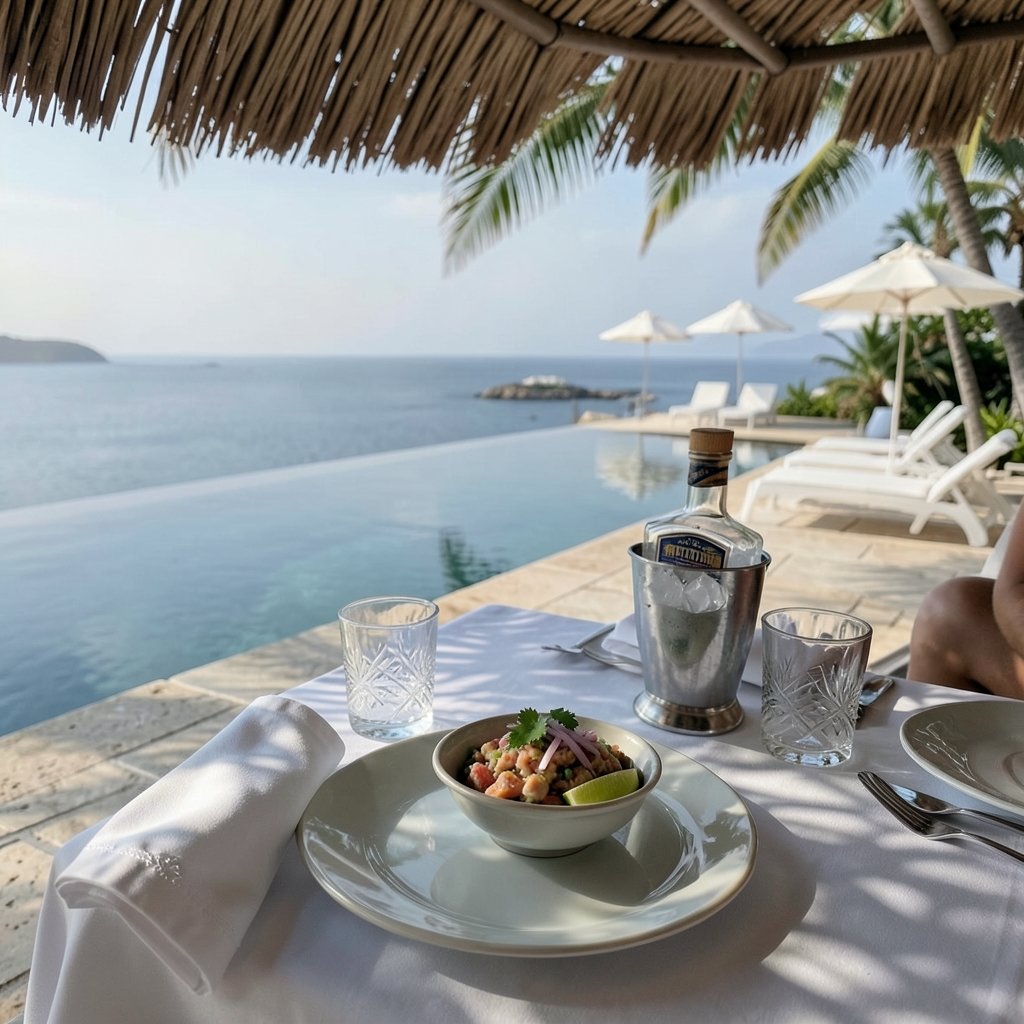
What if the hardest part of a Riviera Maya vacation was not the price, but figuring out what the price actually includes? The region’s luxury all-inclusive resorts promise meals, drinks, service and setting in one rate. Yet two properties with similar nightly figures can deliver wildly different experiences. One might pour premium tequila and serve four à la carte restaurants. The other might pour house liquor and run a crowded buffet.
This guide breaks down the coast, the resort clusters, the inclusions, and the traps. It is written for travelers who want a genuinely upscale trip without paying for things they will never use.
What “Riviera Maya” Really Means
The name is a tourism-marketing label, not an official region. It describes the Caribbean coastline of Quintana Roo state, running roughly from Puerto Morelos south through Playa del Carmen, Puerto Aventuras, Akumal and Tulum. Boundaries are fuzzy, and nobody enforces them. That matters because a resort marketed as “Riviera Maya” might sit ten minutes from Cancún or ninety minutes down the coast.
The corridor’s growth traces back to Cancún, which Mexico’s national tourism development fund began building as a planned resort city in 1970. Riviera Maya branding arrived in the 1990s as development pushed south. Today the coast is one of the Caribbean’s densest concentrations of luxury all-inclusive properties. (All-inclusive resort)
The Main Luxury Clusters, Compared

Each cluster has a distinct personality. Choosing the wrong one is the most common booking mistake.
| Cluster | Vibe | Best For | Trade-off |
|---|---|---|---|
| Puerto Morelos | Quiet, low-rise, reef-adjacent | Couples, divers, peace seekers | Fewer restaurants and nightlife nearby |
| Playa del Carmen / Playacar | Urban energy, walkable town | Travelers who want to leave the resort | Busier beaches, more vendors |
| Puerto Aventuras | Gated, marina-based, calm | Families, sailors, golfers | Feels slightly enclosed |
| Akumal | Bays, turtles, small-scale | Snorkelers, nature lovers | Limited luxury inventory |
| Tulum beach zone | Design-forward, bohemian | Aesthetics-driven travelers | Patchy infrastructure, sargassum exposure |
Well-known luxury names along this coast include Rosewood Mayakoba, Fairmont Mayakoba, Banyan Tree Mayakoba, Grand Velas Riviera Maya, Hotel Xcaret México and Unico 20°87°. Brand presence changes, so confirm current status and inclusions before booking.
If you are weighing a couples-focused trip, the best adults-only luxury resorts guide walks through how to choose without regret. Travelers comparing broader options across the coast may also find the luxury resorts getaway edition useful for side-by-side context.
What “All-Inclusive” Actually Covers at the Luxury Tier
There is no industry-standard definition of all-inclusive, and that is the single biggest source of disappointment. In Mexico, the term generally means room, meals, drinks and some activities in one rate. At the luxury tier, properties typically add à la carte dining, butler service, spa credits and premium spirits. But inclusions vary property by property, sometimes room category by room category.
Here is what to check line by line before you commit:
- Dining access. Are all restaurants included, or do some carry a surcharge? Is there a reservation cap per stay?
- Alcohol brands. “Premium drinks included” can mean top-shelf pours or a short list of mid-tier labels.
- Butler and concierge. Often tied to suites only, not the base room.
- Spa. A “spa credit” is not a spa. Confirm the dollar value and whether it covers treatments or only facility access.
- Transfers. Airport transfers are frequently excluded at luxury properties, even when everything else is bundled.
- Activities. Snorkeling gear, kayaks and non-motorized water sports are usually free. Diving, fishing and boat trips usually are not.
- Taxes and service charges. Some rates quote before tax; Mexican lodging tax and service charges can add a meaningful percentage.
A useful sanity check: divide the total rate by the number of travelers and nights, then compare that figure against a comparable non-all-inclusive hotel plus realistic food and drink spending. For heavy drinkers and families with teenagers, all-inclusive usually wins. For light eaters who plan to explore, it often does not.
The Sargassum Factor Nobody Warns You About
Since around 2011, influxes of sargassum seaweed have hit Caribbean beaches in Quintana Roo, and severity swings year to year. Some seasons are barely noticeable. Others turn the water brown for weeks. Resorts have responded with offshore barriers, collection crews and daily raking, and the best-managed properties are noticeably better at it than the rest.
Practical advice: ask the resort directly what its sargassum program involves, and check recent traveler photos rather than promotional shots. Beachfront perfection is not guaranteed anywhere on this coast. If swimming matters more than sunbathing, prioritize properties with strong pool complexes and confirm the reef swimming situation at the time you plan to travel.
Reef Rules, Sunscreen and Environmental Compliance
The Mesoamerican Reef runs along this coast and is the second-largest barrier reef system in the world. Resorts and tour operators operate under Mexican environmental rules, including permits and standards enforced at the federal level. Some protected areas restrict sunscreen ingredients that harm coral, so reef-safe products are the safer bet.
Travelers who care about genuine environmental claims should look past marketing language. The guide to spotting genuine sustainability at eco-luxury lodges explains how to tell real programs from greenwashing, and the same tests apply to beach resorts. Mexico’s national tourism development fund, FONATUR, publishes background on how the region’s resort zones were planned and developed, which helps explain why the coast looks the way it does. (Mexico Ministry of Tourism (SECTUR))
Getting There and Timing Your Trip
Cancún International Airport (CUN) is the main airport, and the newer Felipe Carrillo Puerto International Airport near Tulum opened in December 2023 to serve the southern corridor. Flying into the closer airport can cut an hour or more from the transfer, but route options remain thinner than at Cancún.
Hurricane season runs June through November, with peak risk typically August through October. That does not mean avoiding the region entirely. It means reading cancellation and rebooking policies carefully, buying travel insurance that covers weather disruption, and accepting that a September bargain carries real risk. High season, roughly December through April, brings the best weather, the highest rates and the most crowded restaurants.
A few practical habits that separate smooth trips from stressful ones:
- Book airport transfers in advance; taxi pricing at the airport is inconsistent.
- Confirm whether your rate is quoted per person or per room, and before or after tax.
- Reserve à la carte restaurants at check-in, not on night three, when prime slots are gone.
- Pack reef-safe sunscreen and a refillable bottle; some properties have cut single-use plastics.
- Keep a screenshot of your booking inclusions. Front-desk staff sometimes have different information than the sales page.
Where the Money Goes: What Separates Good From Great
At the top end, the difference is rarely the room. It is staffing ratios, food quality and how problems get handled. A resort with four restaurants and a genuine culinary program beats one with eight mediocre outlets. Butler service that actually anticipates needs beats a phone number that rings unanswered.
Room category matters more than most travelers expect. At many luxury properties, the entry-level room excludes the butler, the private pool and the premium dining access that the brochure photography implies. Upgrading one category often delivers more value than switching brands.
For travelers extending the trip beyond the beach, the Mexico City luxury travel guide covers where to stay and eat in the capital, a natural pairing with a coastal week. And if the trip turns into a broader road journey, the guide to the quietest luxury cars explains which cabins genuinely stay silent on long drives.
Common Mistakes That Cost Real Money
Booking purely on star rating is the classic error. Star ratings reflect facilities, not service quality or food. Reading recent reviews specifically about dining and staff responsiveness tells you more.
Paying for inclusions you will not use is the second. Spa credits and golf access look generous until you realize you will spend every day at the beach. Third is ignoring transfer time. A “Riviera Maya” resort ninety minutes from the airport effectively costs you three hours of vacation on a short trip.
Finally, many travelers assume the all-inclusive rate is final. Taxes, service charges, upgraded wine lists and excursions routinely push the real total well above the quoted number. Budget a buffer of roughly fifteen to twenty-five percent and you will not be surprised at checkout.
Conclusion
Luxury all-inclusive resorts in Riviera Maya can deliver exceptional value, but only when the inclusions match how you actually travel. Pick the cluster that fits your personality first. Then read the fine print on dining, drinks, butler access and transfers. Check the sargassum situation and the hurricane-season math. Do those three things and the coast rewards you with warm water, serious food and a genuinely restful week. Skip them and you may pay luxury prices for a mid-range experience.
FAQ
What does all-inclusive usually include at Riviera Maya luxury resorts?
Most rates cover the room, meals, drinks and some non-motorized activities. Luxury-tier properties often add à la carte restaurants, premium spirits, butler service and spa credits. There is no industry-standard definition, so inclusions vary by property and even by room category. Always confirm the specifics in writing before booking.
Is Riviera Maya expensive compared with Cancún?
It depends on the cluster and season. Puerto Morelos and Akumal tend to be quieter and can be better value, while Tulum’s design-forward properties and the Mayakoba area command premium rates. High season from December to April is the most expensive. Comparing total cost per person per night, including taxes and transfers, gives the fairest picture.
When is the best time to visit?
December through April offers the most reliable weather and the highest prices. May and November can be good shoulder-season compromises. June through November is hurricane season, with peak risk from August to October. Travelers booking in that window should check cancellation policies carefully and consider insurance that covers weather disruption.
Do I need to worry about sargassum seaweed?
It is worth checking. Sargassum influxes have affected Quintana Roo beaches since around 2011, and severity varies significantly year to year. Ask the resort what its collection and barrier program involves, and look at recent traveler photos rather than promotional images. Properties with strong pool complexes offer a reliable backup when the beach is affected.
Which airport should I fly into?
Cancún International Airport (CUN) is the main airport and has the widest route network. The newer Felipe Carrillo Puerto International Airport near Tulum, opened in December 2023, serves the southern corridor and can cut transfer times considerably. Compare total travel time and flight price, especially for short trips.
Are Riviera Maya resorts good for families and couples alike?
Yes, but choose carefully. Puerto Aventuras and the larger family-oriented properties suit children well, with water parks and kids’ clubs. Adults-only properties concentrate on quiet pools, later dining and a calmer atmosphere. Booking the wrong style is the most common mismatch, so confirm the property’s age policy before you commit.
What should I pack? Reef-safe sunscreen, a refillable water bottle, light layers for air-conditioned restaurants, and footwear that handles wet pool decks and uneven beach paths. Many properties have reduced single-use plastics, so bring your own toiletries where practical. Pack a light rain shell if traveling between June and November, and keep a screenshot of your booking inclusions accessible offline for check-in.