
Luxury Cruise Line Guide: What Truly Defines Luxury
 Abdul WadoodLast updated
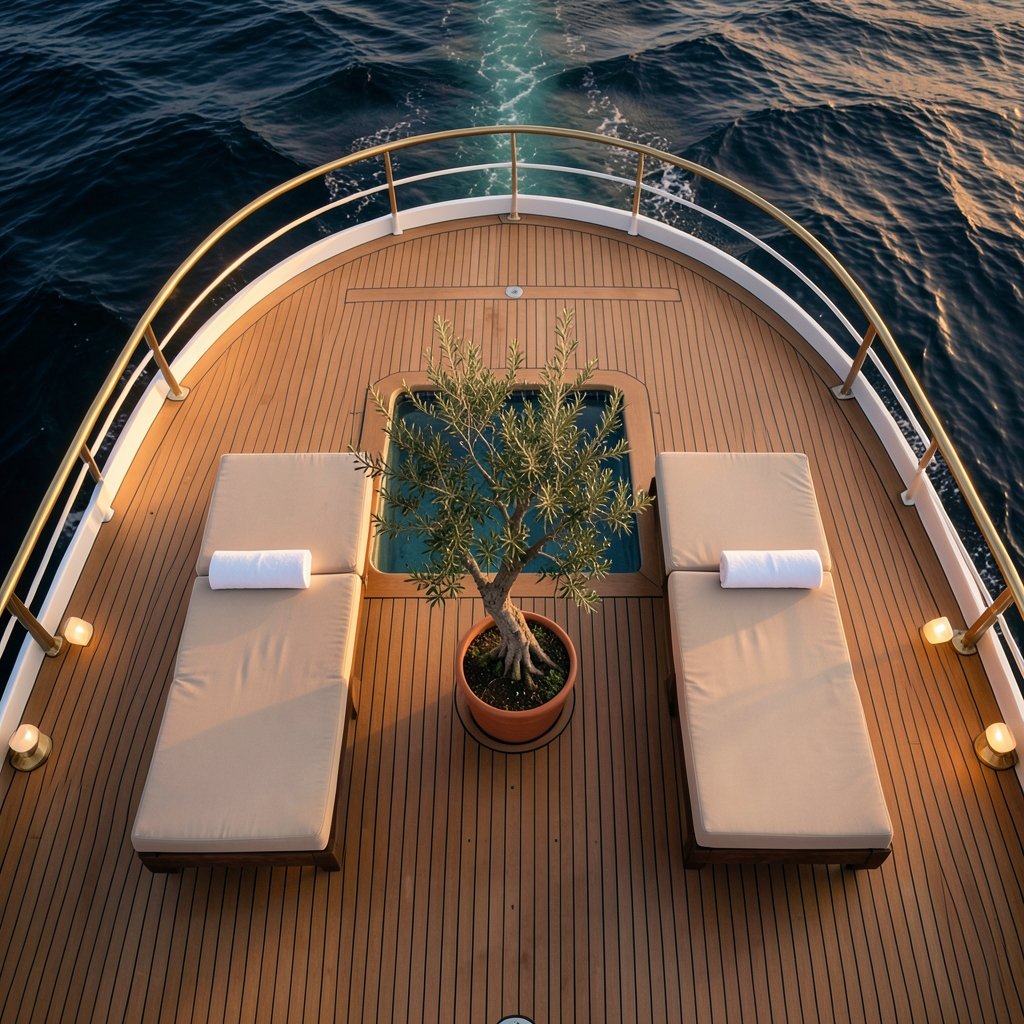
What separates a luxury cruise from a very good mainstream one? It is not the thread count of the sheets, though those are nice. The real answer comes down to space, service ratios, what is bundled into the fare, and where the ship can physically go. Understanding those mechanics helps travelers judge whether a premium price tag is worth it, or whether they are paying for marketing gloss.
The Core Definition: Space, Ratio, and Inclusion
The luxury cruise segment has no single official definition. Trade bodies such as the Cruise Lines International Association publish industry-wide statistics but do not isolate a luxury category, so segment size estimates vary by analyst. In practice, the industry applies three working tests. (Best Cruise Line for Alaska: Glacier Access Guide 2026) (Cruise ship)
The first is space per guest. Luxury ships are typically small, often under about 1,000 guests and frequently under 700. That means more square footage per person, larger standard cabins, and public rooms that do not feel like a shopping mall on a Saturday.
The second is the crew-to-guest ratio. On mainstream megaships, one crew member may serve three or more guests. Luxury lines push toward one crew member per guest or better, which is why a bartender remembers a passenger’s preferred drink by day two.
The third is inclusion. Most luxury lines bundle beverages, gratuities, Wi-Fi, and often shore excursions and airfare into the fare. The sticker price looks high, but the onboard bill at the end is remarkably small. That bundling model is the clearest structural difference between luxury and premium lines.
Who Actually Operates in This Space

The best-known luxury brands include Regent Seven Seas Cruises, Silversea Cruises, Seabourn, Crystal Cruises, Cunard in its Grill classes, and the yacht-style operators Ponant and Scenic. The ownership map matters because it shapes loyalty programs, ship investment, and pricing discipline.
| Parent Group | Luxury Brands | What It Means for Travelers |
|---|---|---|
| Royal Caribbean Group | Silversea | Access to group-scale logistics and private destinations |
| Norwegian Cruise Line Holdings | Regent Seven Seas | Cross-brand loyalty perks with Oceania |
| Carnival Corporation | Seabourn, Cunard | Shared marine operations, distinct onboard cultures |
| Independent or private | Ponant, Scenic, Crystal | Smaller fleets, more idiosyncratic itineraries |
Crystal’s history is a caution worth knowing. The brand ceased operations in 2022 after its parent, Genting Hong Kong, filed for liquidation in January 2022. It was later acquired and relaunched under new ownership, with voyages resuming from 2023. That episode is a reminder that even celebrated names sit inside corporate structures that can fail.
For travelers weighing where a particular line sits on the spectrum, it helps to read a breakdown of accessible luxury versus true luxury and where each line actually falls, because the gap between “premium plus” and genuine luxury is wider than brochures suggest. (What Is the Best Cruise Line? How to Choose in 2026)
All-Inclusive Pricing: Doing the Real Math
The all-inclusive fare is the most misunderstood part of luxury cruising. Travelers see a per-diem that is two or three times a mainstream rate and stop reading. The comparison only works when the full cost of a mainstream cruise is tallied: drinks package, gratuities, specialty dining, Wi-Fi, shore excursions, transfers, and airfare.
A practical way to compare two sailings:
- Add the base fare, taxes, and port fees for both options.
- Add the cost of a beverage package, daily gratuities, and Wi-Fi for the mainstream option.
- Estimate shore excursions at a realistic per-port figure, since luxury lines often include them.
- Add airfare if the luxury fare includes it, especially business class on intercontinental routes.
- Compare the totals, not the headline rates.
In many cases the gap narrows to 20 to 40 percent rather than the 200 percent the brochure implies. That remaining gap buys space, service, and smaller ports. Whether that is worth it is a personal judgment, not a mathematical one.
One common mistake: assuming every luxury line includes everything. Policies change frequently and vary by brand, by region, and by fare category. Some include business-class air only on select itineraries. Some include excursions only in certain destinations. Always confirm the specific inclusions for the specific sailing before booking.
Ship Size and the Ports Question
Small ships are not a marketing preference. They are a strategic asset. A vessel carrying 600 guests can call at harbors that a 4,000-guest megaship cannot enter, and it can dock rather than tender. In the Mediterranean, the Baltic, and the Norwegian fjords, that difference determines whether a port day is a two-hour transfer or a five-minute walk.
This matters most in Alaska, where glacier access and permitted routes are tightly controlled. Travelers comparing options there should look at a guide to choosing an Alaska cruise line by glacier access and style, since the size and certification of the vessel directly affect how close it can approach ice.
Expedition-luxury is the fastest-growing sub-segment. Silversea and Seabourn both operate expedition fleets with ice-class hulls, zodiacs, and onboard naturalists. These ships combine luxury service with genuine exploration capability, and they command some of the highest per-diems in the industry.
What the Fare Does Not Cover
Even the most inclusive lines have exclusions. Typical gaps include spa treatments, premium wine beyond the included list, private transfers, some specialty dining, and gratuities for butlers in certain suite categories. Travel insurance is almost never included.
Travelers should also budget for pre- and post-cruise hotel nights, which luxury lines sometimes bundle and sometimes do not. On longer itineraries, a single pre-cruise night in a gateway city can add several hundred dollars. (Best Cruise Lines in 2026: Find Your Perfect Match)
The Regulatory Backdrop Nobody Talks About
Cruise ships that call at United States ports are inspected by the U.S. Coast Guard and by the CDC’s Vessel Sanitation Program, which publishes inspection scores that travelers can check before booking. These regimes apply to every line, luxury and otherwise, but the scores are a useful objective data point in a category where marketing claims run heavy.
International safety is governed by IMO conventions, principally SOLAS, which sets standards for ship construction, life-saving equipment, and operation. Environmental rules have tightened considerably: since 1 January 2020, the IMO’s global sulphur cap limits marine fuel sulphur content to 0.50 percent outside Emission Control Areas, where the limit is 0.10 percent. Many luxury lines publicize scrubbers, LNG capability, or shore-power connections, but these claims should be verified per ship rather than taken from a brand-level statement. (SOLAS: International Convention for the Safety of Life at Sea,-1974.aspx))
Matching the Line to the Traveler
Luxury is not one product. A line that suits a honeymoon couple may bore a family, and a line built for formality may frustrate someone who wants to eat dinner in shorts.
Couples seeking quiet. Adults-focused lines with no children and late-night lounges tend to fit. A comparison of the best cruise lines for adults and which ones genuinely sail child-free is a sensible starting point, because “no kids” claims vary in strictness.
Travelers who want a big-ship feel with luxury service. Cunard’s Grill classes deliver the scale and tradition of an ocean liner with a ship-within-a-ship service tier. This is a genuinely different model from a 600-guest boutique vessel.
Travelers who want the widest choice of line. Working through a broader framework for picking the right cruise line helps narrow the field by travel style before price enters the conversation. Similarly, a guide to finding the perfect match among 2026 cruise lines can clarify whether the priority is itinerary, ship, or onboard culture.
Alaska and expedition travelers. Route and vessel capability should drive the decision, not the brand name. A structured guide to choosing an Alaskan cruise line by route, ship, and budget covers the trade-offs clearly.
Practical Tips From the Booking Desk
A few habits separate satisfied luxury cruisers from disappointed ones.
Book the itinerary, not the ship. Luxury fleets are small, so a brand may have only one vessel in a region. If a specific port matters, confirm the actual schedule rather than assuming.
Ask about the air component early. Included air is often the largest single line item in the fare. Deviation fees, upgrade costs, and routing restrictions can erode the value quickly.
Check the dress code in writing. Luxury lines range from resort casual to formal nights. Packing wrong is a small but real annoyance.
Watch the deposit and cancellation terms. Luxury deposits are often larger and less refundable than mainstream ones. Travel insurance becomes more important, not less.
Verify inclusions per sailing, not per brand. This is the single most common source of onboard bill shock.
Where the Segment Is Heading
Consolidation has defined the last decade. Three large parent groups now control most of the recognizable luxury brands, which brings financial stability but also raises questions about differentiation. When two brands share a parent, back-office integration tends to follow, even if the onboard experience stays distinct.
Newbuild orders skew toward smaller, more efficient ships with hybrid or LNG capability, driven partly by environmental regulation and partly by port restrictions. Meanwhile, expedition-luxury continues to absorb capacity as travelers trade Caribbean familiarity for polar and remote-region itineraries.
The practical consequence for buyers is that the luxury segment is becoming more segmented, not less. “Luxury cruise line” is now an umbrella covering everything from a 300-guest yacht in the Aegean to a 900-guest ship crossing the Atlantic in Grill-class formality.
Conclusion
A luxury cruise line earns the label through space, service ratios, included value, and access to places larger ships cannot reach. The fare is high, but the honest comparison is against the fully loaded cost of a mainstream cruise, not the headline rate. Travelers who do that math, verify inclusions per sailing, and match the line’s culture to their own temperament tend to get exactly what they paid for. Those who book on brand reputation alone often do not.
Frequently Asked Questions
What defines a luxury cruise line?
There is no official definition, but the industry applies three tests: high space per guest, a crew-to-guest ratio near one to one, and a heavily inclusive fare covering beverages, gratuities, Wi-Fi, and often excursions and airfare. Small ship size, usually under 1,000 guests, is a common characteristic.
Is a luxury cruise actually worth the higher price?
It depends on how the comparison is done. Once drinks, gratuities, Wi-Fi, excursions, and airfare are added to a mainstream fare, the gap often narrows to 20 to 40 percent rather than the 200 percent the sticker prices suggest. The remaining premium buys space, service, and smaller ports.
Which companies own the major luxury cruise brands?
Royal Caribbean Group owns Silversea, Norwegian Cruise Line Holdings owns Regent Seven Seas, and Carnival Corporation owns Seabourn and Cunard. Crystal relaunched under new ownership after its former parent, Genting Hong Kong, filed for liquidation in January 2022.
Do luxury cruises include shore excursions?
Many do, but not universally and not always in every region. Some lines include excursions only on select itineraries or exclude premium experiences. Policies change frequently, so confirm the inclusions for the specific sailing rather than relying on brand-level marketing.
Are luxury cruise ships safer or cleaner than mainstream ones?
They are subject to the same regimes. Ships calling at U.S. ports face U.S. Coast Guard inspection and CDC Vessel Sanitation Program scoring, and international safety follows IMO conventions such as SOLAS. Environmental rules, including the 0.50 percent global sulphur cap in force since 1 January 2020, apply across the industry.
What is expedition-luxury cruising?
It combines luxury service with genuine exploration capability: ice-class hulls, zodiac landing craft, and onboard naturalists, typically on ships carrying a few hundred guests. Silversea and Seabourn both operate expedition fleets, and the sub-segment commands some of the highest per-diems in cruising.