
Best Cruise Lines in 2026: Find Your Perfect Match
 Abdul WadoodLast updated
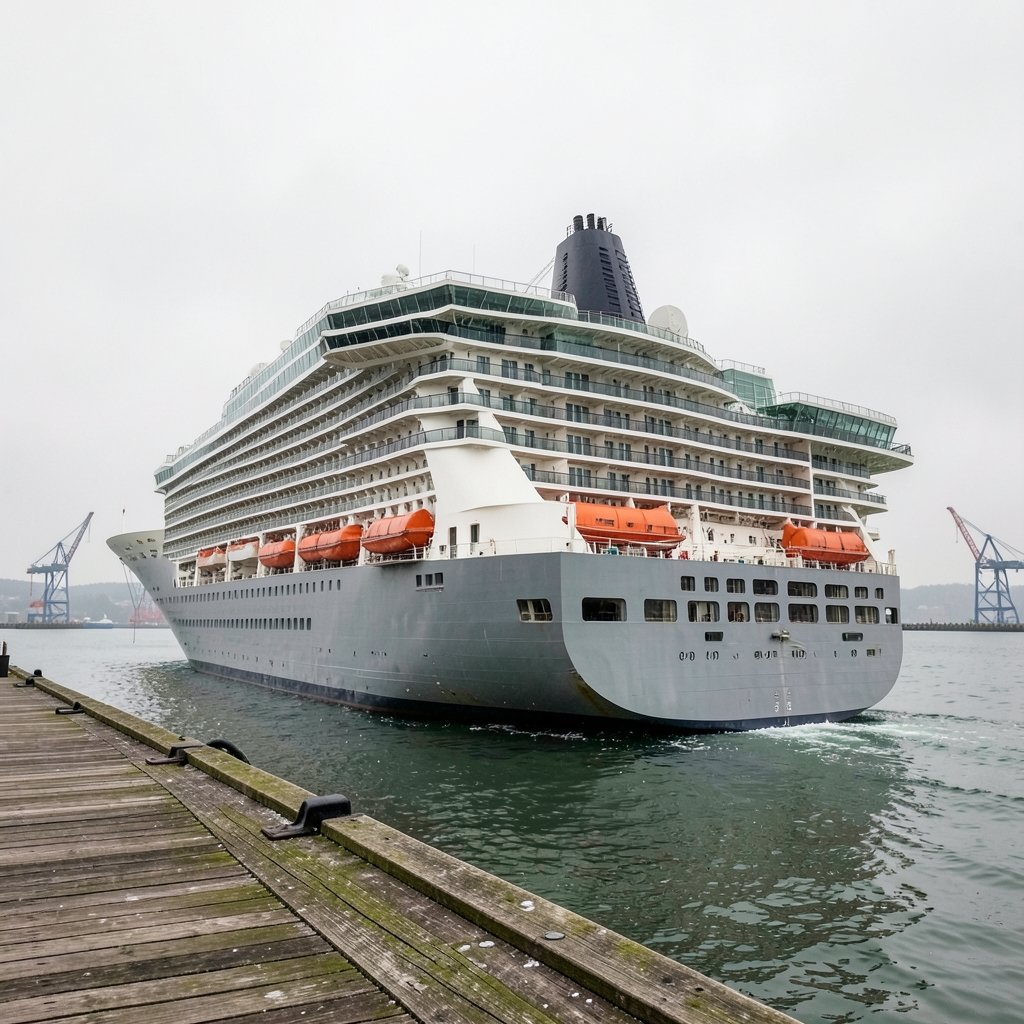
What if the most expensive cruise you ever book turns out to be the one you chose for the wrong reasons? That happens more often than the industry likes to admit. A family that books a quiet luxury ship spends seven days apologizing to other passengers. A couple who wants candlelit dinners ends up on a party deck at 2 a.m. The “best” cruise line is not a single winner on a scoreboard. It is the line that fits how you actually travel, and the gap between the top contenders is smaller than the marketing suggests. (Cruise ship)
This guide breaks down the major cruise lines by what they genuinely do well, where they fall short, and which questions you should ask before you put down a deposit. It also flags the practical traps that catch first-timers, because the difference between a good cruise and a frustrating one is usually logistics, not luxury.
What “best” actually means on the water
Cruise lines compete in distinct tiers, and each tier has a different definition of quality. A line that wins on entertainment may lose on food. A line with the best suites may have the smallest standard cabins. Understanding the tier structure is the fastest way to narrow your list.
| Tier | What it delivers | Typical passenger | Trade-off |
|---|---|---|---|
| Mainstream | Big ships, broad entertainment, low base fares | Families, first-timers, budget travelers | Crowds, add-on fees, shorter port calls |
| Premium | Better food, more space per guest, fewer children | Couples, experienced cruisers | Higher fares, fewer onboard thrills |
| Luxury | All-inclusive pricing, small ships, high crew-to-guest ratio | Affluent travelers, destination-focused guests | Limited nightlife, fewer sailings |
| Expedition | Remote routes, naturalists, zodiac landings | Adventure travelers, wildlife enthusiasts | Basic cabins, rough seas, no entertainment |
That tier logic mirrors the wider debate over what separates good from great products. The same distinctions between premium, luxury, and ultra-luxury that shape fashion and hospitality apply at sea,-1974.aspx), and a breakdown of premium vs luxury vs ultra luxury where real lines drawn is a useful primer before you compare fares. A “luxury” cruise fare that excludes drinks, gratuities, and excursions is not the same product as an all-inclusive one at the same headline price.
The mainstream leaders and who they suit
Three names dominate the mainstream category, and their reputations are genuinely different.
Royal Caribbean is the entertainment and innovation play. Its largest ships carry water parks, surf simulators, and multiple neighborhoods, which makes it a strong pick for families with teens. The trade-off is scale: embarkation days are busy, specialty dining costs extra, and the biggest ships cannot dock at smaller ports.
Carnival leans into value and fun. Fares are often the lowest in the market, the atmosphere is informal, and the short-cruise product from U.S. homeports is hard to beat on price. Watch the add-ons, though. Drinks packages, Wi-Fi, and specialty restaurants can push the real cost well above the advertised fare.
Norwegian built its identity on freestyle cruising: no fixed dinner seating, no formal nights, and a wide choice of restaurants. It suits travelers who dislike schedules. The catch is that many of the best venues carry a cover charge.
If you are weighing a short getaway rather than a full voyage, the calculus changes completely. A quick break rewards convenience over onboard depth, and the same logic that governs capsule collection small smart product lines win applies to short cruises: a tight, well-edited product beats a sprawling one you never fully use.
Premium lines: the sweet spot for most couples
The premium tier is where many experienced cruisers end up, and for good reason. Ships are mid-sized, food quality rises noticeably, and passenger-to-space ratios improve.
Celebrity Cruises is the strongest all-rounder in this bracket. Its ships pair modern design with a dining program that consistently outperforms the mainstream, and the line has invested heavily in quieter, adults-oriented spaces.
Holland America targets a calmer, older demographic with longer itineraries, enrichment lectures, and live music. It is a poor fit for families with young children and an excellent fit for travelers who want ports over party decks.
Princess sits between the two, with a broad appeal that suits multi-generational groups. Its medallion-based service technology is genuinely convenient, though some guests find the app-first approach intrusive.
Here is where practical experience matters more than brochures. Premium lines often sail longer itineraries, which means more sea days and higher total spend. A seven-night premium cruise can cost more than a ten-night mainstream one, so compare cost per night, not cost per booking.
Luxury and expedition: when the fare is the whole story
Luxury cruising looks expensive until you itemize. Lines in this tier typically bundle drinks, gratuities, specialty dining, Wi-Fi, and sometimes excursions into the fare. When you add those to a mainstream fare, the gap often shrinks to 20 or 30 percent.
Regent Seven Seas markets itself on the most inclusive fare structure in the category. Silversea emphasizes butler service and destination depth. Seabourn is known for intimate ships and strong expedition crossover. Crystal has rebuilt its reputation around food and service since returning to service.
Expedition cruising is a different product entirely. Lindblad Expeditions partners with National Geographic and carries naturalists on board. Ponant sails small French-flagged ships with a design-forward feel. Hurtigruten runs the Norwegian coast and polar routes with a working-ship heritage. On these voyages, the cabin is a place to sleep and the destination is the point. Expect basic amenities, early starts, and weather-dependent landings.
One caution: expedition fares rarely include flights to remote embarkation ports, and those flights can rival the cruise cost. Budget for them before you commit.
The factors that actually predict a good cruise
After tier and itinerary, a handful of variables separate a smooth trip from a stressful one. These are the ones worth checking before booking.
Crew-to-guest ratio. Luxury ships run closer to 1:1; mainstream megaships can exceed 1:3. A lower ratio means faster service and less queuing.
Passenger-to-space ratio. This number, usually expressed in gross tonnage per guest, predicts how crowded the ship feels. Anything below 30 is tight. Above 40 feels spacious.
Port time versus sea time. A seven-night cruise with four port calls and three sea days is a different holiday from one with six ports. Read the itinerary hour by hour, not day by day.
Gratuities policy. Some lines include them; others charge $15 to $25 per person per day automatically. On a family of four over ten nights, that is real money.
Drinks package math. Packages usually pay off above five or six drinks a day. If you drink two glasses of wine with dinner, you will lose money.
Cabin location. Mid-ship, mid-deck cabins feel the least motion. Cabins under the pool deck or above the theater are the most common complaint source on review sites.
That last point connects to a broader truth about travel planning: hidden costs and fine print decide satisfaction more often than headline quality. The same discipline that helps travelers spot rental cars las vegas skip line hidden fees applies to cruise pricing, where port fees, service charges, and shore excursion markups sit outside the advertised fare.
Itinerary matters more than the ship
A common mistake is choosing a line first and a route second. For most travelers, the reverse works better. Decide where you want to wake up, then find the ships that go there.
The Caribbean rewards big ships with private islands and beach days. The Mediterranean rewards mid-size ships that can dock close to town. Alaska and Norway reward ships with observation lounges and covered decks, because the scenery is the entertainment. River cruises are a separate category altogether, with smaller vessels, included excursions, and far calmer water.
Seasonality also shapes quality. A Mediterranean cruise in August means crowded ports and peak fares. The same itinerary in May or October costs less and feels less rushed. Alaska sailings in September trade warmer weather for fewer crowds and better wildlife viewing.
Health, safety, and the checks worth doing
Cruise ships operate under public health inspection programs that publish scores by vessel. These inspections cover food handling, water systems, and sanitation, and the results are publicly available. Checking a ship’s recent inspection score takes five minutes and tells you more about operational discipline than any marketing page.
Safety briefings, muster drills, and lifeboat capacity are regulated, but travelers should still confirm that a line’s ships meet the standards of the waters they sail. Older vessels sailing in polar regions face stricter rules than Caribbean itineraries.
Travel insurance deserves a mention. Medical evacuation from a ship can cost tens of thousands of dollars, and most standard health plans do not cover it. A policy with medical evacuation coverage is not optional for remote itineraries.
Common mistakes first-time cruisers make
- Booking the cheapest cabin on the biggest ship. You get the crowds without the space. A mid-tier cabin on a smaller ship often delivers a better experience for the same money.
- Ignoring the total cost. Add gratuities, drinks, Wi-Fi, specialty dining, and excursions before comparing fares. The cheapest headline price is rarely the cheapest trip.
- Overpacking for formal nights. Dress codes have relaxed across most lines. One smart outfit covers nearly every situation.
- Skipping the ship’s deck plan. Knowing where your cabin sits relative to elevators, theaters, and the pool deck prevents most noise complaints.
- Booking excursions only through the line. Ship-sponsored tours guarantee the ship waits for you, but independent operators are often cheaper and smaller. Just build in a buffer.
- Scheduling every port day. Sea days are not wasted time. They are the reason many people cruise.
The same principle of restraint applies to onboard spending as to personal style: knowing where the real line falls between value and excess keeps you from paying for things you never use. A look at accessible luxury vs true luxury where line actually falls makes the point well, and it holds on a ship as much as in a boutique.
Matching the line to the traveler
The fastest decision tool is a simple match between traveler type and line strength.
| Traveler type | Strongest fit | Why |
|---|---|---|
| Families with young children | Mainstream lines with kids’ clubs | Supervised activities, flexible dining, short itineraries |
| Couples seeking quiet | Premium and luxury lines | Adult-focused spaces, better food, fewer announcements |
| First-time cruisers | Mid-size mainstream ships | Manageable scale, broad entertainment, lower risk |
| Destination-focused travelers | Expedition and small-ship lines | Remote routes, expert guides, longer port stays |
| Budget travelers | Mainstream inside cabins, short sailings | Lowest fares, frequent promotions |
| Multi-generational groups | Premium lines with varied cabin categories | Something for every age, shared dining options |
Conclusion
There is no single best cruise line, and anyone who tells you otherwise is selling something. There is a best line for a family with teenagers, a best line for a couple who wants to eat well and go to bed early, and a best line for someone who wants to see penguins in the Southern Ocean. The work is in matching the product to the person.
Start with the itinerary, set a realistic total budget that includes gratuities and extras, check the ship’s space and crew ratios, and read the fine print on what the fare actually covers. Do that, and the line choice becomes obvious. Skip it, and you will spend seven days wondering why the brochure looked so different from the deck.
The best cruise is the one where you stop noticing the ship and start noticing the places. Pick the line that gets you out of the way.
FAQ
What is the best cruise line for first-time cruisers?
Mid-size ships from mainstream and premium lines are the safest first choice. They offer broad entertainment, manageable scale, and a range of dining options without the crowds of the largest vessels. Royal Caribbean and Celebrity are common starting points because their ships balance activities with comfortable public spaces.
Are luxury cruise lines worth the higher fare?
Often, yes, but only if you use what is included. Luxury fares typically bundle drinks, gratuities, specialty dining, and Wi-Fi. When you add those to a mainstream fare, the real gap is usually 20 to 30 percent, not the two-to-one ratio the headline prices suggest. Travelers who drink little and skip specialty dining get less value.
How much should I budget beyond the cruise fare?
Plan for gratuities of roughly $15 to $25 per person per day, drinks, Wi-Fi, specialty dining, shore excursions, and travel insurance. A practical rule is to add 30 to 50 percent to the base fare for a realistic total. Families and heavy excursion users should budget at the higher end.
What is the difference between premium and luxury cruises?
Premium lines offer better food, more space per guest, and fewer children than mainstream ships, but extras still cost money. Luxury lines sail smaller ships with higher crew-to-guest ratios and bundle most costs into the fare. Expedition lines are a separate category focused on remote destinations rather than onboard comfort.
Do cruise ship health inspection scores matter?
Yes. Public health inspections assess food handling, water systems, and sanitation, and scores are published by vessel. A recent inspection score tells you more about day-to-day operational discipline than any brochure. Check the score for the specific ship you are booking, rather than the line alone.
When is the best time to book a cruise?
Booking early generally secures better cabin locations and lower fares, especially for popular itineraries like Alaska and the Mediterranean. Shoulder seasons, such as May and October in the Mediterranean, offer lower prices and fewer crowds. Last-minute deals exist but usually limit cabin choice and itinerary flexibility.