
Luxury Men’s Watches: Value vs Hype Guide 2026
 Abdul WadoodLast updated
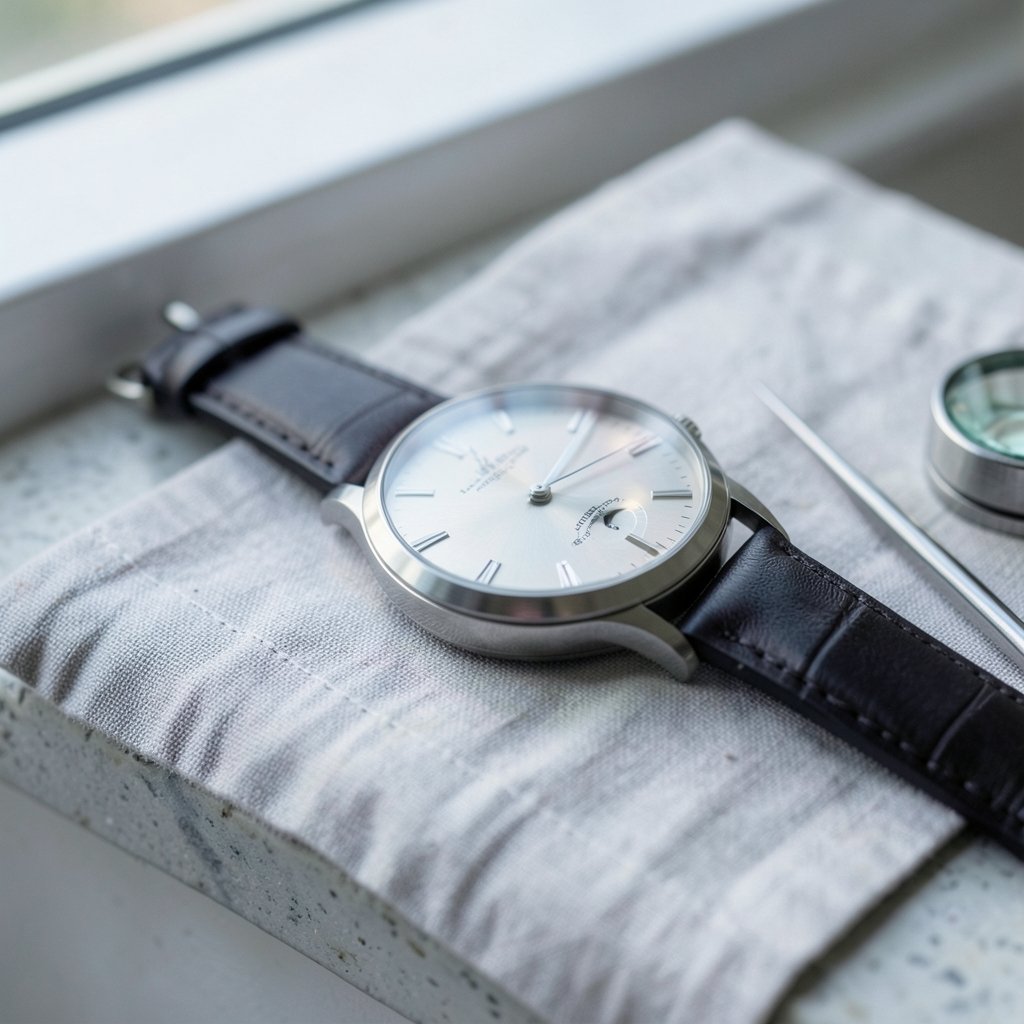
What makes a luxury men’s watch worth five figures when a $200 quartz watch keeps better time? That question sits at the heart of every serious buying decision, and the honest answer is uncomfortable: precision has almost nothing to do with it. A luxury mechanical watch is a piece of engineering, a store of value, a signaling device, and a small piece of jewelry all at once. Understanding which of those four things you are actually paying for is the difference between a purchase you’ll love for decades and one you’ll quietly regret.
This guide walks through the mechanics, the certifications, the materials, the money, and the mistakes. No hype, no brand cheerleading, just the practical knowledge that separates informed buyers from people who learn everything after the fact.
What “Swiss Made” Actually Means on the Dial
Most buyers assume the words Swiss made on a dial mean the watch was built in Switzerland. The reality is more bureaucratic and more interesting. Swiss law has protected the label since the Swissness legislation took effect on 1 January 2017, and it sets a hard cost threshold: at least 60% of manufacturing costs must be incurred in Switzerland, and the movement itself must be Swiss. That leaves plenty of room for foreign components, which is why two watches with identical dial text can be built very differently underneath. (Federation of the Swiss Watch Industry)
The practical takeaway is that “Swiss made” is a floor, not a ceiling. It tells you something about origin and almost nothing about finishing quality, movement decoration, or long-term serviceability. A brand can meet the legal minimum and still cut corners on the parts you never see. When a seller leans hard on the label alone, treat it as marketing rather than proof.
The Certification Ladder: COSC, Geneva Seal, and Master Chronometer
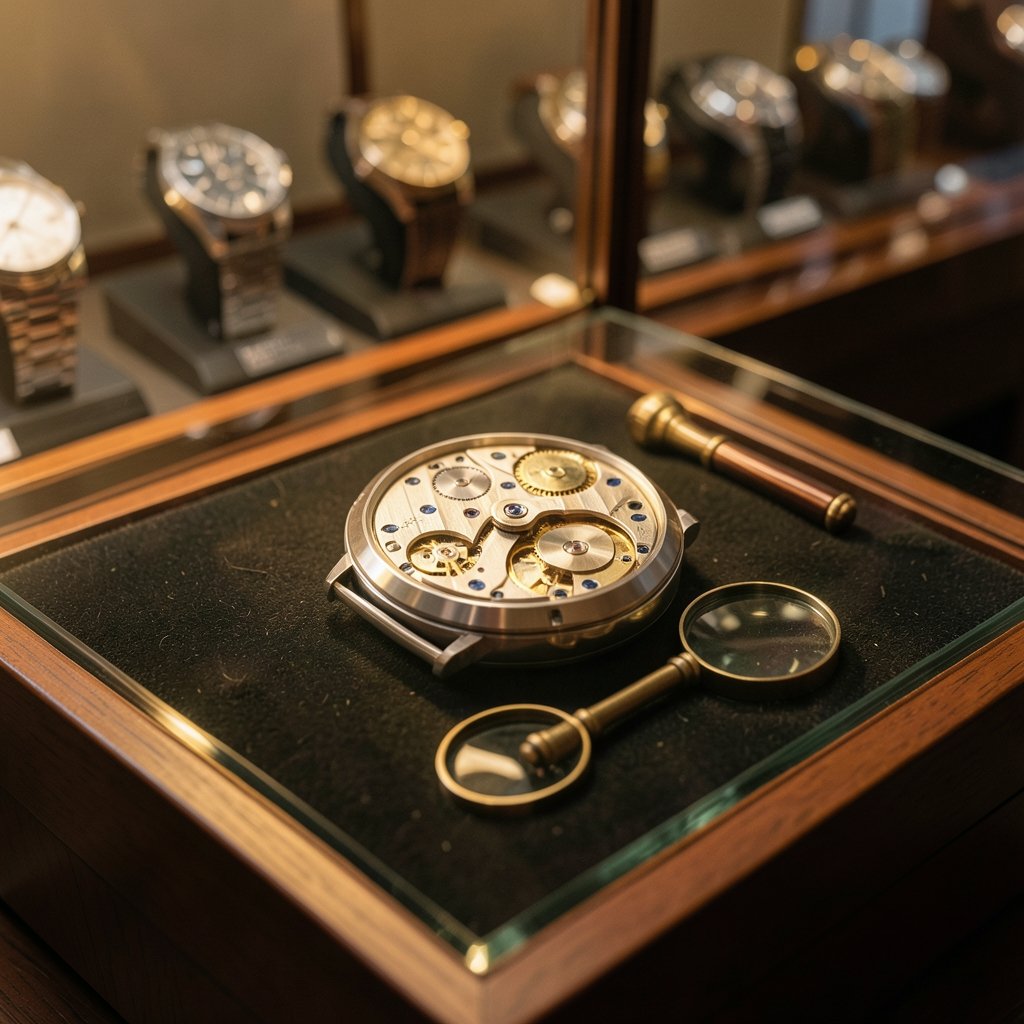
Certifications are where luxury watchmaking gets genuinely technical, and they are worth understanding because they are one of the few objective quality signals in a market built on storytelling.
| Certification | Who issues it | What it tests | Typical tolerance or focus |
|---|---|---|---|
| COSC chronometer | Contrôle Officiel Suisse des Chronomètres | Movement precision in five positions and at three temperatures | Roughly −4/+6 seconds per day for mechanical movements |
| Geneva Seal (Poinçon de Genève) | Timelab, under Geneva regulations | Movement origin, finishing, and precision | Strict rules on finishing and Geneva-based assembly |
| Master Chronometer | METAS, the Swiss federal metrology institute | Precision plus magnetic resistance and performance after exposure | Resistance to magnetic fields up to 15,000 gauss |
The key insight is that these certifications are not interchangeable and not ranked in a simple hierarchy. A watch can carry one, two, both, or none. A COSC certificate speaks to rate accuracy. The Geneva Seal speaks mostly to craftsmanship and finishing standards tied to a specific region. Master Chronometer, developed by Omega with METAS around 2015, added magnetic resistance to the conversation at a time when everyday environments are full of magnets, from phone cases to laptop speakers.
Here’s the practical mistake buyers make: treating a certificate as a proxy for overall quality. A movement can be certified to a tight tolerance and still sit in a case with mediocre finishing and a bracelet that rattles. Certifications answer specific questions. They don’t answer “is this a good watch?”
Mechanical Versus Quartz: Why Luxury Went the Other Way
At the luxury tier, almost everything is mechanical, meaning the watch is powered by a mainspring and regulated by an oscillating balance wheel rather than a battery-driven quartz crystal. This is a deliberate choice with a strange history. Quartz is objectively more accurate, cheaper to produce, and requires less maintenance. The Swiss industry survived the quartz crisis of the 1970s and 1980s by repositioning mechanical watches as objects of craft rather than tools of timekeeping.
That repositioning worked, and it explains the entire value proposition. You are not buying the most accurate way to tell time. You are buying hundreds of tiny parts assembled and adjusted by hand, a serviceable mechanism that can outlive you, and a design object with cultural weight. Once you accept that framing, the pricing starts to make a kind of sense, and the comparison to a phone becomes irrelevant.
Automatic movements wind themselves from the motion of your wrist. Manual-wind movements require you to turn the crown every day or two. Neither is better in the abstract; manual winding offers a more tactile ritual and often a thinner case, while automatic movements suit people who rotate watches and don’t want to reset them constantly.
Materials: Where the Money Actually Goes
Case and bracelet material drives a large share of price, and it’s one of the easiest places to spot value or waste. Stainless steel is the workhorse, and at the luxury tier it is often 904L or similar alloys rather than the 316L used in budget watches, offering better corrosion resistance and a different luster when polished. Gold, usually 18k, is a precious-metal cost that you can roughly calculate by weight, which is why gold watches hold a floor value that steel ones don’t. Platinum is denser, rarer, and dramatically more expensive. Titanium is lighter and hypoallergenic but scratches more readily and polishes differently. Ceramic resists scratches almost entirely but can shatter on impact.
The mistake here is paying a precious-metal premium for a watch you’ll wear in situations where steel makes more sense. A gold dive watch is a beautiful object and a poor tool. Conversely, buying steel when you wanted a heirloom that carries intrinsic metal value leads to disappointment later. For a deeper look at how craft rules and material costs interact with pricing, see this breakdown of how luxury watches made inside craft rules affect costs.
The Money Side: New, Pre-Owned, and Auction Reality
Watch pricing has three distinct layers, and conflating them is the single most expensive mistake in the hobby.
Retail price is set by the brand and includes dealer margin and marketing spend. Secondary market price reflects actual supply and demand, and for a handful of steel sports models it has historically run far above retail, which created the waiting-list culture that still shapes the market. Auction results are the most visible public data point, and major houses publish them, but they represent exceptional pieces and exceptional buyers more than everyday values.
The uncomfortable truth is that most luxury watches depreciate. A small number appreciate, and those tend to be specific references with specific provenance. Buying any watch as an investment is a gamble dressed up as a strategy. Buy the watch you want to wear, and treat any appreciation as a bonus. If you’re weighing your first purchase, this guide on how to buy your first luxury watch without regretting it later covers the decision framework in more depth.
Counterfeiting and Authentication: The Risk Nobody Wants to Think About
Counterfeiting is a documented enforcement problem with real economic scale, and watches are among the categories that trade bodies and customs authorities track closely. The practical consequence for buyers is that authentication is now a core skill rather than a niche concern. Fakes have moved well beyond obvious tells. Modern replicas can replicate case finishing, dial printing, and even movement appearance convincingly enough to fool experienced collectors in photographs.
What actually works in practice:
- Buy the seller, not the watch. A documented service history and a known dealer matter more than any single visual check.
- Verify the movement, not just the dial. Casebacks and display backs reveal finishing, engraving quality, and movement architecture that replicas rarely match.
- Check serial and reference numbers against the brand’s own records where the brand offers that service.
- Insist on original box and papers for modern references, and understand that their absence should reduce the price meaningfully.
- Get an independent inspection before the return window closes, not after.
A step-by-step process helps here, and this guide to authenticating a luxury watch with a buyer’s checklist walks through the physical checks in order. The broader point is that authentication is a process, not a single glance at a logo.
Service Costs and the True Cost of Ownership
Nobody talks about servicing at the point of sale, and that’s a problem. A mechanical watch needs maintenance roughly every five to seven years, and the cost scales with complexity. A straightforward three-hand automatic might cost a few hundred dollars to service. A chronograph, a perpetual calendar, or anything with a complicated movement can run into four figures, and precious-metal cases sometimes add polishing charges you may want to decline.
Budget for it before you buy. A $6,000 watch that costs $700 to service every six years is a different financial object than a $6,000 watch that never needs attention. Ask the dealer for the brand’s published service intervals and typical costs, and factor the answer into your decision. This is also where brand-owned service centers matter: independent watchmakers can often do excellent work for less, but access to parts is increasingly restricted, which limits your options on modern references.
Building a Collection Without Wasting Money
The most common trajectory for new collectors is a burst of enthusiasm followed by a slow realization that half the purchases were mistakes. The pattern repeats because early buying is emotional. A more durable approach is to define a small number of roles and fill them deliberately: a daily wearer, something dressy, something for travel or rough use, and perhaps one piece that represents a milestone.
Diversify by function and style rather than by brand. Two dive watches from different brands occupy the same slot in your life. One diver, one dress watch, and one chronograph covers far more ground. And resist the urge to buy at retail on impulse when the secondary market offers the same reference at a discount with a documented history. If you’re starting out, this guide on how to start a luxury watch collection without wasting money lays out a sensible sequence.
It also helps to think about consumption more broadly. The same logic that applies to watches applies to cars and travel: buying fewer, better things usually produces more satisfaction than accumulating. That’s the core argument in this practical guide to conscious luxury and buying better rather than more, and it maps neatly onto watch collecting.
Fit, Size, and the Details That Decide Daily Wear
A watch you love in photographs can disappoint on the wrist. Case diameter gets all the attention, but lug-to-lug length determines whether a watch overhangs your wrist, and it matters more than the number on the spec sheet. A 40mm case with long lugs can wear larger than a 42mm case with short ones. Thickness affects whether the watch slides under a shirt cuff. Bracelet taper and clasp quality affect comfort in ways you only notice after a full day.
Try before you buy whenever possible, and if you can’t, measure a watch you already own and compare the actual dimensions rather than relying on how a model looks in reviews. Wrist size, not trend, should set your limits. Oversized cases come and go; a watch that fits properly stays wearable for decades.
Conclusion
Luxury men’s watches reward informed buyers and punish impulsive ones. The certifications are real but narrow, the materials carry calculable value, the “Swiss made” label is a legal floor rather than a guarantee, and the resale market is far less generous than the internet suggests. None of that diminishes the appeal. A well-chosen mechanical watch is one of the few objects you can own that combines engineering, craft, and daily usefulness in a single package, and it will still be running long after the trends that surrounded its purchase have faded.
The formula is unglamorous: buy the seller, understand what you’re paying for, budget for service, and choose fit over fashion. Do that, and the watch becomes what it should be, a tool you enjoy rather than a decision you second-guess.
FAQ
Is a luxury watch a good investment?
Usually not. Most luxury watches depreciate after purchase, and only a small number of specific references appreciate. Auction records create a misleading impression because they highlight exceptional pieces. Treat a watch as a consumer purchase you’ll enjoy wearing, not as a financial instrument.
How often does a mechanical watch need servicing?
Roughly every five to seven years for most mechanical movements, though brands publish their own recommendations. Service costs vary widely with complexity, from a few hundred dollars for a simple three-hand movement to four figures for chronographs and complicated calendars. Always ask for typical service costs before buying.
What does COSC certification actually prove?
It certifies that a movement has been tested for precision in multiple positions and at different temperatures, to a standard of roughly −4/+6 seconds per day for mechanical movements. It says nothing about case finishing, bracelet quality, or long-term durability, so it should be one data point among several.
Is “Swiss made” a guarantee of quality?
No. Swiss law requires at least 60% of manufacturing costs to be incurred in Switzerland and a Swiss movement, which is a legal threshold rather than a quality standard. Two watches can both carry the label while differing enormously in finishing and components.
Should I buy new or pre-owned?
Pre-owned often offers better value, especially for references with strong secondary supply, but it requires authentication diligence and a clear understanding of service history. New purchases provide warranty coverage and dealer support. The right answer depends on your tolerance for verification work and how much you value peace of mind.
How do I avoid buying a counterfeit watch?
Buy from established dealers with documented histories, verify movement finishing and serial numbers, insist on original box and papers for modern references, and arrange an independent inspection within the return window. Authentication is a process of checks, not a single glance at a dial.