
How Luxury Watches Are Made: Craft, Rules & Costs
 Abdul WadoodLast updated
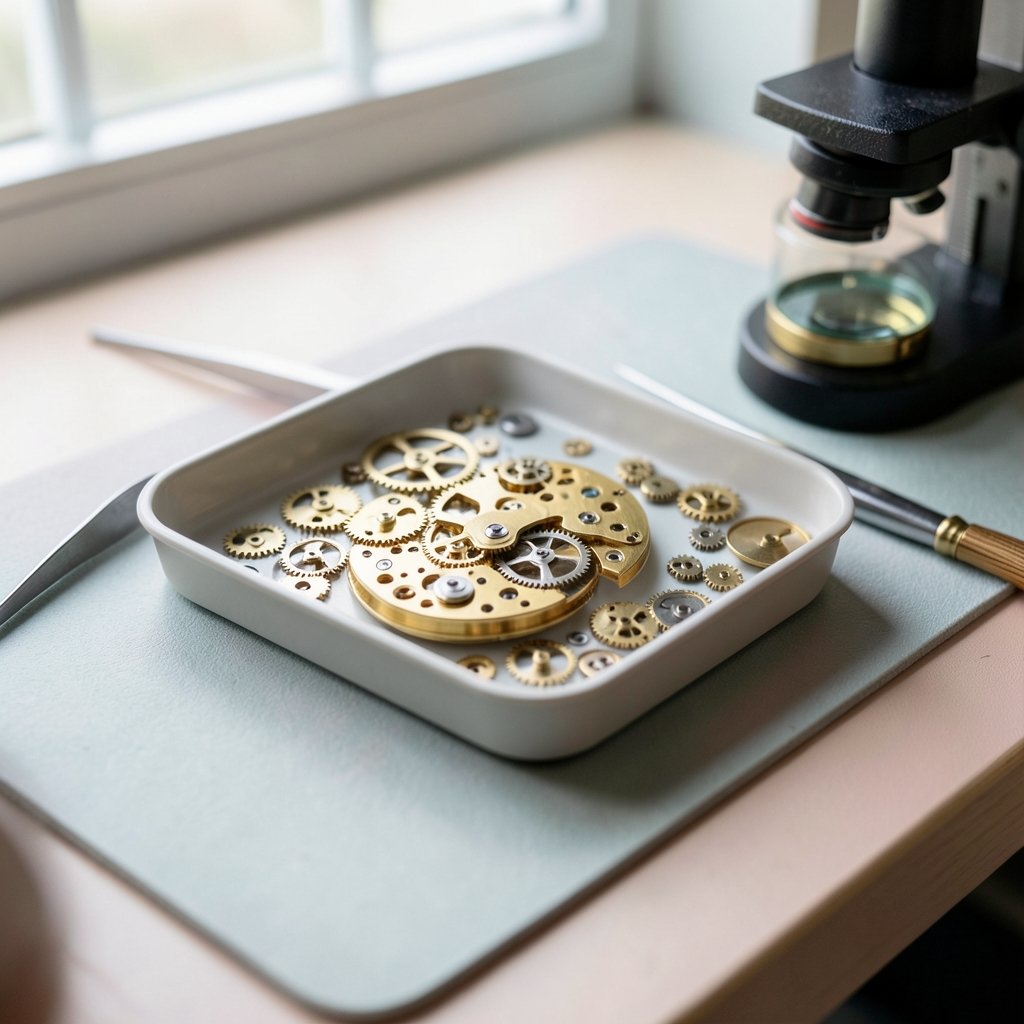
A single mechanical watch movement can hold more than 200 tiny parts, and some of them are finished by hand under a microscope. That fact alone explains why a luxury watch can cost as much as a small car, and why the making of one is still one of the most human processes in manufacturing.
Quick Answer: How luxury watches are made?
Luxury watches are made through a long chain of specialized steps: movement design and assembly, hand finishing of components, case and bracelet production, dial and hand work, final casing, regulation, and testing. Most high-end mechanical watches come from Swiss workshops, though fine watchmaking also happens in Germany and Japan.
Quartz watches tell time accurately with a battery, while mechanical watches rely on a wound mainspring and an escapement. That difference in technology is the main reason two watches that look similar can be priced decades apart.
Before buying, compare the movement type and origin, the finishing standard, chronometer certification, case materials, service costs, warranty terms, and resale expectations.
The Rules Behind the “Swiss Made” Label
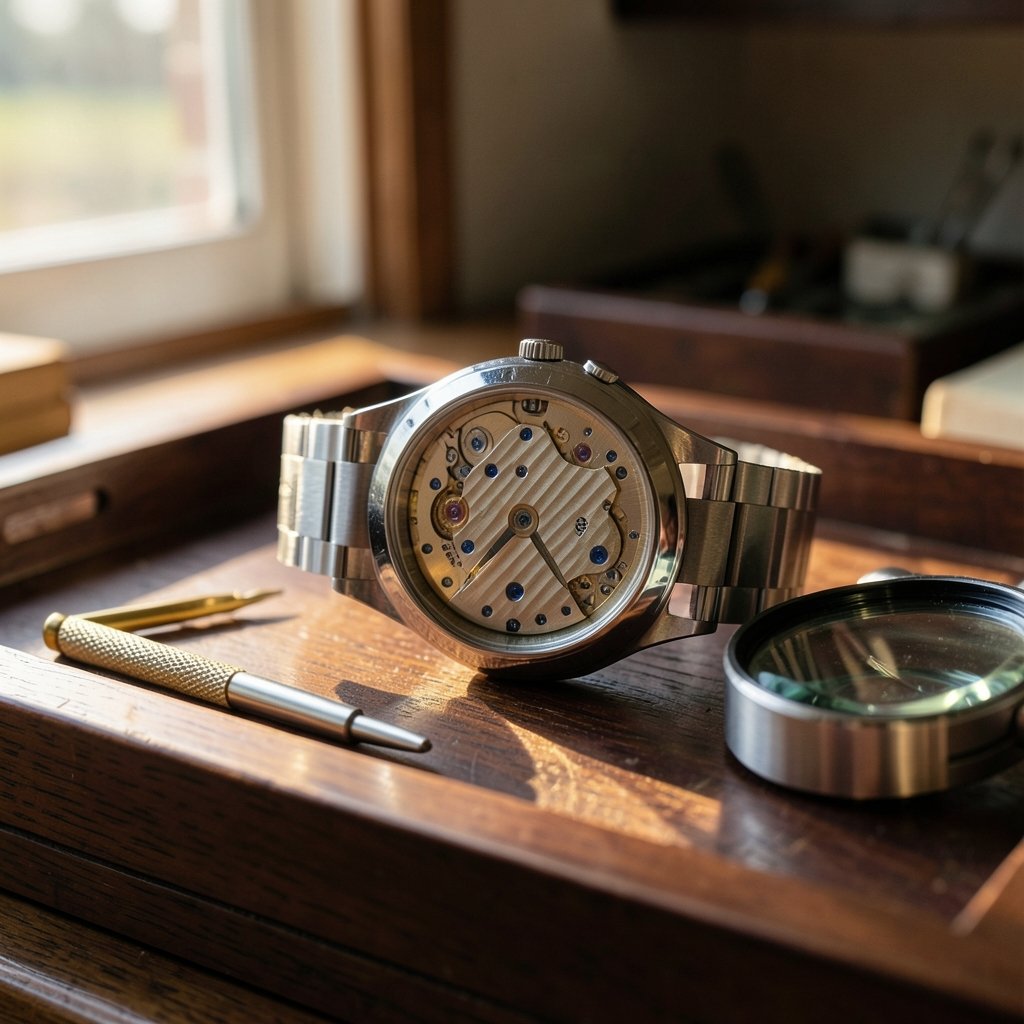
Start with the label, because it is more regulated than most buyers assume. Under Swiss law, a watch can carry the “Swiss made” designation only if at least 60% of its manufacturing costs are incurred in Switzerland and its technical development happens there. The rules took effect on 1 January 2017 and are enforced through Swiss trademark law. (Federation of the Swiss Watch Industry)
That 60% threshold matters. It means a watch can be mostly Swiss and still carry the label, so the stamp is a floor, not a guarantee of purity. Collectors who care about provenance dig deeper: where was the movement made, who finished it, and does the brand own its own manufacturing?
The Swiss watch industry itself took its modern shape in the 20th century, survived the quartz crisis of the 1970s and 1980s, and rebuilt around mechanical luxury afterward. That history is why so many brands still describe craft and tradition in the same breath as engineering. (Mechanical watch)
Step One: Designing and Building the Movement
The movement is the engine, and it is where most of the money and skill sit. A mechanical caliber includes bridges, wheels, a mainspring, jewels, and an escapement that releases energy in steady pulses.
Some brands design and build movements entirely in-house. Others buy ébauches (partly finished movements) from suppliers such as ETA or Sellita and then modify, finish, and regulate them. Neither approach is automatically better, but in-house production usually costs more and signals deeper investment.
Component counts vary widely by caliber, so treat any specific number a brand quotes as marketing detail rather than a universal standard. What matters more is how the movement performs over years and how easily it can be serviced.
Step Two: Hand Finishing, Where Value Hides
This is the step buyers rarely see and appraisers always check. High-end finishing includes:
- Côtes de Genève: parallel stripes on bridges, applied by hand-guided machines and then refined.
- Perlage: circular graining on plates, often done with a rotating abrasive tool.
- Anglage: beveling and polishing the edges of bridges and levers, usually by hand.
- Polished screw heads and blued screws, done individually.
These decorations do not make a watch keep better time. They signal labor, and labor is expensive. A movement with hand-bevelled bridges can take many times longer to finish than an industrial one, and that difference shows up in the price and in the caseback view.
A practical tip: turn the watch over. If the brand hides the movement behind a solid case, ask why. Sometimes it is historical accuracy; sometimes it is a modestly finished caliber.
Step Three: Cases, Bracelets and Materials
Cases are stamped, forged, or machined from steel, gold, platinum, or titanium, then finished with brushing and polishing. Bracelets are the quiet cost center: dozens of small links, each with tight tolerances, plus clasps that must survive daily abuse.
Common mistakes buyers make here:
- Assuming a heavier watch is better made. Weight often reflects material density, not quality.
- Ignoring water resistance ratings. A 30-meter rating is splash protection, not swimming.
- Overlooking service access. Exotic materials and complex clasps can raise long-term ownership costs.
For a broader view of how materials and design choices shape modern luxury objects, the industry conversation around the new language of modern luxury is a useful starting point.
Step Four: Dials, Hands and the Visible Craft
Dials can be enamel, lacquered, guilloché, or sunburst-finished, and applied indices are set by hand. Hands are often finished and lumed individually. This is where small errors become obvious, because the dial is what the owner looks at every day.
Enamel dials are fired in a kiln and can crack during firing, so yields are lower and prices higher. Guilloché patterns are cut on antique machines that few people know how to operate. That scarcity of skill is a real cost driver, not a story invented by marketing departments.
Step Five: Assembly, Regulation and Testing
Final assembly, casing, and regulation (adjusting the rate) are skilled manual steps. A watchmaker may spend hours coaxing a movement into a stable daily rate before it ever reaches a box.
Testing usually covers accuracy, water resistance, and sometimes shock and magnetic resistance. Independent certification exists too. COSC tests movements for rate accuracy, and some brands apply stricter in-house standards on top, such as claims of roughly −2/+2 seconds per day. Treat brand claims as self-reported: they are not directly comparable to independent certification.
In Geneva, the Poinçon de Genève (Geneva Seal) certifies movements made in Geneva that meet specified finishing and precision criteria, with rules revised in 2011 and effective from 2012. It is one of the few stamps that inspects craft as well as timekeeping.
| Certification | What it checks | Who issues it |
|---|---|---|
| COSC chronometer | Movement rate accuracy in controlled tests | Independent Swiss body |
| Geneva Seal | Origin, finishing and precision criteria | Geneva-based certification body |
| Brand in-house standard | Often stricter accuracy targets | The watch brand itself |
Where Watchmaking Skill Comes From
Watchmakers are trained through dedicated schools and apprenticeships, mostly in Switzerland, and the pipeline is a recognized industry concern. A single qualified watchmaker may train for years before touching a complicated movement unsupervised.
That training bottleneck explains part of the price of high complications. It also explains why servicing takes weeks: the work is done by people, not machines, and there are only so many of those people.
The craft sits inside a wider luxury market that includes fashion houses, design and heritage, which publications like Voozon’s luxury and design coverage track closely. Understanding that market helps buyers see where a watch brand sits relative to fashion, jewelry, and hospitality peers.
What Actually Drives the Price
Strip away the marketing and the cost stack looks like this:
- Movement design, components, and assembly
- Hand finishing hours
- Case and bracelet machining and polishing
- Dial, hands, and applied details
- Testing, certification, and quality control
- Brand overhead, retail margin, and marketing
Notice what is missing: precious metal content alone rarely explains a five-figure price. A steel sports watch can cost more than a gold dress watch from a lesser-known maker, because demand and finishing, not raw material, set the market.
Practical Buying Tips That Hold Up
First-hand experience from collectors and watchmakers tends to converge on a few points.
Try before you buy, and try the clasp. A bracelet that pinches or a case that sits too tall will annoy you within a month.
Ask about service intervals and costs in writing. Mechanical watches typically need servicing every five to ten years, and complications cost more to maintain.
Check the warranty terms and length. What is covered matters more than the number of years.
Buy the finishing you can see. If the movement is visible, examine the edges of bridges under a loupe. Rough, sharp edges are a sign of industrial finishing.
Be skeptical of unverifiable claims. “Handmade” is used loosely. Ask which parts are hand-finished and which are machine-made.
For context on how heritage brands build and protect their reputations over decades, this look at luxury fashion houses and their legacy offers a parallel case study in craft and brand longevity.
Common Mistakes People Make
The most frequent error is buying the label instead of the watch. A famous name on the dial does not guarantee a finely finished movement, and a lesser-known name does not rule one out.
The second error is ignoring size and ergonomics in favor of specifications. A 44mm case with a thick movement wears very differently from a 38mm one, and no spec sheet captures that.
The third is skipping the paperwork check. Original box, papers, and service history affect both resale value and how easily a watchmaker can verify the watch’s past.
Conclusion
Making a luxury watch is a chain of small, stubbornly manual decisions: how a bridge is bevelled, how a dial is fired, how a rate is regulated, how a case is finished. The rules behind the “Swiss made” label, the finishing standards, and the certification systems all exist because those decisions are hard to verify from the outside.
Buyers who compare movement origin, finishing quality, certification, service costs, and warranty terms will make better decisions than buyers who chase a logo. The craft is real, and it is worth learning to see.
Frequently Asked Questions
How long does it take to make a luxury watch?
It depends heavily on the complication and finishing level. A relatively simple mechanical watch may move through production in a matter of weeks, while a high-complication piece with hand-finished components and extensive testing can take many months from start to finish.
Are all luxury watches mechanical?
No. Several respected luxury brands still produce quartz models, and some high-end houses use quartz in specific lines. Mechanical movements dominate the prestige segment, but quartz remains accurate, low-maintenance, and legitimately luxurious when the case and finishing are excellent.
What does chronometer certification actually prove?
It proves that a movement passed rate accuracy tests under controlled conditions. It does not prove the watch is waterproof, durable, or finely finished. Some brands apply stricter internal standards than the certification requires, but those claims are self-reported and not directly comparable.
Is hand finishing worth paying for?
It depends on what the buyer values. Hand finishing does not improve timekeeping, but it reflects labor, skill, and long-term collectability. Buyers who plan to keep and service a watch for decades often find it worthwhile; buyers who want pure accuracy may not.
How often does a mechanical watch need servicing?
Most makers recommend service every five to ten years, depending on use and movement type. Watches worn daily in humid or dusty conditions may need attention sooner, and complications usually increase both the cost and complexity of service.
Can a watch be partly Swiss and still say Swiss made?
Yes. The label requires at least 60% of manufacturing costs to be incurred in Switzerland plus Swiss technical development, so a portion of components or labor can come from elsewhere. Buyers who want deeper provenance should ask about movement origin and in-house production.
What this means for the buyer is simple: the certificate is a starting point, not a verdict. Ask which movement it covers, when it was tested, and whether the whole watch or only the caliber was submitted. A watch can carry a certified movement and still be assembled, cased, and regulated elsewhere, so the stamp on the dial and the stamp on the paper may describe different things. The questions are unglamorous, but they are the same ones a watchmaker asks when a watch arrives on the bench, and they are the ones that separate informed ownership from expensive guesswork.