
Luxury Clutch Bags: How to Choose & Buy Smart in 2026
 Abdul WadoodLast updated
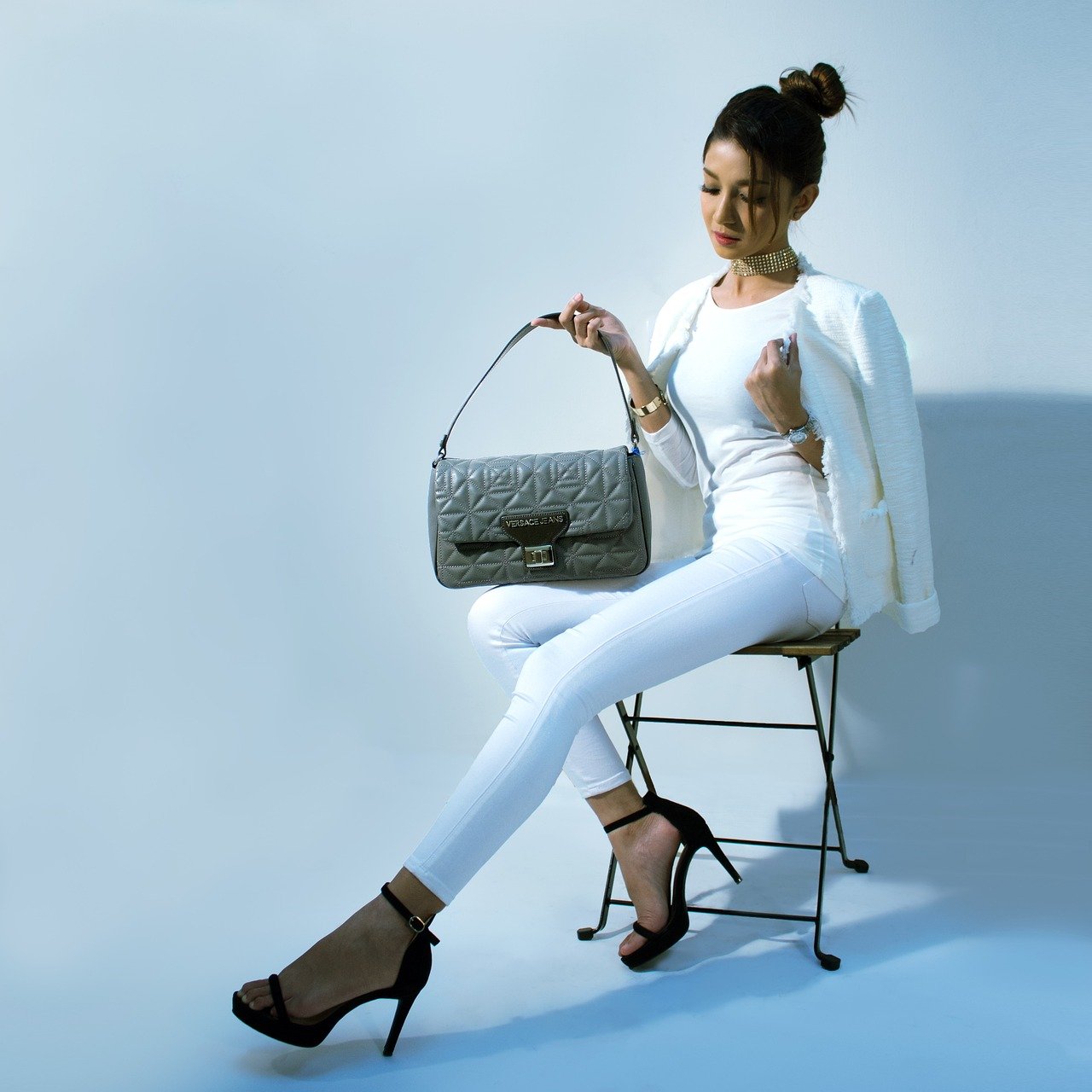
What is the one bag in a wardrobe that gets carried for three hours, photographed fifty times, and then tucked away for months? The luxury clutch. It is the smallest, most expensive-per-centimeter item most people will ever buy, and it is also the one most often bought badly.
That is the puzzle worth solving. A clutch has no strap to hide behind, no room for compromise, and no practical job beyond making an outfit land. So the decisions that matter are different from those for a tote or a shoulder bag. This guide walks through what a clutch actually is, how the luxury tiers differ, what to check in the hand, and where the real risks sit. (Clutch (handbag)))
What Counts as a Luxury Clutch?
A clutch is a small, handle-less bag designed to be held in the hand or pressed under the arm. The form took shape in the early 20th century, when small evening bags without handles became fashionable. Everything since has been a variation on that idea: soft leather pouches, structured boxes, hard-shell jeweled cases, and envelope flaps.
Two related forms get confused with it constantly. The minaudière is the rigid, often jeweled evening case, a form commonly credited to Van Cleef & Arpels in the 1930s. And top-handle icons like the Hermès Kelly and Birkin are not clutches at all, even though luxury coverage lumps them together. If a bag has a handle, it belongs in a different conversation.
There is also no formal industry definition of “luxury clutch.” Price tiers, materials, and brand positioning vary widely, which means any market-size figure should be attributed to a named research firm and dated. Treat confident statistics with suspicion. (Celine vs Saint Laurent Bags: Which French Luxury House Wins?)
Luxury Clutches at a Glance
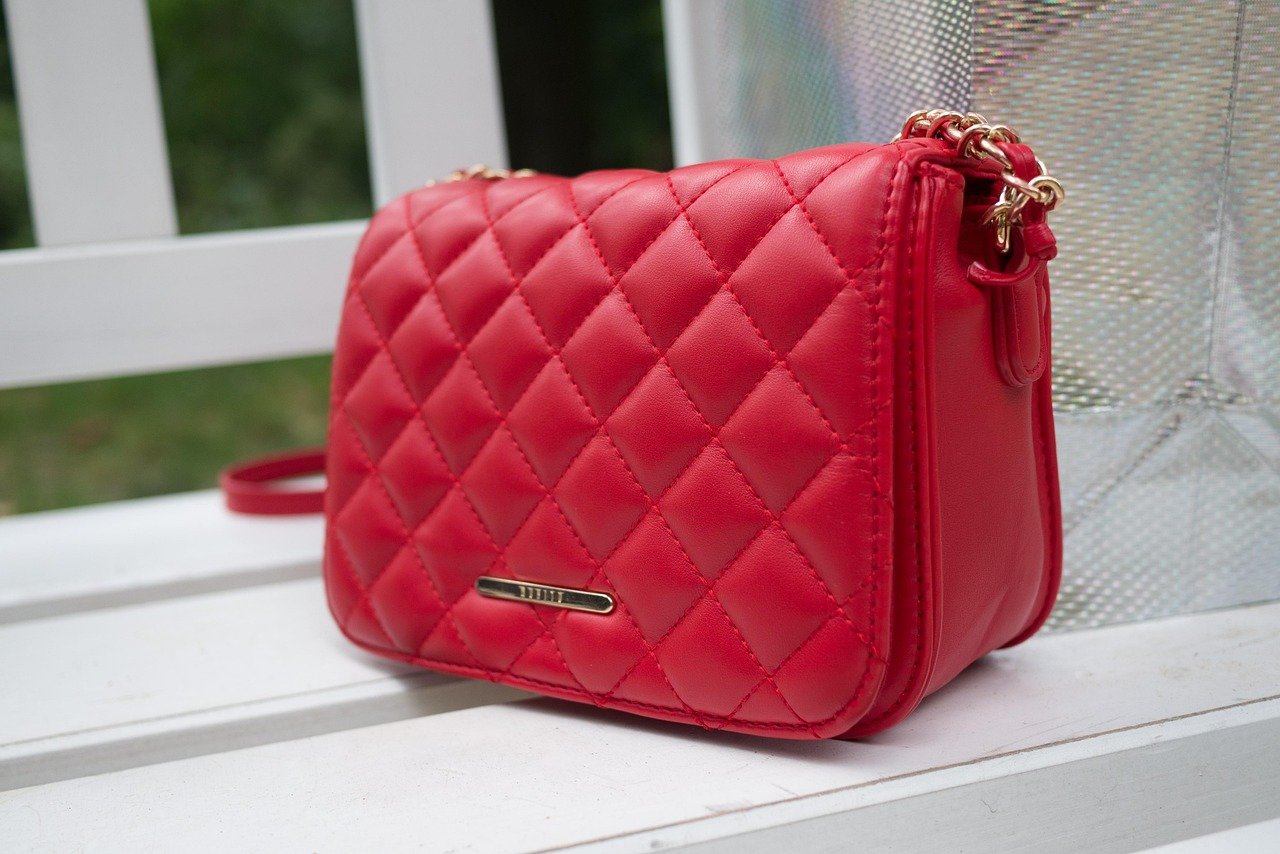
Clutches sit at very different points on the price and craft spectrum. Understanding the tiers prevents the classic mistake of paying couture prices for a mass-produced item.
| Tier | Typical construction | What you pay for | Best for |
|---|---|---|---|
| Contemporary designer | Coated canvas, smooth calfskin, machine-finished edges | Brand name, trend relevance | First clutch, occasional wear |
| Premium leather house | Full-grain leather, hand-painted edges, quality hardware | Materials and finishing | Regular evening use |
| Heritage maison | Exotic skins, hand-stitching, archival shapes | Craft hours and scarcity | Collecting, milestone purchases |
| High jewelry minaudière | Hard shell, metalwork, stone setting | Jewelry craft, not leather craft | Gala and heirloom use |
The jump between the first two rows is where most buyers should focus. The jump between the last two is a different purchase entirely, closer to buying jewelry than buying a bag.
Where the Money Actually Goes
Three things drive the price of a luxury clutch, and only one of them is visible from across a room.
Materials. Full-grain leather, suede, satin, and exotic skins behave very differently. Exotic skins add a layer of legal complexity, because crocodile, alligator, and python fall under the Convention on International Trade in Endangered Species, the 1973 treaty that governs cross-border trade in listed species. Anyone buying or selling an exotic-skin clutch should understand CITES permit requirements before crossing a border with it.
Construction. Hand-painted edges, tight stitching, and a lining that does not pucker are the marks of a well-made piece. None of these show up in a product photo.
Scarcity and brand. The rest is positioning. This is not a criticism, just a fact worth naming so it does not get mistaken for quality.
How to Judge a Clutch in Your Hand
Practical checks separate a good clutch from a beautiful one. None of them require expertise, and all of them take under two minutes.
- Open and close it five times. The clasp should snap with a firm, even click. A clasp that feels vague on the fifth try will fail on the five-hundredth.
- Run a thumb along the edges. Hand-painted edges feel smooth and slightly rounded. Cheap edges feel sharp, plasticky, or already peeling.
- Look inside with the bag open. Lining should sit flat with no excess fabric bunching at the corners. A sloppy interior predicts a sloppy exterior over time.
- Hold it against your palm. A clutch is carried, not worn, so weight distribution matters. A heavy hard-shell case gets tiring during a long dinner.
- Check the closure against your essentials. Phone, card case, lipstick, keys. If the bag only closes comfortably when half empty, it is the wrong size for real life.
The most common mistake is buying for the outfit in the mirror rather than the evening in practice. A clutch that cannot hold a phone is a photograph, not a bag. The second most common mistake is choosing suede or light satin for a first purchase, then discovering that every restaurant table and taxi seat is a threat.
Soft Pouch, Structured Box, or Minaudière?
The shape decision matters more than the logo, because it determines when the bag gets used.
Soft pouches fold under the arm and forgive minor overstuffing. They suit day-to-evening transitions and travel, since they pack flat.
Structured boxes and envelope flaps hold their shape and photograph cleanly. They are the safest choice for weddings and formal events, but they punish anyone who carries more than the essentials.
Minaudières are the statement piece. They are also the least forgiving, with fixed interiors and hard edges. Buy one because the occasion calls for it, not because it will be versatile.
Wristlets and chain-convertible clutches blur the category. A thin chain turns a clutch into a shoulder bag, which is genuinely useful at events with a drinks reception. Purists will object. Their feet will not.
New, Vintage, or Auction?
The secondary market for luxury handbags has grown substantially since the mid-2010s, with resale platforms making pre-owned clutches far easier to find than they once were. That growth has changed the buying calculus.
Buying new gives you warranty, authenticity certainty, and the current season’s colors. Buying vintage or at auction gives you access to shapes no longer produced, often at a fraction of original retail.
Auction results are the clearest public price signal for rare evening bags and minaudières, because realized prices are published rather than guessed. Anyone researching a specific archival piece should look at recent auction-house results for comparable examples before making an offer. The same discipline applies to resale listings: compare sold prices, not asking prices.
For readers thinking about building a small collection rather than buying a single bag, a broader framework helps, and this guide to collecting luxury handbags without overspending covers the practical side of buying smart. The same logic applies whether the piece is a clutch or a top-handle bag.
Counterfeits, Customs, and the Legal Side
Counterfeiting is a serious problem in this category, and the enforcement framework is worth knowing. Trademark law is the primary tool, and the World Intellectual Property Organization’s explainer on trademarks sets out how those protections work. In the EU, customs authorities can act against suspected counterfeit goods under Regulation (EU) No 608/2013, which gives rights holders a route to have shipments detained.
For buyers, the practical implications are simple. A price far below market for a current-season piece is a warning, not a bargain. Missing dust bag, mismatched hardware tone, and stitching that drifts are the usual tells. And an exotic-skin clutch bought abroad without the right paperwork can be seized at the border regardless of whether it is genuine.
How a Clutch Fits Into a Wider Wardrobe
A clutch rarely lives alone. It sits alongside other purchases, and the house you choose often shapes what comes next. Buyers weighing Italian signatures against each other will find this comparison of Fendi and Gucci bags useful for understanding how the two houses position leather goods. Those considering French houses face a similar question, and this breakdown of Celine versus Saint Laurent bags covers where each one lands on structure and restraint.
The broader principle is that a clutch should complement what already exists in the wardrobe rather than compete with it. A single well-chosen piece in a neutral leather will out-earn five trend-driven ones. That logic is central to conscious luxury as a buying philosophy, and this guide to buying better rather than more applies it directly to accessories.
There is also a quiet pleasure in pieces with a story. Houses with deep ateliers tend to produce clutches with more distinctive proportions, and this history of Valentino from Rome atelier to global luxury shows how a single workshop’s aesthetic can carry through decades of accessories.
Materials and Care: What Actually Survives
Care decisions should be made at purchase, not after the first scuff.
| Material | Strengths | Weaknesses | Care note |
|---|---|---|---|
| Smooth calfskin | Ages well, easy to clean | Shows scratches | Condition twice a year |
| Grained leather | Hides marks, durable | Less formal | Wipe with dry cloth |
| Suede | Soft, rich color | Water damage is permanent | Protect before first use |
| Satin | Elegant drape | Snags, stains easily | Store flat, never hang |
| Exotic skin | Distinctive scales | Requires permits, dries out | Specialist care only |
| Hard-shell minaudière | Holds shape, statement | Heavy, unforgiving | Store in its case |
Storage matters more than most owners expect. Clutches should be stuffed lightly to hold shape, kept in a dust bag, and stored away from direct light, which fades satin and dries exotic skins. Never hang a clutch by its clasp.
Common Mistakes That Cost Real Money
A short list, drawn from how these purchases usually go wrong.
Buying a clutch with no closure security for a standing reception. Buying white satin for a first evening bag. Assuming a higher price guarantees better stitching. Skipping the interior check because the exterior is beautiful. And buying an exotic skin without confirming the paperwork.
The fix for most of these is the same: handle the bag before committing, and buy for the occasions you actually attend rather than the ones you imagine.
Conclusion
A luxury clutch is a small purchase with an outsized set of decisions behind it. Shape, material, closure, and legal status all matter more than the label, and the difference between a bag that gets used for a decade and one that sits in a dust bag comes down to checks anyone can make in the shop.
The buyers who get this right tend to follow the same pattern. They choose a shape that fits their real evenings. They handle the piece before paying. They understand where the money goes and what the paperwork requires. And they buy one good clutch rather than three forgettable ones. That is not a complicated strategy, but it is a deliberate one, and it is the reason some clutches earn their place in a wardrobe while others never leave the box.
Frequently Asked Questions
What is the difference between a clutch and a minaudière?
A clutch is a soft or semi-structured handle-less bag, usually leather, satin, or suede. A minaudière is a rigid, often jeweled hard-shell evening case, a form commonly credited to Van Cleef & Arpels in the 1930s. The minaudière is closer to jewelry craft than leather craft, and it is typically heavier and less forgiving of overstuffing.
Are exotic-skin clutches legal to buy and travel with?
They can be, but the rules matter. Crocodile, alligator, and python fall under CITES, the 1973 treaty governing cross-border trade in listed species. Buyers should confirm permit requirements before traveling internationally with an exotic-skin bag, because a genuine piece without the right documentation can still be detained at a border. (Textile and Wool Acts labeling requirements)
How much should a first luxury clutch cost?
There is no fixed answer, because price tiers vary widely and “luxury clutch” has no formal industry definition. A practical approach is to set a budget that prioritizes materials and finishing over branding, then compare sold prices on the secondary market for the same model. That gives a realistic floor and ceiling before you commit.
How can I tell if a luxury clutch is well made?
Open and close the clasp several times and listen for a firm, even click. Run a thumb along the edges to check for smooth, hand-painted finishing rather than sharp or plasticky seams. Look inside with the bag open: the lining should sit flat with no bunching at the corners.
Can a clutch work for daytime?
Yes, with the right shape. Soft pouches and oversized envelope clutches in grained leather or canvas transition easily from day to evening, especially with a wrist strap or a thin chain. Structured boxes and hard-shell minaudières are harder to justify before dark.
Is it worth buying a luxury clutch at auction?
For archival or discontinued shapes, auction is often the only route, and realized prices are the most reliable public signal of value. Compare recent results for comparable pieces rather than asking prices, and factor in buyer’s premiums and any restoration costs before bidding.