
Fendi vs Gucci Bags: Which Italian Luxury House Wins in 2026?
 Abdul WadoodLast updated

In 1925, a small fur and leather workshop opened on Rome’s Via del Plebiscito. Four years earlier, a leather goods shop had opened in Florence. Those two addresses, run by families named Fendi and Gucci, would go on to shape how the entire world thinks about Italian luxury bags. A century later, shoppers still walk into boutiques torn between a Baguette and a Marmont, and the decision is rarely simple.
The two houses sit in the same price neighborhood, chase the same customers, and both belong to giant luxury groups. Yet they speak completely different design languages. One is loud, playful, and built on fur and function. The other is bold, maximalist, and soaked in equestrian heritage. Choosing between them comes down to understanding what each brand actually does best, how their bags hold up over time, and what your money really buys.
The Quick Comparison at a Glance
Before diving into history and leather quality, here is the short version. The table below compares the two houses on the factors that matter most to bag buyers.
| Factor | Fendi | Gucci |
|---|---|---|
| Founded | 1925, Rome | 1921, Florence |
| Parent group | LVMH | Kering |
| Design signature | Fur, function, architectural shapes | Maximalism, equestrian details, bold hardware |
| Iconic bags | Baguette, Peekaboo, Kan I | Jackie 1961, Bamboo, Marmont, Dionysus |
| Entry price band | Similar to Gucci | Similar to Fendi |
| Resale reputation | Strong for classics like the Baguette | Strong for classics like the Jackie |
| Best for | Understated structure and playful creativity | Statement pieces and recognizable hardware |
Both brands are considered accessible-to-aspirational luxury: expensive enough to signal status, but not in the ultra-exclusive territory of Hermès. That overlap is exactly why the comparison is so common.
A Tale of Two Fashion Dynasties
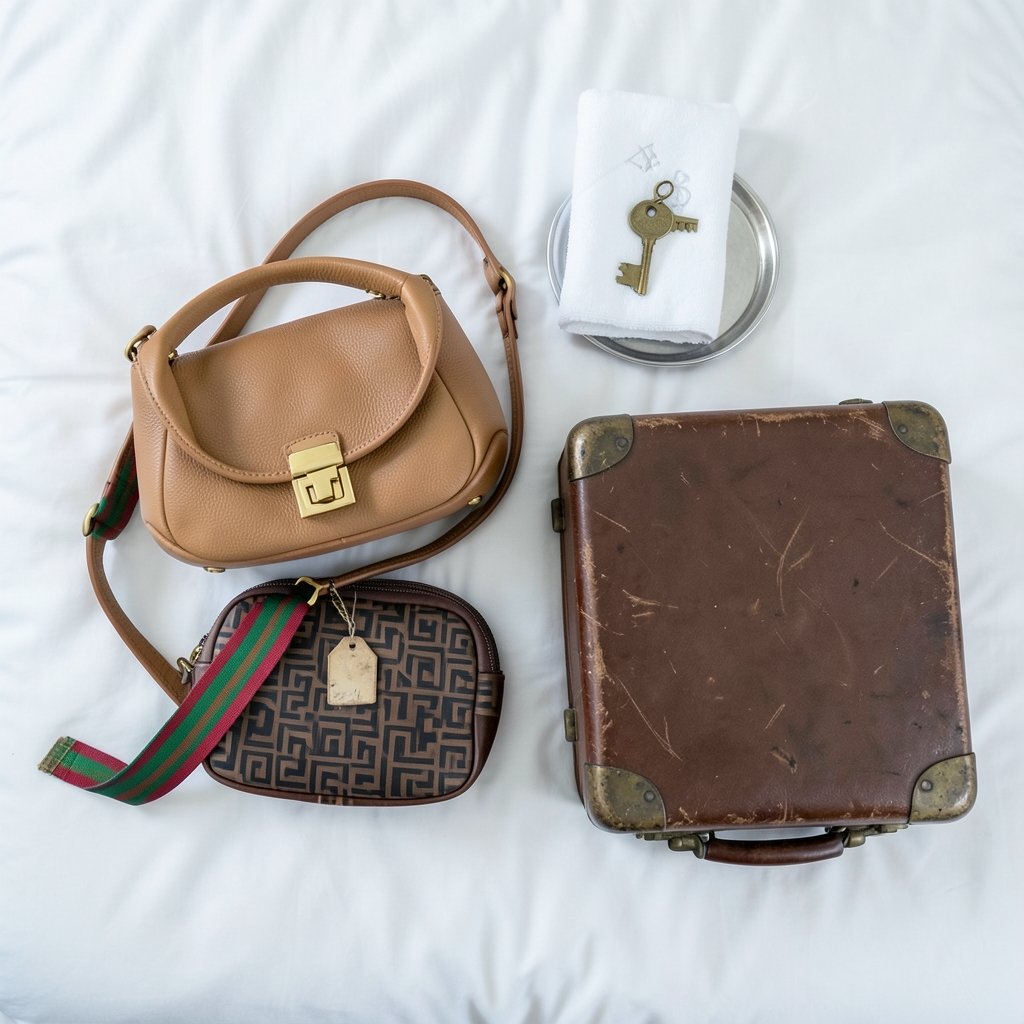
Gucci was founded in Florence in 1921 by Guccio Gucci, who had worked in London hotels and brought back a fascination with luggage and English nobility. The house built its identity on equestrian motifs: horsebits, stirrup details, and the green-red-green web stripe. That heritage still shows up in almost every Gucci bag today.
Fendi was founded in Rome in 1925 by Adele and Edoardo Fendi as a fur and leather shop. The brand’s big break came when Karl Lagerfeld joined in 1965 and spent decades turning fur into something modern, graphic, and experimental. Fendi also pioneered the concept of the “FF” logo, which became a status symbol in the late 1990s and early 2000s. (Fendi)
The ownership story matters too. Gucci is owned by Kering, the French luxury group that also controls Saint Laurent and Bottega Veneta. Fendi belongs to LVMH, the world’s largest luxury conglomerate. For buyers, this mostly matters for one reason: both parent groups publish annual reports that disclose brand performance, which gives observant shoppers a sense of which house is investing heavily and which is playing defense.
Design Language: Playful Roman vs Bold Florentine
Put a Fendi bag and a Gucci bag on the same table and the difference is immediate.
Fendi’s bags tend to feel architectural. The Peekaboo, launched in 2008, is a study in clean lines with a clever twist: one side opens to reveal the interior. The Baguette, launched in 1997, is small, rectangular, and meant to be carried under the arm like a loaf of bread. Fendi’s design philosophy rewards people who like structure, wit, and a bit of insider knowledge. (Fendi)
Gucci’s bags are louder. The Marmont line uses quilted leather and a double-G hardware. The Dionysus features a tiger-head clasp. The Jackie 1961 has a curved piston closure that nods to the 1960s jet set. Gucci designs for visibility: hardware you can spot across a room, colors that pop, and logo treatments that are unmistakable.
In practice, this means Fendi often suits people who want a bag that looks expensive to those who know, while Gucci suits people who want a bag that reads instantly to everyone. Neither approach is wrong. They just serve different personalities.
Craftsmanship and Materials: What You Actually Pay For
Both brands use high-quality leather, but they are known for different specialties.
Fendi’s heritage is in fur and leather craftsmanship. Even though fur has become controversial, the house’s expertise in working with difficult materials translates into precise stitching and structured silhouettes. Fendi bags often hold their shape well because the construction is rigid and deliberate.
Gucci’s strength is in leather finishing and hardware. The house’s GG canvas, bamboo handles, and metal details are iconic for a reason: they age in a distinctive way. A vintage Gucci bamboo handle darkens over time, which collectors actually value.
A practical tip: when comparing two bags at similar prices, look at the edges. Fendi tends to paint or fold edges cleanly; Gucci often uses contrasting leather trim. Check the interior lining too. Both brands have moved toward microfiber linings in some models to cut costs, so if full leather lining matters to you, verify before buying.
Common mistake: assuming a higher price always means better leather. In this tier, price often reflects hardware complexity, brand positioning, and marketing alongside material quality. Feel the bag in person when you can.
Price Positioning: Closer Than You Think
The two houses compete in nearly the same bracket. Entry-level Fendi and Gucci bags often land within a few hundred dollars of each other, and both brands have pushed prices upward in recent years.
Exact prices change frequently and vary by market, so check the official brand sites at the time of purchase. What matters more is the pattern: Gucci offers a wider range of entry points, including canvas and coated styles that cost less than full leather. Fendi’s entry points tend to be smaller leather goods and mini bags, with the most famous models commanding serious premiums.
A smart approach is to compare within categories rather than across the whole brand. A Fendi mini bag and a Gucci mini bag in similar leather will often be closer in price than a Fendi tote and a Gucci tote, because each brand prices its hero products differently.
Resale Value and Investment
Luxury bags are not investments in the traditional sense, but resale value matters to many buyers. Both Fendi and Gucci appear regularly in resale market reports, and both have classics that hold value better than seasonal styles.
The general pattern: limited editions and heritage models perform best. A Fendi Baguette in a special collaboration or a Gucci Jackie in a classic colorway will typically resell better than a trend-driven seasonal bag. Condition, dust bag, and receipt all affect resale, sometimes by 20 percent or more.
One thing to watch: both brands are among the most counterfeited in the world. That depresses resale prices for certain models because buyers worry about authenticity. If resale is part of your plan, buy from authorized retailers and keep every piece of documentation.
How to Choose: A Practical Decision Framework
Rather than asking which brand is “better,” ask which bag fits your life. Use this simple process:
- Define your daily use. If you carry a laptop, a structured tote from either brand works. If you carry only essentials, a mini bag from Fendi’s Baguette family or Gucci’s Marmont line is more practical.
- Decide how visible you want the logo. Gucci leans into recognizable hardware and monogram. Fendi can be more subtle, especially in solid leather styles.
- Try both in person. Leather stiffness, strap drop, and closure mechanics vary enormously between models and cannot be judged from photos.
- Check the after-sales policy. Both brands offer repairs, but turnaround times and costs differ by region.
- Buy the classic, not the trend. If you are spending this much, a heritage model ages better than a seasonal color.
A common mistake is buying for the brand name alone. Someone who loves minimalism may buy a Gucci Marmont and then find the hardware too flashy for daily wear. Someone who loves bold statements may buy a quiet Fendi and feel underwhelmed. Match the bag to your actual wardrobe, not to the logo.
Common Mistakes Buyers Make With Both Brands
First, buyers often overlook strap adjustability. A bag that cannot be worn crossbody may sit in the closet. Second, many shoppers ignore weight: hardware-heavy Gucci bags can be surprisingly heavy before you put anything inside. Third, people underestimate maintenance. Light-colored leather from either house shows wear quickly, and suede requires professional care.
Finally, buyers sometimes assume that because a bag is expensive, it is durable. Delicate leathers and exotic skins need gentle handling regardless of the logo. A practical habit is to rotate bags and store them stuffed and in dust bags to keep their shape.
Conclusion
Fendi and Gucci are not rivals so much as opposites that happen to share a price bracket. Fendi is the Roman house of structure, wit, and fur-born craftsmanship, best represented by the Baguette and Peekaboo. Gucci is the Florentine house of equestrian heritage, bold hardware, and instant recognition, best represented by the Jackie, Bamboo, and Marmont. Both belong to powerful luxury groups, both sit in the same accessible-luxury tier, and both reward buyers who choose a heritage model over a seasonal trend.
The right choice comes down to personality and daily use. If you want a bag that feels like a clever secret, lean Fendi. If you want a bag that announces itself, lean Gucci. Either way, buy in person when possible, keep your documentation, and treat the purchase as a long-term wardrobe decision rather than a status symbol. For more practical guidance on luxury shopping and brand comparisons, explore the resources at Voozon Media.
FAQ
Is Fendi more expensive than Gucci?
Not consistently. The two houses sit in the same general price tier, and entry-level bags often land within a few hundred dollars of each other. Individual model pricing varies more than brand-level pricing, so compare specific bags rather than whole brands.
Which brand holds its value better, Fendi or Gucci?
It depends on the model, not the brand. Heritage pieces such as the Fendi Baguette and the Gucci Jackie tend to resell better than seasonal styles. Condition, documentation, and authenticity all affect resale value significantly.
Who owns Fendi and Gucci?
Fendi is owned by LVMH, the French luxury conglomerate. Gucci is owned by Kering, another French luxury group. Both parent companies publish annual reports that disclose brand performance.
What is Fendi’s most iconic bag?
The Baguette, launched in 1997, is Fendi’s most famous bag. The Peekaboo, introduced in 2008, is a close second and is known for its architectural shape and distinctive opening mechanism.
What is Gucci’s most iconic bag?
The Jackie 1961, the Bamboo, the Marmont, and the Dionysus are all considered iconic. The Jackie and Bamboo carry the deepest heritage, while the Marmont and Dionysus are the most recognizable modern designs.
Are Fendi and Gucci bags good quality?
Both brands use high-quality leather and skilled construction, though they specialize differently. Fendi is known for structured silhouettes and material craftsmanship, while Gucci is known for leather finishing and distinctive hardware. Quality varies by model, so inspect each bag individually.
Whichever house you choose, resist the urge to buy on impulse during sale season. Discounted bags are often seasonal colors or discontinued shapes, which can feel like a bargain but rarely age as gracefully as a core model. Ask about the return window, confirm the warranty terms in writing, and photograph the bag and its paperwork on arrival, especially if you buy online through a retailer rather than a boutique. Finally, remember that a bag earns its value through use. A well-cared-for Fendi or Gucci carried daily for years will always feel more worthwhile than a pristine trophy piece that never leaves its dust bag.