
Italian Summer Capsule Wardrobe 2026: Dress Well With Less
 Abdul WadoodLast updated
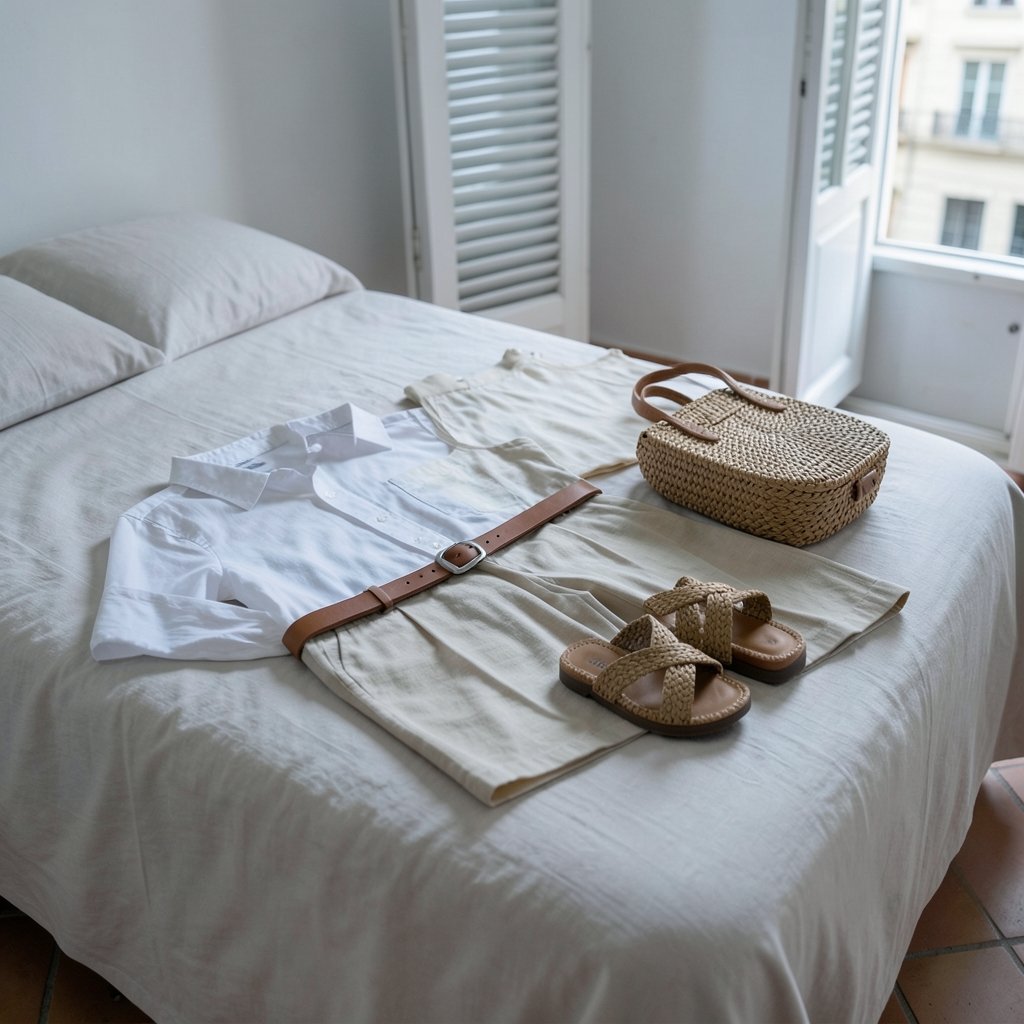
Summers in Italy are getting hotter. Italy’s national statistics agency recorded some of the highest average temperatures in the country’s history during recent summers, with prolonged heat waves pushing daytime highs well past 35°C in cities like Rome, Florence, and Palermo. That single fact explains why the Italian summer capsule wardrobe has become such a practical idea: when the heat is relentless, you don’t want a closet full of clothes. You want a small set of pieces that actually work.
The concept borrows from the capsule wardrobe, a term popularized in the 1970s and 1980s to describe a compact, interchangeable collection of garments. Applied to Italian summer dressing, it means building a lean rotation of breathable fabrics, relaxed cuts, and a restrained color palette that can carry you from a morning espresso to an evening passeggiata without a second thought.
Why a Capsule Makes Sense for Italian Summers
Italian summer style is less about trends and more about material and proportion. Fashion writing on Italian dressing consistently returns to natural fibers, loose silhouettes, and a palette that stays close to neutrals. There’s a reason for that: linen, cotton, and silk breathe, while synthetic blends trap heat.
The climate also varies enormously. The Alpine north around Bolzano and Aosta has mild, sometimes cool summer evenings, while the Mediterranean south in Puglia and Sicily bakes for months. Any honest guide to an Italian summer wardrobe has to acknowledge that “Italian summer” is not one climate but several. A capsule built for Milan will not fully serve Palermo.
What stays constant is the logic. Fewer pieces, each chosen for breathability and versatility, mean you pack lighter, dress faster, and look more put-together. If you’ve read about building a timeless wardrobe, you’ll recognize the same principle at work: invest in fewer, better items and let them do more.
The Core Pieces of an Italian Summer Capsule
A workable capsule usually lands somewhere between 12 and 20 items, including shoes and accessories. The exact number matters less than the mix. Here’s a practical breakdown that holds up across most of the country.
| Category | Pieces | Notes |
|---|---|---|
| Tops | 4–5 | Linen shirts, cotton tees, a silk camisole |
| Bottoms | 3–4 | Linen trousers, cotton shorts, a midi skirt |
| Dresses | 1–2 | A loose cotton or linen dress |
| Outerwear | 1–2 | A light overshirt, a thin knit for evenings |
| Shoes | 2–3 | Leather sandals, canvas sneakers, flat espadrilles |
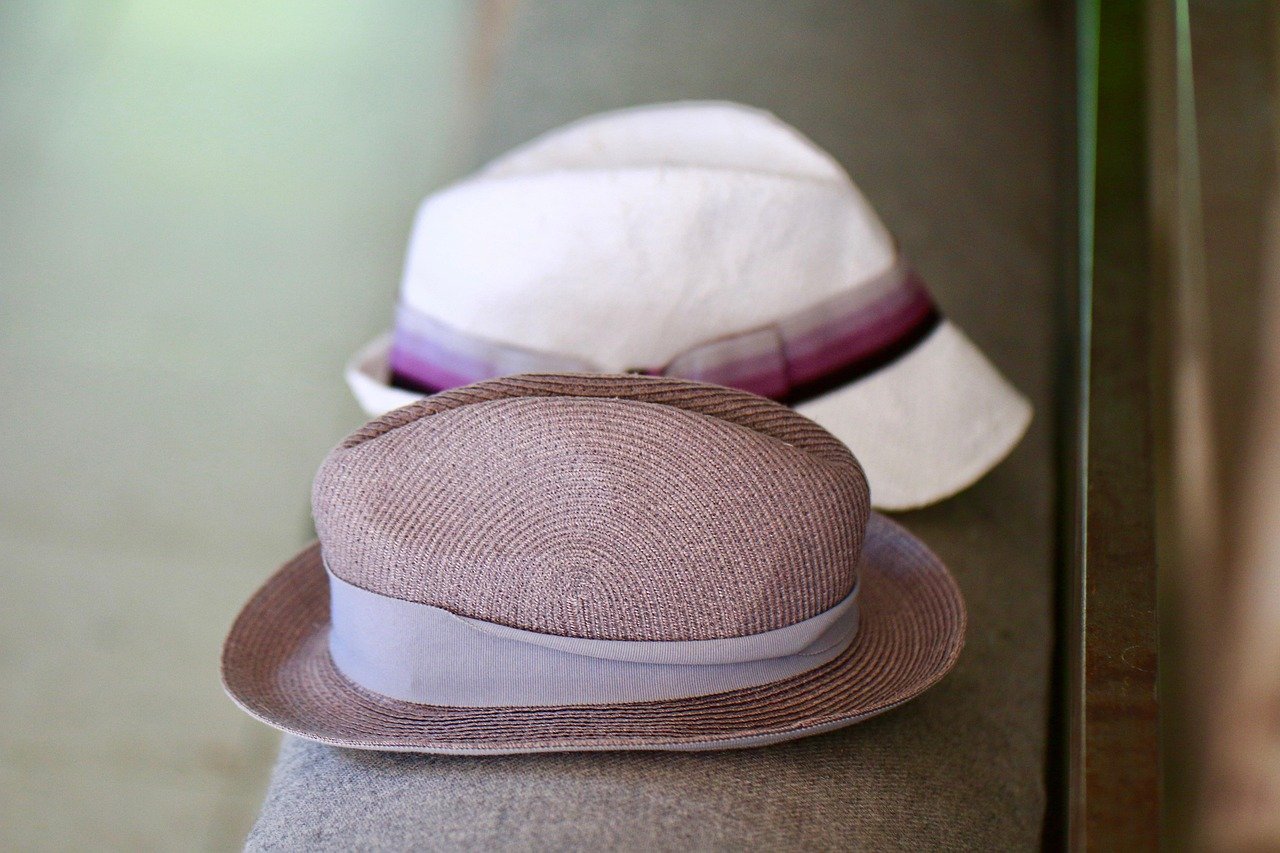
| Accessories | 3–4 | Straw hat, silk scarf, leather bag, sunglasses |
The point isn’t to copy this list exactly. It’s to notice the ratio: mostly tops and bottoms that mix freely, with a couple of statement pieces and reliable footwear.
Tops That Breathe
Start with linen shirts. A white or pale blue linen shirt is arguably the single most useful item in an Italian summer wardrobe. It works untucked over shorts, tucked into a skirt, or open over a camisole. Add two or three plain cotton t-shirts in neutral tones and one silk camisole for evening.
Avoid heavy jersey and anything with a high synthetic content. A quick check of the fiber label tells you more than any marketing copy.
Bottoms With Room to Move
Linen trousers in beige, navy, or olive cover everything from lunch to dinner. Cotton shorts handle the beach and casual days. A midi skirt in cotton or a lightweight blend adds a dressier option without extra weight.
The common mistake here is buying bottoms too tight. In heat, close-fitting waistbands and thighs are miserable. Look for elastic or drawstring waists and cuts that sit away from the body.
One or Two Dresses
A single loose dress in cotton or linen does a lot of work. Choose a cut that works with sandals and a straw hat for daytime and can be dressed up with jewelry and a scarf for dinner. Two dresses, in different colors, cover nearly every social situation a summer trip throws at you.
Layers for Evenings
Even hot regions cool down after dark, and northern Italy can get genuinely chilly at night. A lightweight overshirt or a thin cotton knit handles the drop in temperature. This is where many people underpack and end up borrowing a sweater.
Fabric Is the Whole Game
You can get the colors and cuts right and still fail on fabric. Italian summer dressing has always leaned on natural materials, and for good reason.
Linen is the gold standard for heat. It wrinkles, and that’s fine. The wrinkles are part of the look. Cotton in a light weave is the reliable everyday option. Silk adds polish for evenings and packs small. Wool might sound wrong for summer, but lightweight merino and tropical-weight wool are traditional warm-weather fabrics in Italian tailoring, particularly in the north.
Italy’s textile industry has deep roots in these materials. The Como region is historically associated with silk production, and Biella with wool. Knowing where fabrics come from doesn’t change how they feel, but it does explain why Italian-made garments often prioritize material quality over novelty.
Synthetic blends deserve scrutiny. A polyester shirt in 35°C heat feels like wearing a plastic bag, no matter how good it looks on the hanger.
The Color Palette That Does the Most Work
A capsule lives or dies on whether the pieces match each other. The safest approach is a neutral base with one or two accent colors.
Neutrals that work: white, cream, beige, navy, olive, and soft gray. Accents that feel right for an Italian summer: terracotta, faded blue, sage green, or a warm mustard.
The rule of thumb is simple. Every top should work with every bottom. If you have to think about whether two pieces go together, one of them probably doesn’t belong in the capsule.
This is also where sprezzatura comes in, the Renaissance idea of studied carelessness described in Baldassare Castiglione’s Il Corteggiano back in 1528. Italian style writing still invokes it today. The goal isn’t to look like you tried hard. It’s to look like you threw something on and it happened to work. A tight, well-chosen capsule makes that effortless look much easier to fake.
Packing and Living With the Capsule
If you’re building this wardrobe for travel, the capsule pays off immediately. A dozen pieces fit in a carry-on, and everything matches, so you can dress in the dark and still look coordinated.
Practical tips that actually work:
- Roll, don’t fold. Linen and cotton wrinkle less when rolled tightly.
- Pack a fabric steamer or accept the wrinkles. Linen will crease. Fighting it is a losing battle.
- Bring one light layer even in August. Northern evenings and air-conditioned restaurants both get cold.
- Choose two pairs of shoes maximum. Leather sandals and a pair of clean sneakers cover almost everything.
- Wash by hand and hang. Natural fabrics dry fast in Italian summer heat.
The most common packing mistake is bringing “just in case” items. They take up space and never get worn. A capsule works because it forces a decision up front.
If you want to go deeper on the philosophy behind this approach, the guide to a timeless wardrobe covers the long-term version of the same idea: buy less, choose better, and let the pieces earn their place.
What People Get Wrong
A few traps show up again and again.
Buying for the photo, not the climate. A beautiful outfit that makes you sweat through lunch is a bad outfit. Fabric first, style second.
Overpacking accessories. Three scarves and four hats is not a capsule. Pick one of each.
Ignoring regional differences. A wardrobe built for a Milan business trip will feel wrong on the Amalfi Coast. Match the capsule to the actual climate you’ll be in.
Skipping the evening layer. Everyone remembers the heat. Fewer people remember that Italian evenings, especially near water or in the north, can be cool.
Assuming expensive means better. A well-made linen shirt from a mid-range brand often outperforms a designer piece in a synthetic blend.
Building Your Own Version
Start by auditing what you already own. Pull out every piece that’s breathable, fits well, and matches at least two other items. You may find you’re halfway to a capsule already. (Fashion)
Then fill the gaps deliberately. Buy one piece at a time, wear it, and see how it works with the rest. This slow approach beats a single big shopping trip almost every time, because it lets you learn what you actually reach for.
Set a target number and stick to it. Twelve to twenty pieces is a reasonable range for a summer capsule. Anything more and you’re back to a full closet with nothing to wear.
The wardrobe should serve the season, not the other way around. Italian summer dressing at its best is relaxed, practical, and quietly confident. A capsule gets you there with less effort and less luggage.
Conclusion
The Italian summer capsule wardrobe isn’t a rigid formula. It’s a way of thinking about clothes that puts breathability, versatility, and a coherent palette ahead of volume. Build around linen, cotton, and silk. Keep the colors neutral with a couple of accents. Add one evening layer and two pairs of shoes. Then stop.
The result is a wardrobe that handles heat waves, varied regional climates, and the full range of summer social occasions without a single wasted piece. Fewer clothes, chosen well, genuinely do more. That’s the whole idea, and it’s one worth adopting whether you’re spending August in Rome or just trying to survive a heat wave at home.
Frequently Asked Questions
How many pieces should an Italian summer capsule wardrobe have?
Most workable capsules land between 12 and 20 pieces, including shoes and accessories. The exact number matters less than whether every piece matches at least two others. A tighter capsule of 12 to 15 pieces forces better decisions and packs more easily.
What fabrics work best for Italian summer heat?
Linen, cotton, and silk are the most reliable choices. Linen breathes best and handles high heat, cotton is the durable everyday option, and silk adds polish for evenings. Lightweight wool also works in northern Italy, where summers are milder and evenings cooler.
Is a capsule wardrobe only useful for travel?
No. A capsule works just as well at home. The benefits are the same: faster dressing, less clutter, and a wardrobe where everything fits and matches. Travel just makes the advantages more obvious because you feel the weight of every unnecessary item.
How do I handle cool Italian evenings with a summer capsule?
Add one lightweight layer, such as a linen overshirt or a thin cotton knit. This single piece covers air-conditioned restaurants, coastal breezes, and northern evenings. Skipping it is one of the most common packing mistakes.
Do I need to buy expensive clothes to build this wardrobe?
No. Fabric and fit matter far more than price or brand. A well-cut linen shirt from a mid-range label usually outperforms a designer piece in a synthetic blend. Check the fiber label before you check the price tag.
How does Italian summer style differ between the north and south?
The north, including Alpine regions, has milder summers and cooler evenings, so light layers matter more. The south, including Sicily and Puglia, stays hot for months, so breathable fabrics and loose cuts are essential. A capsule should be adjusted to the specific region you’ll be in.