
How to Host Afternoon Tea at Home: Easy Guide
 Abdul WadoodLast updated
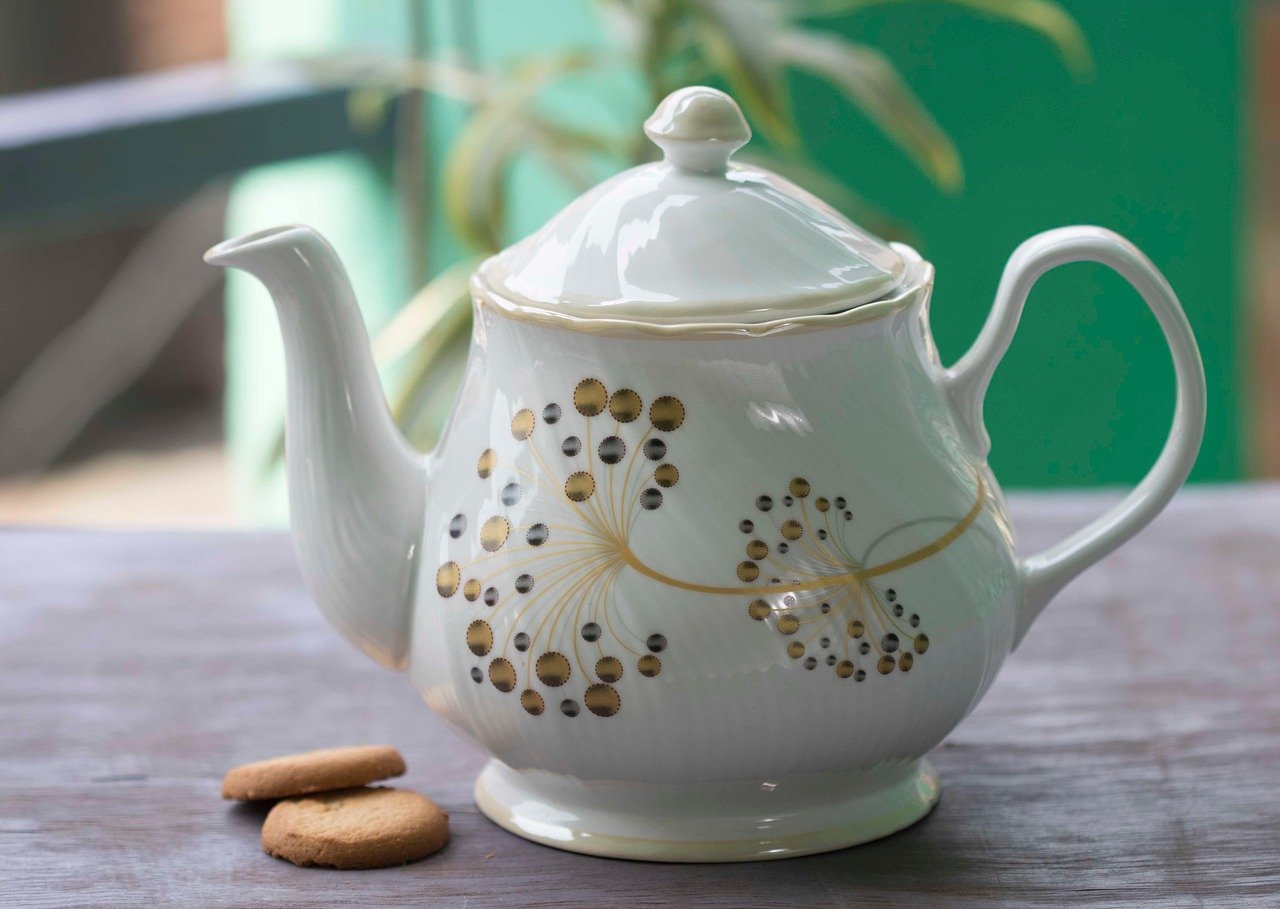
Afternoon tea has a reputation problem. Most people picture starched tablecloths, tiny sandwiches, and a bill that could cover a week of groceries. But the tradition started as something far humbler: a hungry duchess sneaking a snack between lunch and a very late dinner. That origin story matters, because it means afternoon tea was never meant to be intimidating. It was meant to be a small, civilized pause in the day.
Hosting it at home is entirely doable. It just requires knowing a few things that most guides skip: the difference between afternoon tea and high tea, how much food to actually make, what can be prepared ahead, and where the food-safety traps hide. Get those right, and the rest is mostly arranging things nicely on a plate.
Afternoon Tea and High Tea Are Not the Same Thing
This is the first mistake hosts make, usually because a restaurant menu has confused them. Afternoon tea is a light late-afternoon meal, typically served between about 3:30 and 5:00 p.m. It consists of finger sandwiches, scones with clotted cream and jam, and small pastries, usually with tea to drink.
High tea is something else entirely. Historically, it was the early evening meal of working families, served at a high table with hot dishes, pies, and hearty fare. It was not a fancier version of afternoon tea. It was dinner.
So if someone invites you to “high tea” at a hotel and serves you scones, they are using the term loosely. For a home host, the practical takeaway is simple: afternoon tea is a light meal, not a substitute for dinner. Plan portions accordingly, and tell guests whether they should eat beforehand.
Setting the Guest List and the Table
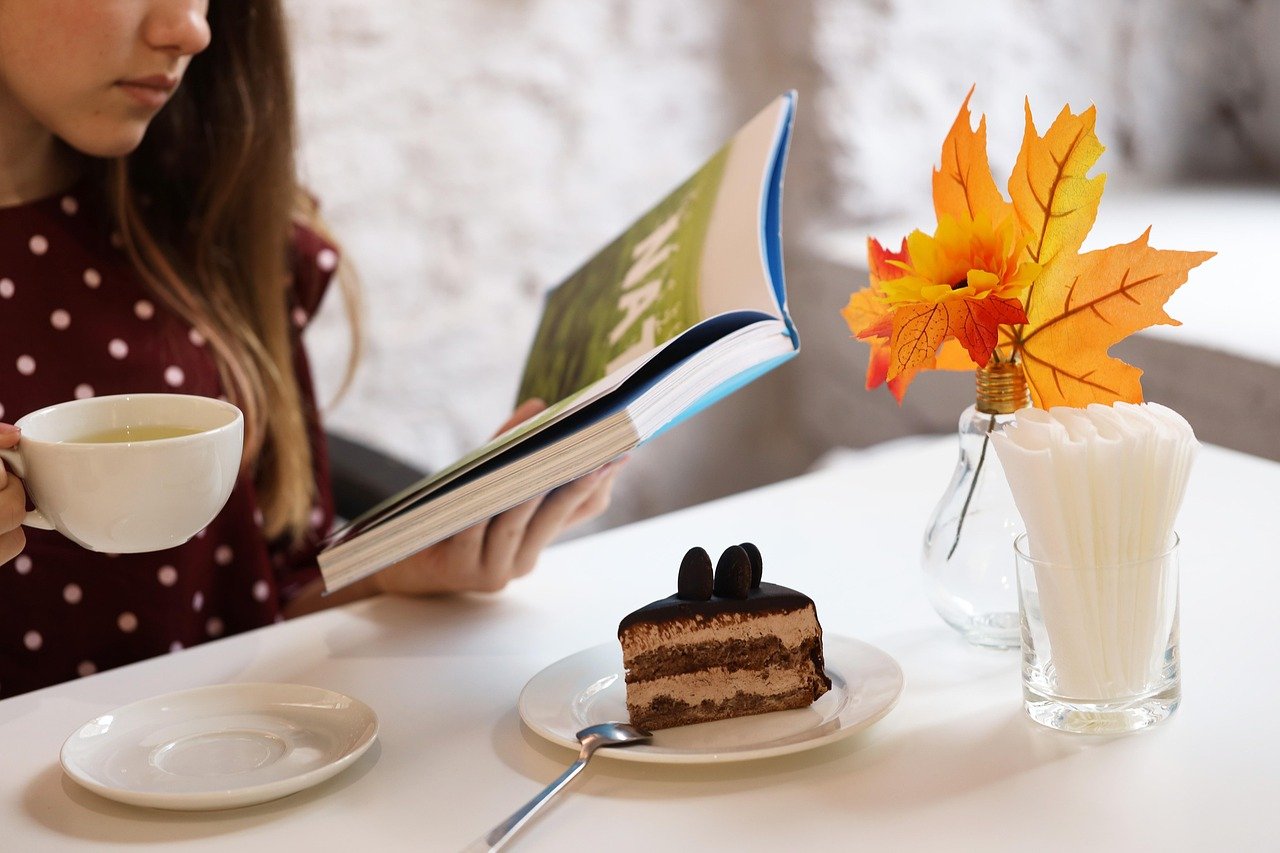
Afternoon tea works best for six to ten people. Fewer than four and the effort feels disproportionate; more than twelve and the serving logistics get stressful without hired help.
Seating matters more than décor. Guests need somewhere to rest a cup and a plate, ideally with a small side table or enough table space that nobody is balancing china on a knee. If seating is tight, serve in two waves rather than cramming everyone in.
For the table itself, the classic three-tier stand is traditional but not mandatory. A stack of cake stands, a few platters, and a couple of boards work just as well and are easier to pass around. The practical arrangement that hosts tend to land on:
| Tier | Contents | Why it goes there |
|---|---|---|
| Bottom | Finger sandwiches | Heaviest; keeps the stand stable |
| Middle | Scones with cream and jam | Eaten second, by tradition |
| Top | Pastries and small cakes | Lightest; easy to reach |
One thing worth stealing from the interior-design world: a table that feels personal reads as more generous than one that looks catalog-perfect. Mismatched china, a few flowers from the garden, and a linen cloth with a crease in it will land better than a rigid, rented-looking setup. If you want ideas for making a room feel warm without spending much, there are good resources on designing a home that feels personal, and the same logic applies to a tea table.
The Food: What to Make and How Much
The quantity question trips up almost every first-time host. A widely used planning estimate is roughly three to four finger sandwiches, one to two scones, and two to three small pastries per guest. That is a rule of thumb rather than a hard rule, but it lands in the right zone for a light meal with tea.
Finger sandwiches
Cucumber with butter, smoked salmon with cream cheese, egg mayonnaise, and ham with mustard are the standards for good reason: they are cheap, quick, and hold up reasonably well. Cut crusts off, cut into fingers or triangles, and keep them covered with a damp cloth or cling film until serving. Assemble them as close to serving as possible. A cucumber sandwich made three hours early is a soggy sandwich.
Scones
Scones are best the day they are made, ideally within a couple of hours of coming out of the oven. They freeze well, so baking a batch the week before and reheating is a legitimate shortcut. Serve them with clotted cream and jam, and expect an argument about the order. The Devon and Cornwall traditions disagree on whether cream or jam goes on first, and both sides are sincere about it. Put both on the table and let guests commit their own heresies.
Pastries and cakes
This is where buying in is completely acceptable. Small tarts, mini éclairs, shortbread, and a simple loaf cake all work. The only real rule is scale: everything should be pickable with fingers or a small fork.
Tea
Offer at least three: a strong black blend such as English breakfast or Assam, an Earl Grey, and a caffeine-free option like peppermint or rooibos. Brew black tea with water close to boiling and steep for roughly three to five minutes; green and white teas want cooler water and shorter steeping so they don’t turn bitter. Use a teapot with loose leaves if you have one, and provide a small jug of milk. Offer a decaf option too, since a 4 p.m. caffeine hit is not welcome for everyone.
Managing Dietary Needs Without Chaos
Ask about allergies and dietary restrictions when you send the invitation, not on the day. Nut, gluten, and dairy allergies are common, and a guest who has to ask at the table will feel like a burden.
The low-effort system that works: keep one small, clearly labeled plate per restricted guest, prepared separately with clean utensils. Gluten-free bread for sandwiches, a dairy-free spread in place of cream, and a nut-free pastry selection cover most situations. Label the plates with a little card. It takes two minutes and removes all the guessing.
Food Safety: The Part Most Guides Skip
Cream, dairy fillings, and egg mayonnaise are all high-risk foods when left out. Standard food-safety guidance applies: keep these items refrigerated until serving, and don’t leave them sitting at room temperature for extended periods. In practice, that means plating sandwiches and cream in small batches and replenishing from the fridge rather than putting everything out at once.
Two habits that solve most of it:
- Serve in two rounds. Put out half the sandwiches and cream, then swap in fresh ones an hour later.
- Keep a cooler bag or a bowl of ice under the cream and any dairy-heavy items if the room is warm.
If tea runs long into the evening, wrap and refrigerate anything that has been out for a while. It is not worth the risk to save a few sandwiches.
The Make-Ahead Timeline
The difference between a relaxed host and a frantic one is almost always the schedule. A workable plan for a 4 p.m. tea:
Two days before: shop, confirm guest numbers and dietary needs, bake and freeze scones if making them ahead.
The day before: bake the loaf cake, make the pastry bases, wash and dry the china, set out the stands and linens.
Morning of: slice cucumber and salt it lightly to draw out water, then pat dry. Make the egg mayonnaise and refrigerate. Brew and chill any iced tea.
Two hours before: bake or reheat scones, set the table, put out the teapots and cups.
Thirty minutes before: assemble sandwiches, cut, cover, and refrigerate. Fill milk jugs. Boil the kettle.
At serving time: plate the sandwiches, warm the scones, and put the kettle on the table.
That last point is worth stressing: do not pre-pour tea. Tea goes cold fast, and a cold cup of tea is a small tragedy. Let guests pour their own, or pour in small rounds.
Drinks Beyond Tea
Not everyone drinks tea, and that is fine. A jug of iced tea with lemon, a pitcher of water with cucumber or mint, and a small bottle of something sparkling covers the bases. If you want to offer something stronger, a dry sparkling wine or a splash of something in the tea is a nice touch, but it is optional and should never be the centerpiece of an afternoon event. (Afternoon tea recipes)
Common Mistakes That Undo a Good Tea
A few recurring errors are worth naming, because they are easy to avoid:
- Overcatering. Three kinds of sandwich, two kinds of scone, and five pastries is plenty. More food means more stress and more waste.
- Assembling too early. Sandwiches go soggy, scones go stale, and cream goes warm.
- Skipping the dietary question. It is the single most common cause of an awkward moment at the table.
- Forgetting the practical stuff. Enough teaspoons, enough napkins, a place to put used cups, and a bin near the table. These small logistics matter more than the flowers.
- Treating it like a dinner party. Afternoon tea is a light meal. Guests should leave satisfied, not stuffed.
One more, less obvious: don’t try to do everything from scratch. Buying good pastries, good jam, and good bread is not cheating. It is how you protect your energy for the parts that actually show: the welcome, the table, and the conversation.
Making It Feel Like an Occasion
The atmosphere does most of the work. A few things that reliably help:
- Music at low volume. Something instrumental, nothing that competes with conversation.
- Natural light. Serve in the brightest room in the house if the weather allows.
- One focal point. A single vase of flowers, a cake on a stand, or a nice teapot. One is enough; three competing displays look cluttered.
- Comfortable chairs. People linger longer when they are not perched on a stool.
If you are hosting in a small space, remember that the room does not have to be perfect. A tidy table, a warm welcome, and food that tastes good will carry the day. Guests remember how they felt, not whether the napkins matched. For more on making a home feel inviting without a big budget, the same principles that apply to creating a home that feels personal apply here: edit, don’t add.
A Note on Presentation
Small touches cost little and read as generous. Cut sandwiches with a sharp knife and wipe the blade between cuts so the edges stay clean. Dust pastries with a little icing sugar. Warm the teapot with hot water before brewing. Stack scones in a napkin-lined basket rather than piling them on a plate. None of this takes more than a few minutes, and all of it signals care.
If you are also sprucing up for guests, small grooming and home-prep tasks tend to get lumped into the same weekend. A guide to hair clippers and cutting hair at home or a hair gloss guide for salon versus at-home results can help you plan that sort of thing without a last-minute scramble. And if you have pets, a quick pass with a vacuum that actually picks up pet hair before guests arrive is worth the ten minutes.
Conclusion
Hosting afternoon tea at home comes down to a handful of decisions: keep the food light, ask about dietary needs early, assemble sandwiches late, and don’t let cream sit out. The rest is atmosphere, and atmosphere is mostly about making people comfortable rather than impressing them. The tradition began as a small, practical pleasure between meals, and it works best when it stays that way. Set a reasonable table, brew a proper pot, and let the afternoon run long.
Frequently Asked Questions
What time should afternoon tea be served?
Traditionally between about 3:30 and 5:00 p.m., bridging the gap between lunch and a late dinner. For a home host, 4 p.m. is the most forgiving slot: early enough that guests aren’t starving, late enough that they have had lunch.
What is the difference between afternoon tea and high tea?
Afternoon tea is a light late-afternoon meal of sandwiches, scones, and pastries. High tea was historically a working family’s early evening meal with hot dishes, served at a high table. High tea is not a fancier afternoon tea; it is a different meal altogether. (Tea (meal)))
How much food should I make per person?
A common planning estimate is three to four finger sandwiches, one to two scones, and two to three small pastries per guest. Adjust upward for a hungry crowd or if tea replaces dinner, and downward if you are serving a larger cake.
Can I make everything ahead of time?
Scones can be baked and frozen, then reheated. Cakes and pastry bases can be made a day ahead. Sandwiches should be assembled within an hour or two of serving, and anything with cream, egg, or dairy should stay refrigerated until it goes on the table.
What should I serve guests who don’t drink tea?
Offer a caffeine-free herbal infusion, a jug of iced tea, water with lemon or mint, and something sparkling. Having two or three non-tea options means nobody has to ask for something different.
Do I need a three-tier stand?
No. A stack of cake stands, a few platters, or a couple of boards work just as well and are easier to pass around. The tiers are a presentation convention, not a requirement, and a crowded table of small plates often looks more inviting than a single formal stand.