
Hair Gel Guide 2026: Hold, Finish & How to Choose
 Abdul WadoodLast updated
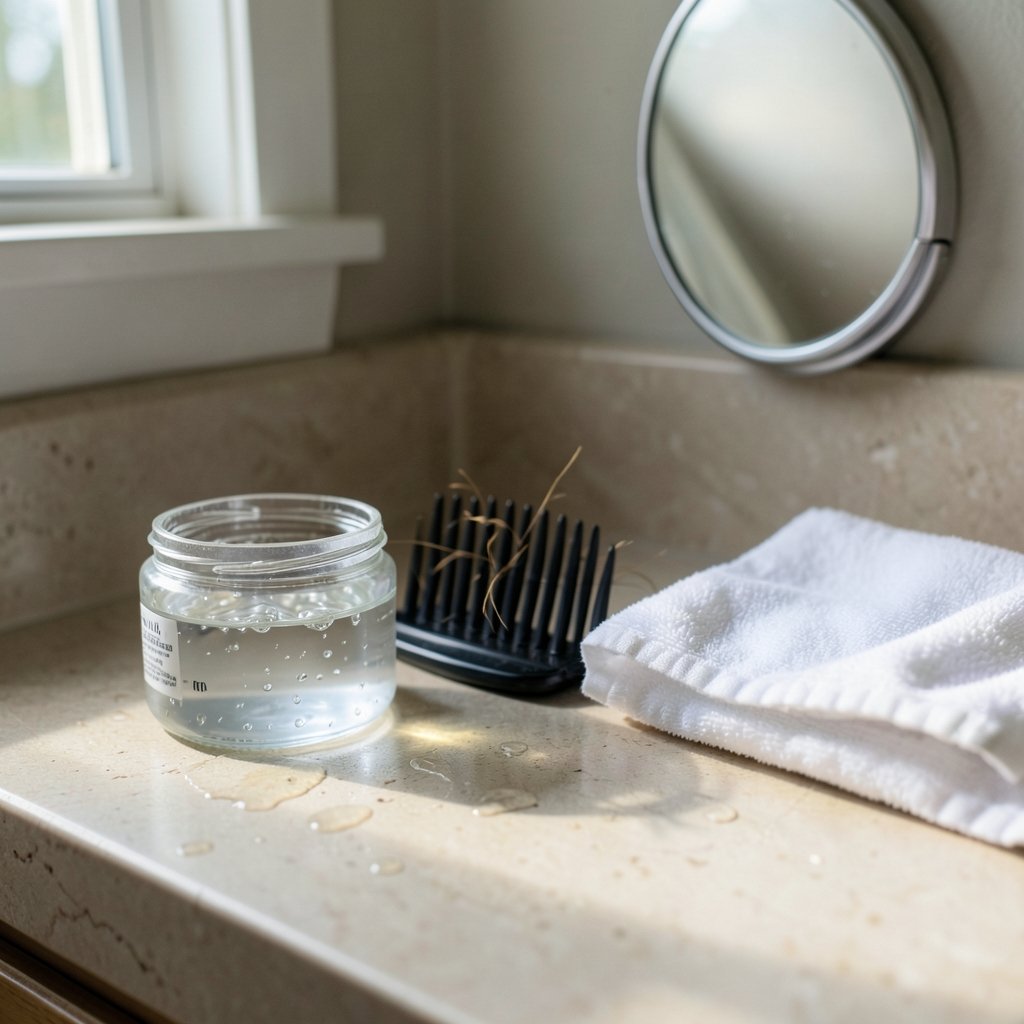
Ever spent twenty minutes sculpting your hair into something respectable, walked outside into a light breeze, and watched the whole thing collapse before you reached the corner? If so, you already know the real question about hair gel isn’t what it is. It’s why some gels hold all day while others turn your hair into a stiff, flaky helmet by noon.
This guide breaks down what hair gel actually does, what’s inside the tube, how to pick the right one for your hair type, and the small technique mistakes that make even good gel fail. No hype, no brand worship, just the mechanics of a product most people use badly.
What Hair Gel Actually Is
Hair gel is a styling product with a water-based, jelly-like texture designed to do three jobs at once: shape the hair, hold that shape, and leave a visible finish (shiny, matte, or wet). It belongs to the same broad family as mousse, pomade, wax, and cream, but it’s the only one built primarily around film-forming polymers that dry into a flexible scaffold around each strand.
That film is the whole trick. When the water in the gel evaporates, the polymers link together and lock the hair in the position you set. The stronger and more rigid the film, the stronger the hold. The trade-off is always the same: more hold usually means less natural movement, more crunch, and a higher chance of white residue if the film cracks.
Gels sit in a crowded category. In the United States, styling products like this are regulated as cosmetics under the Federal Food, Drug, and Cosmetic Act, which means they must be safe and properly labeled but don’t need pre-market approval. In the European Union, they fall under the cosmetics regulation that governs ingredient safety and labeling across member states. That regulatory framing matters for one practical reason: ingredient lists are legally required to be accurate, so the label is your most reliable tool when comparing products.
What’s Inside the Tube
Most gels are built from the same handful of ingredient families. Once you can spot them, you can predict how a product will behave before you buy it.
| Ingredient family | Typical examples | What it does |
|---|---|---|
| Film-formers | PVP, VP/VA copolymer | Create the hold; the backbone of the gel |
| Thickeners | Carbomer | Turn water into gel texture |
| Humectants | Glycerin, propylene glycol | Pull in moisture, reduce dryness |
| Solvents | Water, alcohol | Carry ingredients, speed drying |
| Fixatives and conditioning agents | Various polymers, panthenol | Add stiffness or softness |
| Preservatives | Common cosmetic preservatives | Keep the product from spoiling |
| Color and fragrance | Dyes, perfume | Appearance and scent only |
Two entries on that list cause most of the arguments.
Alcohol is the first. A high-alcohol gel dries fast and gives a crisp, strong hold, which is why it’s popular for structured styles. But alcohol can also strip moisture and leave hair feeling brittle, especially if you use it daily. Alcohol-free gels feel gentler and are usually the better pick for dry, curly, or color-treated hair, though they often take longer to set.
Glycerin is the second. It’s a humectant, meaning it attracts water from the air. In humid weather that can be a gift for curls, keeping them hydrated and defined. In very dry climates or freezing temperatures, the same property can pull moisture out of the hair shaft instead. It’s not a bad ingredient; it’s a climate-dependent one.
The practical takeaway: read the ingredient list in order. Ingredients are listed by weight, so if alcohol appears near the top, expect a fast-drying, high-hold product. If glycerin is high on the list, expect a softer, more moisture-focused gel.
Matching Gel to Your Hair Type
There’s no universal best gel, only the best gel for a specific head of hair. Here’s how the logic breaks down in practice.
Fine or thin hair
Fine hair gets weighed down easily. Heavy gels with lots of conditioning agents flatten it within an hour. Look for a lightweight gel with medium hold and a matte or natural finish. Apply less than you think you need, and focus on the roots if volume is the goal.
Thick or coarse hair
Thick hair needs more structure to stay in place. Strong-hold gels with firm film-formers work well here, and you can afford to use a more generous amount. A wet-look finish often suits coarse hair because it reads as intentional rather than greasy.
Curly and coily hair
Curls need definition without crunch. This is where alcohol-free, glycerin-rich gels shine, particularly in humid conditions. Many curly-hair routines use a technique where gel is applied to soaking-wet hair and then “scrunched” once dry to break the hard cast and leave soft, defined curls. It works because the film holds the curl pattern while it dries, then releases into softness.
Color-treated or dry hair
Skip high-alcohol formulas. Repeated use of drying gels on chemically treated hair tends to make it feel rougher over time. Gentler, water-based gels with humectants are the safer daily choice.
Hold Levels and Finishes, Decoded
Product labels throw around terms that aren’t standardized, which is why two “strong hold” gels can behave completely differently. A rough working scale helps.
| Hold level | What to expect | Best for |
|---|---|---|
| Light | Soft movement, minimal stiffness | Natural looks, fine hair, touch-ups |
| Medium | Shape holds but stays flexible | Everyday styling, most hair types |
| Strong | Firm structure, visible crunch until broken | Structured styles, thick hair, humid days |
| Extreme | Rigid, near-sculptural hold | Short, precise cuts and event styling |
Finish works on a separate axis. Shine comes from the film’s smoothness and from added moisturizers. Matte gels use ingredients that scatter light and hide the film. Wet look is exactly what it sounds like: a high-shine, still-damp appearance that’s a deliberate style choice, not a mistake.
The mistake most people make is buying extreme hold for everyday use. It’s harder to work with, harder to wash out, and more likely to flake. Medium hold handles most daily situations, and you can always layer a second application for more structure.
How to Apply Gel So It Doesn’t Fail
Technique explains more failed hairstyles than product choice does. These steps are the ones that consistently make a difference.
- Start with damp, not dripping, hair. Gel distributes best through towel-dried hair. Soaking wet hair dilutes the product; bone-dry hair makes it sit on the surface and flake.
- Use a small amount first. Start with a coin-sized blob for short hair, more for long or thick hair. You can add, but you can’t subtract.
- Work it through evenly. Spread the gel across your palms first, then rake it through with your fingers or a wide-tooth comb. Uneven application is the number one cause of patchy hold and white flakes.
- Shape while it’s wet. Gel sets the shape you give it while damp. Once it dries, changing the shape means cracking the film.
- Don’t touch it while it dries. Hands in drying hair create frizz and break the film. Let it set.
- Break the cast if you want softness. Once fully dry, a hard gel forms a crunchy layer called the cast. Scrunch it gently with dry hands to soften it without losing definition.
- Wash it out properly. Gel left in overnight or for days can build up and dull the hair. A normal wash cycle is usually enough; clarify occasionally if you use strong-hold products daily.
A common mistake is applying gel to hair that’s already partly styled with other products. Layering gel over wax or pomade tends to produce clumps and uneven texture. Pick one primary styling product per routine.
Common Myths and What Actually Happens
“Gel causes hair loss.” There’s no evidence that styling gel causes hair loss. What does happen is that heavy buildup and tight styling can make hair look thinner and feel rough. The fix is washing and not over-applying, not avoiding gel.
“Gel dries out your hair.” High-alcohol gels can be drying with heavy daily use, but water-based gels with humectants generally don’t. The bigger culprit is usually skipping conditioner.
“More gel equals more hold.” Up to a point. Past that point, extra product slows drying, creates clumps, and flakes when the film gets too thick. Diminishing returns hit fast.
“Expensive gel is always better.” Price often reflects fragrance, packaging, and marketing more than performance. A cheap gel with the right ingredient profile can outperform a premium one on your specific hair.
Storage, Shelf Life, and Safety Basics
Gel is a water-based product, which means it can grow bacteria if contaminated. Cosmetic products typically carry a period-after-opening symbol on the packaging, a small jar icon with a number of months. Respect it. A gel that has changed color, smell, or texture should be thrown out, even if it’s within that window.
Keep the lid closed, store it away from direct heat, and avoid introducing water into the container. Scooping with wet fingers is a common way to shorten a product’s life. (Risk Factors for Cancer)
One more practical note: gel containers are slippery, and the product is designed to be sticky. A little on the bathroom floor is a genuine slip hazard. Wipe it up rather than letting it dry into a film.
How to Read Reviews Without Getting Fooled
Online reviews are useful, but they’re skewed. People with very good or very bad experiences post; the middle gets ignored. When reading reviews, look for specifics: hair type, climate, how much product was used. A review that says “didn’t hold” from someone with thick hair in a humid city tells you something. A one-star review that says “smells weird” tells you almost nothing.
Ignore claims about “natural” or “chemical-free.” Everything is a chemical, water included. What matters is the ingredient list, the hold level, and whether the finish matches what you want.
Conclusion
Hair gel is a simple product with a simple job: hold a shape until you decide otherwise. The difference between a gel that works and one that fails comes down to three things you control. First, match the hold level and finish to your hair type and the weather. Second, read the ingredient list so you know whether you’re getting a fast-drying, high-alcohol formula or a gentler, moisture-focused one. Third, apply it to damp hair, in small amounts, evenly, and then leave it alone while it sets.
Get those three right and the breeze stops being the enemy. The gel does its job, your hair stays where you put it, and you stop blaming the product for a technique problem.
Frequently Asked Questions
Does hair gel damage your hair?
Not by itself. Gel is a surface product that washes out. Problems come from overuse, high-alcohol formulas used daily on dry hair, and buildup from not washing properly. Water-based gels with humectants are generally gentle enough for regular use.
What’s the difference between hair gel and pomade?
Gel is water-based and dries into a firm film, giving strong hold and a crisp or wet finish. Pomade is usually wax- or oil-based, stays pliable, and gives shine with less rigidity. Gel holds shape better; pomade allows more restyling through the day.
How much gel should I use?
Start with a coin-sized amount for short hair and roughly double that for long or thick hair. Apply to damp hair, distribute evenly, and add more only if the hold isn’t enough. Using too much is the most common cause of flaking and stiffness.
Can I use hair gel on curly hair?
Yes, and it’s one of the most effective products for curl definition. Choose an alcohol-free gel with humectants, apply to soaking-wet hair, let it dry fully, then scrunch out the hard cast for soft, defined curls.
Why does my gel leave white flakes?
Flaking usually means too much product, uneven application, or layering gel over another styling product. It can also happen when gel is applied to dry hair or when the film cracks from touching hair while it dries. Use less, apply to damp hair, and keep your hands off until it sets. (Hair gel)
Is alcohol-free gel better?
It depends on your hair and climate. Alcohol-free gels are gentler and better for dry, curly, or color-treated hair, but they dry more slowly. High-alcohol gels set fast and hold firmly, which suits structured styles and oily hair. Neither is universally better.