
Gray Blending for Dark Hair: Soften Contrast in 2026
 Abdul WadoodLast updated
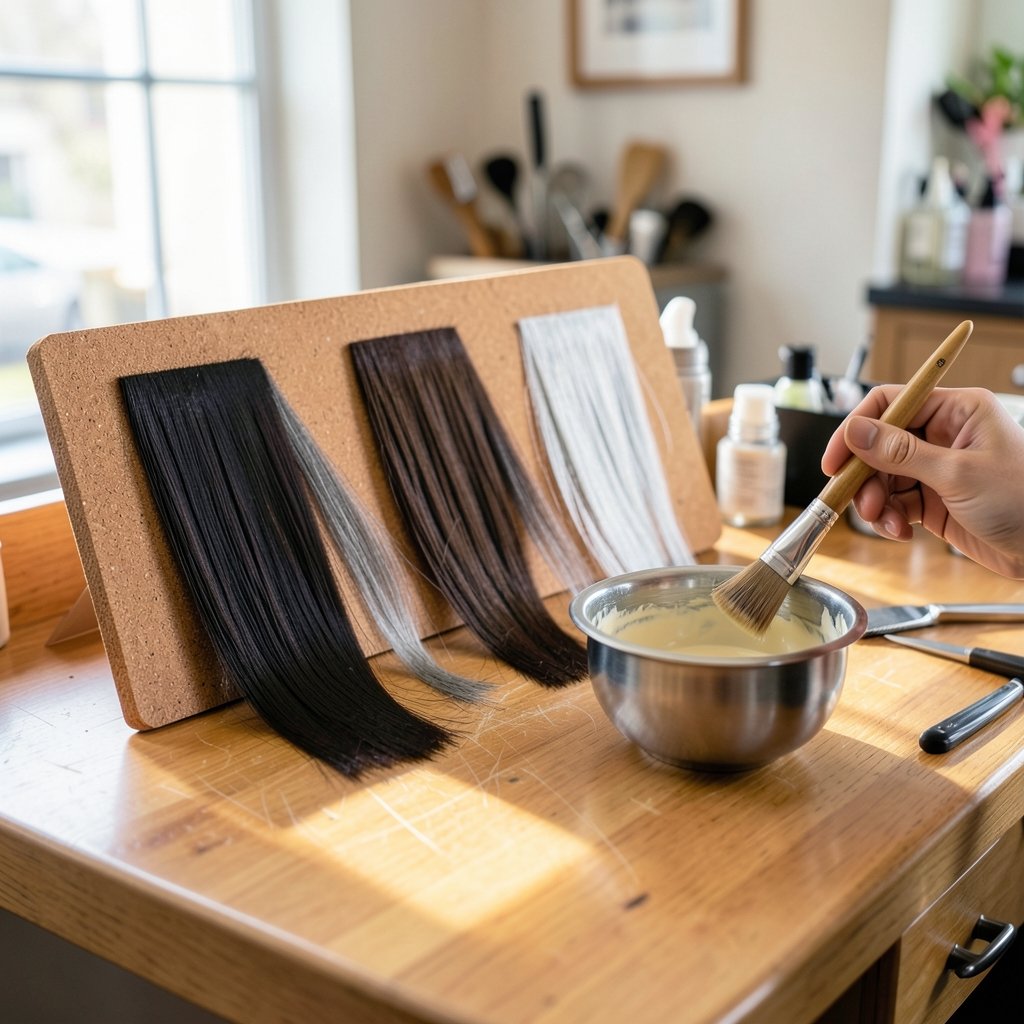
What happens when a single silver strand shows up in a head of jet-black hair? It doesn’t blend in. It announces itself. That’s the whole problem with gray hair on dark shades — the contrast is so sharp that every gray strand reads like a spotlight. Gray blending was built for exactly this situation, and for dark-haired clients it may be the most practical gray strategy available.
What Gray Blending Actually Means for Dark Hair
Gray blending is a coloring approach that softens the line between pigmented and gray hair instead of erasing it. The goal is not full coverage. The goal is harmony — a result where gray strands read as lighter pieces or lowlights rather than as patches of “missing” color.
On dark hair, this distinction matters more than on any other shade. A dark brown or black base creates maximum contrast against white and silver strands. Full-coverage dye can hide that contrast temporarily, but regrowth appears fast, and the grow-out line is brutally visible against dark hair. Blending takes the opposite route: it reduces the contrast at the root and through the lengths, so new gray arrives softly instead of as a stripe.
It helps to understand what gray hair actually is. Graying happens as pigment-producing cells in the follicle gradually stop delivering melanin to the hair fiber, a process documented in dermatology literature on human hair graying. The strand that emerges has less pigment, often a different texture, and frequently higher porosity — which is why it absorbs and releases color differently from the pigmented hair next to it. Any blending technique for dark hair has to account for that difference. (Hair coloring)
Why Dark Hair Is the Hardest Canvas for Gray
Three factors make dark hair a special case:
| Factor | Effect on Dark Hair | What Blending Does About It |
|---|---|---|
| High contrast | Gray strands stand out sharply | Softens the value gap with semi- or demi-permanent color |
| Fast regrowth visibility | Roots show within weeks | Keeps the root line diffused so regrowth is less obvious |
| Texture and porosity differences | Gray strands may resist or grab color unevenly | Uses gentler developers and glosses for more even deposit |
The regrowth issue deserves emphasis. With full coverage on dark hair, the moment the dye grows out, a bright band appears at the part line. Many clients end up in the salon every three to four weeks just to manage that line. Blending stretches that window considerably because there is no hard edge to maintain.
The Core Techniques That Work on Dark Shades
There is no single standardized “gray blending” method — the term describes a family of approaches. For dark hair, four techniques dominate.
1. Demi-Permanent Color One to Two Shades Lighter
Instead of matching the natural dark base, the colorist chooses a shade slightly lighter and deposits it over the gray. The gray strands pick up a soft tint rather than a solid block of color, and the overall effect is a diffused, natural-looking mix. Because demi-permanent color fades gradually, there is no harsh demarcation line.
2. Low-Volume Developers
Full gray coverage on dark hair often relies on higher-volume developers to lift and deposit. Blending usually works with low-volume developers, which deposit color with minimal lift. Less lift means less damage and a softer result — important because gray hair is often more fragile.
3. Glosses and Toning
A gloss or toner adds shine and a small amount of tone without committing to coverage. On dark hair, a cool-toned gloss can make silver strands look intentional, almost like lightened pieces. Glosses fade within weeks, which makes them a low-risk way to test whether blending suits a client before committing to a longer-term plan.
4. Strategic Lighter Strands and Lowlights
Weaving lighter strands through dark hair breaks up the solid block of color and gives gray strands something to blend into. Lowlights in a shade close to the natural base can also be placed around the face, where gray tends to cluster first. This is the technique most often used for clients transitioning toward more gray over time.
What Actually Works in Practice
A few practical points separate a good blend from a muddy one.
Match the tone alongside the level. Dark hair has warm, cool, or neutral undertones, and gray strands are naturally cool. Putting a warm brown over cool gray can produce a muddy or brassy result. Colorists who get blending right on dark hair usually choose a shade that respects the client’s undertone and keeps the gray reading as silver rather than beige.
Resist the urge to go too light. The instinct with dark hair is to lift dramatically so the gray “matches.” In practice, this creates a high-maintenance light base with dark roots — the exact problem blending is meant to solve. Gentle is the operative word.
Plan for the fade. Semi- and demi-permanent colors fade. A blend that looks perfect on day one may look washed out by week five. Clients should expect refresher glosses between full appointments rather than treating the first service as a one-and-done.
Address texture separately. Gray strands on dark hair often feel coarser and drier. Color alone won’t fix that. A moisturizing regimen and occasional bond-building treatments help the blended result look smooth rather than frizzy.
Take a test strand. Because gray hair porosity varies so much from person to person, a strand test before the full application is the single most reliable way to predict how a dark base will accept a blended tone.
Common Mistakes to Avoid
The most frequent error is treating gray blending as a synonym for gray coverage. They are different services with different goals, and clients who expect full coverage from a blending appointment will be disappointed. Clear expectations at the consultation prevent that.
The second mistake is choosing a color that is too dark. Putting a near-black shade over gray strands makes them look dull and flat rather than blended. A slightly lighter, softer tone almost always reads better.
The third is ignoring the grow-out pattern. Gray usually appears first at the temples and part line. A blend that doesn’t account for where the gray actually lives will look uneven within weeks.
Finally, some clients try to blend at home with box dye. On dark hair, this is risky: overlapping applications and unpredictable developer strengths can create patchy, hard-to-correct results. Blending is a technique-sensitive service, and professional application is where the value sits.
How Blending Compares to Other Gray Options
| Approach | Maintenance | Best For | Trade-off |
|---|---|---|---|
| Full gray coverage | Every 3–4 weeks | Clients who want zero visible gray | Harsh regrowth line on dark hair |
| Gray blending | Every 6–10 weeks plus glosses | Clients who want soft, low-contrast gray | Some gray remains visible by design |
| Transition to natural gray | Months of grow-out | Clients ready to stop coloring | Requires patience and a plan |
| No color at all | None | Clients who like their gray | Maximum contrast on dark hair |
The broader shift toward embracing natural texture and tone is visible across the beauty industry, where transparency and authenticity have become selling points rather than afterthoughts — a trend analyzed in outlets like Harvard Business Review in the context of consumer trust. Gray blending fits that mood: it is a middle path between hiding gray and celebrating it outright.
Who Benefits Most From Gray Blending
Blending tends to suit three groups especially well.
Clients with 20 to 50 percent gray. Below that threshold, full coverage is easy to maintain and the regrowth line is manageable. Above it, blending becomes almost essential on dark hair because the contrast is too aggressive to cover cleanly. In the middle range, blending buys time and looks natural.
Clients tired of the salon cycle. Anyone who has spent years on a three-week root schedule often finds blending liberating. The appointment rhythm slows, and the result looks less “done.”
Clients planning to go gray eventually. Blending is a graceful on-ramp. It gradually reduces the amount of dye in the hair, so the eventual transition to natural gray happens in stages rather than one dramatic chop-and-strip.
Clients with very dark, very dense hair and only a few scattered gray strands may find that a gloss alone is enough. There is no rule that blending must involve permanent change.
What to Expect in the Salon Chair
A blending appointment usually starts with a consultation covering gray percentage, texture, history of color, and how the client feels about visible silver. From there, the colorist typically mixes a demi-permanent shade, applies it to the root area and through the lengths, and finishes with a gloss.
Timing varies with the technique. A gloss service might take 30 to 45 minutes. A full blending application with lighter pieces can run two hours or more. Clients should ask specifically how the colorist plans to handle the root line, since that is the detail that determines how the result ages.
Aftercare matters too. Sulfate-heavy shampoos strip demi-permanent color faster. Color-safe washing, less frequent heat styling, and a weekly moisture mask all extend the life of a blend. For clients who want to understand the science behind hair structure and why porous hair behaves differently, resources on hair provide useful background. (Hair Dyes)
Conclusion
Gray blending for dark hair is less about hiding silver and more about choreographing it. The sharp contrast that makes gray so visible on black and dark brown hair is exactly what blending is designed to soften — not with heavy coverage, but with lighter tones, gentler developers, glosses, and strategic placement. It asks clients to accept some visible gray in exchange for a softer grow-out, fewer salon visits, and a result that looks deliberate rather than neglected. For anyone with dark hair who is tired of the root-line treadmill but not ready to go fully natural, blending is the pragmatic middle ground. The key is honest expectations at the consultation, a colorist who understands how porous gray strands behave, and a maintenance routine that protects the result between visits.
Frequently Asked Questions
How long does gray blending last on dark hair?
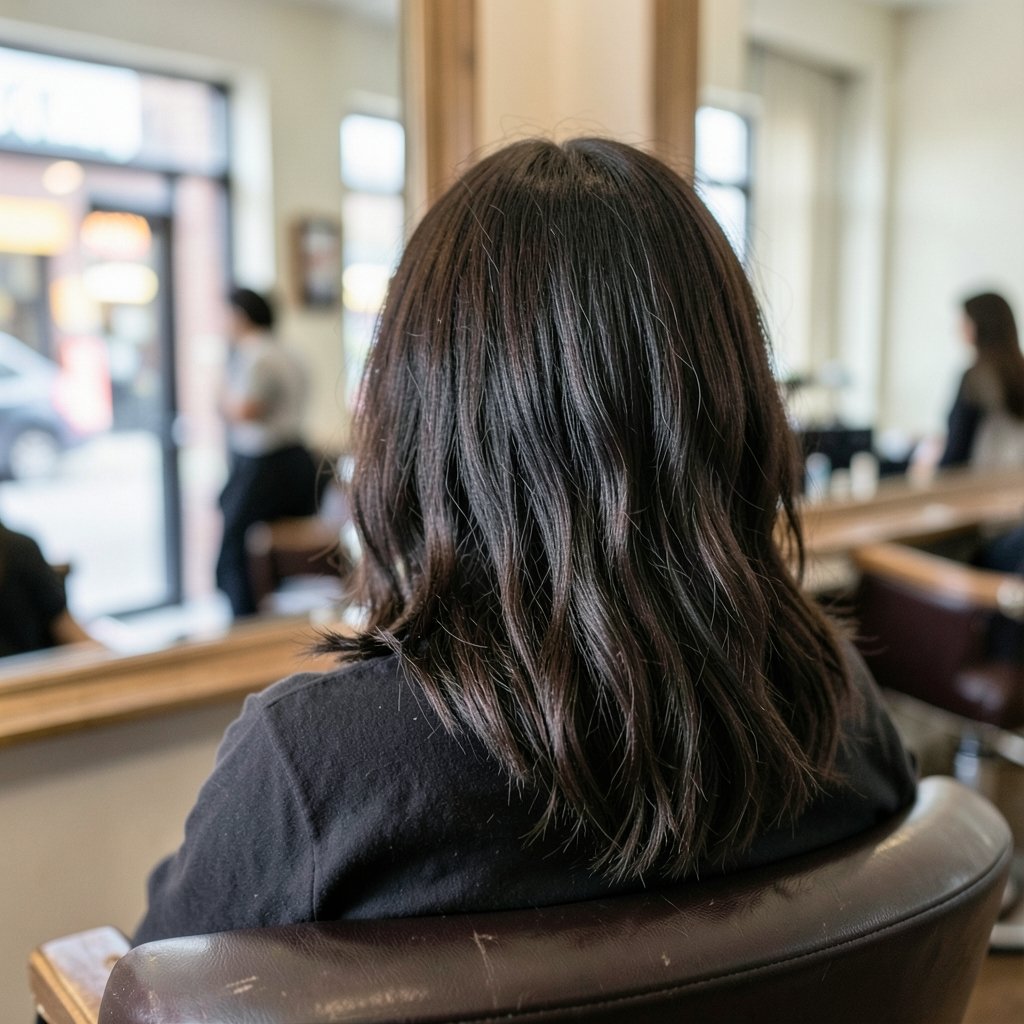
Most blends rely on semi- or demi-permanent color, which typically fades over four to eight weeks depending on hair porosity, washing frequency, and heat styling. Many clients book a gloss refresh between full appointments to keep the tone fresh. The softer root line means the grow-out is far less obvious than with full coverage.
Can gray blending fully cover gray hair?
No, and that is the point. Blending is designed to soften and diffuse gray, not eliminate it. Clients who want zero visible silver should ask for full gray coverage instead. Being clear about which result you want at the consultation prevents disappointment.
Is gray blending suitable for black hair?
Yes, and it is often the best option for very dark shades. The contrast between black hair and white strands is the highest of any color pairing, so full coverage shows regrowth almost immediately. Blending diffuses that line and makes silver strands read more like lighter pieces.
Does gray blending damage dark hair?
It is generally gentler than full coverage because it uses lower-volume developers and often avoids lift. Demi-permanent color and glosses sit on the surface rather than opening the cuticle aggressively. Gray hair itself tends to be more porous and fragile, so gentle application matters regardless of the technique.
How often will I need salon appointments?
Most clients return every six to ten weeks for a full blend, with optional gloss refreshes in between. That is a meaningful reduction from the three-to-four-week cycle common with full coverage on dark hair, which is one of blending’s biggest practical advantages.
Can I do gray blending at home?
It is not recommended. Blending depends on precise tone selection, correct developer strength, and careful placement around the areas where gray clusters. Home dye kits rarely offer that control, and mistakes on dark hair — patchiness, brassiness, or uneven deposit — are difficult and costly to correct.