
Best Engagement Rings 2026: Smart Buying Guide
 Abdul WadoodLast updated
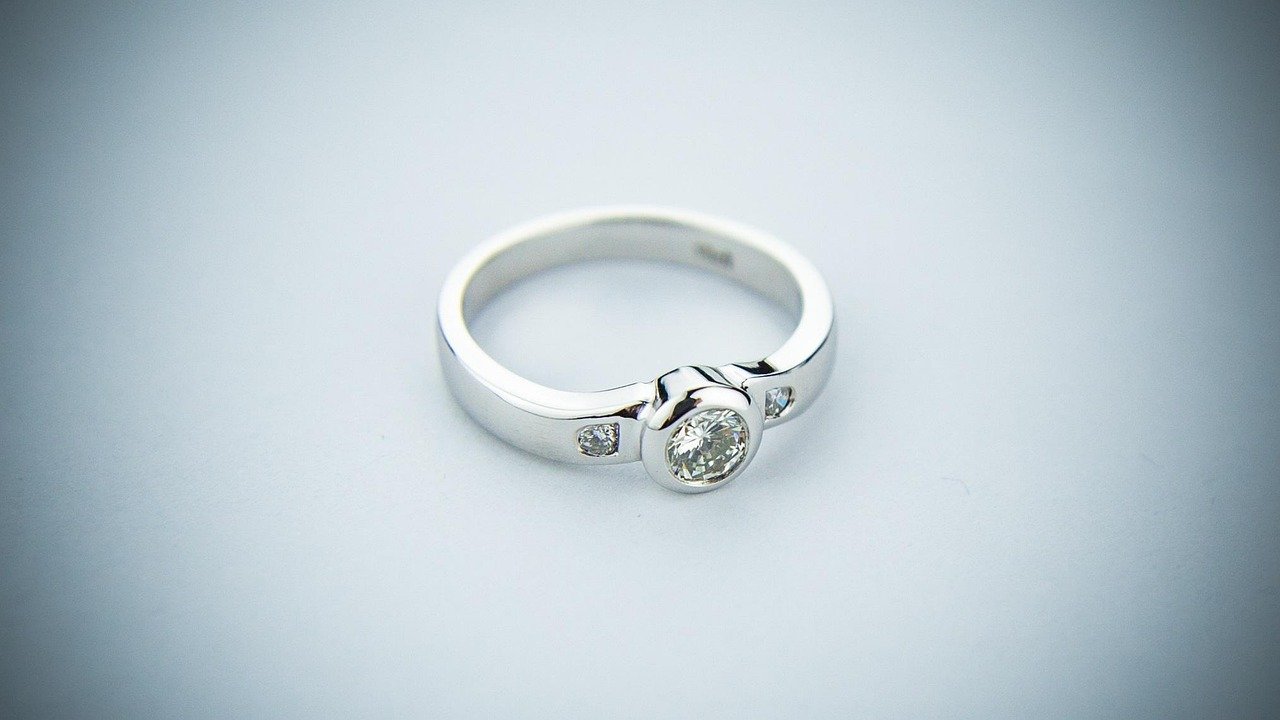
What if the best engagement ring isn’t the one with the biggest diamond, but the one you’d choose again five years later? That question flips the usual shopping script. Most ring guides push you toward sparkle and carat weight. A smarter approach starts with how the ring will be worn, what it should survive, and what your money actually buys at each price point. This guide walks through the framework that separates a smart purchase from an expensive mistake, from grading basics to metal choice, budget math, and the traps that catch first-time buyers.
Start With Wear, Not Wow
A ring gets worn every day, often for decades. That reality should drive every decision that follows. Before browsing, ask three practical questions: Does the wearer work with their hands? Do they wear rings to sleep, to the gym, to the pool? Do they prefer low-profile settings or something with height?
High-set solitaires look dramatic in photos but snag on sweaters, catch on car doors, and knock against desks. A low-profile bezel or a gently set halo protects the stone and sits flush against the finger. For nurses, cooks, mechanics, and gym regulars, that protection matters more than an extra half carat.
Style longevity is the second filter. Trend-driven shapes come and go; a simple band with a well-cut center stone rarely feels dated. Buyers who plan to wear one ring forever should weight classic proportions over whatever is trending this season.
The Four Cs, Decoded for Real Buyers
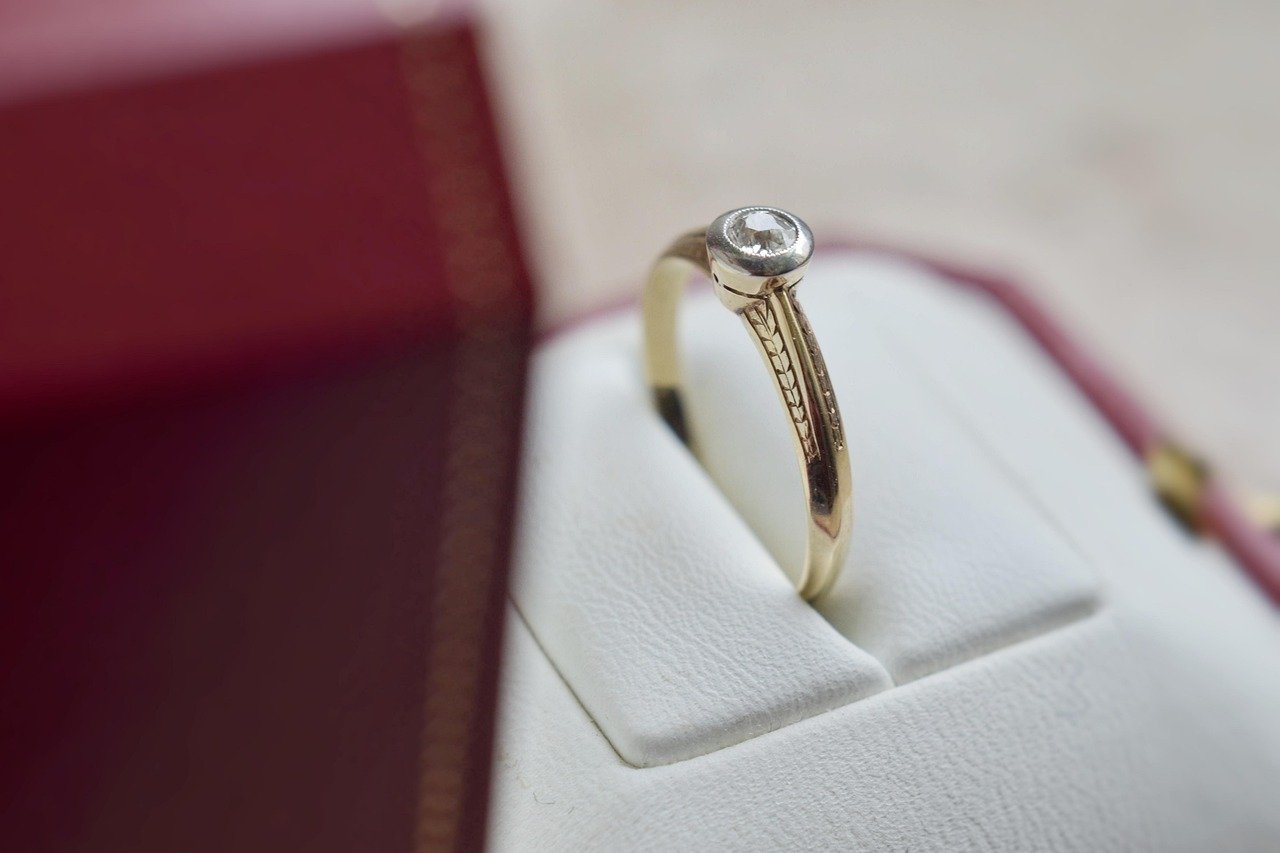
The 4Cs framework (cut, color, clarity, carat) was introduced in 1953 and remains the most cited way to compare diamonds. It is useful, but most buyers misread it. Cut is not the same as shape. Cut grades describe how well a diamond returns light, and it is the single biggest driver of sparkle. A well-cut smaller stone outshines a poorly cut larger one almost every time.
Color and clarity have practical floors. On the color scale, stones in the near-colorless range look white to most eyes in a white-metal setting; going higher often buys a difference you cannot see without a comparison stone and a grading light. On clarity, inclusions invisible to the naked eye (often called eye-clean) are the sensible target. Paying for flawless clarity is paying for something only a loupe reveals.
Carat is where budget discipline lives. Because price jumps at round-number weights, a stone just under a full or half carat often costs meaningfully less than one at the mark, with no visible size difference once set. That single trick can free up hundreds of dollars for a better cut or setting.
If the ring is a major luxury purchase, it pays to understand where the money goes before you commit; this breakdown of how to buy a luxury engagement ring without overpaying covers the pricing layers most shoppers never see.
| Priority | What to Optimize | Where to Compromise |
|---|---|---|
| Maximum sparkle | Cut grade | Slightly lower color or clarity |
| Maximum size on a budget | Carat just under a price jump | Cut grade, minor |
| Maximum durability | Low-profile setting, harder metal | Decorative detail |
| Maximum resale flexibility | Classic shape, certified stone | Trendy settings |
Natural vs. Lab-Grown: The Honest Comparison
Lab-grown diamonds are chemically and optically identical to natural diamonds. The difference is origin, and U.S. rules require clear disclosure of lab-grown origin in jewelry marketing. That legal clarity is good for buyers, because it means the label should be explicit.
The real trade-off is price versus resale. Lab-grown stones have fallen sharply in price relative to natural ones in recent years, and the exact ratio shifts constantly, so any specific percentage should be treated as time-sensitive. What does not change: lab-grown diamonds have very little resale value, while natural diamonds resell well below retail but retain more of their cost. If resale matters, natural wins. If size and sparkle per dollar matter most, lab-grown delivers far more stone for the money.
Neither choice is wrong. The mistake is buying lab-grown expecting an investment, or buying natural expecting to recoup most of the cost. Both expectations are wrong.
Metals: What Lasts and What Irritates
Metal choice affects durability, maintenance, color, and skin comfort. The common options behave very differently.
| Metal | Durability | Maintenance | Best For |
|---|---|---|---|
| Platinum | Excellent, dense | Patinas over time, rarely needs re-plating | Daily wear, heirloom intent |
| 18k white gold | Very good | Rhodium plating every 1-2 years | Bright white look, budget flexibility |
| 14k white gold | Good | Rhodium plating, slightly less often | Value-focused buyers |
| Yellow gold | Very good | Occasional polish | Classic, warm tones, easy care |
| Rose gold | Very good | Occasional polish | Vintage styles, warm skin tones |
Two practical notes. First, nickel is a common cause of contact dermatitis from jewelry, and regulations in some regions limit nickel release from items worn against the skin. Anyone with sensitive skin should ask directly about alloy composition and consider platinum or nickel-free gold alloys. Second, white gold is not naturally white; it is plated, and that plating wears off. Budget for re-plating as a routine cost, not a defect.
Precious-metal labeling has legal standards in the U.S., including minimum fineness for gold, so a reputable seller should state the karat clearly on the stamp and the receipt.
Settings and Shapes That Hold Up
The setting determines how protected the stone is and how the ring feels. Prong settings show the most stone but expose edges to knocks. Bezel settings wrap the stone in metal, offering the best protection with a modern look. Halo settings add apparent size but create more edges to catch. Cathedral and trellis settings lift the stone with structural support and are a good middle ground.
Shape is personal, but a few practical points help. Elongated shapes like oval and emerald cuts make a finger look longer. Round brilliant cuts hide inclusions best and are the most forgiving choice. Step cuts like emerald and asscher reveal flaws clearly, so they demand higher clarity. If the wearer has short fingers or knuckle size changes, a slightly wider band and a lower setting read better.
Sizing deserves attention early. U.S. ring sizes differ by roughly 0.4 mm of inner diameter per full size, and fingers change size with season, temperature, and time. Get sized in the afternoon, when fingers are at their normal size, and size for the dominant hand if that is where the ring will live. Resizing a plain band is easy; resizing a ring with pavé stones around the band is risky and sometimes impossible.
Budget Math That Actually Works
A useful budget rule: decide the total first, then split it roughly 60 to 70 percent stone, 20 to 30 percent setting and metal, and the rest for tax, sizing, and insurance. That split keeps the stone from eating the entire budget while leaving nothing for a quality setting.
Insurance is not optional for anything valuable. A rider on a homeowner’s or renter’s policy, or a standalone jewelry policy, typically costs a small percentage of the ring’s value per year and covers loss and theft, which standard policies often limit. Get the appraisal before the proposal, not after.
Resale expectations should be set honestly. Engagement rings typically resell well below retail, and secondary-market diamond prices are a fraction of new retail. That is not a reason to skip the purchase; it is a reason to buy a ring you intend to keep. If the buyer wants flexibility, a classic certified stone in a simple setting resells far more easily than an elaborate custom piece.
Where the Money Hides: Common Mistakes
First-time buyers make predictable errors, and most cost real money.
- Buying the certificate instead of the stone. A grading report describes a diamond; it does not guarantee it looks good. Compare stones side by side in the same lighting.
- Skipping independent verification. Ask whether the stone is certified by a major lab and confirm the report number matches the stone.
- Overpaying for invisible differences. Higher color and clarity grades often produce no visible benefit once set.
- Ignoring the setting cost. Custom settings and hand-engraving can rival the stone’s price.
- Forgetting maintenance. Re-plating, prong tightening, and cleaning are ongoing costs.
- Shopping only at retail markup. Comparing online and custom options against store prices routinely saves money on comparable stones.
The line between fine jewelry and expensive jewelry is often craftsmanship, not price; this look at what separates luxury rings from merely expensive ones explains the difference in construction and finishing.
Ethical Sourcing and Paperwork
The Kimberley Process Certification Scheme, in force since 2003, aims to curb trade in conflict diamonds. It covers rough diamonds only, not cutting and polishing labor conditions, so buyers who care about the full chain should ask sellers about broader sourcing policies. Lab-grown stones sidestep mining concerns entirely, though their production has its own footprint.
Paperwork matters as much as provenance claims. Keep the grading report, the receipt with metal and stone specifications, and the appraisal. These documents support insurance claims and resale, and they are the difference between a ring with a verifiable identity and one with a story.
Custom vs. Retail: Which Fits Your Situation
Retail stores offer the chance to try rings on, immediate delivery, and in-house servicing. Custom and online routes offer more control over design and often better value per carat, at the cost of lead time and the need to manage sizing and returns carefully. Custom and online purchases have grown as a share of the market, though exact figures vary by report and year.
A practical hybrid works well: try on shapes and settings in person to learn what suits the hand, then source the stone and setting through whichever channel offers the best verified value. When comparing, insist on the same specifications (cut grade, color, clarity, carat, certification) so the prices are truly comparable.
For couples planning the full set of rings, the decisions compound; guidance on why luxury wedding rings matter before you buy helps align the engagement ring with the band so they sit together comfortably.
A Buying Checklist Before You Pay
Run through this list before any deposit changes hands.
- Confirm the stone’s certification and match the report number.
- View the stone in daylight and in indoor lighting.
- Verify the metal stamp and karat on the band.
- Get the ring sized properly, in person if possible.
- Ask about the return policy and resizing terms in writing.
- Arrange insurance and appraisal before wearing it daily.
- Confirm the setting protects the stone for the wearer’s lifestyle.
Conclusion
The best engagement ring is not the most expensive one in the case. It is the one built around how it will be worn: a well-cut stone, a protective setting, a metal that suits the skin and the daily routine, and a price that leaves room for insurance and upkeep. Buyers who understand grading, compare like with like, and resist paying for invisible upgrades consistently end up with rings they would choose again. Sparkle fades from memory; a smart purchase keeps looking good on the hand for decades.
Frequently Asked Questions
What is the most important of the 4Cs when choosing an engagement ring?
Cut. It controls how much light the stone returns and therefore how sparkly it looks. A well-cut stone with slightly lower color or clarity almost always looks better than a poorly cut stone with higher grades. Buyers on a budget should protect the cut grade first and compromise elsewhere.
Is a lab-grown diamond a real diamond?
Yes. Lab-grown diamonds are chemically and optically identical to natural diamonds; only their origin differs. U.S. rules require clear disclosure of lab-grown origin, so the label should be explicit. The main practical difference is price and resale value, since lab-grown stones have very little resale value compared with natural ones.
How much should I spend on an engagement ring?
There is no rule that fits everyone. A workable approach is to set a total you can afford without borrowing, then split it roughly 60 to 70 percent for the stone, 20 to 30 percent for the setting and metal, and the remainder for tax, sizing, and insurance. Spending less on an invisible grade difference frees money for a better cut or setting.
Which metal is best for everyday wear?
Platinum is the most durable and needs no plating, though it develops a patina over time. White gold looks bright but requires rhodium re-plating every year or two. Yellow and rose gold are durable and low-maintenance. Anyone with nickel sensitivity should ask about alloy composition and consider platinum or nickel-free gold.
Do engagement rings hold their value?
Rarely at retail. Engagement rings typically resell well below their purchase price, and secondary-market diamond prices are a fraction of new retail. Classic shapes in simple settings with certification resell more easily than elaborate custom pieces. Buy a ring you intend to keep rather than one you expect to profit from.
How do I make sure the diamond is ethically sourced?
Ask about sourcing policies directly. The Kimberley Process Certification Scheme, in force since 2003, aims to curb trade in conflict diamonds but covers rough diamonds only, not cutting and polishing conditions. Buyers who want full-chain assurance should request details beyond the certificate, or consider lab-grown stones.