
Luxury Wedding Rings: What Matters Before You Buy
 Abdul WadoodLast updated
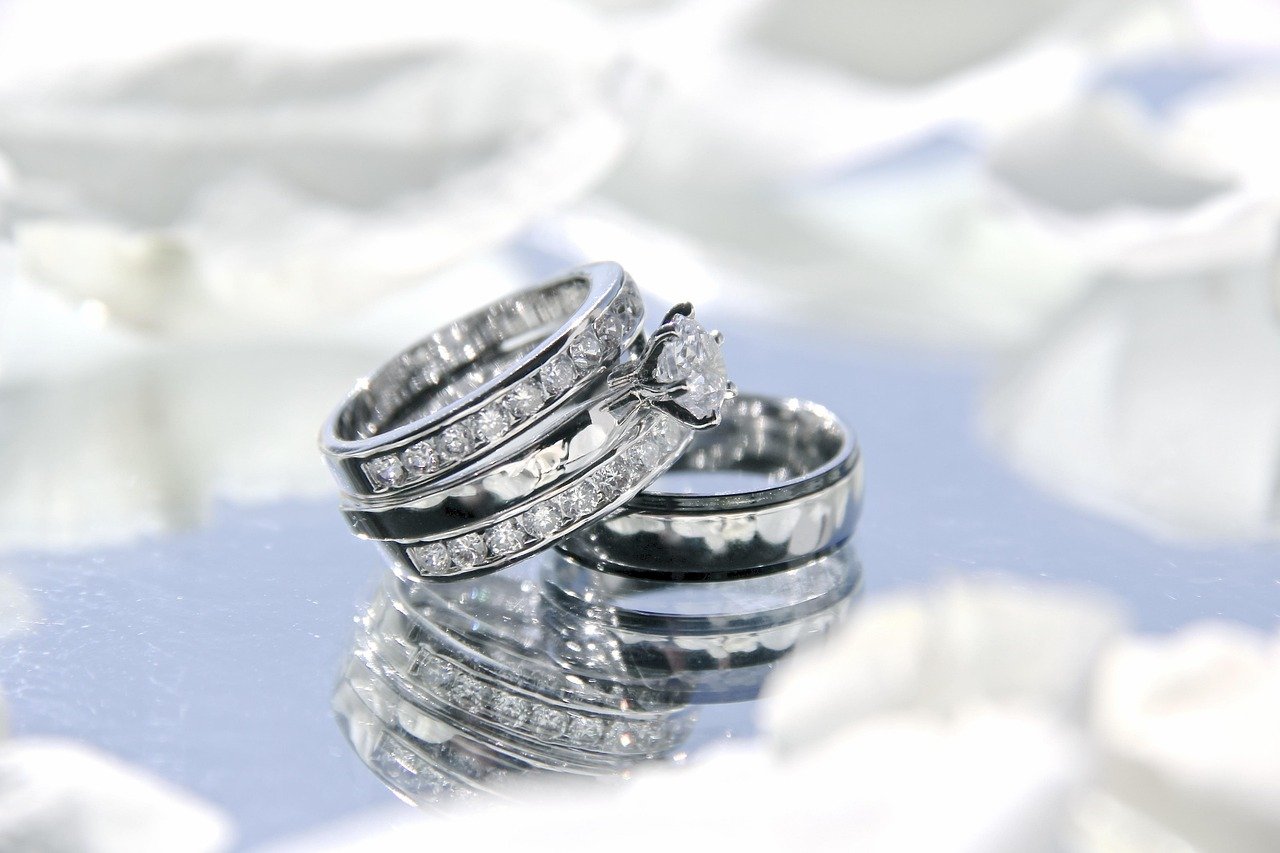
What makes a wedding ring worth four figures: the stone, the metal, or the name stamped inside the band? Ask ten couples and you will get ten answers, most of them shaped by a jeweler’s sales pitch rather than hard information. This guide cuts through that. It explains how diamond grading works, why two rings that look identical can differ by thousands of dollars, which legal marks protect you, and where the practical traps sit when you buy something you plan to wear every day for fifty years.
The Stone: Reading a Diamond Without a Loupe
Most luxury rings are sold on the strength of a diamond, and most buyers have no framework for judging one. The 4Cs — color, clarity, cut, and carat weight — is the language the trade uses, and it remains the most widely applied grading framework since it was introduced in the 1950s. Cut matters more than most buyers expect: a flawless stone with a poor cut can look duller than a slightly included stone cut well, because cut governs how light returns to the eye.
Here is the practical translation for a wedding ring budget:
| Factor | What It Measures | Where Couples Overspend |
|---|---|---|
| Cut | Light performance and sparkle | Rarely overspent; often underfunded |
| Color | Absence of yellow tint | Paying for high grades hidden in white metal settings |
| Clarity | Internal flaws (inclusions) | Buying grades invisible to the naked eye |
| Carat | Weight, not size or beauty | Chasing round numbers like 1.00 or 2.00 |
A useful rule: once clarity reaches the “eye-clean” point, further spending buys a certificate, not a visible improvement. The same holds for color when a stone sits in a yellow-gold setting. Money moved from clarity into cut almost always produces a better-looking ring.
Natural, Lab-Grown, or Something Else
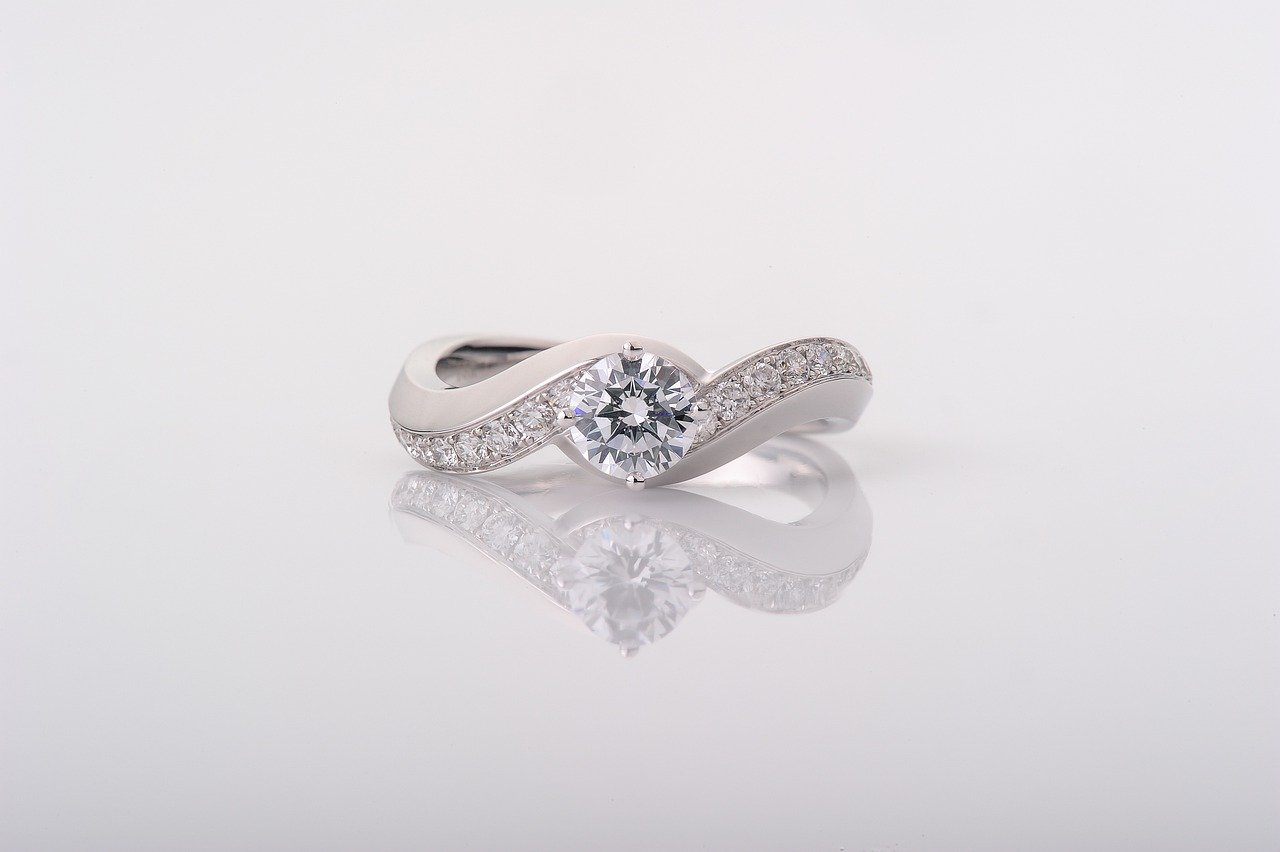
Lab-grown diamonds are chemically and physically identical to mined stones. They are real diamonds; the difference is origin. U.S. rules require sellers to disclose that origin clearly and forbid calling lab-grown stones “real,” “genuine,” or “natural” without qualification. That matters because pricing differs sharply, and a vague label is a red flag rather than a bargain.
Mined stones carry a different question: provenance. The Kimberley Process Certification Scheme, in force since 2003, was created to keep conflict diamonds out of the rough-diamond trade. It is worth knowing its limits. The scheme covers rough stones, not polished ones, and it addresses armed conflict rather than the full range of labor and environmental concerns. Couples who care about the wider picture should ask for supply-chain certification beyond the minimum, such as membership in a responsible-sourcing standard, and should ask in writing.
Alternatives deserve a fair hearing too. Sapphires, rubies, and moissanite can carry a wedding ring beautifully, cost less, and sidestep the mined-versus-grown argument entirely. Many jewelers now stock vintage and estate stones, which are already above ground and often cut with more character than modern mass-market brilliants.
Metal Choice: The Decision You Live With Daily
The band is what you actually touch every day, and metal choice drives both cost and comfort.
Gold is measured in karats. In the U.S., gold jewelry must be marked with its fineness — 18K means 75 percent gold, while 24K is 99.9 percent pure and generally too soft for daily wear. Platinum alloys are typically 950 (95 percent) or 900 (90 percent), and U.S. marking rules require the platinum content to be stated. Platinum is denser, heavier, and naturally white, so it does not need rhodium plating the way white gold does.
| Metal | Daily Reality | Best For |
|---|---|---|
| 18K yellow gold | Warm color, scratches show as patina | Traditional look, easy re-polishing |
| 18K white gold | Needs rhodium re-plating every 1–3 years | Cool-toned settings |
| Platinum 950 | Heavier feel, develops a soft sheen | Heirloom pieces worn constantly |
| Palladium | Lighter than platinum, similar look | Buyers who dislike weight |
Two practical warnings. First, white gold is not naturally white — it is plated, and that plating wears. Budget for it. Second, mixing metals between engagement and wedding rings can cause wear: a harder band rubbing against a softer one will slowly erode the softer ring. Ask a jeweler to check the hardness pairing before committing.
Marks, Hallmarks, and the Paperwork That Protects You
Luxury pricing invites shortcuts, so learn the stamps. In the UK, hallmarking is a legal requirement for precious-metal items above set weight thresholds, administered by assay offices under the Hallmarking Act 1973. A genuine UK piece carries a maker’s mark, an assay office mark, and a fineness mark. In the U.S., the Federal Trade Commission’s jewelry guides govern how items may be described and marked, covering everything from karat stamps to what counts as “platinum.”
What should you walk away with?
- A grading report for any diamond above roughly half a carat, from a recognized laboratory.
- A receipt that states metal type, purity, stone weight, and stone origin in writing.
- The jeweler’s own written policy on sizing, resizing, and stone replacement.
- For online or cross-border purchases, confirmation of which country’s marking rules the piece follows.
That last point is not pedantry. Ring sizing is not standardized globally — U.S., UK, and European systems use different scales and half sizes land differently. A ring bought abroad and sized locally may never feel right, and some designs cannot be resized at all without compromising the setting.
Where Luxury Money Actually Goes
Two rings can look the same and differ by a factor of five. The gap usually sits in four places: stone quality, metal weight and purity, brand margin, and labor. Hand-finished settings, invisible settings, and engraving cost real hours. Brand margin costs nothing to produce but is priced in.
Gold prices are set by global markets and have climbed sharply since 2020, which means metal weight is now a bigger line item than many buyers assume. Heavier bands cost more in a way that is easy to verify, unlike a name premium.
The practical approach is to decide which of the four you are paying for. If you want a designer name, buy it knowingly. If you want maximum material quality per dollar, spend on cut, metal purity, and setting craftsmanship, and buy from a maker whose margin is smaller. Neither choice is wrong; drifting into one while believing you bought the other is where regret lives.
Mistakes That Show Up Years Later
A few errors recur so often they are worth naming.
Buying the wrong size. Fingers change with temperature, season, and age. Get sized at the end of the day, when fingers are largest, and ask how many sizes the design can be adjusted.
Ignoring the setting. A high-profile setting catches on clothing and knocks against surfaces. For a ring worn daily, a lower profile or a bezel protects the stone better than tall prongs.
Skipping insurance. A luxury ring is a portable, high-value item. Photograph it, keep the certificate, and insure it separately rather than assuming homeowners’ coverage is enough.
Treating “ethical” as a regulated word. It is not uniformly defined. Ask specifically which certification applies and what it covers.
Forgetting comfort. A 3mm band feels different from a 6mm band after eight hours. Wear a demo for a full day if the jeweler allows it.
Couples planning a broader celebration often pair ring shopping with other considered purchases, and the same logic applies across categories: the guide to conscious luxury and buying better rather than more makes a useful companion read for anyone trying to spend deliberately.
Matching Rings to the Life Around Them
Wedding rings rarely live alone. They sit next to an engagement ring, get worn on trips, and often become part of a family story. Thinking about context early saves money later.
If the couple travels, consider how the ring behaves in heat, salt water, and airports. Platinum survives almost anything; softer high-karat gold does not. If the ring will be worn alongside an heirloom, match metal hardness so neither piece wears the other down.
For destination weddings, the ring is one item on a longer list. Couples planning a Lake Como celebration, for instance, will find the logistics of travel, insurance, and packing covered in this Lake Como luxury travel guide covering villas, boats, and where to stay, which is the kind of planning that keeps a ring out of a checked suitcase.
Family celebrations raise another question: do you buy matching bands for a larger group? Multigenerational weddings increasingly involve several couples at once, and the practicalities of coordinating that are set out in this guide to planning a multigenerational luxury trip that works for every age. Ring sizing across generations is its own puzzle, since older fingers and younger fingers rarely match.
What to Ask in the Showroom
Bring a short list. Jewelers respect informed buyers and tend to be more candid with them. (GIA Gem Encyclopedia)
- What is the cut grade, and who graded it?
- Is the stone natural or lab-grown, and where is that stated in writing?
- What is the exact metal purity, and is it stamped?
- Can this design be resized, and by how many sizes?
- What is the return and exchange window?
- Is the piece hallmarked or marked to the standard of the country where I live?
Ask to see the piece under different lighting — daylight, warm indoor light, and a jeweler’s loupe light. Stones that look brilliant under one source can look flat under another. Ask to see the certificate before any deposit. A seller who hesitates on any of these questions is telling you something useful.
Conclusion
A luxury wedding ring is not defined by a price tag or a logo. It is defined by a well-cut stone, a metal whose purity you can verify, a setting built for daily life, and paperwork that backs every claim. The buyers who end up happiest are rarely the ones who spent the most; they are the ones who understood what they were paying for and why. Learn the grading language, insist on written disclosure, get the size right, insure the thing, and buy the ring you will still want to look at in thirty years. That is the whole trick.
Frequently Asked Questions
Are lab-grown diamonds real diamonds?
Yes. They are chemically and physically identical to mined diamonds; only their origin differs. U.S. rules require sellers to disclose that origin and prohibit calling them “real,” “genuine,” or “natural” without qualification, so a clear label is a sign of an honest seller.
Is 18K gold better than 14K for a wedding ring?
Not universally. 18K contains 75 percent gold and has a richer color, but it is softer and scratches more easily. 14K is more durable for daily wear. Choose based on how much patina you tolerate rather than assuming higher karat is always better.
What does a hallmark prove?
A hallmark proves an independent assay office tested the item and confirmed its precious-metal content. In the UK, hallmarking is a legal requirement above set weight thresholds under the Hallmarking Act 1973, and a genuine piece carries maker, assay office, and fineness marks.
Does the Kimberley Process guarantee a conflict-free diamond?
No. It certifies rough diamonds under a scheme running since 2003 and does not cover polished stones, nor does it address every labor and environmental concern. Buyers who want more assurance should ask for additional supply-chain certification in writing.
How much should a luxury wedding ring cost?
There is no correct figure. Cost is driven by stone quality, metal weight and purity, labor, and brand margin. Decide which of those you are paying for. If material quality matters most, put money into cut, metal purity, and setting craftsmanship rather than a name.
Can any ring be resized?
No. Plain bands usually resize easily; rings with stones set around the full circumference, channel settings, or certain engraved patterns often cannot be adjusted without damage. Ask how many sizes a design can move before you buy, and get sized late in the day.