
Luxury Engagement Rings: Buy Smart, Avoid Overpaying
 Abdul WadoodLast updated
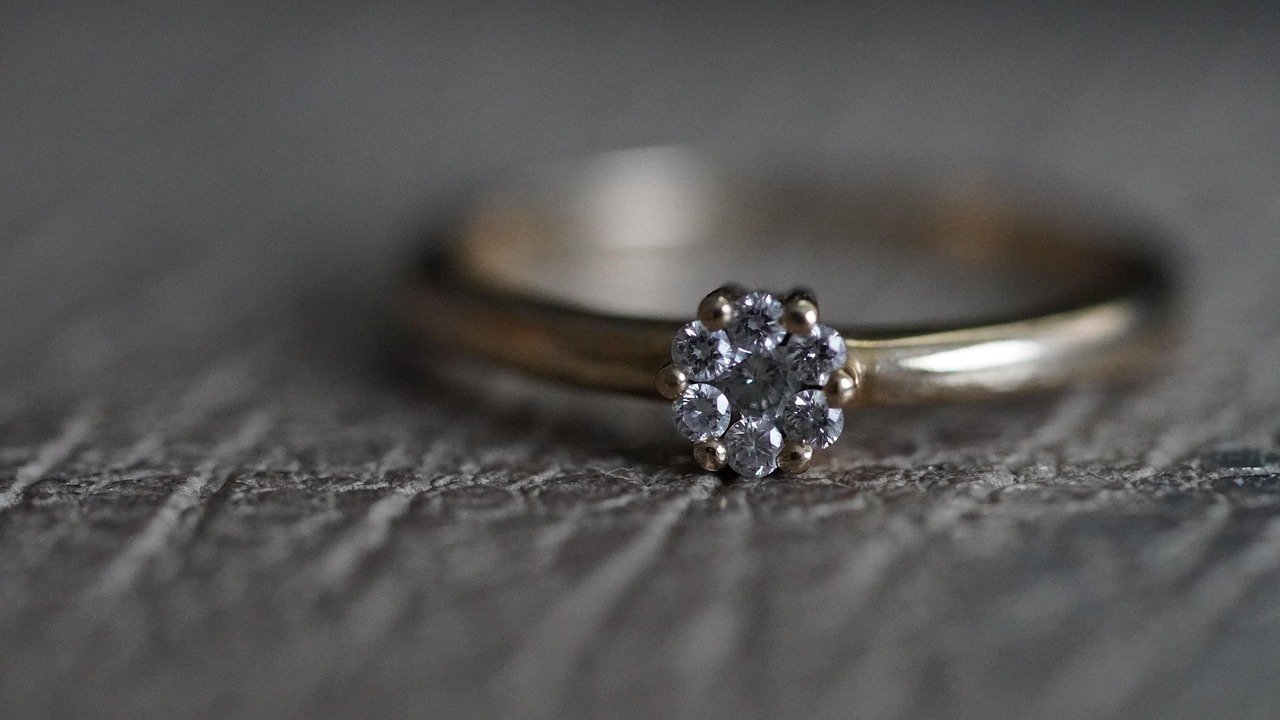
What if the most expensive thing about a luxury engagement ring isn’t the diamond at all? It’s the story attached to it. The “three months’ salary” rule, the “diamond is forever” line, the sense that a ring must be big and branded to count. Most of that story was invented by advertisers, not by geology or tradition. Knowing where the story came from, and where the real value hides, is the difference between a ring that holds meaning and a ring that just holds a receipt. (Lake como luxury travel guide villas boats where stay)
What “Luxury” Actually Means in an Engagement Ring
Luxury in jewellery is a slippery word. It can mean a famous name stamped inside the band, a rare stone, hand-forged metalwork, or simply a price tag with an extra zero. These are not the same thing, and they don’t move together.
A useful way to think about it: luxury lives in three places. The materials (the stone, the metal, the setting quality), the craft (how the piece is made, finished, and set), and the provenance (who made it, under what conditions, and whether you can trace it). A ring can be luxurious on all three counts and still be a poor financial decision. A ring can be modest on all three and be a wonderful one.
The trick is deciding which of those three you actually care about before you walk into a showroom. Couples who skip that step tend to buy whatever the salesperson frames as the default, which is usually the most profitable option for the store, not the best option for the buyer.
The Marketing You’re Really Paying For
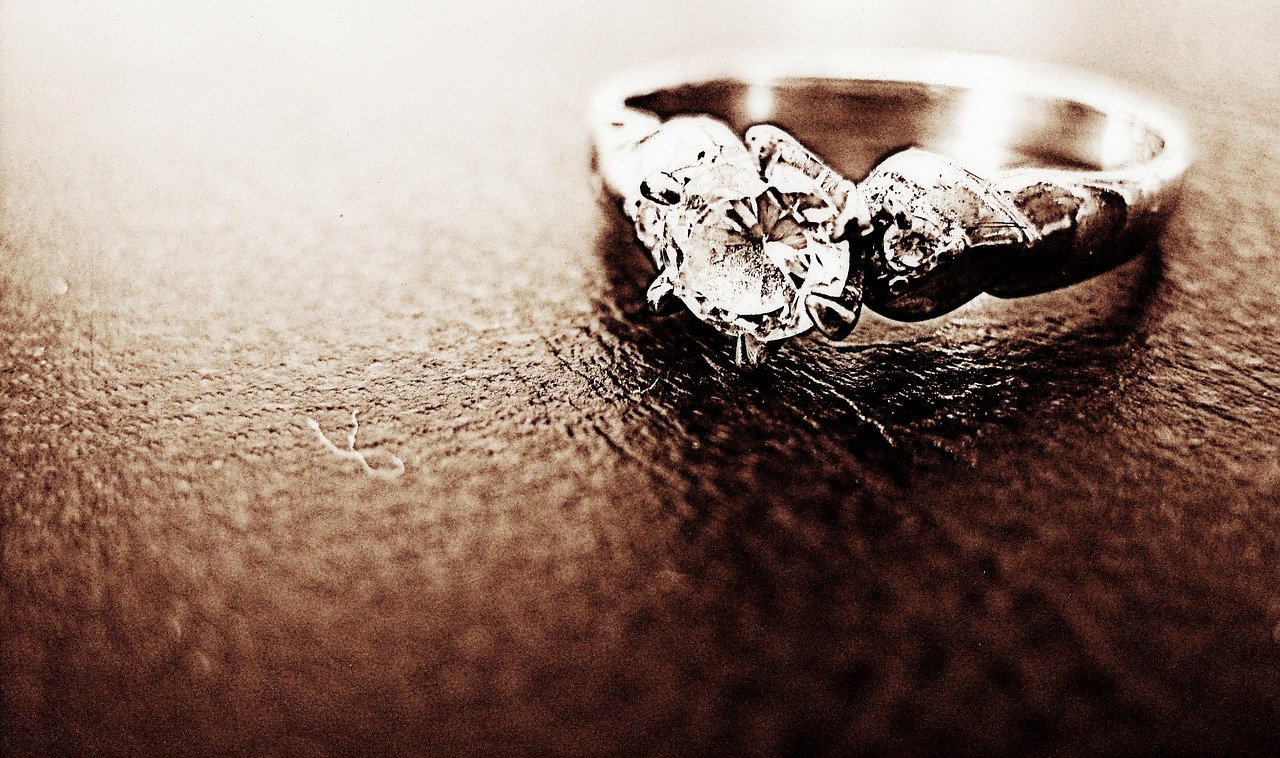
Here’s a fact that surprises almost everyone: the diamond engagement ring as a near-universal custom is a 20th-century creation. The slogan that cemented it, “A Diamond Is Forever,” was written by a copywriter named Frances Gerety in the 1940s as part of a De Beers campaign. The BBC has a good plain-language history of how the diamond engagement ring became an expectation rather than a tradition. (GIA Diamond Overview and 4Cs)
The famous “two months’ salary” guideline came from the same marketing machinery. It was never a rule of thumb with any economic basis. It was a sales target dressed up as etiquette. Over the decades it crept up to three months in some markets. Treat any version of it as advertising folklore, not advice.
None of this means diamonds are bad. It means the pressure around them is manufactured, and you’re allowed to ignore it. Plenty of people love diamonds and buy them happily. The point is to buy one because you want it, not because a mid-century ad campaign told you that you’d better.
The Four Cs, Translated Into Plain English
The modern grading system for diamonds, the 4Cs (cut, colour, clarity, carat), was formalised by the Gemological Institute of America in the 1950s. It’s genuinely useful, but it’s also where buyers get lost in numbers and stop thinking about what they can actually see.
| C | What it measures | Where buyers overspend | Where to compromise |
|---|---|---|---|
| Cut | How well the stone returns light | Chasing “excellent” on a stone that already sparkles | Nothing, really. Cut is the one to protect |
| Colour | How white or yellow the stone looks | Paying for near-colourless grades in a yellow-gold setting | One or two grades down, especially in warm metals |
| Clarity | Internal flaws (inclusions) | Paying for flawless stones whose flaws are invisible anyway | Anything VS2 and up is usually eye-clean |
| Carat | Weight, not size | Assuming bigger always looks bigger | Slightly under a round number; a 0.9ct often looks like a 1ct |
The single most common mistake is spending the budget on carat and clarity while neglecting cut. A poorly cut stone can be huge and flawless and still look dull. A beautifully cut stone a grade or two down in colour and clarity will out-sparkle it every time, and cost less.
The second mistake is buying a grade on paper instead of looking at the stone. Two diamonds with identical certificates can look different to the eye. If you can see the stone in person, or at least in high-resolution video under different lighting, do it.
Mined, Lab-Grown, or Something Else
This is the decision that has changed most in recent years. Lab-grown diamonds are chemically and optically identical to mined ones and are graded on the same 4Cs. They have moved from novelty to mainstream, and the price gap between them and mined stones has narrowed considerably, though it still varies month to month.
In the United States, how a diamond may be described in advertising is governed by the Federal Trade Commission’s jewellery guides, and the agency updated them in 2018 specifically to address lab-grown stones. The practical upshot for buyers: origin must be disclosed. If a seller is vague about whether a stone is lab-grown, that’s a warning sign, not a quirk.
Then there’s the ethical layer. The Kimberley Process Certification Scheme, launched in 2003, was designed to curb the trade in conflict diamonds. It covers rough diamonds and has real limits: critics point out that it doesn’t address polished stones, lab-grown material, or violence carried out by states rather than rebel groups. So “Kimberley compliant” is a floor, not a guarantee. If provenance matters to you, ask for more than a certificate.
Vintage is the third option, and the most underrated. An estate or antique ring often delivers more stone and more character per pound than anything new. It also sidesteps the new-production question entirely. The catch is that sizing, repair, and authentication take more work, and you should budget for a resetting if the original setting is fragile.
Metals: Where the Money Quietly Goes
The band is where budgets leak. Platinum costs more than white gold, wears differently, and is heavier. Yellow and rose gold are alloys, and their colour depends on what they’re mixed with. Palladium and titanium are lighter and cheaper but harder to resize.
Purity is legally defined by karat, with 24k being pure gold. In the US, an item must be at least 10k to be sold as gold at all. In the UK, precious-metal items above certain weight thresholds must be hallmarked by an assay office under the Hallmarking Act 1973, which is a genuine consumer protection worth knowing about if you’re buying across borders. If you’re weighing a bigger purchase more broadly, the same logic of buying better rather than more applies to a conscious luxury approach to buying better, not more.
Practical tip: choose the metal for how you’ll live with it, not for how it photographs. Platinum scratches and develops a patina; some people love that, some hate it. White gold needs re-plating every year or two to stay bright. Yellow gold hides wear best. None of these is “better.” They’re just different maintenance contracts.
The Setting and the Stone’s Hidden Weaknesses
A setting is a piece of engineering, and it fails in predictable ways. Prong settings show the most stone but snag on knitwear and can loosen. Bezel settings (a metal rim around the stone) are the most secure and the least likely to catch, which makes them ideal for people who work with their hands. Pavé settings look delicate and lose tiny stones over years of wear.
Ask three questions before you commit:
- How many prongs, and are they thick enough to survive a knock?
- Can the ring be resized later without damaging the setting?
- What’s the maintenance schedule, and who does the work?
A ring that needs a specialist to tighten a prong is a ring that sits in a drawer. Buy for the life you have.
Where Luxury Buyers Actually Get Value
If you want the experience and assurance of a luxury purchase without paying purely for a logo, a few approaches consistently work better than walking into the biggest name on the high street.
Go to a small atelier or independent jeweller with a bench on site. You can often see the work in progress, ask about the stone’s origin directly, and commission a setting to your taste. The markup is usually lower because you’re not funding a global ad campaign.
Buy the stone and the setting separately. Many jewellers will sell a loose stone and set it in a stock or custom mounting. This gives you control over where the money goes and often saves a meaningful amount.
Consider a coloured stone. Sapphires, rubies, and spinels are harder, rarer in fine grades, and frequently cheaper per carat than equivalent diamonds. They also photograph beautifully, which matters more than anyone admits.
Buy pre-owned or estate. The resale market for diamonds is soft, which is bad news if you’re selling and excellent news if you’re buying. A well-chosen estate piece can be extraordinary value.
For couples planning a bigger celebration around the purchase, the same discipline that makes a multigenerational luxury trip work for every age applies here: decide the priorities together, in advance, before anyone is standing in a showroom under pressure. (Quietest luxury cars actually makes cabin silent)
What Actually Goes Wrong
Most bad engagement ring purchases fail in the same handful of ways. Here’s the short list, so you can dodge it.
- Blowing the budget on the stone and having nothing left for the setting, insurance, or resizing. Set aside 10 to 15 percent of your total for those extras. They are not optional.
- Skipping insurance. A ring is a small, valuable, easily lost object. Insure it from day one, and get it appraised independently.
- Assuming resale value. Diamond prices are not a transparent commodity market, and there is no single exchange price. Resale is typically far below retail. Buy a ring to wear, not to invest.
- Trusting a certificate without checking who issued it. Independent grading reports from established labs carry weight. A “certificate” printed by the seller does not.
- Not asking about the return policy. Reputable jewellers offer a window. Get it in writing.
- Buying in a hurry. Custom work takes weeks. Rushed buyers accept whatever’s in the case.
The quiet luxury versus old money aesthetic debate is worth a glance too, because it explains why some buyers now deliberately choose understated rings over flashy ones. Neither is wrong. But knowing which impulse is driving you keeps you from buying a ring for an audience instead of for the person wearing it.
Conclusion
A luxury engagement ring is not defined by a slogan, a salary multiple, or a name inside the band. It’s defined by a stone you love looking at, a setting that survives your actual life, metal you’re happy to maintain, and a provenance you can stand behind. Get those four right and the price becomes a detail rather than the whole story. Get them wrong and no budget will fix it.
The most useful thing you can do is slow down. Learn the 4Cs well enough to have an opinion. Decide what you’d compromise on before anyone tries to sell you something. Ask where the stone came from and who made the ring. Then buy the one you keep thinking about.
Frequently Asked Questions
How much should a luxury engagement ring cost?
There’s no correct number. The “two or three months’ salary” guideline originated as a De Beers marketing target, not financial advice, and it has no economic basis. A sensible approach is to set an amount you can spend without borrowing or draining an emergency fund, then allocate roughly 10 to 15 percent of it to insurance, resizing, and any setting work.
Is a lab-grown diamond a real diamond?
Yes. Lab-grown diamonds are chemically and optically identical to mined diamonds and are graded on the same 4Cs. The difference is origin, not substance. In the US, the Federal Trade Commission’s jewellery guides require origin to be disclosed in advertising, so a seller who won’t say clearly whether a stone is lab-grown is a seller to avoid.
Are luxury engagement rings a good investment?
Almost never. Diamond pricing isn’t a transparent commodity market, there’s no single exchange price, and resale values are typically far below retail. Treat a ring as a piece of jewellery you’ll wear daily, not as an asset. If investment is your goal, a ring is the wrong vehicle.
What’s the most important of the 4Cs?
Cut. It governs how much light the stone returns and therefore how sparkly it looks, and it can’t be fixed later. Colour and clarity can often be dropped a grade or two without any visible difference, especially in warm-toned gold settings. Carat is weight, not visual size, so a well-cut 0.9ct stone can look larger than a poorly cut 1ct.
Does the Kimberley Process guarantee a conflict-free diamond?
No. The Kimberley Process Certification Scheme, which began in 2003, covers rough diamonds and was built to curb trade in conflict diamonds. It doesn’t address polished stones, lab-grown material, or state-perpetrated violence. Treat certification as a minimum standard and ask sellers for more detail on provenance if it matters to you.
Should I buy a vintage or estate engagement ring?
Often, yes. Estate rings frequently offer more stone and more character for the money, and they avoid the new-production question entirely. Budget for authentication, possible resizing, and a resetting if the original mount is fragile. Buy from a dealer who’ll put the return policy and any grading report in writing.