
Fashion Trends to Invest in for 2027: Smart Money Moves
 Abdul WadoodLast updated
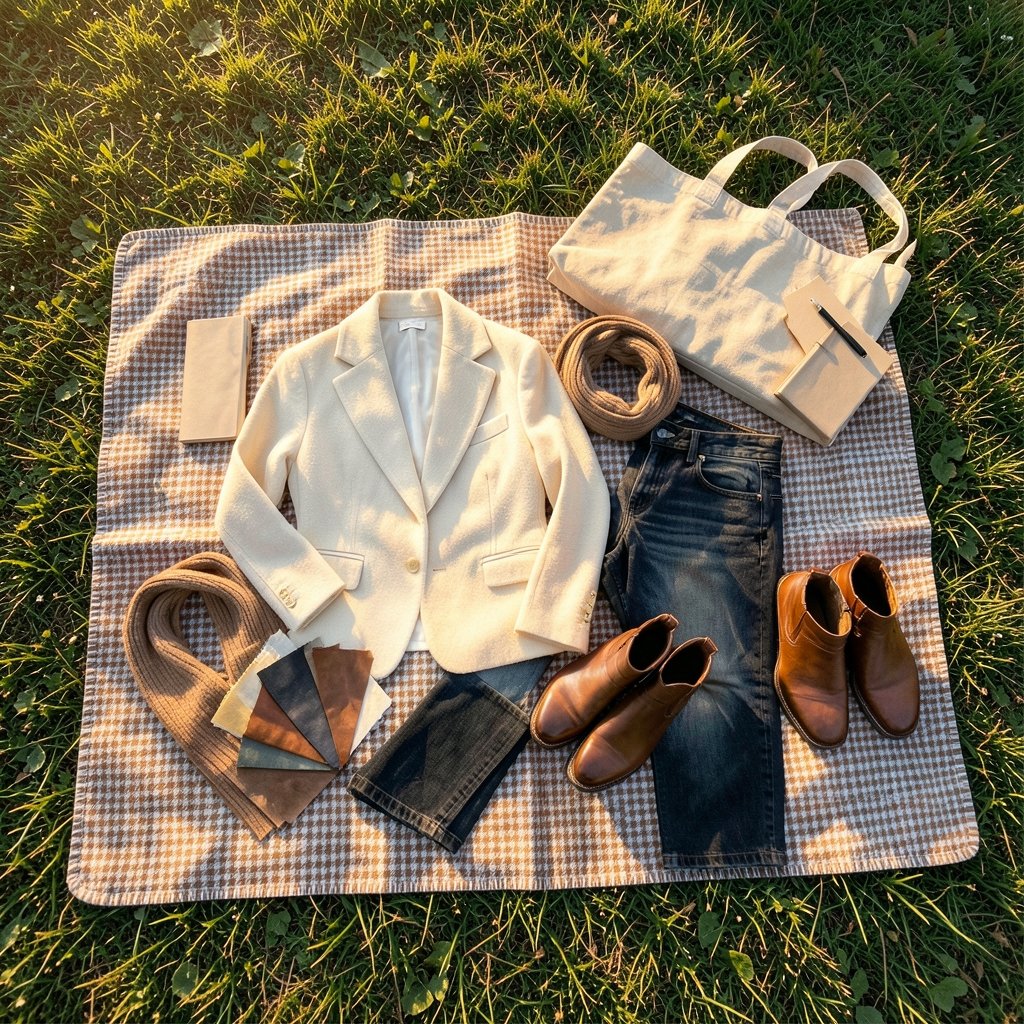
The global apparel market is projected to be worth trillions of dollars by the late 2020s, but here’s the number that should stop you mid-scroll: a significant share of fashion’s environmental footprint comes from materials and production choices that brands are now under pressure to change. That pressure is not a footnote. It is the investment thesis. By 2027, the fashion trends worth backing will not be the loudest ones on the runway. They will be the ones where consumer demand, regulation, and supply-chain reality all point in the same direction.
This is a practical, balanced look at where money, attention, and creative energy are flowing as the industry heads toward 2027. No hype cycles dressed up as forecasts. Just the categories, materials, and business models that show real staying power, plus the mistakes that trip up people trying to ride these waves.
Why 2027 Is a Pivot Year Rather Than Another Season
Fashion forecasting usually works in six-month cycles. But the forces shaping 2027 operate on longer timelines: climate regulation, textile innovation, shifting demographics, and the slow rebalancing of global supply chains. When those timelines converge, you get a pivot year, a moment when the rules of the game visibly change.
Three things make 2027 stand out.
First, regulatory deadlines. Several major markets have introduced or proposed rules requiring greater transparency on garment durability, recycled content, and supply-chain labor conditions. Brands that built their margins on opaque, fast-turnover production are being forced to rethink, and the companies supplying them are being forced to innovate.
Second, material science maturity. Recycled fibers, bio-based alternatives, and next-generation cellulosics have moved from lab demos to commercial scale. The question in 2027 is no longer “can this be made?” but “can it be made affordably at volume?” That distinction matters enormously for anyone thinking about where value accrues.
Third, consumer behavior settling. After years of whiplash between maximalism and minimalism, buyers have developed a more durable preference for pieces that last. The return of minimalism in modern fashion is not a passing mood. It reflects a genuine shift in how people calculate value per wear.
The Material Bet: Recycled and Next-Gen Fibers

If you want one trend to watch closely, make it materials. Everything else in fashion, from price to durability to carbon footprint, flows from what a garment is made of.
Recycled polyester and recycled cotton have moved into mainstream collections, but the real story is the scaling race. Demand for recycled inputs now outstrips supply in several categories, which creates margin opportunity for producers who can secure feedstock and processing capacity. Investors and buyers alike should watch three sub-trends:
- Textile-to-textile recycling, where old garments become new fibers rather than being downcycled into insulation or rags.
- Bio-based leathers and coatings, which are moving beyond novelty accessories into footwear and outerwear.
- Traceable natural fibers, where documented origin becomes a selling point rather than a compliance cost.
The practical lesson here is that material innovation is where fashion becomes an industrial story. According to Wikipedia’s overview of sustainable fashion, the sector’s shift toward circularity touches design, production, and disposal simultaneously, which is exactly why it rewards patient capital over quick flips.
Circular Business Models Move From Niche to Normal
Resale, rental, repair, and recommerce were once treated as side projects for sustainability-minded brands. By 2027, they are core revenue lines for a growing number of retailers.
The logic is simple. A resale platform extends a brand’s relationship with a customer beyond the first purchase. A repair service protects margin on higher-priced goods. A rental model captures demand from consumers who want variety without ownership. Each model turns a one-time transaction into an ongoing one, and ongoing relationships are what investors actually pay for.
What works in practice, though, is narrower than the hype suggests. Resale succeeds when the underlying product holds value, which means durable construction and timeless design matter more than trend-chasing. Rental works best in categories with high occasion-driven demand. Repair scales when brands control their own spare parts and construction standards. The common thread: circular models reward quality. That is why they pair so naturally with the minimalism revival covered in Voozon’s analysis of minimalism’s return.
Quiet Luxury Grows Up
The “quiet luxury” conversation has been loud for a few seasons, but its 2027 iteration looks different. Early quiet luxury was about logos removed and price tags raised. The next phase is about demonstrable quality: fabric weight, stitching, fit, and longevity.
This matters for investment because it changes what brands compete on. When customers can’t rely on a logo to signal value, they start asking harder questions about construction and materials. Brands that can answer those questions win repeat business. Brands that can’t get exposed.
For anyone building a wardrobe or a portfolio around this trend, the practical rule is unglamorous but effective: buy fewer pieces, check the seams and fabric composition, and favor silhouettes that don’t date quickly. Street style coverage, like the looks documented in Voozon’s Milan Fashion Week street style roundup, shows this playing out in real time, with understated tailoring and neutral palettes dominating over statement pieces.
Digital Fashion and Virtual Try-On Find Their Footing
Digital fashion has been oversold and then underestimated in roughly equal measure. By 2027, its most credible applications are less about dressing avatars and more about reducing waste and returns.
Virtual try-on tools cut return rates, which is one of the largest hidden costs in e-commerce. Digital sampling lets brands test designs before committing to production runs. Digital showrooms compress sales cycles. None of these are glamorous, and that is precisely why they are likely to stick.
The investment angle here is infrastructure, not spectacle. Companies building the tools that make physical fashion more efficient are better positioned than companies selling purely virtual garments to consumers.
What the Runway and the Sidewalk Are Telling Us
Forecasts are useful, but so is observation. The most reliable signal in fashion is the gap between what designers show and what people actually wear.
Recent seasons have shown a clear pattern: runway collections lean experimental, while street-level style leans practical. The bridge between them is where commercial winners emerge. That bridge is visible in the street style emerging from Milan and other fashion capitals, where tailoring, layering, and functional outerwear consistently outperform novelty. You can see the pattern in Voozon’s street style coverage of Milan Fashion Week, which tracks how runway ideas get translated into wearable outfits. (Fashion)
For 2027, expect this translation to favor:
| Trend Signal | What It Means Commercially |
|---|---|
| Elevated basics | Higher repeat purchase, lower markdown risk |
| Functional outerwear | Longer seasons, broader demographic appeal |
| Neutral palettes | Easier inventory planning, fewer unsold colors |
| Tailored separates | Strong resale value, repair-friendly construction |
| Craft detailing | Justifies premium pricing, resists fast-fashion copying |
The Beauty Adjacent Play
Fashion investment rarely happens in isolation. Beauty and personal care have become tightly linked to fashion retail, and the crossover is growing. Makeup trends that complement fashion’s move toward understated, skin-focused looks are gaining ground, as seen in Voozon’s coverage of spring makeup trends. (Fashion)
Why does this matter for a fashion-focused outlook? Because beauty has higher margins and faster replenishment cycles than apparel. Brands that successfully bridge the two capture more customer spend per visit. For 2027, watch for more fashion labels building serious beauty lines and more beauty brands moving into apparel and accessories.
Common Mistakes to Avoid
Plenty of smart people lose money on fashion trends. The patterns behind those losses are predictable.
Chasing the peak of a trend. By the time a trend is universally recognized, the easy gains are gone. The 2027 winners are being built now, quietly, in materials labs and resale platforms.
Confusing virality with durability. A trend that lives on social feeds for six weeks is not an investment thesis. Look for trends backed by structural change: regulation, supply constraints, or lasting shifts in consumer behavior.
Ignoring the supply chain. Fashion is a physical business. If a trend requires materials or capacity that don’t exist at scale, it will stall regardless of how good the design is.
Overweighting a single market. Consumer preferences vary sharply by region. A trend that dominates one market may barely register in another.
Underestimating logistics. Returns, repair networks, and reverse logistics determine whether circular models actually make money. Many promising concepts fail on operations, not on demand.
How to Evaluate a 2027 Fashion Trend Before Committing
A simple framework helps separate signal from noise. Run any trend through these questions:
- Is there structural backing? Regulation, material availability, or demographic shifts should support the trend beyond seasonal hype.
- Can it scale profitably? Check whether supply chains and unit economics work at volume; limited drops are not enough.
- Does it reward quality? Trends that reward durable, well-made products tend to have longer commercial lives.
- Is the customer relationship extended? Resale, repair, and repeat purchase models create more durable value than one-off sales.
- What is the exit? For investors, ask who the likely buyer is. For consumers, ask what the resale value looks like in three years.
If a trend fails two or more of these tests, treat it as a seasonal story rather than a 2027 bet.
The Role of Design Talent and Brand Building
Trends don’t sell themselves. They need designers and brands to translate them into products people want. That’s why tracking creative talent matters as much as tracking materials and business models. Profiles of emerging models, designers, and industry figures, such as those featured in Voozon’s models section, offer an early read on which aesthetics and personalities are gaining traction.
The broader cultural context matters too. Fashion trends rarely emerge in a vacuum; they reflect shifts in art, media, and design. Following Voozon’s culture and design coverage helps connect the dots between what’s happening in galleries, films, and music and what will appear in stores two seasons later. For a wider view of where style is heading, the Voozon fashion desk tracks the trends as they develop.
Conclusion
The fashion trends worth investing in for 2027 share a common trait: they are backed by structural change rather than seasonal noise. Materials innovation, circular business models, demonstrable quality, and digital infrastructure all point in the same direction, toward an industry that rewards durability, transparency, and efficiency over novelty and volume.
That doesn’t mean abandoning creativity. It means recognizing that the most commercially durable trends are the ones where design ambition meets operational reality. Whether you’re a consumer planning a wardrobe, a buyer planning assortments, or an investor planning positions, the same discipline applies: look past the hype, check the supply chain, and favor trends that reward quality. The 2027 winners are already taking shape. The work is in seeing them before everyone else does.
Frequently Asked Questions
What fashion trends will matter most in 2027?
The strongest signals point to sustainable and recycled materials, circular business models like resale and repair, quiet luxury built on demonstrable quality, functional outerwear, and digital tools that reduce waste and returns. These trends are backed by regulation, supply-chain change, and durable consumer behavior rather than short-term hype.
Is sustainable fashion actually a good investment?
It depends on the specific business. Materials innovation and circular models can be strong investments when they solve real operational problems, such as reducing returns or securing scarce recycled inputs. Sustainability claims alone are not an investment thesis; unit economics and scalability matter just as much.
Will quiet luxury still be relevant in 2027?
Yes, but in a more demanding form. The next phase focuses on measurable quality, including fabric, construction, and longevity, rather than simply removing logos. Brands that can prove quality through durability and fit are better positioned than those relying on positioning alone.
How do I spot a fashion trend that will last?
Look for structural backing. Trends supported by regulation, material availability, demographic shifts, or lasting changes in consumer behavior tend to endure. Trends driven purely by social media attention usually fade within a season or two.
What are the biggest mistakes when investing in fashion trends?
The most common errors are chasing a trend at its peak, confusing virality with durability, ignoring supply-chain constraints, overexposing to a single market, and underestimating the logistics behind circular models. Each of these has sunk otherwise promising fashion ventures.
Does digital fashion have real commercial prospects by 2027?
Yes, but mostly behind the scenes. Virtual try-on, digital sampling, and digital showrooms reduce waste and cost across the production and sales process. Companies building this infrastructure are generally better positioned than those selling purely virtual garments to consumers.