
What Is Fashion Archivalism? A 2026 Guide to the Movement
 Abdul WadoodLast updated
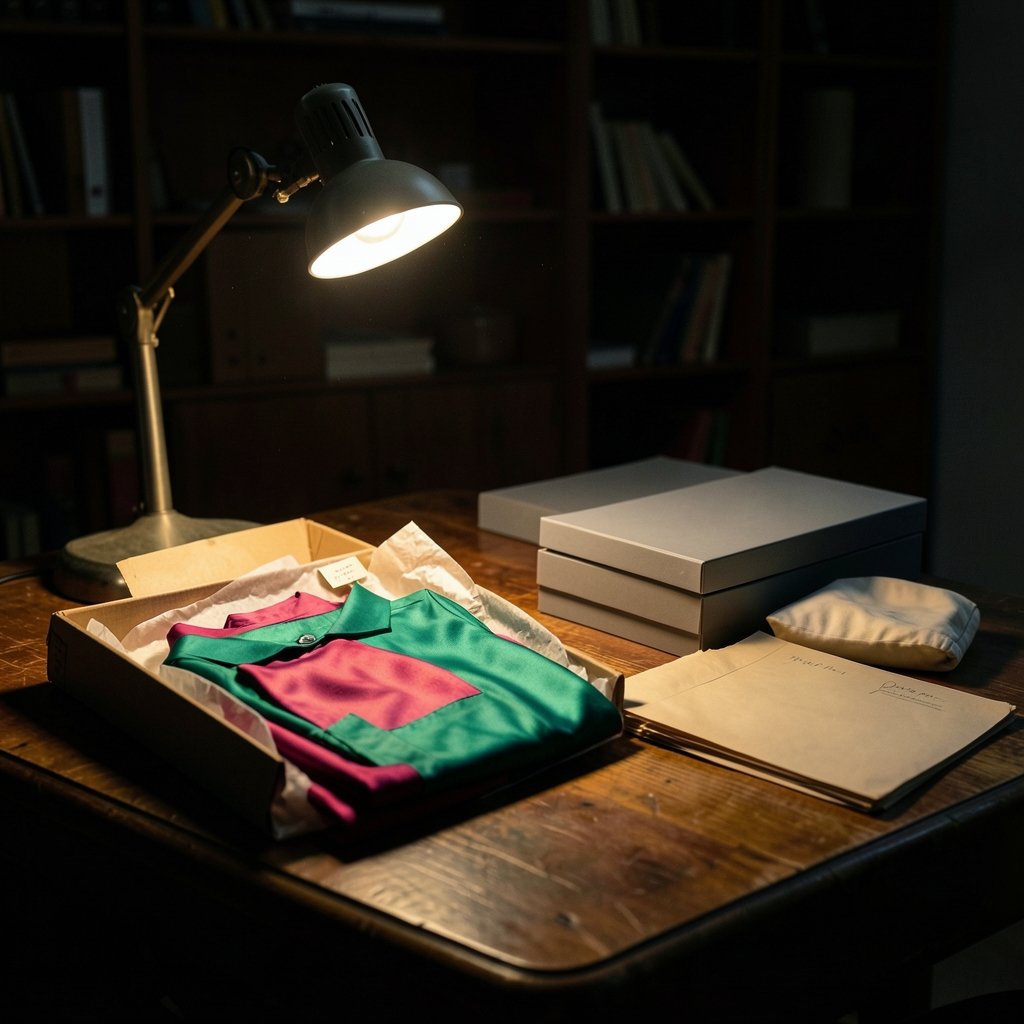
What Is Fashion Archivalism? Inside the Movement Reshaping How We Dress
Quick Answer: What is fashion archivalism?
Fashion archivalism is the practice of preserving, studying, and reusing fashion objects and records, from garments and sketches to runway footage and press clippings. In plain terms, it is the bridge between a house’s past and its future, and you can engage with it through museum costume collections, brand heritage departments, and specialist libraries.
It differs from fashion history, which studies dress in context, and from conservation, which physically stabilizes fragile pieces. Archivalism focuses on cataloguing, referencing, and reinterpreting what already exists. Before diving in, compare scope, access rules, cataloguing standards, storage conditions, licensing, and long-term funding.
A statistic that reframes the whole conversation
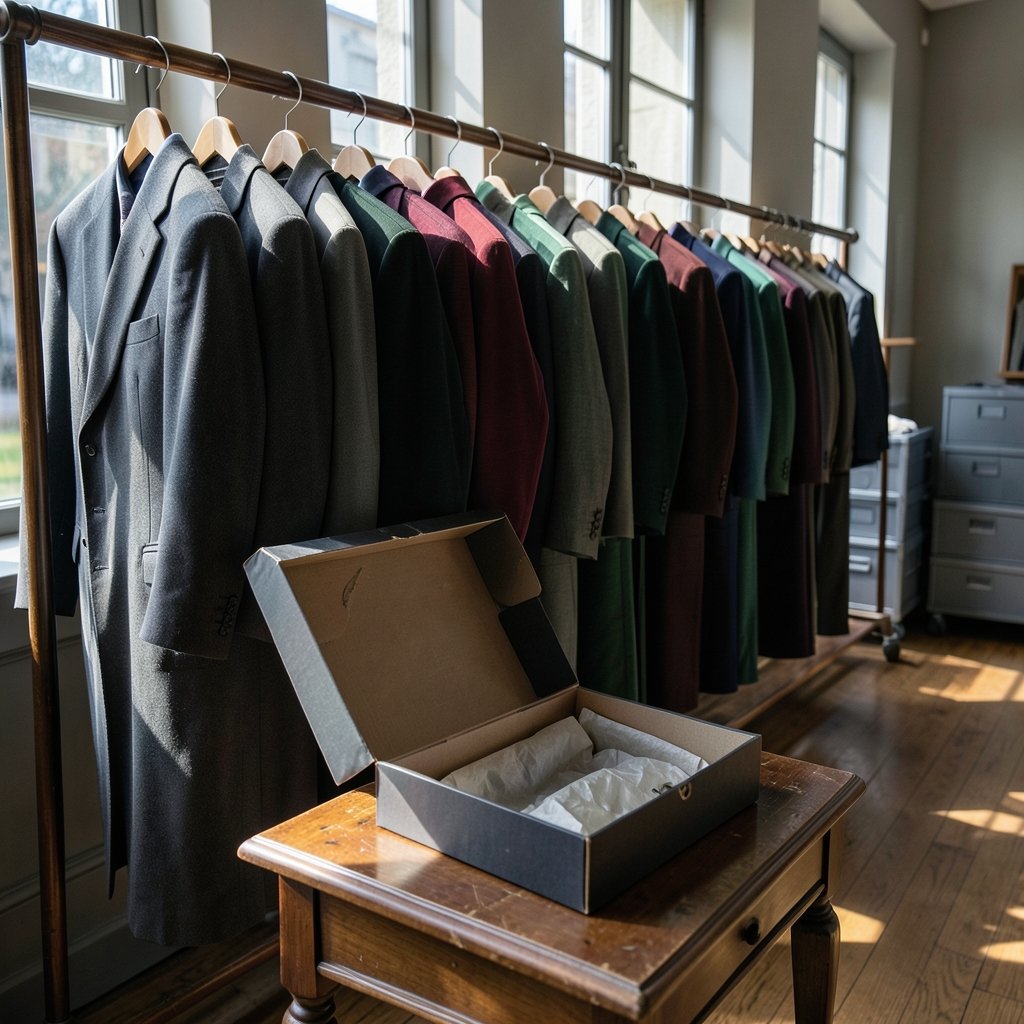
Most people assume fashion’s memory lives in museums. In practice, the largest and most commercially active archives sit inside luxury houses themselves, where heritage teams pull reference pieces for designers and marketing campaigns. That shift, from public collection to private asset, is the story of fashion archivalism in one sentence.
It is also why the term confuses people. Search for a definition and you will find museum costume departments, auction catalogues, and Instagram accounts devoted to 1990s runway all filed under the same label. They are related, but they are not the same job.
Where the term actually comes from
Fashion archivalism is not a standardized academic term. It borrows the “-ism” suffix from art and photography discourse, where “archivalism” describes artists who build work from archives. Applied to fashion, it covers a loose cluster of practices: preserving, cataloguing, and reusing garments, images, and documents.
That looseness matters. If a brand says it is “leaning into archivalism,” it usually means it is mining its own back catalogue for design cues and storytelling. If a curator uses the word, they probably mean the discipline of caring for objects so they survive the next century. Same word, different work.
The related fields are better documented. Fashion history, dress studies, conservation, and archival studies all have established methods and professional bodies. Archivalism sits at their intersection and borrows credibility from each.
How a real fashion archive is built
The practical work is less glamorous than the runway footage suggests. A functioning archive needs a climate-controlled space, an inventory system, photography of every item, and a condition report that records damage before it spreads. Gloves, acid-free tissue, and padded hangers are not aesthetic choices; they are the difference between a garment lasting forty years and four.
Cataloguing is the invisible backbone. A well-run archive records maker, date, material, provenance, and condition for each piece. Without that metadata, a dress is just a dress. With it, the dress becomes a research asset that a designer, a curator, or a journalist can actually use.
For anyone building a personal or small-brand collection, the sequence that works in practice looks like this:
- Inventory everything before you buy another piece, photographing front, back, label, and any damage.
- Store flat or padded, never on wire hangers, away from direct light and damp.
- Record provenance at the moment of acquisition, because sellers forget and memories fade.
- Digitize labels and receipts, since paperwork proves authenticity later.
- Review condition annually and isolate anything showing pest or moisture damage immediately.
The most common mistake is treating storage as a shelving problem. It is a climate and documentation problem first.
The commercial engine behind the revival
Luxury houses have turned heritage into a product line. Reissued silhouettes, anniversary campaigns, and “archive-inspired” capsules all depend on a functioning internal archive. This is where luxury fashion houses and their legacy become relevant to the business case: a strong archive is a competitive moat, because no rival can copy a 1970s pattern book it does not own.
The aesthetic spillover is visible on the street. Vintage-inspired layering, monogram revivals, and the return of minimal, tailored shapes all trace back to designers raiding the shelves. You can see the same instinct in coverage of the return of minimalism in modern fashion, where clean archival references replace novelty for its own sake.
There is a tension here worth naming. When archives become marketing departments, preservation can lose to promotion. Pieces get pulled, handled, and photographed repeatedly. Good heritage teams set access rules for exactly this reason.
Why archivalism matters beyond luxury
Secondhand and resale platforms have made archival literacy a consumer skill. A buyer who can read a label, date a garment, and spot a reissue versus an original has a real advantage. That knowledge is archivalism applied at ground level.
It also supports sustainability arguments. Extending a garment’s life is the most direct environmental intervention in fashion, and archives provide the reference data that makes repair and authentication possible. Documentation is what lets a tailor match a 1960s seam or a reseller prove a piece is genuine.
Street style has absorbed the same logic. Outfits now mix genuine vintage with new pieces deliberately, a habit visible across street style at Milan Fashion Week, where archival references are read instantly by people who follow collections closely. (V&A Collections)
Archivalism versus neighbouring disciplines
The distinctions matter because they change who you hire and what you budget for.
| Practice | Core focus | Typical output |
|---|---|---|
| Fashion archivalism | Cataloguing, referencing, reuse | Research files, reissues, exhibitions |
| Fashion history | Dress in social context | Books, lectures, scholarship |
| Conservation | Physical stabilization | Treated, stabilized garments |
| Curation | Interpretation for audiences | Exhibitions, display narratives |
A house might need all four. Confusing them leads to expensive errors, like asking a historian to treat mould or a conservator to write a marketing brief.
What actually works in practice
First-hand experience from people who run collections tends to converge on a few unglamorous rules. Documentation beats acquisition every time: a small, well-recorded collection is more useful than a large, anonymous one. Provenance is fragile: ask sellers for history in writing at the point of sale, because follow-up requests rarely succeed.
Another lesson is that access is a policy decision, not a favour. Archives that let anyone handle anything lose objects. Archives that let no one near anything become irrelevant. The workable middle is a written access protocol with gloves, supervision, and a photography log.
Finally, digitization is not preservation. A photograph of a dress does not stop the dress from deteriorating. It supports research and reduces handling, which is valuable, but the physical object still needs a controlled environment.
Who the players are
Public institutions, from major costume institutes to university dress-history programs, hold collections and train the next generation. Luxury houses run private heritage departments. Libraries and archive professional bodies set cataloguing standards that fashion archives increasingly adopt. Auction houses and specialist dealers act as the market’s memory, tracking prices and provenance.
For readers who want to see the output rather than the process, fashion media now documents archival references constantly. Profiles of models and coverage of fashion trends and designers both lean on archival imagery, which is a useful way to train your eye without needing institutional access. (Fashion)
The risks worth knowing
Archivalism has a credibility problem when it becomes pure nostalgia. Reissuing a silhouette without context is costume, not research. The strongest archival work explains why a piece mattered, rather than only noting that it existed.
There is also an access gap. Private archives are commercial assets, and public collections are underfunded. That means the fashion record skews toward brands with budgets, and smaller designers, independent makers, and non-Western dress traditions are underrepresented. Anyone serious about the field should notice who is missing from the shelves.
Copyright and licensing add another layer. Runway footage, campaign photography, and print editorial are all owned by someone. Reusing archival imagery requires clearance, and heritage teams spend real time on rights.
Practical guidance for different readers
If you are a student, start with a dress-history syllabus and a museum study room, not an Instagram archive. Primary objects teach faster than reposts.
If you are a designer, build the catalogue before the collection grows. Photograph labels, log provenance, and store properly from day one.
If you are a collector or reseller, treat documentation as inventory value. A receipt and a dated photograph can double what a piece fetches.
If you are a brand, decide early whether your archive is a marketing tool, a design resource, or both, and write the access rules to match.
Conclusion
Fashion archivalism is best understood as a set of habits rather than a fixed title. It is the discipline of keeping garments, images, and documents usable, and the craft of referencing them honestly. The term may stay fuzzy, but the practice is concrete: catalogue what you have, store it properly, record where it came from, and be clear about who gets to touch it. Whether the setting is a museum study room, a heritage department, or a single well-kept wardrobe, the same rules apply, and they are the reason fashion’s past remains available to its future.
Frequently asked questions
Is fashion archivalism a formal academic field?
Not as a named discipline. It draws on fashion history, dress studies, conservation, and archival studies, each of which has established methods and professional standards. The “-ism” label is used loosely in industry and media writing rather than in peer-reviewed scholarship.
How is an archive different from a vintage collection?
A collection is a group of objects. An archive adds documentation, condition records, storage standards, and access rules. Two people can own identical dresses, but only one of them has an archive.
Do fashion archives accept donations from the public?
Many public institutions do, but selectively and with conditions. Donors should expect questions about provenance, condition, and rights, and should be prepared for a collection to decline items it cannot store or document properly.
Can archival pieces be worn or photographed?
Usually only under supervision and with gloves, and often only for approved purposes. Handling accelerates wear, so most archives limit physical access and rely on photography to reduce repeated contact with fragile garments.
What skills does archival work require?
Cataloguing accuracy, textile knowledge, photography basics, condition assessment, and clear written communication. Rights and licensing awareness is increasingly important, as is the patience to record details nobody thanks you for at the time.
Why has archivalism become more visible recently?
Resale growth, heritage marketing, and social media have all raised demand for original references. When a reissued piece and a genuine vintage piece circulate side by side, documentation becomes the thing that tells them apart, and that visibility has pushed archival practice into the mainstream conversation.
The same logic now shapes how fashion media and buyers talk about authenticity. A label photographed clearly, a dated receipt, and a condition note turn a claim into evidence. That shift is quietly professionalizing the resale market, and it rewards anyone who kept records when nobody was asking for them. Archives also serve repair and circularity. A pattern, a swatch, or a construction photograph lets a tailor restore a garment instead of discarding it, which is preservation with a measurable environmental payoff. None of this requires institutional scale. A single wardrobe, documented honestly and stored correctly, is archivalism in miniature, and it is where most people will first practice the discipline. The field will keep borrowing methods from conservation, library science, and rights management as it matures. What will not change is the core test: can someone else, years from now, find the object, trust the record, and understand why it mattered? If the answer is yes, the archive is working, whatever it is called.