
Extrait de Parfum vs Eau de Parfum: Key Differences
 Abdul WadoodLast updated
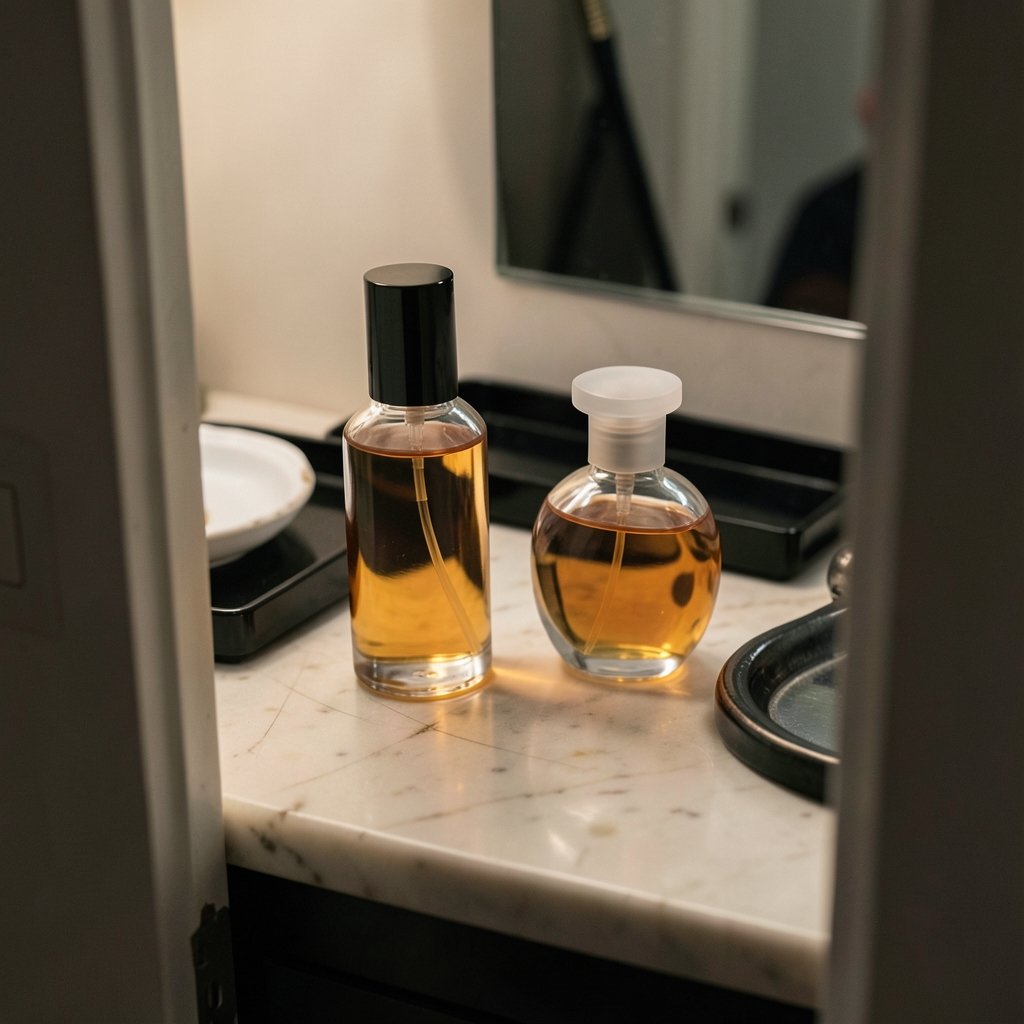
Walk into any fragrance counter and you’ll see the same scent bottled three or four times, each with a different French label and a wildly different price. A 50 ml bottle of eau de parfum might cost 90 dollars, while the extrait de parfum version of the same fragrance sits at 220. The liquid inside looks identical. The name on the box is not. Understanding what separates these two concentration tiers is the difference between paying for performance and paying for a label. (Fragrance Creators Association)
The Core Difference in One Sentence
An extrait de parfum carries a higher percentage of fragrance oil than an eau de parfum, which changes how long it lasts, how far it projects, and how it smells from opening to dry-down. Everything else, the bottle, the marketing, the price-per-milliliter math, flows from that single fact.
The trouble is that those percentages are conventions, not laws. No single international body enforces what “extrait” means on a label. Brands can and do interpret the tiers loosely, which is why two extraits from two houses can behave completely differently.
Concentration: Where the Numbers Come From

The most widely repeated figures in the industry look like this:
| Tier | Typical oil concentration | Common labeling |
|---|---|---|
| Eau de cologne | 2–5% | EDC |
| Eau de toilette | 5–15% | EDT |
| Eau de parfum | 15–20% | EDP |
| Extrait de parfum / parfum | 20–30% | Extrait |
Treat these as ballpark conventions rather than specifications. Some houses publish exact figures; many publish nothing at all. A brand’s “extrait” might sit at 22% while another’s “parfum” hits 30%, and a third may call a 25% formula an eau de parfum because it suits the marketing story better.
This is the first practical lesson: the label tells you roughly where a fragrance sits, not precisely what you’re getting. If a specific number matters to you, look for brands that publish concentration data or ask a sales associate for the technical sheet. Most won’t have one.
Why Higher Concentration Doesn’t Simply Mean “Stronger”
Here’s where intuition misleads people. It’s tempting to assume that more oil equals more projection, more sillage, more of everything. In practice, the relationship is more interesting.
Fragrance oils are volatile molecules dissolved in a solvent, usually perfumer’s alcohol. Higher oil concentration generally means:
- Longer wear time on skin, because there’s more material to evaporate over hours
- A slower, richer opening, since the alcohol carries less of the top-note load
- A different scent arc, because the balance between top, heart, and base notes shifts
But projection, the cloud of scent around you, doesn’t scale linearly. A high-concentration extrait applied heavily can actually sit closer to the skin than a well-formulated eau de parfum, because the alcohol that would normally fling molecules into the air is proportionally reduced. Many wearers describe extraits as more intimate and “skin-like” rather than louder.
That’s a real trade-off, not a marketing flaw. If you want a scent that announces itself across a room, a high-quality eau de parfum may serve you better than a quiet extrait. If you want something that stays close and lasts through a long day, the extrait usually wins.
Longevity in Practice: What to Expect
The longevity claims around extraits are largely brand-sourced and anecdotal. There’s little independent laboratory testing that compares tiers head-to-head on real skin. Still, the underlying chemistry is sound: more oil, more staying power, up to a point.
Practical expectations, based on how these tiers typically behave:
- Eau de parfum: four to eight hours on most skin, longer on fabric
- Extrait de parfum: six to twelve hours, sometimes more, especially on clothing and hair
Skin type matters enormously here. Dry skin holds fragrance poorly; oily skin holds it well. Heat and humidity amplify projection but can shorten perceived longevity. And the same extrait can last three hours on one person and ten on another, which is why sampling on your own skin beats any review, including this one.
A common mistake: judging a fragrance by its first thirty minutes in a store. Extrait openings can be dense and slightly muddled as the alcohol flashes off. Give it an hour before you decide. Better yet, wear it for a full day before buying.
Price Per Milliliter: The Math People Skip
Extrait costs more per bottle, but the fair comparison is cost per wear. A 100 ml eau de parfum at 120 dollars works out to 1.20 dollars per milliliter. A 50 ml extrait at 200 dollars is 4.00 dollars per milliliter, more than triple.
Does the extrait last three times as long per application? Usually not. In most cases you need fewer sprays of an extrait, maybe two instead of four, which narrows the gap but rarely closes it. The premium buys concentration, yes, but it also buys positioning: extraits are often produced in smaller batches, packaged more elaborately, and priced as the house’s prestige tier.
If value is your priority, eau de parfum is almost always the smarter purchase. If you’re chasing a specific, richer interpretation of a scent you already love, the extrait can be worth the premium. Just go in knowing you’re partly paying for prestige.
Do They Smell Different? Yes, Sometimes Considerably
This surprises people. An extrait isn’t simply a stronger version of the eau de parfum. Perfumers often reformulate the concentrate itself when moving between tiers, adjusting the ratio of materials so the fragrance behaves well at higher oil loads.
What that means for your nose:
| Aspect | Eau de parfum | Extrait de parfum |
|---|---|---|
| Opening | Brighter, more sparkling | Denser, sometimes softer |
| Heart | Clear, balanced | Richer, more layered |
| Dry-down | Present but lighter | Fuller, more resinous or balsamic |
| Overall character | Approachable, versatile | Intimate, concentrated |
Some houses keep the formula nearly identical and simply change the dilution. Others treat the extrait as a creative reinterpretation. Neither approach is wrong, but it means you should never assume the extrait is “the same scent, but better.” Sample both. Occasionally the eau de parfum is the more beautiful composition, and the extrait feels heavy by comparison.
Regulation and Labeling: What’s Actually Required
It’s worth knowing what regulators do and don’t govern. The European Union’s cosmetics regulation requires allergen labeling above set thresholds regardless of concentration tier, and the International Fragrance Association (IFRA) sets ingredient safety standards that apply across concentrations. Neither body defines “extrait de parfum” versus “eau de parfum” as a legal category, as far as public documentation shows.
In other words, the tier names are trade conventions, not regulated designations. That’s why you’ll see the same word mean slightly different things across brands, and why “parfum” and “extrait de parfum” are often used interchangeably even when a house treats them as distinct. If you want to dig into the safety side, IFRA publishes its standards and transparency list publicly.
For a broader look at how fragrance families and formulations are classified, the Wikipedia entry on perfume is a reasonable starting point, though it’s a general overview rather than a technical reference. (Perfume)
How to Choose Between Them
A simple decision framework that works in practice:
- Sample both on skin before committing. Ask for two spray cards and wear one on each wrist for a full day.
- Match the tier to the occasion. Eau de parfum suits daytime, office, and warm weather. Extrait suits evenings, cold weather, and long events where you won’t reapply.
- Check your skin type. Dry skin benefits more from the extra concentration; oily skin may find an eau de parfum already lasts all day.
- Compare cost per wear, not bottle price. Divide price by milliliters, then factor in sprays per application.
- Read the note pyramid critically. Extrait versions often emphasize base notes, so if you love a fragrance’s bright opening, the eau de parfum may preserve it better.
And one habit that saves money: buy the smaller bottle of the extrait if you’re curious. A 30 ml extrait lasts a long time at two sprays a day, and it lets you live with the scent before committing to the larger size.
Common Mistakes Worth Avoiding
Assuming extrait always projects more. It often projects less. If you want presence, test before you assume.
Spraying the same number of times. Extrait needs fewer sprays. Four sprays of a 25% concentration is a lot of oil; two is usually plenty.
Judging longevity on a paper strip. Paper behaves nothing like skin. A fragrance that dies in two hours on a card may last eight on your arm.
Ignoring storage. Heat and light degrade fragrance faster at higher concentrations because there’s more oil to break down. Keep bottles away from bathroom windowsills.
Buying the extrait of a scent you’ve only smelled as an EDP. They can diverge meaningfully. Always test the exact tier you’re buying.
For anyone building a wardrobe rather than buying a single bottle, a useful rule is to own one extrait for evenings and special occasions, and let eau de parfum carry the daily rotation. That split gets you the richness where it matters without paying prestige prices for everyday wear. Guidance on building a rotation and matching scents to seasons shows up regularly in fragrance coverage at voozon.media.
A Note on “Parfum” vs “Extrait de Parfum”
These two labels are frequently used as synonyms, and in most retail contexts they are. Some houses reserve “parfum” for their highest tier and use “extrait” for something slightly below it; others do the reverse. There’s no industry-wide standard that settles the question.
The practical takeaway is to ignore the word and look at behavior: how long it lasts on your skin, how close it sits, and how the dry-down develops. Those three data points tell you more than any label ever will. If a brand publishes its concentration, great. If not, your own skin is the only reliable test.
Conclusion
The extrait versus eau de parfum question comes down to concentration, and concentration changes behavior in ways that aren’t always intuitive. Extrait carries more oil, typically lasts longer, and often smells richer and more intimate. Eau de parfum is brighter, more versatile, and dramatically cheaper per milliliter. Neither is superior; they’re different tools.
The smartest approach is unglamorous: sample both tiers of any fragrance you’re considering, wear them for a full day, and compare cost per wear rather than sticker price. Let your skin and your schedule make the decision. The label is a starting point, not a verdict, and the best fragrance is the one you actually reach for.
Frequently Asked Questions
Is extrait de parfum always stronger than eau de parfum?
Not in the way most people mean. It contains more fragrance oil, so it usually lasts longer, but it often projects less because there’s proportionally less alcohol to carry molecules into the air. Many extraits sit closer to the skin than their eau de parfum counterparts.
How many sprays of extrait de parfum should I use?
Two sprays is a sensible starting point for most 20–30% concentrations, applied to pulse points or clothing. Four sprays of an extrait is a lot of oil and can feel overwhelming in enclosed spaces. Adjust based on how it wears on your skin.
Why is extrait de parfum so much more expensive?
Partly concentration, partly positioning. You’re getting more raw material per milliliter, but you’re also paying for smaller production runs, premium packaging, and the prestige tier of the house’s lineup. Cost per wear is usually still higher than eau de parfum.
Does extrait de parfum smell different from the eau de parfum?
Sometimes significantly. Perfumers often adjust the formula itself when moving between tiers, emphasizing base notes and softening the opening. Other houses keep the composition nearly identical and only change the dilution. Always sample the exact version you plan to buy.
Which lasts longer on skin, extrait or eau de parfum?
Extrait generally lasts longer, often six to twelve hours versus four to eight for eau de parfum. But skin type matters enormously. Dry skin holds fragrance poorly regardless of tier, and the same extrait can fade in three hours on one person and last all day on another.
Is extrait de parfum worth the money?
It depends on what you want. If you value longevity, intimacy, and a richer dry-down for evenings or cold weather, yes. If you want versatility, brightness, and the best cost per wear for daily use, eau de parfum is usually the better buy. Sample both before deciding.