
Dolly Parton Tattoos: What She’s Confirmed in 2026
 Abdul WadoodLast updated
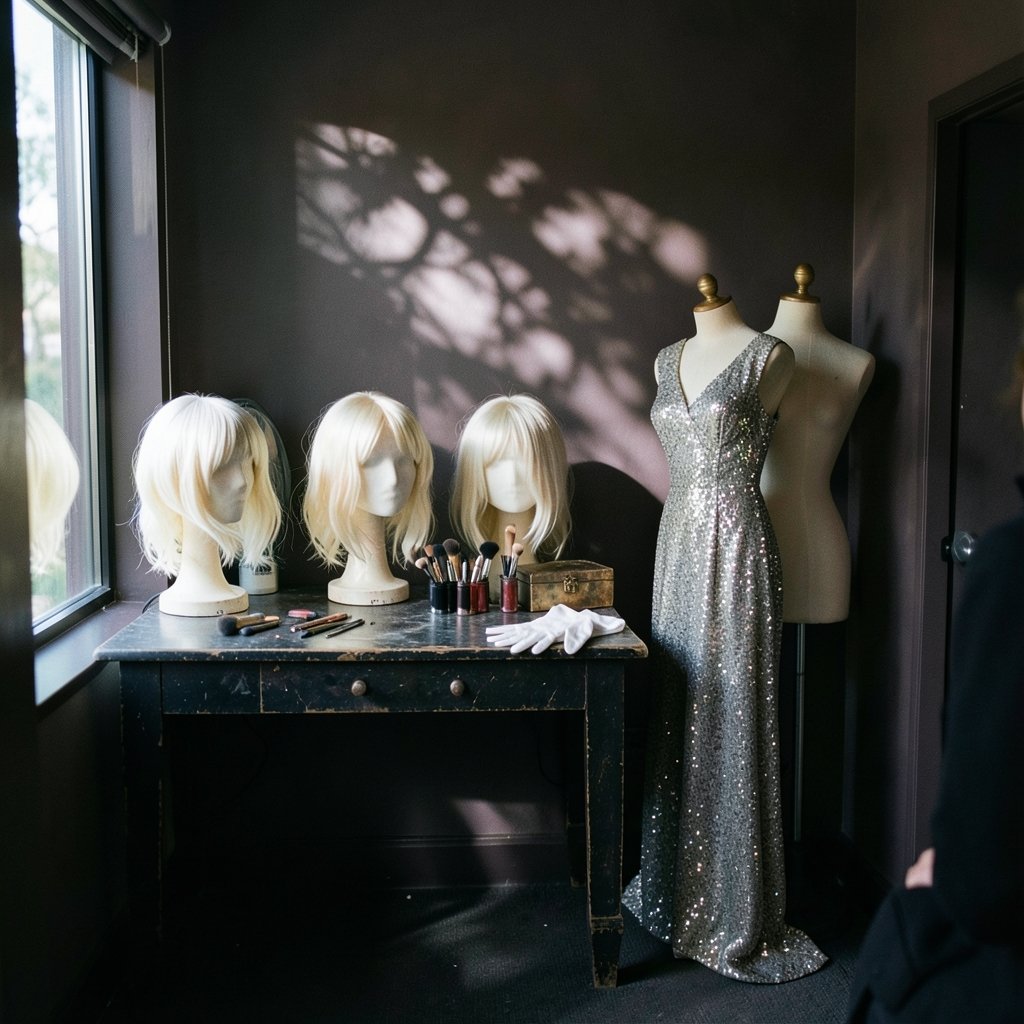
Dolly Parton has spent more than six decades in the public eye, and few details about her appearance have escaped scrutiny. Yet one topic has stayed oddly mysterious: her tattoos. For years, fans have traded rumors about hidden ink, secret designs, and why a performer known for such a polished image would keep body art out of sight. The answer is more practical than scandalous, and it says a lot about how carefully Parton manages her public persona.
The Short Answer: Yes, Dolly Parton Has Tattoos
Parton has acknowledged having tattoos in interviews, though she has consistently kept the details vague. She has described them as small and placed where clothing covers them. That combination has fueled years of speculation, because a performer who wears rhinestones, lace, and dramatic necklines rarely gives the public a clear look at anything she wants to keep private.
The key point for anyone searching for photos or a full tattoo tour: there is no verified, complete inventory of her tattoos. Specific counts, designs, and locations circulate widely online, but most of those claims trace back to retellings rather than direct statements. Treat any precise number with caution unless you can find the exact quote in the original interview.
Why the Tattoos Stay Hidden

Parton’s career has been built on a very specific visual brand. The wigs, the makeup, the heels, and the sparkle are all part of a character she has described as larger than life. Visible tattoos would complicate that image, not because tattoos are taboo, but because they would invite a different kind of conversation.
There is also a practical business angle. Parton has spent decades building a brand that spans music, film, theme parks, and licensing. Consistency matters in that world. Keeping tattoos covered lets her control when and how that part of her life enters the conversation. (Music News)
What actually works in practice for anyone curious about celebrity body art is to separate what the person has said from what the internet has decided. Parton has spoken about her tattoos in general terms. She has not published a catalog, and she has never seemed interested in turning them into a marketing moment.
The Scar-Covering Explanation
One of the most repeated explanations involves scars. Parton has discussed tattoos in connection with covering marks on her skin, framing the ink as cosmetic rather than decorative. This is a common reason people get tattoos, and it fits her broader pattern of controlling her appearance on her own terms.
It is worth being careful here. The scar-covering explanation appears in secondary reporting more often than in clearly dated primary interviews. If you cite it, describe it as something she has discussed rather than as a settled fact with a documented timeline.
The same caution applies to the frequently repeated story that her husband encouraged her to get tattooed. It is a charming detail that travels well, but charm is not documentation. Without a specific interview, date, and outlet, it belongs in the “reported but unconfirmed” pile.
A Brief History of Body Art in Country Music
Parton’s reluctance to display her tattoos makes more sense against the history of her genre. Country music has long projected a conservative image, and visible tattoos were once read as a rebellion rather than a style choice. That has changed dramatically. Modern country artists wear ink openly, and fans barely blink.
| Era | Typical attitude toward visible tattoos | What it meant for artists |
|---|---|---|
| 1960s to 1980s | Strongly discouraged in mainstream country | Ink kept private or avoided entirely |
| 1990s to 2000s | Gradually normalized, especially in rock-influenced country | Tattoos became a personal signature |
| 2010s to present | Widely accepted across genres | Open display, often part of the artist’s image |
Parton came up in the first era and built her career inside its rules. Her choice to keep tattoos covered is less about shame and more about timing. She crafted an image before body art became a normal accessory in her industry, and she has stuck with what worked.
What the Rumor Mill Gets Wrong
Search for “Dolly Parton tattoos” and you will find confident claims: a specific number, a list of designs, descriptions of butterflies and angels and hearts. Some of these may be accurate. Most are unverifiable. The pattern is familiar. A single vague quote gets repeated, embellished, and eventually presented as fact.
Three habits help separate signal from noise:
- Look for the original interview, not a summary of a summary.
- Check whether the quote is dated and attributed to a named outlet.
- Notice when a claim appears everywhere but traces back to one anonymous source.
It is fine to say you do not know. That is more honest than repeating a number you cannot source. Parton herself has never seemed bothered by the mystery. If anything, she has enjoyed it.
Why the Mystery Persists
Parton understands something most celebrities learn slowly: a little restraint creates more interest than full disclosure. By acknowledging tattoos without detailing them, she gives fans something to wonder about. That curiosity keeps the conversation alive decades after the initial revelation.
There is also a dignity argument. Parton has spoken about wanting to be seen a certain way, and her body art is genuinely private. Fans who respect her craft can respect that boundary too. The tattoos are not a scandal waiting to be exposed. They are a small, personal detail she has chosen to keep mostly to herself.
For a broader look at how public figures manage their images and the stories that grow around them, Voozon Media covers celebrity branding and media narratives in depth.
What Her Tattoos Say About Her Image Strategy
Parton’s approach fits a recognizable playbook. She built a character, protected it fiercely, and let selective vulnerability do the work of connection. Acknowledging tattoos makes her seem human. Hiding them keeps the character intact. Both moves serve the same goal.
This is not unique to her, but she executes it unusually well. Compare her with artists who reveal everything and then struggle to maintain mystique. Parton has stayed interesting for six decades partly because she has never let the public finish reading her.
The tattoos are a small piece of that larger design. They are real, they are hers, and they are not for sale.
Common Mistakes Fans Make When Researching This
A few traps catch almost everyone who goes looking for details.
Trusting aggregator sites. Pages that compile celebrity facts often recycle each other. A claim that appears on twenty sites may still have one weak origin.
Confusing lyrics with biography. Parton has joked about tattoos in her writing and interviews. A clever line is not a confession.
Assuming silence means secrecy. She has talked about her tattoos. She simply has not turned them into a press tour.
Expecting a reveal. There is no indication she plans to show them publicly or document them in detail. Waiting for that is a good way to be disappointed.
The practical takeaway: enjoy the mystery, cite only what you can verify, and do not repeat a specific number unless you have the receipt.
How to Talk About This Topic Accurately
If you are writing or speaking about Parton’s tattoos, precision protects your credibility. Use language that matches the evidence. Say she has confirmed having tattoos. Say she has described them as small and covered. Say the scar-covering explanation has been discussed. Avoid saying “she has exactly X tattoos in Y places” unless you can link to the source.
This matters because celebrity misinformation spreads fast and rarely gets corrected. A careful sentence ages well. A confident wrong detail follows you.
Conclusion
Dolly Parton’s tattoos are a rare thing in modern celebrity culture: a genuine mystery that the subject herself has chosen not to fully solve. She has confirmed the ink exists, described it as modest and hidden, and left the rest to speculation. That restraint is not evasion. It is brand management, personal privacy, and a little bit of showmanship all at once.
The next time you see a post claiming to know exactly how many tattoos she has and where they are, ask for the original interview. Chances are, there isn’t one. What remains is a simple, verified truth: one of the most scrutinized women in entertainment has kept a piece of herself out of the spotlight, and she has done it on her own terms.
Frequently Asked Questions
Does Dolly Parton really have tattoos?
Yes. Parton has acknowledged having tattoos in interviews. She has described them as small and positioned where her clothing covers them. She has not published a detailed catalog of designs or locations, so any specific list you see online should be treated as unverified unless it links to a direct quote.
How many tattoos does Dolly Parton have?
There is no confirmed public count. Various numbers circulate online, but they typically trace back to retellings rather than dated, attributed interviews. Parton has kept the specifics private, and no reliable source has documented an exact total.
Where are Dolly Parton’s tattoos located?
She has said they are placed where clothing hides them. Beyond that general description, she has not confirmed specific locations. Claims about particular body parts are common online but are not backed by clearly sourced statements from Parton herself.
Why does Dolly Parton keep her tattoos covered?
Her public image is a carefully built brand, and visible tattoos would change how that image reads. She has also discussed tattoos in connection with covering scars. Keeping them covered lets her control when the topic enters the conversation and keeps her signature look consistent.
Did Dolly Parton’s husband encourage her to get tattoos?
This story is widely repeated, but the sourcing is thin. Without a specific, dated interview from a named outlet, it is best described as reported but unconfirmed rather than established fact.
Did Dolly Parton ever show her tattoos in public?
There is no verified record of her displaying them publicly. She has discussed them in interviews while keeping them covered in photos and performances, which is consistent with how she has managed her image throughout her career.
The same logic applies to her lyrics and stage banter. Parton has long used humor to deflect questions she does not want to answer directly, and a joking reference to ink should not be filed away as documentation. When she mentions tattoos in passing, she is often performing the role of the charmingly evasive storyteller rather than supplying biographical data. Readers who understand that distinction will avoid most of the errors that plague celebrity fact-checking. ## A Note on Sources and Further Reading For anyone who wants to dig deeper, the most reliable material remains the long-form interviews Parton has given to major outlets across the decades, along with her own published reflections on her career and image. Trade publications covering country music history are useful for context on how the genre’s attitudes toward body art shifted over time. What is less useful is the endless churn of listicles and fan wikis that present speculation in the grammar of certainty. A good rule of thumb: if a source cannot tell you when and where a claim originated, it is telling you a story, not a fact. Parton’s tattoos will likely remain a minor legend for years to come, and that is probably how she prefers it. The mystery costs her nothing and gives her fans something to talk about. In an era when so much of a celebrity’s life is documented in real time, her quiet refusal to overexplain is its own kind of statement. It reminds us that privacy, even for someone who has lived in public for sixty years, is still a choice worth respecting. (Dolly Parton)