
Chest Tattoos: Pain, Placement & Design Guide 2026
 Abdul WadoodLast updated
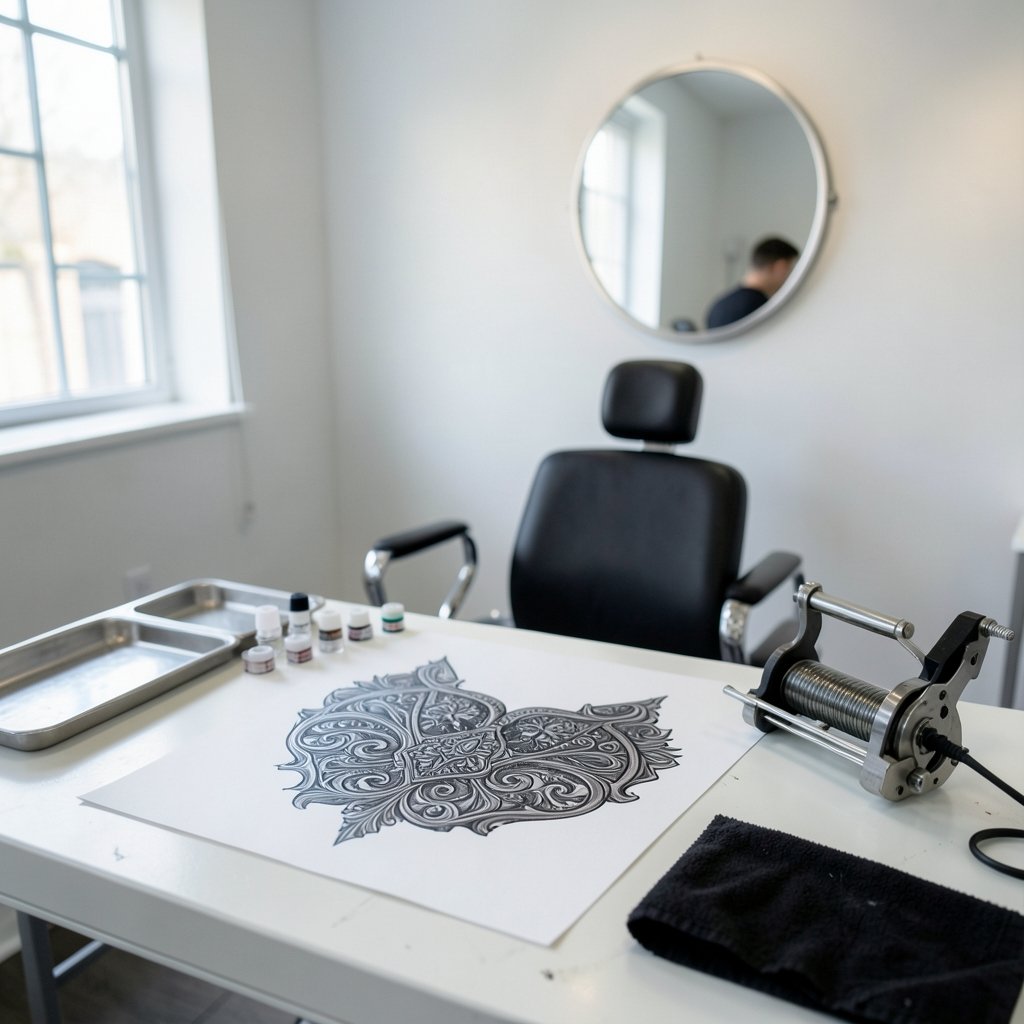
Chest tattoos sit on one of the most visible and personal parts of the body. They cover the pectorals, the sternum, the collarbone, or the upper torso, and they can be hidden under a shirt or shown off the moment a collar opens. That flexibility is exactly why so many people choose this spot. It is also why the placement demands careful thought. The skin is thin, the pain is real, and the design has to work with the natural shape of the body rather than fight it. (Tattoos and piercings: What to know)
This guide covers what actually matters: how much it hurts, which designs hold up over time, how to prepare, how to heal, and the mistakes that send people back to the chair for expensive fixes.
Why the Chest Is Such a Popular Placement
The chest occupies a unique position in tattoo culture. It is close to the heart, easy to cover for work, and large enough to carry a detailed piece without cramming. In Japanese irezumi, the chest is a central panel of the full-body suit, often framing a large motif like a dragon, a koi, or a mythical figure. In Pacific traditions, chest and torso patterns have carried status and identity for generations. And in Western maritime and military tattooing, the chest has long been a canvas for anchors, swallows, and personal mementos.
That history matters because it shapes what people expect from a chest piece. A chest tattoo rarely feels like a small accessory. It reads as a statement, whether the wearer intends it that way or not. The placement draws the eye upward, frames the neck and shoulders, and changes how clothing sits. For many people, that is the appeal. For others, it is a reason to pause and plan.
How Much Does a Chest Tattoo Hurt?

Honestly? Quite a bit. The chest has thin skin stretched over bone, and the sternum and collarbone are among the more painful areas to tattoo. The ribs underneath add vibration that many people describe as the strangest part of the experience. If a tattoo on the forearm feels like a scratch, a chest piece can feel like a sustained burn, especially near the center line.
Pain is personal, though. Factors that change the experience include:
- Placement within the chest. Fleshy areas over the pectoral muscle hurt less than the sternum or collarbone.
- Session length. A four-hour session feels very different from a ninety-minute one.
- Line work versus shading. Long, continuous lines across bone tend to be the hardest part.
- Individual sensitivity. Some people breeze through; others need breaks every twenty minutes.
Practical tip: book the outline and the shading in separate sessions if the piece is large. Splitting the work reduces swelling and gives the skin time to recover between appointments. Eating a real meal beforehand and staying hydrated genuinely helps; showing up on an empty stomach is one of the most common mistakes people make.
Choosing a Design That Fits the Body
The chest is not a flat surface. It curves over muscle, dips at the sternum, and moves with every breath. A design that looks right on paper can distort once it wraps around the pectoral. Good artists account for this by placing the piece on the body rather than on a stencil alone.
Designs That Work Well
| Design Type | Why It Fits the Chest | Best Placement |
|---|---|---|
| Symmetrical mandalas or geometric pieces | Follow the body’s natural center line | Sternum, centered |
| Large single motifs (lion, eagle, rose) | Fill the pectoral without crowding | One side of the chest |
| Script and lettering | Clean, readable, easy to cover | Collarbone or upper pectoral |
| Full chest panels | Use the whole torso as one canvas | Across both pectorals |
| Nature and floral pieces | Flow with muscle contours | Curving along the pectoral edge |
Designs That Cause Regret
Tiny, highly detailed pieces are a common trap. Fine detail blurs as ink settles, and a small design on a large area can look lost. Asymmetrical pieces placed off-center often look accidental rather than intentional. And anything placed directly on the sternum needs extra care, because the skin there stretches and heals unevenly.
Placement is a decision you live with every time you look in a mirror. That is why experienced artists often ask clients to sit with a design idea for a few weeks before committing.
Preparing for Your Appointment
Preparation separates a smooth session from a miserable one. The basics are simple but frequently ignored.
- Sleep well the night before. Fatigue lowers pain tolerance noticeably.
- Eat a full meal an hour or two ahead. Low blood sugar is a leading cause of fainting during chest work.
- Skip alcohol for at least 24 hours. Alcohol thins the blood and increases bleeding.
- Wear a button-down shirt. Pulling a t-shirt over a fresh chest tattoo is genuinely unpleasant.
- Bring water and a snack. Longer sessions need fuel.
- Avoid sunburn on the area. Tattooing over damaged skin is a bad idea and some artists will reschedule.
One more thing: ask about the shop’s hygiene practices before you book. Needles and ink should be single-use, surfaces should be visibly clean, and the artist should be willing to answer questions without defensiveness. A shop that rushes those questions is not a shop worth trusting.
The Healing Process, Stage by Stage
Chest tattoos heal like any other tattoo, but the location creates specific challenges. Clothing rubs against the area. Sweat collects under a shirt. Sleeping positions matter more than people expect.
Days 1 to 3: The Oozing Phase
The tattoo will weep plasma and excess ink. Wash gently with fragrance-free soap and lukewarm water, pat dry with a clean paper towel, and apply a thin layer of recommended ointment. Do not soak the area. No swimming, no long baths, no saunas.
Days 4 to 14: The Peeling Phase
Flaking and itching begin. Resist the urge to scratch. Scratching can pull ink out of the skin and leave patchy spots that need touch-ups. Moisturize lightly and often. Loose clothing helps reduce friction.
Weeks 2 to 4: The Settling Phase
The surface heals but the deeper layers are still repairing. The tattoo may look dull or milky for a while. This is normal. Full settling can take a month or more.
Beyond Month One: Protection
Sun exposure is the single biggest threat to a tattoo’s longevity. UV light fades ink faster than anything else. Sunscreen on a healed chest tattoo is not optional if you want it to stay sharp. For anyone weighing long-term skin decisions, the broader guidance on sun protection from the World Health Organization is worth reading alongside tattoo aftercare advice. (Tattoo)
Chest Tattoos and Professional Life
Visibility is the question most people ask before booking. The chest is easy to cover with a collared shirt, which makes it one of the more workplace-friendly placements for large pieces. High-collar designs that creep toward the neck are a different story. So are pieces that extend onto the hands or forearms.
A sensible rule: decide how much visibility you want in a formal setting before the stencil goes on. If a piece needs to disappear under a button-down, keep the top edge below the collarbone. If it does not, the artist has far more freedom with composition.
Common Mistakes and How to Avoid Them
Most chest tattoo regrets trace back to a handful of avoidable errors.
- Choosing an artist on price alone. Chest work is technically demanding. A cheap rate often reflects inexperience, and fixing a bad chest piece costs far more than doing it right.
- Going too small. Large areas need designs with enough scale to fill them.
- Ignoring the center line. Symmetrical pieces that drift off-center are immediately noticeable.
- Skipping the consultation. A good consultation catches placement problems before any ink is involved.
- Underestimating healing. Rushing back to the gym or the pool too soon causes faded patches and infection risk.
- Not planning for the future. If you might add to the piece later, tell the artist now so the composition leaves room.
Aftercare Products and What Actually Helps
The tattoo aftercare market is crowded, and much of it is unnecessary. What works is simple: a gentle, fragrance-free cleanser, a thin layer of a recommended ointment or lotion, and time. Thick layers of product trap moisture and can cause clogged pores or irritation. Antibiotic ointments are not routine aftercare and should only be used if a professional recommends them.
Signs of infection deserve attention rather than guesswork: spreading redness, increasing pain after the first few days, pus, or fever. Those symptoms warrant a medical visit, not a forum search.
Cost, Time, and Realistic Expectations
Chest pieces vary enormously in price. Small script might take under an hour. A full chest panel can span multiple sessions of several hours each. Most artists charge hourly or by the piece, and rates differ widely by region and reputation. The honest advice is to budget for the piece you want done well, not the piece you can afford quickly.
Expect the chest to take longer than an equivalent design on the arm. Curves slow the work down. So does the need to constantly check symmetry as the client breathes.
Conclusion
A chest tattoo is one of the most striking placements available, and one of the least forgiving. The pain is real, the healing needs attention, and the design has to respect the body’s curves rather than ignore them. None of that is a reason to avoid the chest. It is a reason to plan properly: choose an artist with a portfolio of chest work, sit with the design for a while, split long sessions, and treat aftercare as part of the process rather than an afterthought.
Done well, a chest piece anchors the whole upper body. It reads as deliberate, personal, and built to last. Done hastily, it becomes a lesson in why patience matters. The difference between those two outcomes is almost never talent or budget. It is preparation.
Frequently Asked Questions
How painful is a chest tattoo compared to other spots?
The chest ranks among the more painful placements because the skin is thin and sits close to bone. The sternum and collarbone are the toughest areas, while the fleshy part of the pectoral muscle is more manageable. Most people find it harder than an arm tattoo but easier than ribs or feet.
How long does a chest tattoo take to heal?
Surface healing takes about two to four weeks, but the deeper layers can take a month or more to fully settle. Chest tattoos heal at roughly the same rate as other placements, though friction from clothing can slow the process if aftercare is careless.
Can I hide a chest tattoo at work?
Usually yes. A collared shirt covers most chest pieces completely. The exception is work that extends above the collarbone toward the neck. Deciding on the upper boundary before the stencil is applied keeps the option of full coverage open.
How much does a chest tattoo cost?
Costs vary widely by size, detail, artist reputation, and region. Small pieces may take under an hour, while full chest panels require multiple long sessions. Most artists charge hourly or quote by the design, so ask for a clear estimate during consultation.
Is it safe to tattoo over the sternum?
Yes, with care. The sternum is thin-skinned and sits directly over bone, which makes it painful and prone to uneven healing. Experienced artists adjust technique for this area, and clients should follow aftercare closely to avoid patchy results.
Should I split a large chest piece into multiple sessions?
For most large pieces, yes. Splitting outline work from shading reduces swelling, improves comfort, and often produces cleaner healed results. Ask your artist to plan the sessions before the first appointment so the schedule matches the scope of the work.