
How to Care for Embellished Dresses: 2026 Guide
 Abdul WadoodLast updated
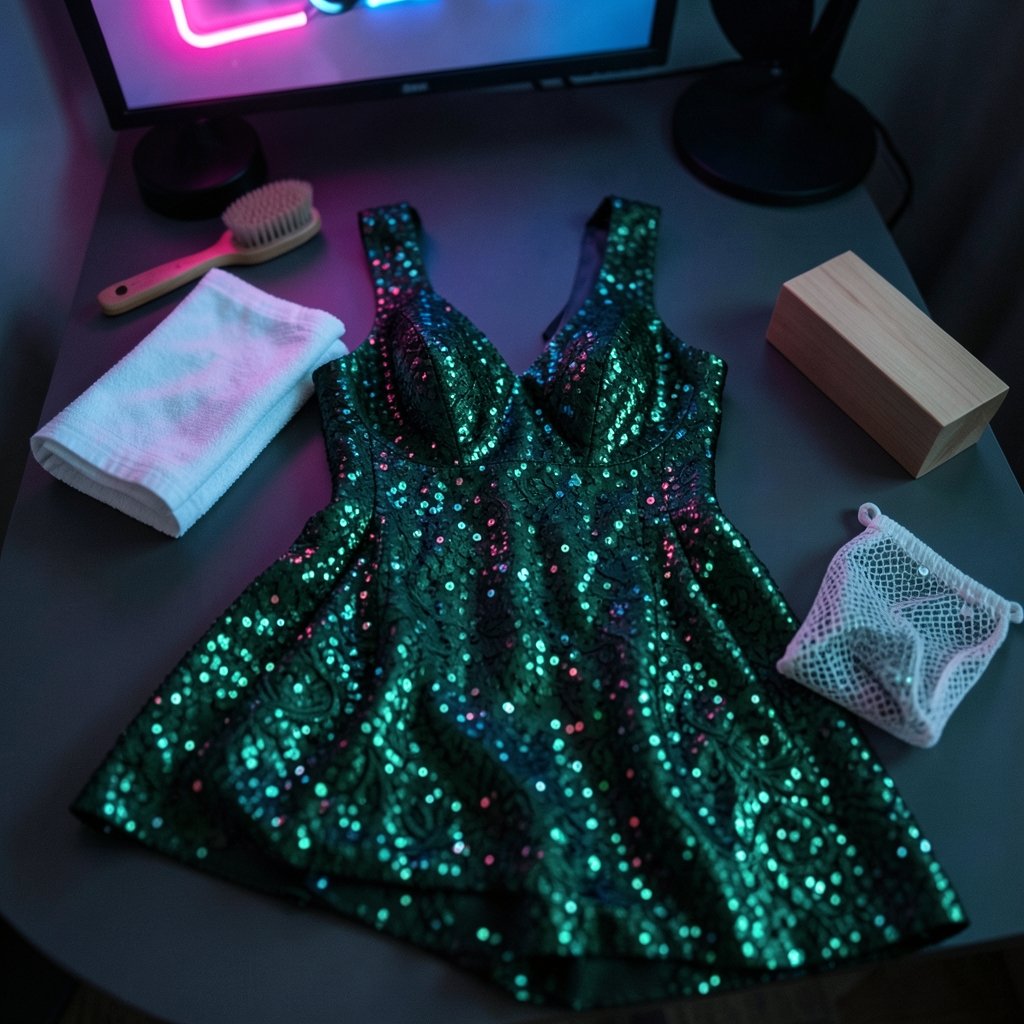
A single beaded dress can carry thousands of individual beads, sequins, or crystals, each attached by a thread thinner than a human hair. That arithmetic explains why embellished garments are the most fragile items in most closets, and why a careless wash cycle can undo hours of handwork in minutes. The good news: with the right habits, a well-made embellished dress can look event-ready for years. The routine below covers washing, drying, storing, and repairing, with practical fixes for the mistakes people make most often.
Why Embellished Dresses Need Special Handling
Embellishment turns an ordinary dress into a small structural puzzle. Beads add weight, sequins catch on everything they touch, and glued-on appliqués soften in heat. A washing machine’s agitation is designed to move fabric aggressively through water, which is exactly the motion that snaps threads and loosens adhesive.
That is why the care label matters more than any general rule. Labels follow standardized symbol systems, and those symbols tell you whether the manufacturer considers the piece washable at all. If the label says dry clean only, believe it. If it shows a hand-wash tub, that is permission, not a suggestion to improvise.
There is also a materials story here. Beaded and sequined pieces share some of the fragility of highly textured hair: both have structure that punishes rough handling. If you have ever read about how 4C hair needs gentle, deliberate care to keep its pattern intact, the logic is similar. Structure survives when you stop fighting it.
Read the Label Before Anything Else
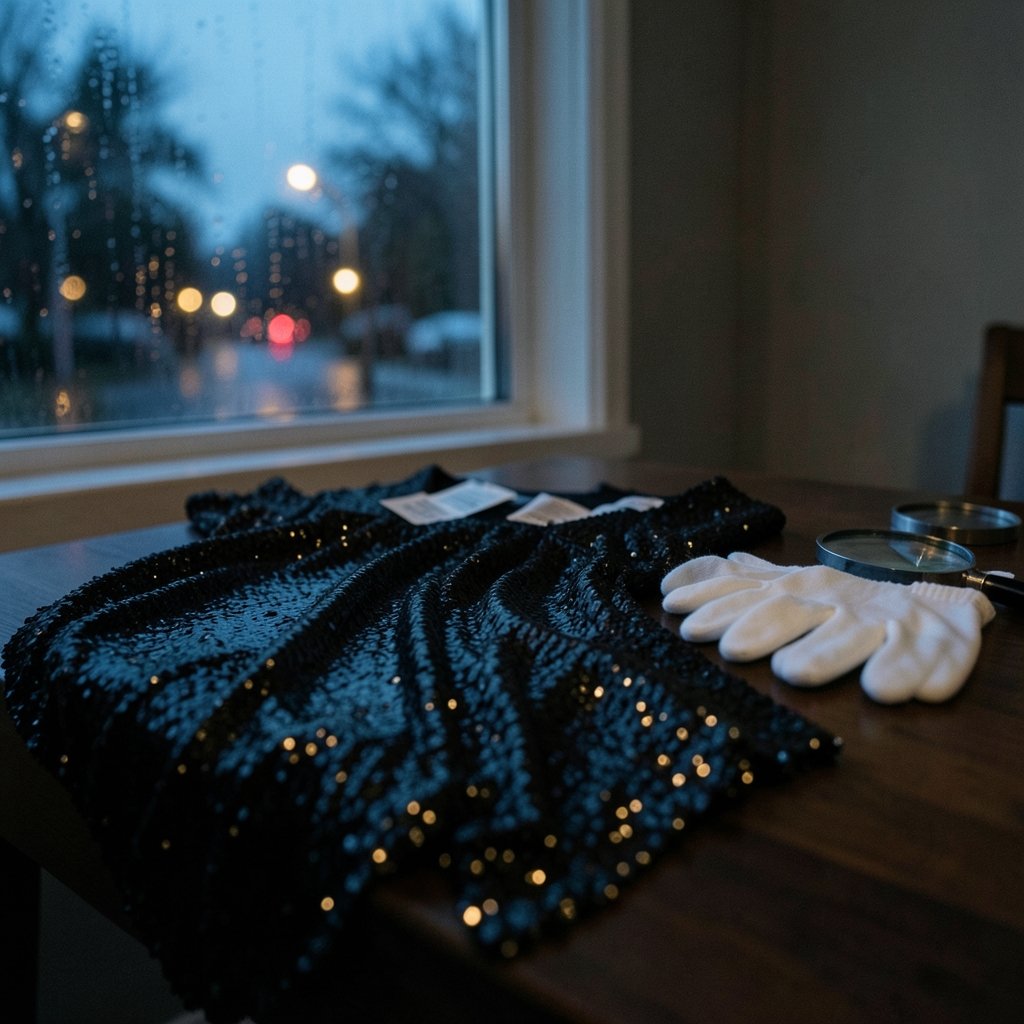
Before water, before detergent, before a steamer, read the care label. Then read it again, because embellished garments often carry two sets of instructions: one for the shell fabric and one for the trim.
| Label symbol | What it means | What to do with embellishment |
|---|---|---|
| Tub with a hand | Hand wash only | Fill a basin, use mild detergent, never agitate |
| Circle | Dry clean | Take it to a cleaner who knows embellishment |
| Triangle with an X | Do not bleach | Skip bleach entirely; it dulls metallic finishes |
| Square with a circle | Tumble dry allowed | Still dry flat; heat loosens glue |
| Iron with one dot | Low heat | Press inside out with a cloth between iron and beads |
If the label is missing or unreadable, treat the dress as dry clean only. That is the conservative choice, and conservative is correct when the alternative is a repair bill.
Hand Washing: The Safest Home Method
Hand washing is the default for lightly embellished dresses that the label permits to be washed. The method matters more than the products.
- Inspect first. Run your fingers over the embellishment and look for loose beads, dangling threads, or lifted sequins. Repair these before washing, or they will snag the rest of the dress.
- Turn the dress inside out. This puts the embellishment on the inside, where it rubs against itself rather than against the basin.
- Fill a basin with cool water. Cool water keeps adhesives firm and reduces dye bleed. Add a small amount of mild detergent and swirl it in before the dress goes near the water.
- Submerge and soak briefly. Five to ten minutes is enough for most pieces. Longer soaks soften glues and weaken threads.
- Squeeze, never wring. Press the water through the fabric with flat hands. Twisting is how beads crack and how structured bodices lose their shape.
- Rinse in clean cool water until no suds remain. Residual detergent attracts dirt and dulls crystals over time.
- Roll in a towel. Lay the dress flat on a clean towel, roll the towel up, and press gently to draw out water.
The most common mistake here is impatience. People rinse under a running tap, which blasts water through delicate work, or they hang the dress “just for a minute,” which stretches wet fabric under the weight of beads. Neither ends well.
Machine Washing: When It Is Actually Acceptable
Some lightly embellished dresses carry a machine-wash label. If yours does, the machine still needs guardrails.
Use a mesh laundry bag sized for the whole garment, not a small one that bunches the fabric. Choose the most delicate cycle available, cold water, and a low spin speed. Skip the extra rinse and any setting labeled “heavy” or “sturdy.” Wash the dress alone or with soft, lint-free items, never with zippers, hooks, or denim that can catch on beads.
Detergent choice matters too. Mild, liquid, and free of bleach or optical brighteners is the safe zone. Powder detergents can leave residue trapped between beads, and harsh formulas strip the finish from metallic threads.
If the dress has heavy beading, three-dimensional appliqués, or glued crystal work, skip the machine entirely. The risk is not worth the convenience.
Drying Embellished Dresses Correctly
Drying is where many well-intentioned washes go wrong. Heat is the enemy of adhesives, and gravity is the enemy of shape.
Always dry flat. Lay the dress on a clean towel or a drying rack with a flat mesh surface, reshape the bodice and straps while damp, and leave it away from direct sun and radiators. Hanging a wet beaded dress concentrates the weight of the embellishment at the shoulders, which stretches the fabric and distorts the neckline.
Never tumble dry an embellished dress, even on low, unless the label explicitly permits it. The tumbling action alone can chip beads against the drum.
Spot Cleaning Between Washes
Most embellished dresses do not need a full wash after every wear. Spot cleaning extends the interval and reduces wear.
Blot spills immediately with a clean white cloth, working from the outside of the stain inward so it does not spread. Use a tiny amount of mild detergent on a cloth, dab, then rinse with a cloth dampened in clean water. For perspiration marks under the arms, a diluted solution of mild detergent and cool water usually does the job.
Avoid rubbing. Friction is what pushes dye into the fabric and what loosens the thread holding a bead in place.
Storing Embellished Dresses So They Last
Storage is where embellished dresses quietly deteriorate. Wire hangers concentrate stress at two points and can leave permanent shoulder marks. Plastic bags trap moisture. Cardboard boxes leach acid over time.
Store embellished dresses flat when possible, padded with acid-free tissue between folds. If hanging is unavoidable, use a wide, padded hanger and a breathable cotton garment bag. Keep pieces separate so sequins do not snag neighboring fabrics, and never stack heavy items on top of beaded work.
Humidity is the quiet culprit. A dry, dark closet with reasonable airflow protects metallic threads from tarnish and keeps adhesives from softening. If you live somewhere humid, a dehumidifier or silica packets in the storage area help.
Ironing and Steaming Without Damage
Never iron directly over beads or sequins. The iron will crack them, melt them, or leave a permanent imprint.
Press on the reverse side, using the lowest heat setting the fabric allows and a pressing cloth between the iron and the garment. Better still, steam from a distance. Hold a steamer several inches away and let the steam relax wrinkles rather than pressing the fabric. For structured pieces with heavy embellishment, consider whether the wrinkles are worth the risk at all.
Repairing Loose Beads and Snags
Small repairs are best done early. A bead hanging by a thread will eventually fall, and a missing bead leaves a visible gap in a pattern.
Keep a small repair kit: a fine needle, matching thread, and a few spare beads saved from the hem or an inside seam. Reattach beads with a double thread and a small knot, passing through the bead twice for security. For sequins, match the original attachment method, whether that is a stitch or a small dab of fabric-safe adhesive.
If a snag pulls a thread, do not cut it. Use a blunt needle to work the thread back into the fabric from the wrong side.
When to Choose Professional Dry Cleaning
Heavily beaded vintage pieces, structured gowns, and anything with glued embellishment belong with a professional. Dry cleaning uses solvents rather than water, which avoids the swelling and shrinking that can loosen beadwork.
Ask the cleaner directly about their experience with embellishment, and point out any loose beads before handing the dress over. A good cleaner will inspect the piece and may recommend hand finishing rather than standard processing. The cost of cleaning is almost always lower than the cost of restoration.
Common Mistakes That Ruin Embellished Dresses
A short list of habits worth breaking:
- Washing “gently” in a machine without a mesh bag
- Using hot water because the dress “looked dirty”
- Wringing or twisting to remove water
- Hanging wet dresses to dry
- Storing on wire hangers in plastic covers
- Ironing over beads with a hot iron
- Ignoring a loose bead until it falls off
- Using bleach or brightening detergent on metallic trim
Each of these is easy to fix once you know it is a problem, and each is responsible for a large share of avoidable damage.
Building a Care Routine That Sticks
The simplest routine is the one you will actually follow. After each wear, inspect the dress for loose beads and marks, spot clean if needed, air it briefly, and return it to flat or padded storage. Wash only when the dress genuinely needs it, and follow the label every time.
For anyone building a broader wardrobe care habit, the same principles apply across hair color and texture guides: match the method to the material rather than forcing one routine onto everything. A light brown hair care guide and a brunette hair guide make the same point in a different domain. Gentle handling preserves what makes a thing distinctive.
Conclusion
Embellished dresses reward patience. The rules are not complicated: read the label, hand wash when permitted, dry flat, store padded, and repair small problems before they grow. The dresses that survive decades are rarely the ones washed most carefully in a single heroic effort. They are the ones handled sensibly every single time, with a little restraint and a lot of respect for the handwork inside them.
Frequently Asked Questions
Can I wash an embellished dress in a washing machine?
Only if the care label explicitly allows it. Use a mesh bag, the most delicate cycle, cold water, and a low spin. Heavily beaded or glued pieces should be hand washed or dry cleaned instead.
How do I dry an embellished dress without ruining its shape?
Lay it flat on a towel or mesh drying rack, reshape it while damp, and keep it away from direct heat and sunlight. Never hang a wet beaded dress, because the weight of the embellishment stretches the shoulders.
What should I do if a bead falls off?
Save the bead and reattach it with a fine needle and doubled thread, passing through the bead twice. If the bead is lost, check inside seams or the hem for a spare, or match it at a craft store before the gap becomes obvious.
Is dry cleaning always safer than hand washing?
Not always, but it is the safer default for heavy beading, structured gowns, and vintage pieces. Dry cleaning avoids water, which can soften adhesives and shrink certain fabrics. Ask the cleaner about their experience with embellishment.
How should I store a beaded dress?
Store it flat with acid-free tissue between folds, or hang it on a wide padded hanger inside a breathable cotton bag. Avoid wire hangers, plastic covers, and stacking heavy items on top.
Can I iron an embellished dress?
Press only on the reverse side, on the lowest heat setting, with a pressing cloth between the iron and the fabric. Never iron directly over beads or sequins. Steaming from a distance is usually the safer choice.