
Contrast Therapy Routine at Home: Safe, Repeatable Protocol
 Abdul WadoodLast updated
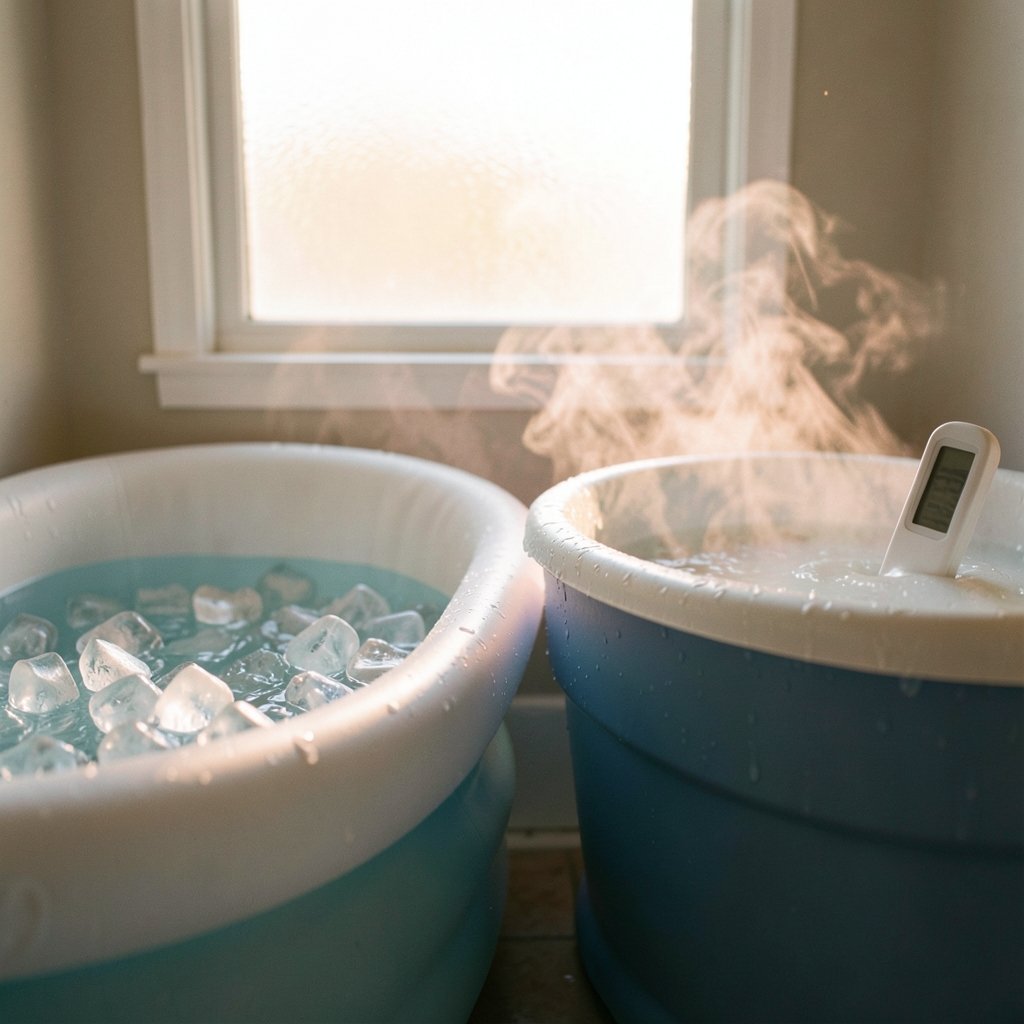
Walk into any elite recovery suite and you’ll see the same setup: two tubs, one steaming, one filled with ice. Contrast water therapy, the practice of alternating hot and cold immersion, has been a staple of sports recovery for decades. What’s changed is that the equipment has moved into living rooms. Home plunge tubs, inflatable ice baths, and compact sauna blankets have turned a once-clinical protocol into a weekend project.
But here’s the honest part most product pages skip: the science on contrast therapy is mixed. Systematic reviews published between 2020 and 2023 generally found small or inconclusive effects on recovery markers, and no single consensus protocol exists. That doesn’t make the practice useless. It means the routine you build at home should be safe, repeatable, and calibrated to your body rather than to a marketing claim. This guide covers the protocols people actually use, the mistakes that cause trouble, and how to fit contrast work into a real bathroom or garage without hurting yourself.
What Contrast Therapy Actually Is
Contrast therapy means alternating exposure to hot and cold water (or sometimes hot water and cold air). The traditional sports-setting version uses roughly 38–40 °C (100–104 °F) for the hot phase and 10–15 °C (50–59 °F) for the cold phase, cycling between the two several times. Sessions usually run 1–4 minutes hot and 1–3 minutes cold, repeated three to five times, finishing on cold.
The theory is simple: heat opens blood vessels, cold constricts them, and the pumping action is thought to help move fluid and reduce stiffness. The evidence is thinner than the theory. Reviews of contrast water therapy have found effects that range from modest to indistinguishable from just resting, and study protocols vary so widely that comparing them is genuinely difficult. So treat contrast work as a comfort and routine tool, not a medical treatment.
If you already follow a hair and grooming routine with the same discipline, you’ll recognize the pattern: consistency beats intensity. The same logic applies to how to fix frizzy hair with a practical, science-backed routine — small repeatable steps outperform occasional heroic efforts.
The Basic Home Protocol
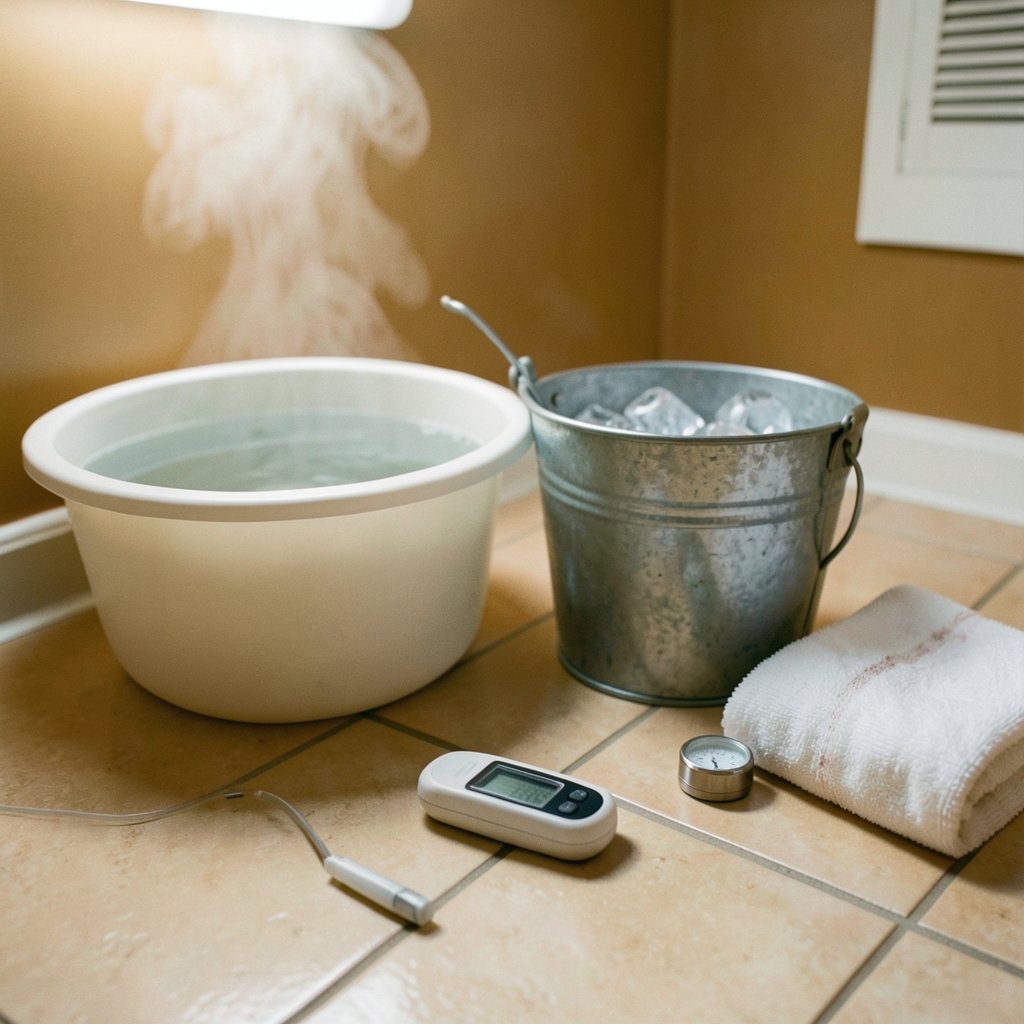
Most home setups can’t replicate a recovery suite, and they don’t need to. What matters is measurable temperature, controlled timing, and a safe environment. Here’s a workable framework:
- Set and measure temperatures. Use a waterproof thermometer. Aim for 38–40 °C hot and 10–15 °C cold. Guessing by feel is the most common mistake; water that feels “pleasantly warm” to a hand can be well above 40 °C.
- Start with heat for 2–3 minutes. Let your body adjust before the first cold exposure.
- Move to cold for 1–2 minutes. Beginners should start at the warmer end of the cold range (around 15 °C) and build tolerance slowly.
- Repeat three to four cycles. Total session time lands around 15–20 minutes.
- Finish on cold, then rewarm gradually. Towel off, dress in layers, and let your body return to normal temperature on its own. Don’t jump straight into a hot shower.
| Phase | Temperature | Duration | Notes |
|---|---|---|---|
| Hot | 38–40 °C | 2–3 min | Never above 40 °C |
| Cold | 10–15 °C | 1–2 min | Start at 15 °C as a beginner |
| Cycles | 3–4 total | 15–20 min | End on cold |
| Rewarm | Ambient | 10–15 min | Layers, no hot shower |
A session like this fits into an evening routine without dominating it. If you’re the kind of person who already thinks about designing a home that feels personal, you’ll want the setup to be practical rather than theatrical: a tub you can drain easily, a mat that grips, and a thermometer within arm’s reach.
What You Need (and What You Don’t)
The minimum viable kit is short: a container deep enough to submerge to the chest or at least the waist, a thermometer, and a way to heat and cool water. Everything else is optional. (Sprains and strains)
What genuinely helps:
- A waterproof digital thermometer with a fast read time
- A non-slip mat under and around the tub
- A timer you can see without touching your phone with wet hands
- A robe or towels within reach for the rewarm phase
What you can skip:
- Expensive plunge systems with app subscriptions, at least until you know the routine sticks
- Ice in quantities that make the cold phase a logistical burden; cold tap water plus a few trays is often enough to reach 15 °C
- Anything marketed with claims about “flushing toxins” or “boosting immunity.” Those claims are not well supported, and a routine built on them will disappoint you.
The same restraint applies elsewhere in personal care. A hair gloss guide comparing salon versus at-home results makes the point well: home versions work when expectations match what the method can actually deliver.
Safety Comes Before Consistency
This is the section to read twice. Cold-water immersion carries real risks, including cold shock, cardiovascular strain, and hypothermia. Consensus guidance in sports medicine around 2023 explicitly warns that sudden cold exposure triggers a gasp reflex and a sharp rise in heart rate and blood pressure. Heat carries its own risks: dizziness, fainting, and burns if water is too hot.
Do not use contrast therapy if you have a heart condition, uncontrolled blood pressure, or are pregnant, without checking with a clinician first. Skip it entirely if you have impaired sensation in your feet or legs, such as from neuropathy, because you may not register dangerous temperatures.
Never combine a session with alcohol or sedatives. Both blunt your ability to judge temperature and to get out safely. And never practice alone in deep water if you’re new to cold immersion; cold shock can disorient even strong swimmers.
Practical safeguards that experienced users swear by:
- Enter cold water slowly, hands and feet first, and control your breathing before submerging further
- Keep your head out of cold water unless you’re experienced and supervised
- Set a timer and stick to it; longer is not better
- Keep the bathroom or garage warm during the rewarm phase
- Stop immediately if you feel faint, confused, or shivering uncontrollably
Common Mistakes That Undermine the Routine
Chasing extreme cold. Social media rewards ice-filled tubs and grimacing faces. But 10–15 °C is the working range in most sports settings, and colder water mainly increases risk. If you can’t speak a full sentence comfortably, the water is doing more to your nervous system than to your recovery.
Skipping the thermometer. This is the single most common error. People estimate temperature by touch, and hands are unreliable judges, especially after a hot phase.
Doing too much, too soon. Daily sessions feel productive but leave many people drained. Three to four sessions a week is plenty for most recreational athletes.
Ignoring the rewarm. Jumping into a hot shower after cold exposure can leave you dizzy. Gradual rewarming in layers is safer and, frankly, more pleasant.
Treating it as a substitute for sleep and food. Recovery comes mostly from sleep, protein, and hydration. Contrast work is a garnish, not the meal.
Where Contrast Therapy Fits in a Wider Routine
Contrast sessions slot most naturally after training or at the end of the day. Some people use a short hot-cold cycle in the morning for alertness; others prefer evening sessions to unwind. Neither is wrong, but evening sessions tend to stick better because they don’t compete with morning logistics.
Think of it as one habit in a stack. Someone maintaining a 2a hair routine or a 3C curl care routine already understands the value of a fixed sequence done consistently. The difference is that contrast therapy has a hard safety ceiling, so the sequence matters more than the enthusiasm.
If you train hard, pair contrast sessions with the boring fundamentals: seven to nine hours of sleep, adequate protein, and hydration with electrolytes. If you’re using contrast work to manage general stiffness rather than athletic recovery, two or three sessions a week is a reasonable starting point, and many people find a single cycle is enough on busy days.
A Sample Week
| Day | Session | Notes |
|---|---|---|
| Monday | 3 cycles | After training |
| Tuesday | Rest | No contrast work |
| Wednesday | 3 cycles | Evening |
| Thursday | Rest | Stretching only |
| Friday | 4 cycles | After hardest session |
| Saturday | Optional 1–2 cycles | Keep it light |
| Sunday | Rest | Sleep and food |
Tracking Whether It’s Working
Because the evidence is modest, personal tracking matters more than usual. Keep a simple log: date, temperatures, cycle count, and a one-line note on how you felt the next morning. After three to four weeks, look for patterns. Are stiff mornings less frequent? Is sleep better? If nothing changes, you’re spending time and water for no return, and it’s reasonable to drop the routine or reduce it to once a week. (Sprains and strains)
Be equally alert to warning signs that the routine is too much: persistent fatigue, poor sleep, or dreading sessions. Recovery tools should make life easier, not add another obligation.
Conclusion
Contrast therapy at home is a low-tech, moderate-benefit practice wrapped in a lot of hype. The honest version looks like this: measured temperatures, short cycles, a safe environment, and modest expectations. The evidence for recovery benefits is limited and mixed, and no single protocol has emerged as best. What you can control is the quality of the execution — a thermometer instead of guesswork, a timer instead of ego, and a routine that fits your week rather than one that dominates it.
Start with three cycles at the warmer end of the cold range. Build tolerance over a month. Track how you feel the next morning, not how you feel in the moment. And treat safety as non-negotiable: no alcohol, no solo deep-water sessions when you’re new, and a conversation with a clinician first if you have any cardiovascular condition. Done that way, contrast therapy becomes what it should be — a small, pleasant, repeatable habit rather than a risky stunt.
Frequently Asked Questions
How cold should the cold phase be?
Most sports-setting protocols use roughly 10–15 °C (50–59 °F). Beginners should start near 15 °C and only go colder once they’re comfortable and consistent. Colder is not automatically better, and it raises the risk of cold shock.
How often should you do contrast therapy?
Three to four sessions a week is a sensible default for recreational athletes, with at least one rest day between sessions. Daily sessions are unnecessary for most people and can leave you feeling drained.
Can you do contrast therapy in a normal shower?
A shower can approximate the hot phase but rarely reaches cold enough temperatures for a true cold phase. Most people get better results from a tub or bucket for the cold portion and a hot bath or shower for the heat portion.
Is contrast therapy safe during pregnancy?
Heat exposure carries known risks during pregnancy, and cold immersion adds cardiovascular strain. Pregnant people should speak with a clinician before starting any hot-cold immersion routine.
What should you do after the final cold cycle?
Towel off, dress in warm layers, and let your body rewarm gradually over 10–15 minutes. Avoid a hot shower immediately after cold exposure, which can cause dizziness. Drink water and eat something if you’ve trained.
Does contrast therapy help with weight loss or detox?
No credible evidence supports claims that contrast therapy burns meaningful calories or “flushes toxins.” The kidneys and liver handle detoxification. Any benefits are more likely to be comfort, stiffness relief, and routine-related.