
Best Shoes for European City Breaks 2026: Buying Guide
 Abdul WadoodLast updated
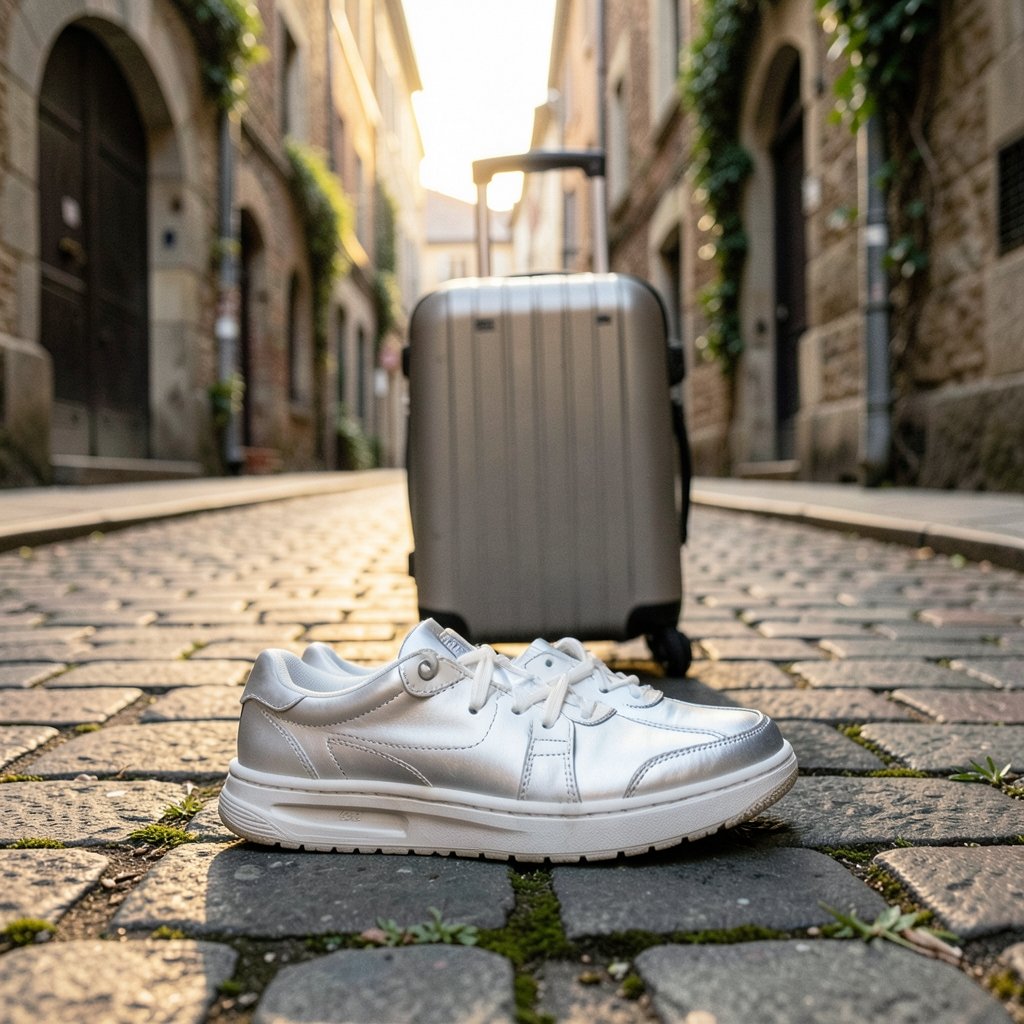
Cobblestones are older than most of the cities that still use them, and they were never designed with human feet in mind. Rome’s sampietrini blocks, Prague’s granite setts, and Lisbon’s polished basalt sidewalks have outlasted empires, and they will outlast any pair of sneakers with a thin foam sole. A city break in Europe often means 15,000 to 25,000 steps a day across surfaces that twist ankles and punish flat feet, so the question of what to wear is not vanity. It is logistics.
This guide breaks down what actually matters when choosing shoes for a European city trip, which categories work for which traveler, and the mistakes that show up again and again once people are already three miles from their hotel.
Why European City Breaks Destroy the Wrong Shoes
The core problem is surface variety. A single day in Paris or Vienna might include polished marble station floors, wet cobblestones, gravel park paths, and hundreds of stairs inside museums and metro stations. Shoes optimized for one surface often fail on the others.
There is also a climate factor. Northern and central European cities see frequent rain from autumn through spring, and wet stone is dramatically slicker than dry stone. Slip resistance on wet, smooth surfaces is a measurable property that footwear testing organizations evaluate using standardized methods, which is why some outsoles grip wet granite far better than others despite looking similar.
The third factor is distance. Tourists routinely walk three to five times more than they do at home. A shoe that feels fine for a 20-minute commute can produce blisters and arch pain after eight hours of continuous walking.
What Actually Matters in a City-Break Shoe

Outsole Grip and Tread Depth
This is the single most underrated feature. Look for a rubber outsole with a defined tread pattern and softer rubber compounds that stay grippy when cold. Flat, hard, smooth soles are the worst possible choice for wet cobblestones.
Cushioning Without Collapse
City walking is repetitive impact on hard surfaces. A midsole with decent stack height and energy-return foam reduces fatigue over long days. Too much softness, however, causes instability on uneven ground, so the sweet spot is moderate cushioning with a firm heel counter.
A Roomy Toe Box
Feet swell during long walking days, sometimes by half a size. A toe box that feels snug in the store will feel punishing by afternoon. Look for shoes with at least a thumb’s width of space in front of the longest toe.
Weight and Packability
Most city breaks are carry-on trips. Shoes that weigh a lot and take up half a suitcase are a real cost. A pair around 300 grams per shoe in a men’s or women’s average size is a reasonable target.
Weather Resistance
Waterproof membranes help in wet weather but reduce breathability, which can cause overheating in summer. For a spring or autumn trip to cities like Copenhagen, Amsterdam, or Edinburgh, waterproofing is worth the trade-off. For a July trip to Seville or Athens, it is not.
Comparing the Main Shoe Categories
| Category | Best For | Strengths | Weaknesses |
|---|---|---|---|
| Cushioned walking sneakers | Long days, mixed surfaces | Comfort, breathability, light weight | Limited water resistance, wears fast |
| Waterproof trail runners | Rainy trips, uneven ground | Grip, weather protection, low weight | Firmer ride, sportier look |
| Leather walking shoes | Dressing up, cool weather | Durability, support, versatile look | Break-in period, heavier |
| Knit slip-ons | Warm, dry city trips | Packability, immediate comfort | Minimal support, poor in rain |
| Supportive sandals | Summer, southern Europe | Breathability, quick drying | No protection from debris or rain |
The table makes the trade-offs clear: there is no single shoe that wins on every axis. The right choice depends on season, city, and how much walking is planned.
Matching the Shoe to the Trip
Northern Europe in Autumn or Winter
Cities like Stockholm, Berlin, and Dublin demand water resistance and grip. A waterproof walking shoe or a low-profile trail runner with a lugged outsole handles wet cobblestones and cold pavement well. Pair it with wool socks, which regulate temperature and resist odor far better than cotton.
Southern Europe in Summer
Lisbon, Naples, and Seville in July are about heat management. Breathable mesh sneakers or supportive walking sandals make sense. The mistake to avoid is wearing brand-new sandals on day one; straps rub, and blisters form fast in heat.
A Trip That Mixes Sightseeing and Dining
Some travelers want one pair that works for a museum morning and a nice dinner. A clean leather walking shoe or a minimal leather sneaker in a neutral color covers both. It will not be as cushioned as a dedicated walking shoe, but it will not look out of place at a restaurant either.
If the itinerary includes smaller, less obvious destinations alongside the major capitals, the practical demands shift toward durability and versatility, and a look at hidden gems in Europe shows how often those trips involve older, rougher streets than a first-time visitor expects.
Practical Tips That Actually Work
Break shoes in before you fly. Wear new shoes for at least three or four full days of normal activity before the trip. Leather uppers need this most, but even knit sneakers benefit from a short adjustment period.
Pack a second pair. Rotating shoes lets the midsole foam recover between days and gives feet a change of pressure points. Two lighter pairs usually beat one heavy pair.
Carry blister plasters from day one. The most common failure is not the shoe itself but a hot spot that goes untreated for two hours. Addressing it early prevents the trip-ruining blister.
Size for afternoon feet. Feet swell through the day, so try shoes on late in the afternoon when shopping. If a shoe feels just right in the morning, it will likely feel tight by evening.
Test grip on a wet surface. If possible, walk on a wet tile or smooth stone floor in the store. It sounds odd, but it reveals more than walking on carpet ever will.
Skip the fashion sneaker with a flat sole. Many popular lifestyle sneakers have almost no cushioning and a smooth outsole. They photograph well and perform badly on a 20,000-step day.
Common Mistakes to Avoid
The most frequent error is prioritizing appearance over function, then buying insoles and blister plasters at a pharmacy abroad. The second is assuming that any running shoe works; racing shoes are built for speed on roads, not for stability on uneven stone. The third is ignoring socks. A good merino wool sock reduces friction and moisture, which prevents more blisters than most shoe upgrades.
A fourth mistake is overcorrecting with heavy hiking boots. They offer excellent support but feel stiff and hot on city streets and look out of place in most restaurants. Unless the trip includes serious trails, a lighter option serves better. (NHS: Exercise)
How Much to Spend
Budget matters, but the relationship between price and comfort is not linear. A well-designed walking shoe in the mid-range typically delivers most of the benefit of premium models. What matters more is fit and outsole quality. Spending a little more on a shoe with a proper rubber outsole and a removable insole, which can be swapped for custom orthotics, is usually a smarter investment than paying for branding.
Travelers who plan to keep exploring European cities over multiple trips should treat shoes as repeat-use gear rather than a one-off purchase. For anyone building an itinerary around less-traveled destinations, the same durability logic applies, and resources like this guide to hidden gems in Europe are useful for planning routes where pavement quality varies widely.
Conclusion
The best shoes for European city breaks are the ones that match the surface, season, and walking volume of the specific trip. Prioritize outsole grip, moderate cushioning, a roomy toe box, and realistic weather protection. Break them in early, pack a second pair, and treat socks and blister care as part of the system rather than an afterthought. Get those basics right, and the shoes stop being something to think about, which is exactly what a good travel day requires.
Frequently Asked Questions
Are sneakers acceptable for European city breaks?
Yes, in the vast majority of situations. Casual sneakers are normal everyday footwear across European cities, including in restaurants and museums. The exception is venues with formal dress codes, such as certain churches, fine-dining rooms, and opera houses, where a clean leather shoe is safer.
How many pairs of shoes should I pack for a week-long city break?
Two pairs is the practical answer for most travelers: one cushioned walking shoe and one lighter or dressier option. Rotating pairs reduces fatigue and gives each shoe time to dry if it gets wet.
Do I need waterproof shoes for a European city trip?
It depends on the season and region. For autumn, winter, or spring trips to northern and central Europe, waterproofing is genuinely useful. For summer travel in southern Europe, breathable non-waterproof shoes are usually the better choice.
Are trail runners better than walking shoes for cobblestones?
Trail runners often win on grip and weather resistance, thanks to aggressive outsoles and quick-drying materials. Walking shoes generally win on cushioning and all-day comfort on flat pavement. Travelers facing rain and uneven streets should lean toward trail runners; those facing long, flat walking days should lean toward walking shoes. (Walking)
How long does it take to break in leather walking shoes?
Most leather walking shoes need roughly one to two weeks of regular wear before they soften and mold to the foot. Wearing them for short errands first, then longer walks, is the safest progression. Never take brand-new leather shoes on a trip.
Can I wear sandals for sightseeing in European cities?
Supportive walking sandals work well in hot, dry weather, especially in southern Europe. Avoid thin-soled fashion sandals for long walking days, and always break in new sandals before traveling, since strap friction causes blisters quickly.