
Best Luxury Headphones for Home Listening in 2026
 Abdul WadoodLast updated
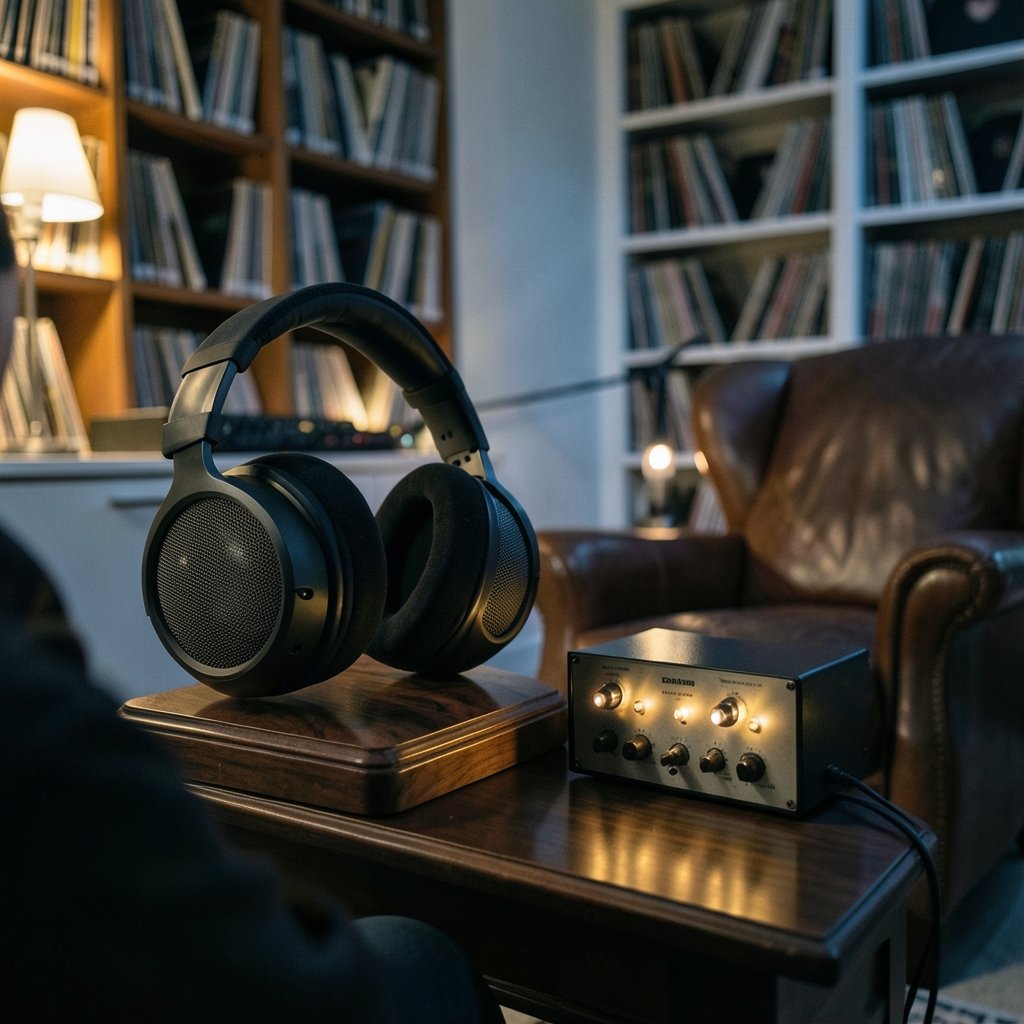
Audiophile headphones can cost more than a used car, yet the global headphone market keeps climbing past tens of billions of dollars a year. That tells you something: people are no longer treating headphones as phone accessories. They are building listening stations at home, the way previous generations built hi-fi racks. The question is no longer whether premium headphones are worth it. It is which ones actually justify the outlay when you are sitting in your own chair, with no commute noise, no office chatter, and nothing to distract you from the recording.
That changes the math. At home, isolation matters less. Soundstage, comfort over long sessions, and how forgiving a headphone is with imperfect recordings matter more. Here is a practical, experience-based look at the flagships worth auditioning, the amplifiers they demand, and the mistakes that catch first-time buyers.
Why Home Listening Rewards a Different Kind of Headphone
On a train, noise cancelling is king. In a quiet room, it is almost irrelevant. Most luxury flagships are open-back designs, meaning the cups are vented so air moves freely behind the driver. The trade-off is simple: you hear the room, and the room hears you. The reward is a wider, more natural sense of space that closed-back designs struggle to match.
This is the single biggest decision in high-end headphone buying, and beginners routinely get it backwards. They buy an open-back flagship expecting to use it everywhere, then discover it leaks sound badly and blocks nothing. If the headphones will live on a desk or a listening chair, open-back is usually the better call. If they need to work in a shared space or near a sleeping partner, look at closed-back models instead. (Headphones)
The second home-specific factor is weight and clamp. A 450-gram planar magnetic headphone feels fine for twenty minutes and punishing after three hours. Long sessions expose every hotspot on the headband and every pressure point around the ears. Comfort is not a luxury feature. It is the feature that determines whether you actually use the thing.
The Flagships Worth Auditioning
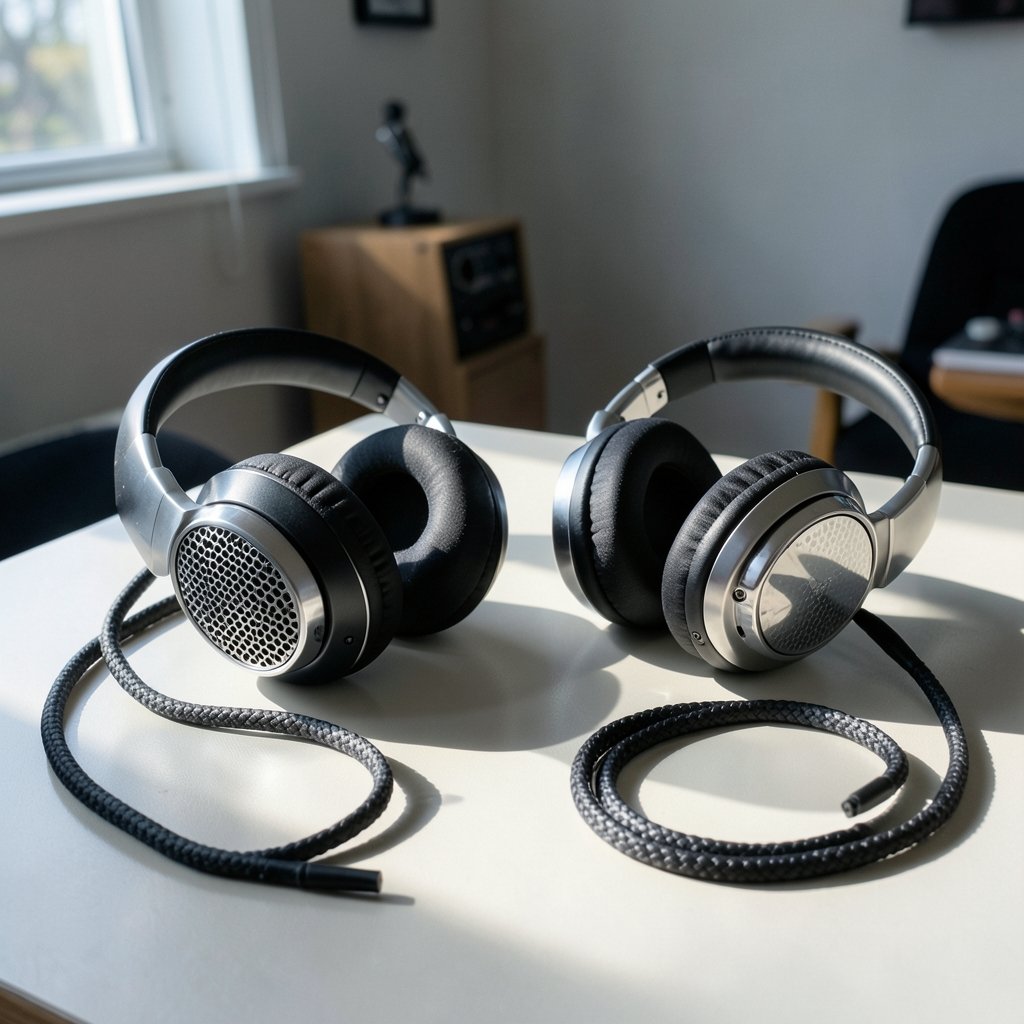
What follows is a working shortlist rather than a ranked scoreboard. Prices and model revisions shift constantly, so treat every figure as a starting point to verify before buying.
| Model | Driver type | Character | Amplifier demand |
|---|---|---|---|
| Sennheiser HD 800 S | Dynamic, open-back | Huge soundstage, neutral-bright | Moderate |
| Focal Utopia | Dynamic (beryllium), open-back | Punchy, dynamic, detailed | Moderate |
| HiFiMan Susvara | Planar magnetic, open-back | Smooth, effortless, airy | Very high |
| Audeze LCD-5 | Planar magnetic, open-back | Fast, neutral, lighter than older LCDs | High |
| Meze Empyrean / Elite | Planar magnetic, open-back | Warm, lush, comfortable | Moderate to high |
| Stax SR-009 / SR-X9000 | Electrostatic | Transparent, quick, ethereal | Dedicated energizer only |
Sennheiser HD 800 S
The HD 800 S, successor to the original HD 800, remains the reference point for classical and acoustic listeners. Its party trick is scale: orchestral recordings feel like a hall rather than a pair of cups. The trade-off is a lean, revealing tonal balance that flatters good recordings and exposes harsh ones. Buyers who want warmth should look elsewhere first.
Focal Utopia
The Utopia’s beryllium driver gives it a liveliness that many planars cannot match. Kick drums hit with real snap, and dynamics swing hard. It is the most “fun” of the traditional flagships without tipping into coloration. A revised version arrived a few years after the original launch, so confirm which generation you are hearing.
HiFiMan Susvara
The Susvara is the headphone that quietly bankrupts people, not because of its price but because of what it demands upstream. Its low sensitivity means many headphone amps simply run out of steam. Owners frequently drive it from speaker amplifiers instead. Get the power right and it sounds effortless and open. Get it wrong and it sounds flat and lifeless, which is why so many demo units in shops are set up badly. (Headphone Reviews)
Audeze LCD-5
Earlier LCD models were famous for two things: rich planar bass and neck strain. The LCD-5 addressed the weight problem while keeping the speed and control that planar drivers do well. It is a strong pick for listeners who want neutrality without the HD 800 S’s brightness.
Meze Empyrean and Elite
Meze’s flagships are the comfort champions of this group. The warm, forgiving tuning divides opinion among measurement-focused listeners, but for long evening sessions with a wide range of recordings, that forgiveness is a feature. The Elite variant refined the formula further.
Stax Electrostatics
Stax’s electrostatic models sit in a separate category entirely. They require a dedicated energizer rather than a normal headphone jack, which means a closed ecosystem and a bigger commitment. The payoff is transparency that few dynamic or planar designs approach. This is a system purchase, not a headphone purchase.
The Amplifier Question Nobody Warns You About
Here is the mistake that trips up more first-time buyers than any other: spending the entire budget on headphones and plugging them into a laptop or a phone dongle.
Sensitivity and impedance determine how much voltage and current a headphone needs. High-sensitivity models run fine from modest sources. Low-sensitivity planars like the Susvara need serious power. Electrostatics need a completely different amplifier type. A useful rule of thumb: budget roughly as much for source and amplification as you would for a mid-tier headphone, and never audition a flagship on gear you do not own.
Practical steps that actually work:
- Audition with your own music and your own amp if possible. Shop demos flatter everything.
- Ask what the demo rig costs. If the answer is several times the headphone price, you are hearing the rig, not the headphone.
- Check the spec sheet for sensitivity and impedance before assuming your current amp will cope.
- Leave headroom. An amplifier running near its limit sounds strained; one with reserve sounds relaxed.
- Consider a dedicated DAC and amp stack rather than a single budget combo box.
The broader shift toward considered, long-term purchases rather than status symbols shows up across the category, and it is covered well in this piece on the new language of modern luxury. Headphone buyers increasingly behave like furniture buyers: they want something that lasts and fits their room.
Comfort, Build, and the Long-Session Test
Luxury headphones live or die on hour three. Weight distribution, pad material, and clamp force matter more than any frequency response chart. Velour and mesh pads breathe better than leather over long sessions. Wide headbands spread load. Replaceable pads and cables are a genuine long-term value signal, because pads compress and cables fail.
A few practical checks before buying:
- Weigh the headphone, literally. Anything above roughly 450 grams deserves a long trial, not a five-minute demo.
- Check pad availability and price. Some flagship pads cost a significant fraction of the headphone itself.
- Confirm cable termination. Many flagships ship with balanced or proprietary connectors that need adapters.
- Test with glasses on if you wear them. Frames break the seal and change the sound.
This is the same principle that governs good interior design: the object has to work in daily life, not just look impressive in a photograph. The thinking in this guide to designing a home that feels personal applies neatly to a listening corner, where the chair, the light, and the gear all shape the experience.
Where Luxury Headphones Fit in a Wider Home Setup
A flagship headphone is rarely the only indulgence in the room. Many buyers pair it with a dedicated listening space, and the same people often invest in watches, audio furniture, and travel. That broader ecosystem of considered spending is explored in Voozon’s luxury hub on watches, brands, and design, which frames premium purchases as long-term companions rather than impulse buys.
If the goal is a complete escape rather than a desk setup, the resort thinking in this feature on luxury resorts for your next getaway translates surprisingly well: atmosphere, quiet, and the removal of distraction are what you are really paying for. A good headphone rig delivers a version of that at home.
Common Mistakes That Cost Real Money
Buying on reviews alone. Frequency response graphs describe sound, not fit. A headphone that measures beautifully but clamps too hard will sit in its case.
Chasing the most expensive option. Price correlates with engineering effort, not with your personal preference. Plenty of listeners prefer a mid-flagship to the top model in the same range.
Ignoring the recording quality problem. Highly revealing headphones make poor recordings sound poor. If most of your library is compressed streaming audio, a slightly forgiving headphone will bring more joy.
Skipping the return window. Buy from sellers with genuine return policies and use the full trial period. Twenty minutes in a shop tells you almost nothing.
Forgetting the used market. Flagship headphones hold up well mechanically, and pads and cables are often replaceable. A careful secondhand purchase can free up budget for proper amplification.
How to Choose in One Evening
Set a total system budget, not a headphone budget. Decide open-back or closed-back based on where the headphones will actually live. Shortlist two or three models based on the character descriptions above. Then audition them on a rig close to your own, with three tracks you know intimately: one acoustic, one bass-heavy, one badly recorded. The headphone that makes all three listenable is your answer. The one that only shines on the audiophile demo track is not.
Conclusion
The best luxury headphones for home listening are not the most expensive ones. They are the pair that matches your room, your recordings, and your amplifier. The HD 800 S rewards classical listeners with scale. The Utopia brings dynamics and snap. The Susvara delivers effortlessness if you feed it properly. The LCD-5 balances neutrality with comfort, the Empyrean and Elite prioritize long-session ease, and Stax offers a transparency that demands a full system commitment. Get the open-versus-closed decision right, budget honestly for amplification, and audition with your own music. Do that, and a flagship headphone becomes one of the few luxury purchases you will still be using a decade later.
Frequently Asked Questions
Are luxury headphones actually worth the money?
For home listening, often yes, but only if the rest of the chain keeps up. A flagship headphone connected to a laptop is a wasted investment. The value appears when the source, amplifier, and headphone are balanced, and when long sessions justify the comfort engineering.
Do I need a dedicated amplifier for high-end headphones?
It depends on sensitivity and impedance. High-sensitivity dynamic models run acceptably from good portable gear. Low-sensitivity planar magnetics and all electrostatic models need dedicated amplification, sometimes substantial power. Always check the spec sheet before assuming your current setup will cope.
What is the difference between open-back and closed-back headphones?
Open-back designs vent the cups, which typically produces a wider, more natural soundstage but leaks sound in both directions. Closed-back designs isolate better and suit shared spaces. For a quiet room at home, open-back is usually the better choice.
Can I use luxury headphones for gaming and movies?
Yes, and open-back flagships are excellent for both because of their soundstage. The caveats are weight over long sessions and the need for a decent amplifier. A boom microphone or separate mic solves the chat problem.
How much should I budget for the whole system?
A sensible starting ratio is roughly equal spending on headphone and electronics, adjusted for how power-hungry the headphone is. Electrostatics and low-sensitivity planars skew the budget heavily toward amplification. Decide the total first, then allocate.
Do flagship headphones hold their value?
Reasonably well compared with many luxury categories, especially well-regarded models with replaceable parts. Pads and cables wear out, but drivers and frames often last many years. Buying used from careful sellers is a legitimate way to fund better amplification.