
Best Hi-Fi Systems for Small Apartments (2026 Guide)
 Abdul WadoodLast updated
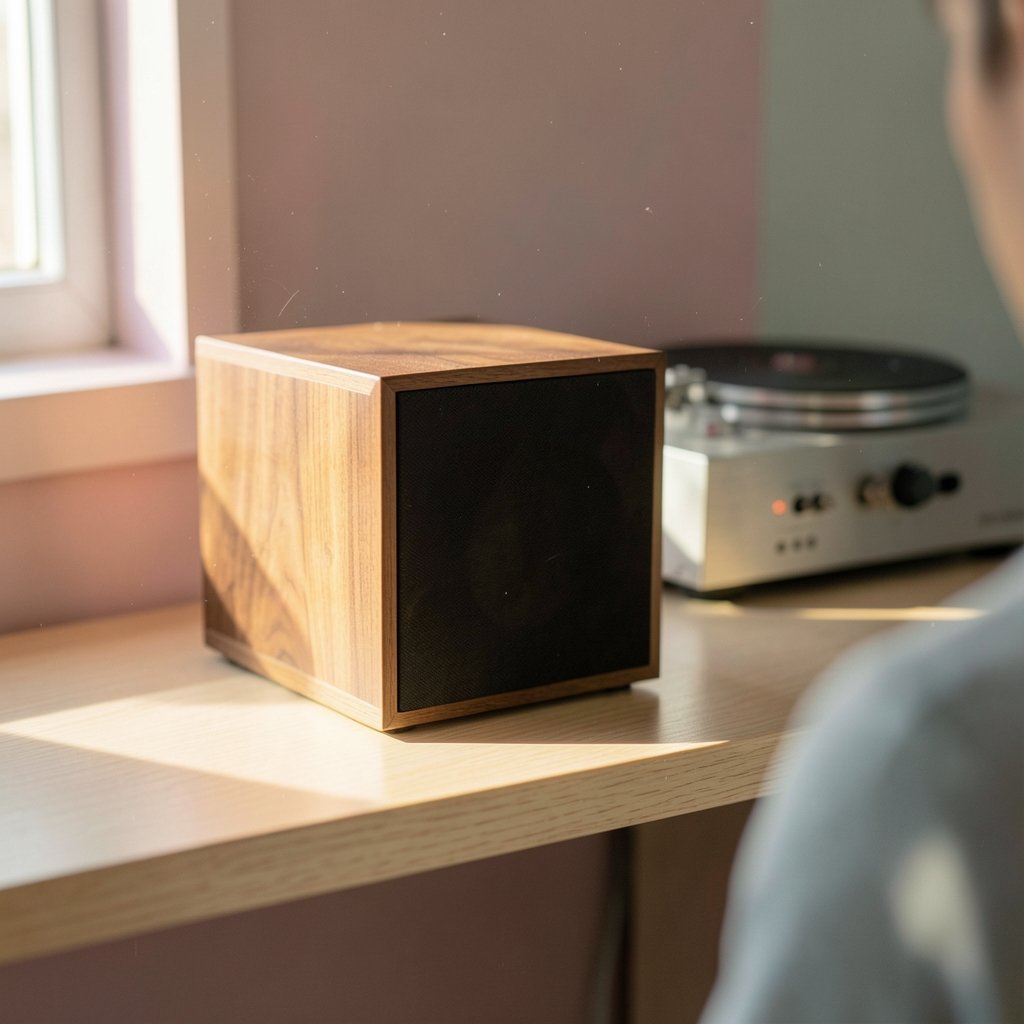
A bookshelf speaker the size of a shoebox can fill a room with sound that feels like a live performance. That single fact explains why the hi-fi market has quietly shifted toward compact systems. Most apartment dwellers do not need towers, subwoofers the size of a mini-fridge, or 200 watts per channel. They need gear that sounds excellent at low volume, fits on a shelf, and does not turn the neighbor’s ceiling into a drum.
This guide covers what actually matters when building a hi-fi system for a small apartment. It looks at speaker types, amplifier choices, streaming, turntables, and the practical details that separate a system you love from one you regret buying.
Why Small Apartments Change the Hi-Fi Equation
Room size shapes sound more than most buyers realize. In a space under about 15 square meters, a pair of large floorstanding speakers often overloads the room with bass. The low frequencies bounce off walls, pile up in corners, and turn music muddy. Small standmount speakers with 5- to 6.5-inch woofers usually integrate better in tight rooms.
Nearfield listening helps too. When you sit close to the speakers, direct sound dominates over reflected sound. That means less room treatment is needed, which matters in a rental where you cannot drill acoustic panels into the walls.
There is also the neighbor factor. Apartment walls transmit bass efficiently. A system with controlled low-end and a good volume range at low levels will keep the peace far better than a bass-heavy setup cranked to compensate for a poor signal.
Start With Speakers, Not Electronics

The single most useful piece of advice: spend the largest share of your budget on speakers. Electronics have become cheap and good. Speakers still determine the character of the sound.
Bookshelf and Standmount Speakers
These are the default choice for apartments. Look for:
- Sealed or front-ported cabinets. Front ports let you place speakers closer to a wall without boomy bass.
- Sensitivity around 85–90 dB. Easy to drive with modest amplifiers.
- Impedance that stays above 4 ohms. Friendlier for small amps.
A practical mistake people make is buying speakers that are too large “for future proofing.” In a small room, that future rarely arrives. Another common error is placing speakers directly on a shelf or desk without isolation. Vibration travels into the furniture and muddies the midrange. Foam pads or small stands cost little and fix a lot.
Should You Add a Subwoofer?
Sometimes. A small sealed subwoofer, run at a low level, can add warmth at low volumes. But in an apartment, a subwoofer is often the first thing to annoy neighbors and the last thing to improve clarity. If the building has thin floors, skip it or choose a model with strong low-volume performance and a night mode.
| Speaker Type | Best For | Watch Out For |
|---|---|---|
| Small bookshelf (5″ woofer) | Rooms under 12 m², desks, shelves | Limited bass extension |
| Larger standmount (6.5″ woofer) | Rooms 12–18 m² | Needs stands and some space from walls |
| Small floorstander | Rooms 18 m²+ with solid walls | Bass overload in tight rooms |
| Active studio monitor | Nearfield desktop listening | Balanced inputs only, less lifestyle-friendly |
Amplifiers and All-in-One Systems
The amplifier market has split into two useful camps for apartment buyers.
Integrated streaming amplifiers combine a DAC, network streamer, and amplification in one box. Brands in this space have made huge strides, and a single unit can replace three components. That saves shelf space and cable clutter, which matters when your living room is also your dining room.
Compact class-D integrated amps deliver plenty of power in small chassis. They run cool, use little electricity, and often include Bluetooth and a phono stage.
A practical tip: check the input list before buying. You want at least one optical input, one USB or coaxial digital input, and a line-level analog input. If you plan to add a turntable, a built-in phono stage saves a box.
Why Streaming Built In Makes Sense in Small Spaces
A streamer built into the amplifier removes a separate device, a power supply, and a pair of cables. It also usually means one remote or one app controls everything. For apartment living, fewer boxes equals fewer problems.
Wireless standards like AirPlay 2, Chromecast built-in, and Spotify Connect appear on many models, but support varies. Check the specific model’s spec sheet rather than assuming.
Turntables in Tight Spaces
Vinyl remains popular, and a turntable can work beautifully in a small apartment. The main issue is isolation.
Shared floors transmit footfall and vibration directly into the stylus. A turntable sitting on a wooden floor near a doorway will skip when someone walks past. Solutions that work in practice: (High fidelity)
- Mount a wall shelf. This decouples the turntable from the floor entirely.
- Use an isolation platform or a thick slab under the turntable.
- Keep the turntable away from speakers and walking paths.
Also consider a turntable with a built-in phono preamp. It reduces the box count and cable runs, both of which are precious in a small flat.
Headphones: The Apartment Insurance Policy
Every apartment hi-fi system should include a serious headphone option. A quality headphone output on the amplifier, or a dedicated headphone amp and open-back headphones, gives you full-resolution listening at 2 a.m. without a single noise complaint.
This is not a compromise. For many listeners, headphones deliver more detail per dollar than speakers, because the room is removed from the equation entirely.
Matching the System to Your Room
Buying decisions should follow room realities. A few practical rules:
- Under 10 m²: small active speakers or a compact all-in-one with bookshelf speakers. Desk-based nearfield listening.
- 10–15 m²: standmount speakers on stands, a compact integrated streaming amp.
- 15–20 m²: larger standmounts or small floorstanders, more amplifier headroom.
Speaker placement matters as much as the gear. Pull speakers slightly away from the front wall, angle them toward the listening position, and keep them symmetrical. A rug and soft furnishings help control reflections. None of this costs money.
If you are unsure which speaker format suits your space, a breakdown of the 1A–4C hair typing system is obviously not relevant here, but the same principle of matching a product category to your specific situation applies. For audio, the equivalent is understanding that a speaker’s size, port design, and sensitivity determine how it behaves in a small room. A useful reference on how categorization systems can mislead buyers is available in this guide to hair types explained and what the 1A–4C system gets wrong — the lesson about not trusting labels over real-world performance carries over to audio specs.
What to Spend Where
A sensible budget split for an apartment system:
| Component | Share of Budget | Notes |
|---|---|---|
| Speakers | 40–50% | Biggest impact on sound |
| Amplifier / streaming unit | 25–35% | One box is fine |
| Source (turntable or streamer) | 10–20% | Only if not built in |
| Cables, stands, isolation | 5–10% | Do not overspend |
Expensive cables rarely improve a small-room system. Stands, isolation pads, and good speaker placement do.
Common Mistakes Apartment Buyers Make
First, buying more speaker than the room needs. Second, ignoring the neighbor issue until the first complaint arrives. Third, setting speakers on the same surface as the turntable. Fourth, skipping room-friendly features such as night mode or compression that reduces the gap between quiet and loud passages, which lets you hear quiet detail at low volumes.
Fifth, and most common: chasing specifications instead of listening. A system with modest numbers that suits your room will beat a technically superior one that fights it.
Conclusion
The best hi-fi system for a small apartment is not the most expensive or the most powerful. It is the one that fits the room, respects the neighbors, and sounds good at the volumes you actually use. Start with well-matched standmount speakers, add a compact streaming amplifier, and treat isolation and placement as part of the purchase rather than an afterthought. Get those basics right and a modest system in a small flat will outperform a costly one crammed into the wrong space.
FAQ
What is the best hi-fi system for a small apartment under 10 square meters?
Small active speakers or a compact all-in-one unit paired with 5-inch bookshelf speakers work best. Nearfield placement on a desk or shelf reduces room influence, and the smaller drivers avoid bass overload in a tight space.
Do I need a subwoofer in an apartment?
Usually not. A subwoofer adds low-end weight but is the most likely component to annoy neighbors through shared walls and floors. If you want one, choose a small sealed model and run it at a low level. (BBC)
How many watts do I need for apartment listening?
Far fewer than most people think. A well-designed amplifier delivering 30–50 watts per channel into 8 ohms is more than enough for bookshelf speakers in a small room. Sensitivity and impedance matter more than raw wattage.
Can I use floorstanding speakers in a small apartment?
Sometimes, but it is risky. Floorstanders extend lower in frequency, and small rooms amplify that bass in unpredictable ways. If you choose them, look for models with controlled bass and place them well away from corners.
How do I stop my turntable from skipping when neighbors walk past?
Isolate it from the floor. A wall-mounted shelf is the most effective fix. An isolation platform or a heavy slab underneath also helps. Keep the turntable off shared wooden floors and away from doorways.
Is a streaming amplifier better than separate components in a small flat?
For most apartment setups, yes. A streaming amplifier combines a DAC, network player, and amplification in one chassis, which saves shelf space, reduces cable clutter, and simplifies control. Separates make sense mainly if you plan to upgrade individual parts over time.
One last consideration: acoustic treatment. You do not need a dedicated listening room or expensive panels. Heavy curtains, a thick rug, bookshelves loaded with books, and soft furniture all absorb reflections that make a small room sound bright and fatiguing. A single bookshelf behind the listening position often does more for clarity than a component upgrade. Treat acoustic comfort as part of the system, not a luxury.
Also think about power and cable management early. Small flats rarely have enough outlets where you need them, and a tangle of cables behind a low sideboard is both a safety issue and a source of hum. A modest power strip with surge protection, plus velcro ties and a few cable clips, keeps things tidy and reliable. None of this is glamorous, but it removes daily friction, and a system you enjoy using every day is worth more than one you admire only on paper.
Buy for the life you actually live. If you mostly listen while cooking, working, or reading, prioritize ease of use and low-volume performance over extra headroom for loud peaks. If you host friends regularly, make sure the system can fill the room without strain. The right apartment hi-fi disappears into daily life and sounds good whenever you press play. That is the real benchmark, and it has nothing to do with price tags or spec sheets. Choose gear that fits your room, your neighbors, and your habits, and you will be listening happily for years.
A final note on setup time: budget an afternoon, not five minutes. Small rooms punish careless placement far more than large ones, so move each speaker a few centimetres at a time and listen. Mark the best spots with tape. This patience costs nothing and often delivers a bigger improvement than any upgrade. When the system is dialled in, stop shopping and start listening. That is the whole point.