
Best Bags for Fashion Week 2026: Street-Smart Picks
 Abdul WadoodLast updated
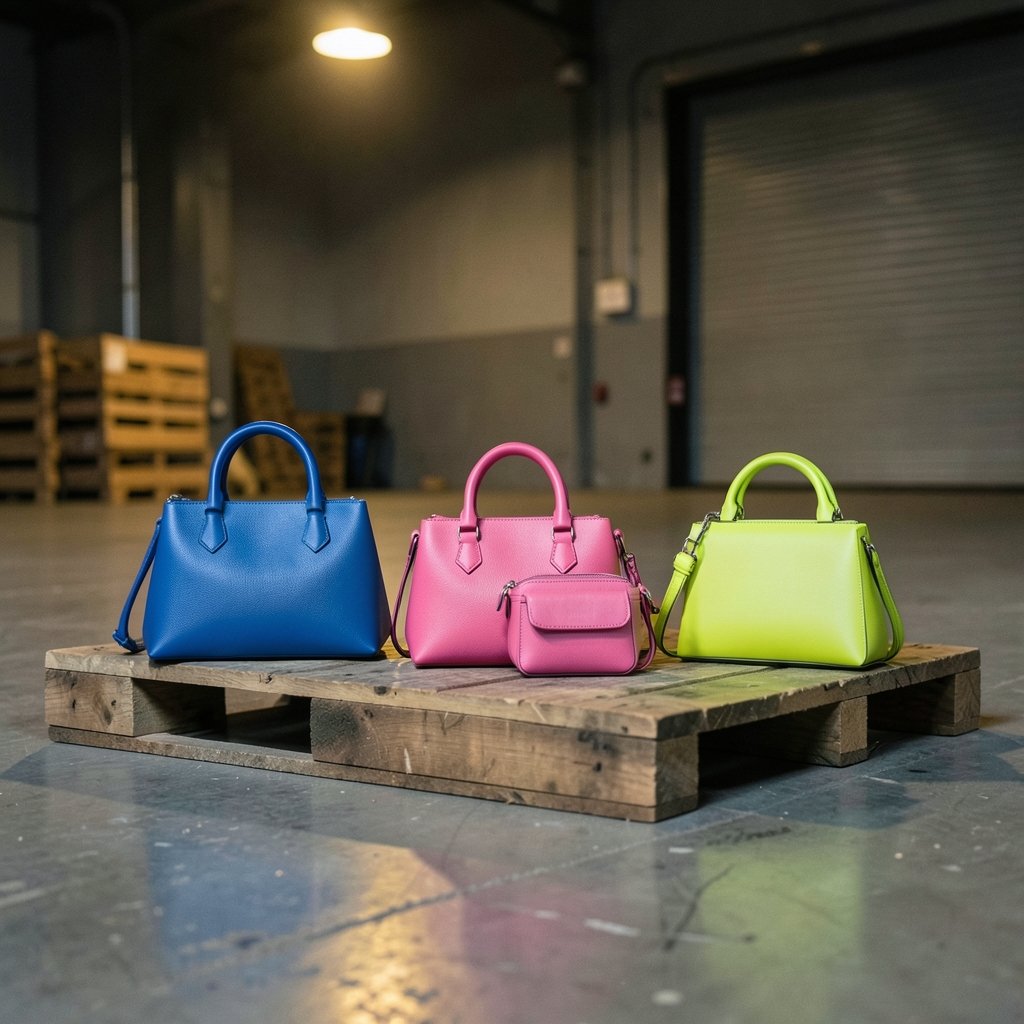
Fashion month moves more people through more cities in a shorter window than almost any other event on the cultural calendar. In a single season, editors, buyers, stylists, and photographers shuttle between New York, London, Milan, and Paris, logging long days that start before sunrise and end well after the last after-party. According to Wikipedia’s overview of the fashion week calendar, the four-city circuit has run in roughly its current form since the 1940s, but the street outside the venues has only become a global stage in the last two decades. That shift matters for one practical reason: the bag on your arm is now part of the show, and it has to survive a 14-hour day while still photographing well. This guide breaks down which bags genuinely earn their place, how to choose one for your own schedule, and the mistakes that leave people sore, disorganized, or caught in the rain with a ruined suede tote.
Why the Bag Matters More Than the Outfit
A striking coat gets one great photo. A bag works all day, every day, for a week straight. It holds your phone, charger, invitations, notebook, water, and the layers you shed between shows. It sits on your lap in a car, gets set on cobblestones, and swings against your hip for miles of walking between venues.
That is why the most photographed attendees tend to carry bags that are useful first and photogenic second. A tiny shoulder bag looks charming in a single frame, but the person carrying it is usually handing their phone to a friend. The people who look composed at 6 p.m. are the ones who planned their carry for the whole day.
Street style coverage makes this visible. When you look through a street style roundup from Milan Fashion Week, notice how often the strongest looks pair a structured, medium-sized bag with an outfit that already has a lot going on. The bag is doing a job, not competing for attention.
The Bag Types That Consistently Work
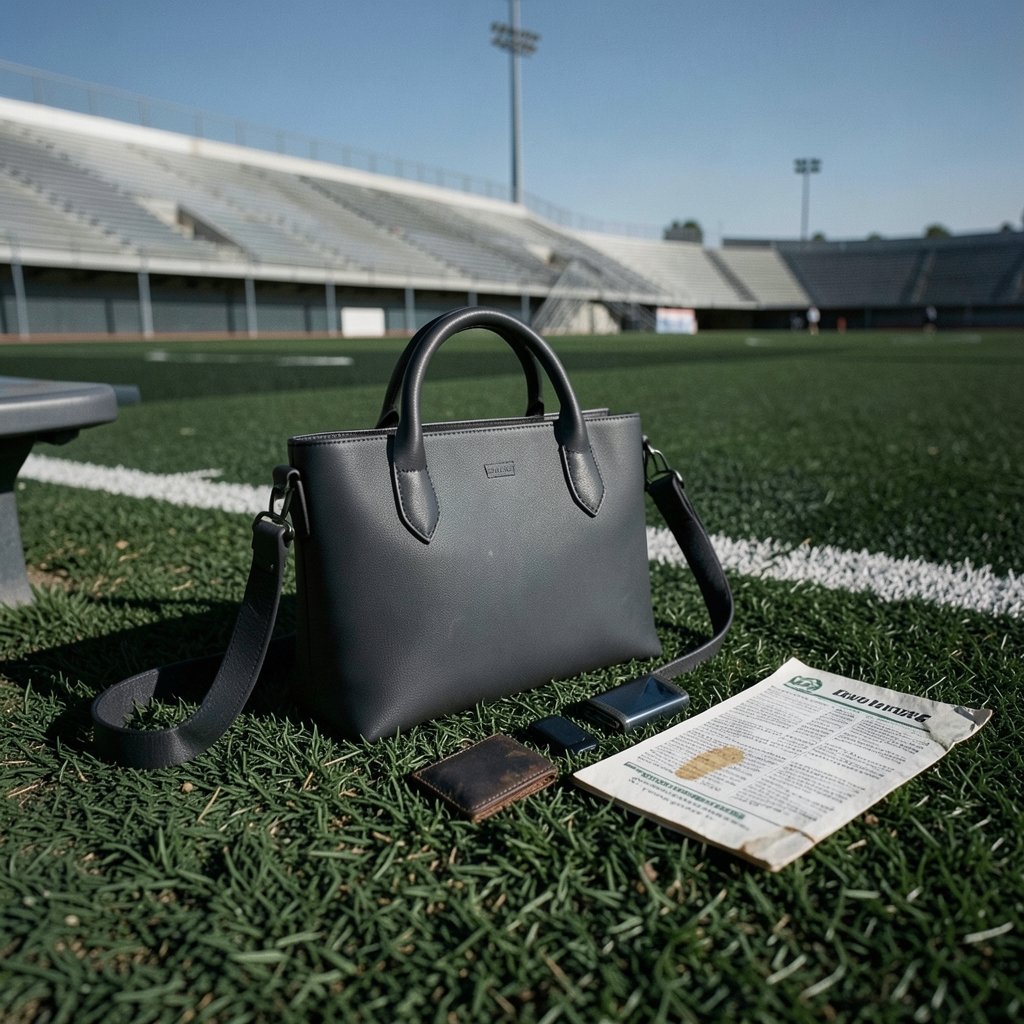
Structured top-handle bags
The top-handle bag is the safest bet in the entire category. It holds its shape in photos, keeps its contents organized, and reads as intentional rather than accidental. A medium size fits a phone, a small wallet, a compact charger, and a folded program.
The trade-off is that it occupies one hand. If you are juggling a camera or a coffee, a top-handle becomes a nuisance. Look for one with a detachable crossbody strap so you can switch modes between the venue and the commute.
Crossbody bags with a real strap
Crossbody carry is the most practical choice for anyone moving between shows on foot. Your hands stay free, the bag sits close to your body in crowds, and the weight distributes across your shoulder rather than one hand.
The mistake people make here is choosing a strap that is too thin. A one-centimeter chain looks delicate, but after four hours it will dig into your shoulder. A strap of at least two centimeters, ideally padded or woven, makes the difference between a bag you forget you are wearing and one you resent by lunchtime.
Medium totes with structure
A tote is the workhorse of fashion week. It swallows a laptop, a change of shoes, and a water bottle. But an unstructured tote turns into a black hole within an hour, and you will spend the week digging for your phone.
Choose a tote with a wide base, reinforced handles, and at least one interior zip pocket. Leather holds structure better than canvas; coated canvas holds up better in rain. If you carry a laptop, check that the handles are stitched through the body of the bag rather than only glued to the top edge.
Belt bags and sling bags
The belt bag has moved well past its athletic origins. Worn across the chest or high on the hip, it keeps essentials secure and leaves both hands free, which is why it shows up constantly in Paris Fashion Week coverage of the most memorable looks. The trick is proportion: a sling that sits too low looks sloppy, and one that is too small cannot hold a modern phone. (Vogue Runway fashion shows)
How to Choose a Bag for Your Own Fashion Week
Most guides assume you are a front-row guest. Most readers are not. They are attending a show as a guest of a brand, working backstage, shooting content, or simply watching from the street. The right bag depends entirely on which of those you are doing.
| Your role | Best bag type | Why it works | What to avoid |
|---|---|---|---|
| Front row or seated guest | Structured top-handle or small shoulder bag | Photographs cleanly, holds essentials | Oversized totes that crowd the seating row |
| Street style photographer | Crossbody or sling with quick access | Hands free for camera, phone secure | Top-handles that need one hand at all times |
| Backstage or production | Medium tote with zip closure | Carries kit, layers, and snacks | Open totes and delicate straps |
| Content creator | Convertible crossbody-to-shoulder | Switches from shooting to seated | Bags with no interior organization |
| Attending on foot all day | Padded crossbody or belt bag | Distributes weight, secure in crowds | Thin chain straps and heavy hardware |
Build your choice around three questions. First, how many hours will you carry it without setting it down? Second, what must fit inside, measured in actual objects rather than vague categories? Third, what will the weather do? A bag that fails any one of those tests will cost you comfort or a repair bill.
Practical Tips That Save Real Trouble
Break in the strap before you travel. New leather straps are stiff and will rub against a coat or bare shoulder. Wear the bag for a full day at home first.
Pack a flat folding tote. A thin nylon tote folded into an interior pocket gives you a backup for samples, gifts, or the shoes you cannot bear to wear home.
Photograph your bag’s contents before you leave. It sounds fussy, but a quick phone photo of what is inside makes it obvious at the end of the day whether you left your charger at a venue.
Check the closure, then the look. A magnetic flap opens when you bend over. A full zip keeps everything in place in a crowd, in a car, and on a cobblestone street.
Test the bag with your coat on. A shoulder strap that fits over a T-shirt may not clear a wool overcoat. Try the combination before the trip.
Carry a rain cover or choose coated canvas. Fashion weeks fall in transitional seasons, and a sudden downpour will mark untreated suede permanently.
Common Mistakes People Make
The most frequent error is buying for the photograph rather than the day. A micro bag that holds only a card case looks great in a single image and forces you to carry your phone in your hand for eight hours.
The second mistake is overloading. A structured tote rated for a laptop will stretch out of shape if you fill it with a camera, two lenses, and a water bottle. Leather does not fully recover from that kind of strain.
The third is ignoring weight before contents. Hardware-heavy bags can weigh over a kilogram empty. Add a laptop and a charger and you are carrying a small suitcase on one shoulder.
The fourth is treating the bag as separate from the outfit. A minimalist wardrobe calls for a bag with clean lines and no competing hardware. That principle is the whole argument behind the return of minimalism in modern fashion, and it applies to accessories as much as clothing.
Matching the Bag to the Season’s Mood
Fashion weeks involve logistics and a read on where style is heading. If the season’s runways lean toward quiet, pared-back dressing, a bag with visible logos will look out of step on the street. If the mood is maximal, a plain black tote will disappear.
The useful habit is to look at what people actually carried rather than what was sent down the runway. A fashion week roundup of the best looks shows the gap between the two, and that gap is where most real-world choices live. Similarly, when minimalism dominates, the bags that photograph best are the ones with a single strong shape and no extra straps or charms, a point explored further in this look at minimalism’s second act. (Fashion week)
One more consideration: models and industry professionals often carry the same bag for an entire season because it has been tested. Looking at how working models move through a week, as profiled in these model profiles and industry features, reveals a pattern of practical, hands-free choices over decorative ones.
Materials and Durability
Leather remains the default for a reason: it holds shape, ages visibly, and can be repaired. Full-grain leather resists scuffing better than corrected-grain, though it also shows marks more honestly. Coated canvas is lighter and water-resistant, which makes it a strong pick for anyone walking between venues in uncertain weather.
Suede is beautiful and a poor choice for a week of cobblestones and rain unless you treat it first with a protective spray and accept that it will change. Nylon is the most practical material of all and the least photogenic, which is why it tends to appear as a second, folded bag rather than the main one.
Hardware matters as much as the body. Cheap plating tarnishes within a season, and thin D-rings pull open under load. Look for solid metal rings and stitching that runs through reinforced tabs rather than straight into the leather.
A Quick Word on Budget
You do not need a designer bag to look right at fashion week. What you need is a bag that fits your day, holds its shape, and does not distract from the rest of what you are wearing. A well-made mid-range leather crossbody will outperform a fragile luxury mini bag on every practical measure.
If you do invest, invest in the strap and the closure. Those two components fail first, and both can usually be replaced by a good cobbler for a fraction of the cost of a new bag.
Conclusion
The best bag for fashion week is not the most photographed one. It is the one that carries what you need, distributes weight sensibly, survives weather and crowds, and still looks deliberate when someone raises a camera. Structured top-handles and padded crossbodies cover most situations; a medium tote handles the working days; a sling bag solves the hands-free problem. Choose by role and by day length rather than by trend, test the bag with your coat and your actual contents before you travel, and skip the thin chain straps and unstructured totes that look lovely and behave badly. Do that, and the bag becomes the one part of the week you never have to think about.
Frequently Asked Questions
What size bag is best for fashion week?
A medium bag, roughly 25 to 30 centimeters wide, covers most needs. It fits a phone, wallet, charger, and small notebook without becoming heavy. Go larger only if you carry a laptop or camera gear, and smaller only if you have a second bag for essentials.
Is a tote or a crossbody better for fashion week?
It depends on your day. A crossbody keeps your hands free and is better for walking between venues and shooting. A tote carries more and suits backstage or production work. Many attendees carry a crossbody and pack a folded tote for extras.
Can I bring a designer bag to fashion week?
Yes, but practicality still wins. A structured designer bag photographs well and holds value, but thin straps and delicate closures cause real problems over a long day. Check the strap width and closure type before committing.
How do I keep my bag safe in crowds?
Wear it crossbody with the closure facing inward, and choose a bag with a full zip rather than an open top or magnetic flap. Keep your phone in an interior pocket rather than an outer slip, especially outside venues where crowds gather.
What material holds up best during fashion week?
Coated canvas and full-grain leather handle weather, crowds, and daily use best. Nylon is the most practical of all but less polished for photographs. Avoid untreated suede unless you protect it in advance and accept visible wear.
How heavy should an empty bag be?
Under one kilogram is a reasonable target for a bag you will carry all day. Hardware-heavy designs can exceed that before you put anything inside, and the weight compounds quickly once you add a laptop, charger, and water bottle.