
How to Become a Male Model: Realistic 2026 Roadmap
 Abdul WadoodLast updated
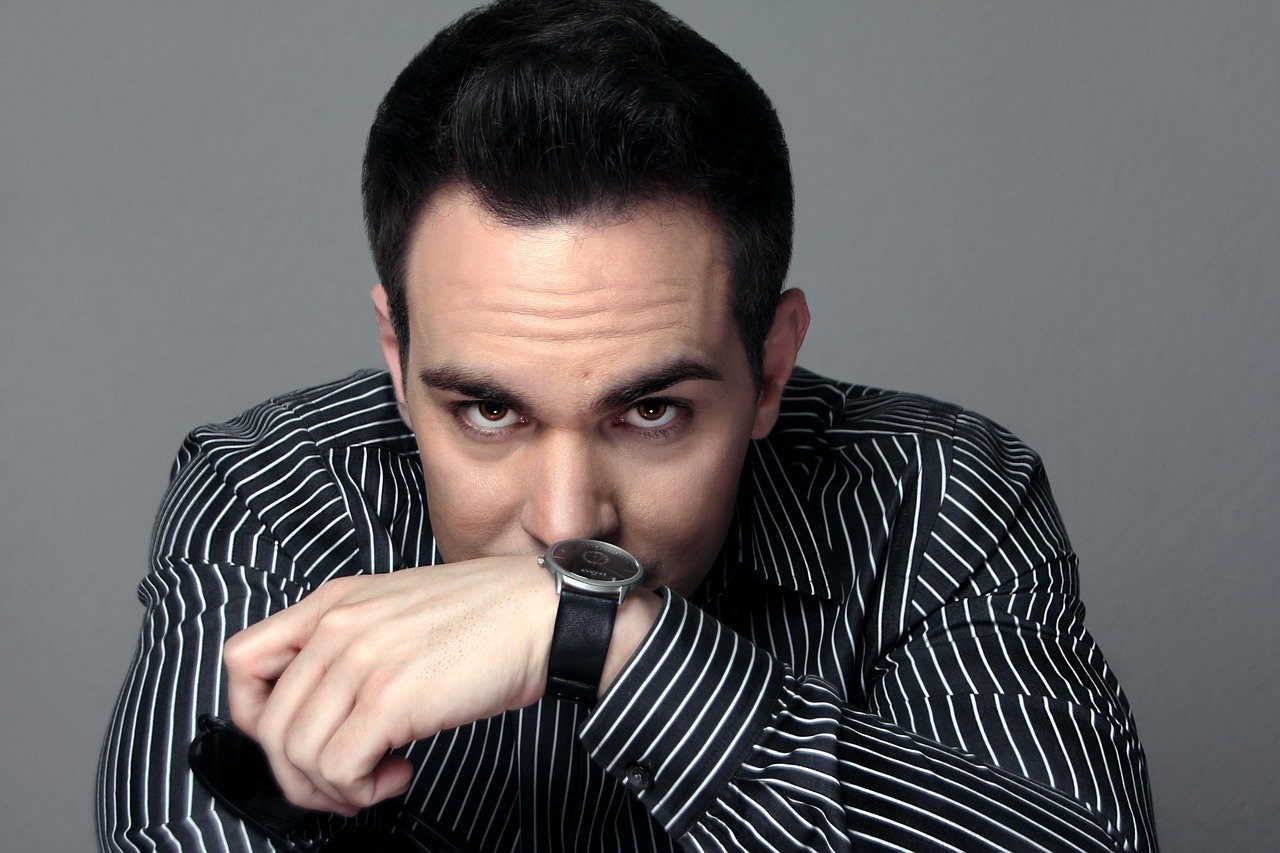
The fashion industry’s image of the male model is misleading. Most working male models are not six-foot-four runway stars; they are commercial faces, catalogue regulars, and fit models who earn steady pay without ever appearing in a magazine editorial. What separates the ones who get booked from the ones who stay hopeful is rarely genetics. It is preparation, the right kind of photos, and knowing which doors to knock on first.
This guide walks through the practical path, from honest self-assessment to signing with an agency, and flags the mistakes that cost beginners the most time and money.
Start With an Honest Self-Assessment
Before anything else, a would-be model needs to understand which category they fit. The industry splits male modeling into a few broad lanes, and each has different physical expectations.
| Category | Typical height range | What clients look for |
|---|---|---|
| High fashion / runway | Roughly 6’0″ to 6’3″ | Lean build, strong bone structure, narrow measurements |
| Commercial | No strict standard | Approachable face, broad age and body range, relatability |
| Fitness and sportswear | Varies | Visible athleticism, defined physique |
| Fit modeling | Varies | Measurements that match a brand’s sample size precisely |
| Parts and character | Varies | Specific features (hands, hair, tattoos, age look) |
Height is the most common filter, but it is not a universal one. Commercial and fit work absorb far more models than runway does, and many agencies represent shorter men exclusively for those markets. A candidate who is 5’8″ and photogenic has a genuine career path; they simply should not spend a year chasing Paris runway castings. The practical tip here is to measure honestly, in bare feet, and compare against real agency submission requirements rather than aspirational blog posts.
The other half of self-assessment is less comfortable: asking whether the camera genuinely responds to you. A friend with a good eye and a phone can answer that in an afternoon far better than a paid “model evaluation” ever will. (Male model)
Build Digitals Before You Build a Portfolio
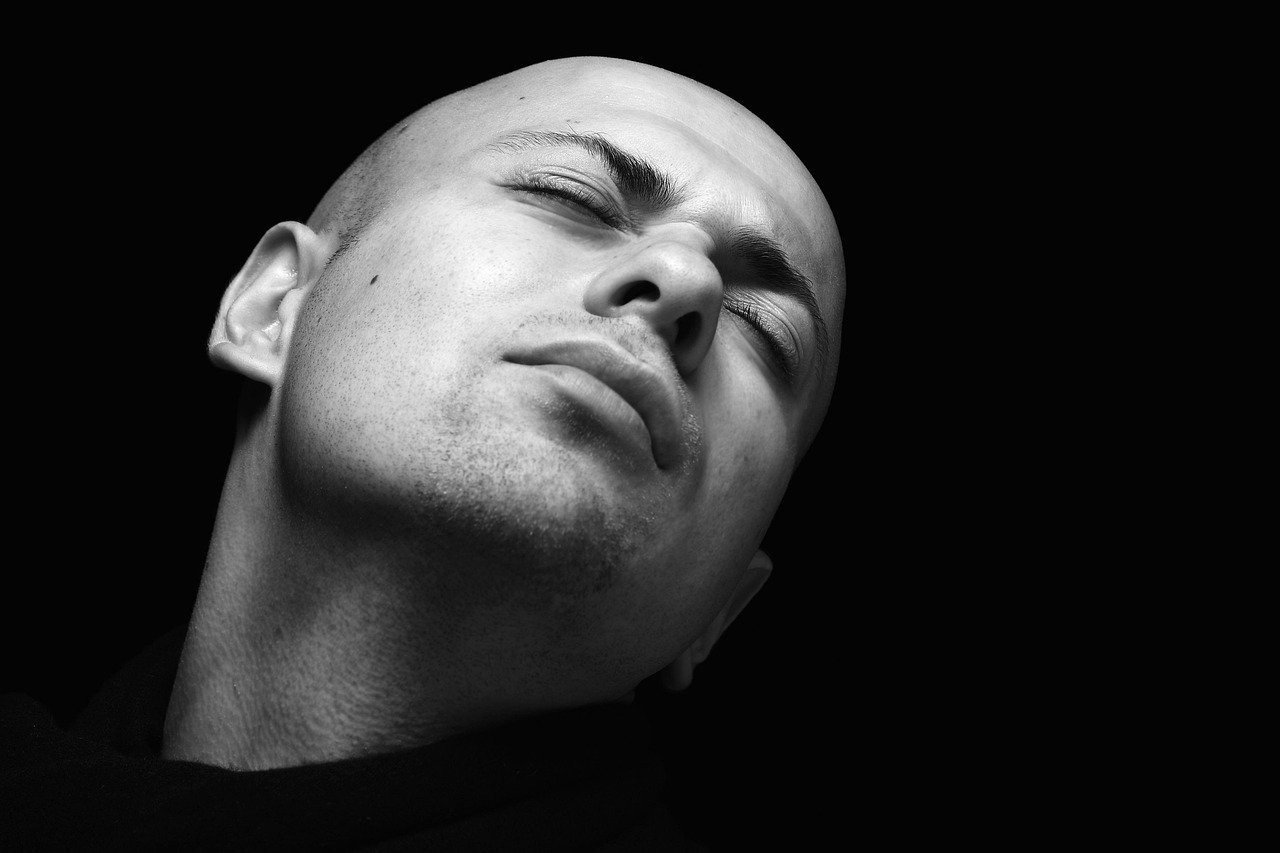
This is where most beginners lose money. The instinct is to hire a photographer and produce a glossy portfolio. Agencies almost never want that at first contact. What they want are digitals — plain, unretouched snapshots taken in natural light, no makeup, simple fitted clothing, and neutral expressions.
A standard digital set includes a headshot front-on, a headshot at a slight angle, a full-body front, a full-body side profile, and a full-body back view. Some agencies also ask for a short video walking toward the camera, which reveals how a person moves.
Why do agencies prefer raw images? Because a polished portfolio hides the things they need to judge: skin, teeth, hairline, posture, and natural bone structure. A heavily retouched book tells them nothing about how a model will look under a client’s lighting. Practical guidance that actually works: shoot digitals on an overcast day near a window, wear a plain white or grey T-shirt and dark jeans, keep hair tidy but unstyled, and resist every urge to filter the results.
Professional photos become relevant later, once an agency asks for them, and often the agency will direct the shoot itself.
Avoid the Pay-to-Play Trap
The single biggest financial mistake in this industry is paying an agency upfront. Reputable representation works on commission: the agency earns a percentage when the model books work, which aligns both parties’ interests. Legitimate agencies may pass through genuine costs — travel, printing, visa paperwork — but they do not charge a fee simply to sign someone.
Warning signs worth taking seriously include:
- A “guaranteed placement” offer contingent on paying for a course or portfolio package
- Pressure to sign on the day of an open call
- Agencies that double as photography studios and require you to use their photographer
- Requests for payment in cash with no contract or receipt
- Online “casting” accounts that charge monthly fees for access to listings
Consumer protection bodies in several countries have published guidance on modeling scams, and the pattern is consistent: the money flows from the hopeful model to the company, never the reverse. A simple rule holds up well in practice — if the first conversation is about what you owe rather than what you can do, walk away.
Assemble the Submission Package
Once digitals exist, the submission itself is a short, professional email. It should include the digital set, accurate measurements (height, chest, waist, inseam, shoe size, and suit size), location, date of birth, and contact details. No long life story, no attachments in obscure formats, no follow-up every two days.
Where should those emails go? A sensible order of attack:
- Local agencies first. They can meet you in person, which builds trust faster than a long-distance submission.
- Agency websites’ official submission pages. These exist for a reason and are read.
- Open calls. Many agencies hold scheduled open casting days; attending one in person is often more effective than email.
- Mother agencies for international markets. A local agency can later place a model with partner agencies abroad.
It helps to research who actually works in your market. Browsing a professional directory such as Voozon Models — profiles, fashion & industry gives a sense of how working models present themselves, what categories exist, and which agencies operate where. Treat it as research, not as a shortcut to being discovered.
Get in Front of the Right People
Submitting online is necessary but slow. The models who progress fastest usually combine digital submissions with physical presence: open calls, graduate fashion shows, student film shoots, and test shoots with photographers building their own books.
Test shoots deserve a note. A test is an unpaid collaboration where a photographer, stylist, and model all shoot for their portfolios. They are a legitimate and standard way to build experience. They are not a substitute for digitals, and they should never involve paying the photographer for “exposure.” A good test shoot produces two or three usable images; a bad one produces a hard sell for prints.
Local markets matter more than beginners expect. Every city with a fashion or retail industry has commercial work: department store catalogues, e-commerce for local brands, regional advertising. These jobs rarely make headlines and often pay reliably. Building a few of them creates a track record that larger agencies recognize.
Treat the Craft as a Job
Modeling looks passive and is not. The skills that separate a bookable model from a photographically pretty one are learnable:
- Movement. Knowing how to walk, turn, and hold a pose without looking stiff. Practicing in a mirror or filming yourself on a phone exposes habits fast.
- Direction-taking. Photographers and clients give instructions under time pressure. Responding quickly and cheerfully is a genuine professional asset.
- Punctuality and preparation. Arriving early, bringing the requested clothing, and knowing your measurements by heart.
- Physical maintenance. Skin care, sleep, hydration, and consistent training. Not extreme dieting, which agencies actively discourage.
- Communication. Answering emails, confirming bookings, and being easy to work with. Reputation travels quickly in a small industry.
A common mistake is treating each shoot as a performance rather than a collaboration. The models clients rebook are rarely the most striking person in the room; they are the ones who made the day run smoothly.
Understand Contracts and Representation
When an agency offers representation, read the contract properly. Key terms to check include the commission rate (commissions commonly sit in a mid-teens to low-twenties percentage range, though this varies by market), the contract length, the territory covered, and any exclusivity clause. A three-year exclusive contract signed by an inexperienced model with no legal advice is a real risk.
Performers’ unions and modeling advocacy groups in several countries publish guidance on representation agreements and have campaigned for clearer protections for models, particularly younger ones. Asking for a copy of the contract to review overnight is a normal, professional request. An agency that refuses is telling you something useful.
FAQ
How tall do you need to be to become a male model?
There is no single requirement. High fashion and runway work typically look for men around 6’0″ to 6’3″, but commercial, fit, and parts modeling have far looser standards and absorb most of the industry’s work. Being shorter narrows the runway path, not the career.
Do you need a professional portfolio to approach an agency?
No. Most agencies want unretouched digitals taken in natural light, not a styled portfolio. Professional images usually come later, often directed by the agency after signing. Spending heavily on a portfolio before any agency has expressed interest is one of the most common beginner mistakes.
Should you ever pay an agency upfront?
Generally, no. Legitimate representation is commission-based, meaning the agency earns when the model earns. Fees demanded before any work is booked, especially alongside “guaranteed” placement promises, are a well-documented warning sign of a scam.
Can you become a male model without an agency?
It is possible, particularly for commercial and e-commerce work, and some models build direct relationships with brands. In practice, agencies handle casting access, contract negotiation, and invoicing, which is difficult to replicate alone. Most working models are represented.
How long does it take to get signed?
It varies enormously. Some models hear back within weeks of a strong submission; others spend a year attending open calls and building test shoots. A realistic approach is to submit to multiple agencies, keep improving digitals, and gain experience through legitimate test shoots in the meantime. (How to Gain Weight Safely)
What should you wear to an agency open call?
Simple, fitted clothing that shows your build: a plain T-shirt or fitted shirt, dark jeans or chinos, and clean shoes. Avoid logos, heavy styling, and makeup. The point is to let the agency see your natural proportions and face clearly.
Conclusion
Becoming a male model is less about being discovered and more about being prepared when the opportunity appears. The path that works is unglamorous: measure yourself honestly, shoot clean digitals, research legitimate agencies, submit professionally, and treat every test shoot and small booking as a step toward a track record. The models who last are the ones who understand the business as well as the camera — who read contracts, protect their money, and show up early, ready to work. Start with the digitals this week. Everything else follows from there.
The industry also rewards patience with a longer horizon than most beginners expect. Careers rarely launch in a season; steady commercial bookings, a growing list of repeat clients, and a reputation for reliability compound over years. Keep your digitals current — agencies expect updates whenever your hair, weight, or measurements change, and an outdated set wastes everyone’s time. Save copies of every submission and note when and where you sent it, so follow-ups are informed rather than repetitive. If a market isn’t responding, ask for honest feedback; some agencies will give it, and it often points to a fixable issue like posture, grooming, or unclear photos. Finally, protect your wellbeing. Rejection is the default in casting, not a verdict on your worth, and the models who endure treat each “no” as data rather than defeat. Stay curious, stay professional, and let the work accumulate.
Keep a simple record of each shoot too — the client, the date, usage terms, and whether payment arrived — because disputes over image use and late invoices are common and documentation settles them quickly. Build a modest emergency fund from early bookings rather than assuming the work is steady; commercial seasons ebb and flow. And stay reachable: a professional email address, a voicemail box that isn’t full, and replies within a day mark you as someone clients can rely on. None of this is glamorous, but it is exactly what separates a brief attempt from a durable career.