
Back Tattoos for Women: Placement, Pain & Design Guide
 Abdul WadoodLast updated
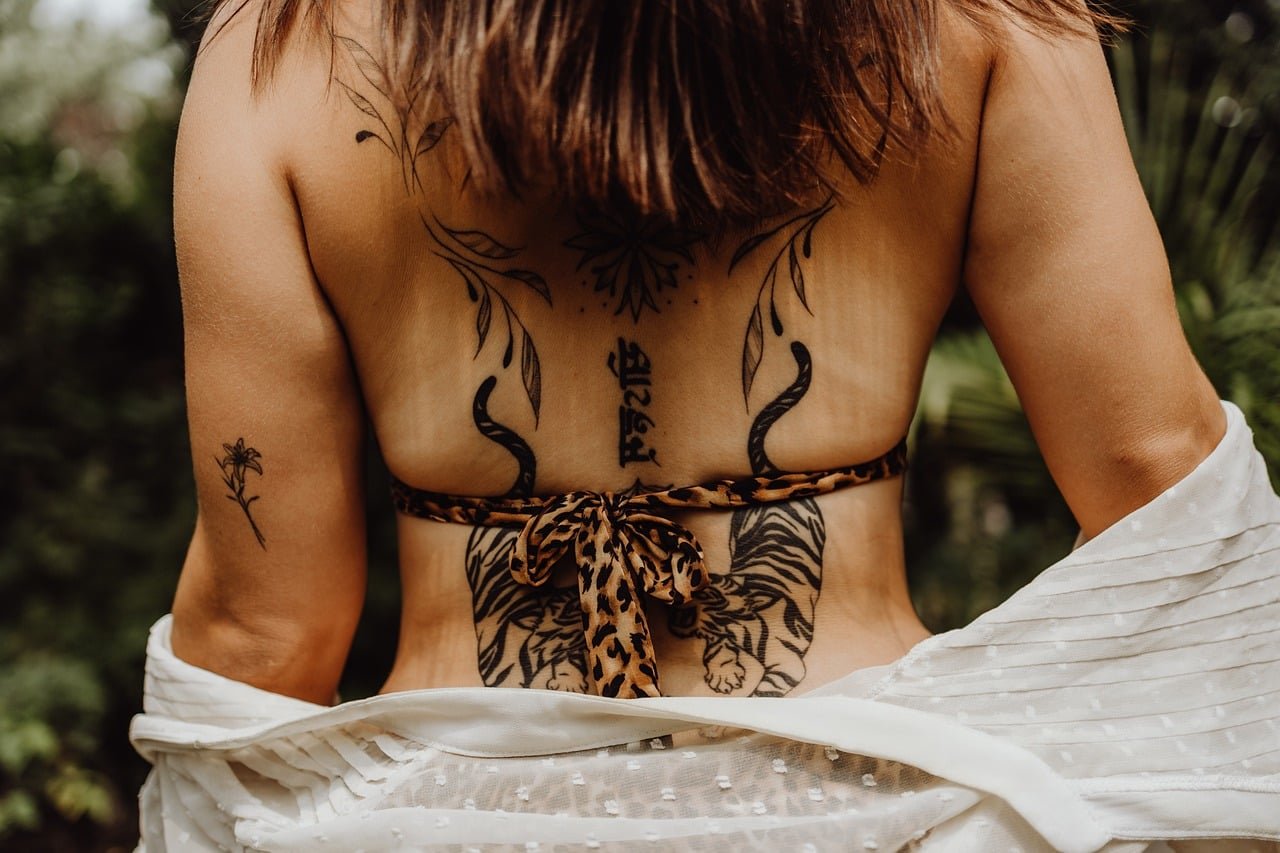
Roughly one in three American adults now has at least one tattoo, and women have been catching up to men fast, especially among younger age groups. Back tattoos sit right at the center of that shift. The back offers the largest flat canvas on the body, it hides easily under clothing, and it gives a design room to breathe in a way a wrist or ankle never can. That combination makes it one of the most requested placements in studios today.
But a back piece is also a bigger commitment than most first-timers realize. It hurts more in some spots than others, it costs more, and it demands aftercare that many people get wrong. This guide walks through what actually matters, from choosing a spot on the spine to the last day of peeling.
Why the Back Became a Favorite Canvas
Ask any experienced artist and they’ll tell you the same thing: the back is forgiving. The skin is broad, relatively uniform, and rarely exposed to sun the way forearms and shoulders are. That matters for longevity. UV exposure is one of the main reasons tattoos blur and fade over time, so a design tucked under a shirt keeps its edges crisp for years longer than one on open skin.
The back also allows for scale. A small line-art piece on the shoulder blade works, but so does a full spine-to-hip composition that would be impossible anywhere else. For women who want something meaningful and large, or who plan to add to a piece over several sessions, the back is the natural home. Many people treat it as a long-term project rather than a single appointment, building outward from a central motif.
There’s a practical angle too. Visibility control is a real factor. A back tattoo can be shown off in a backless dress or a tank top, then covered completely for a job interview or a family dinner. Few placements offer that kind of flexibility. (Tattoo)
Choosing Your Spot: A Placement Comparison
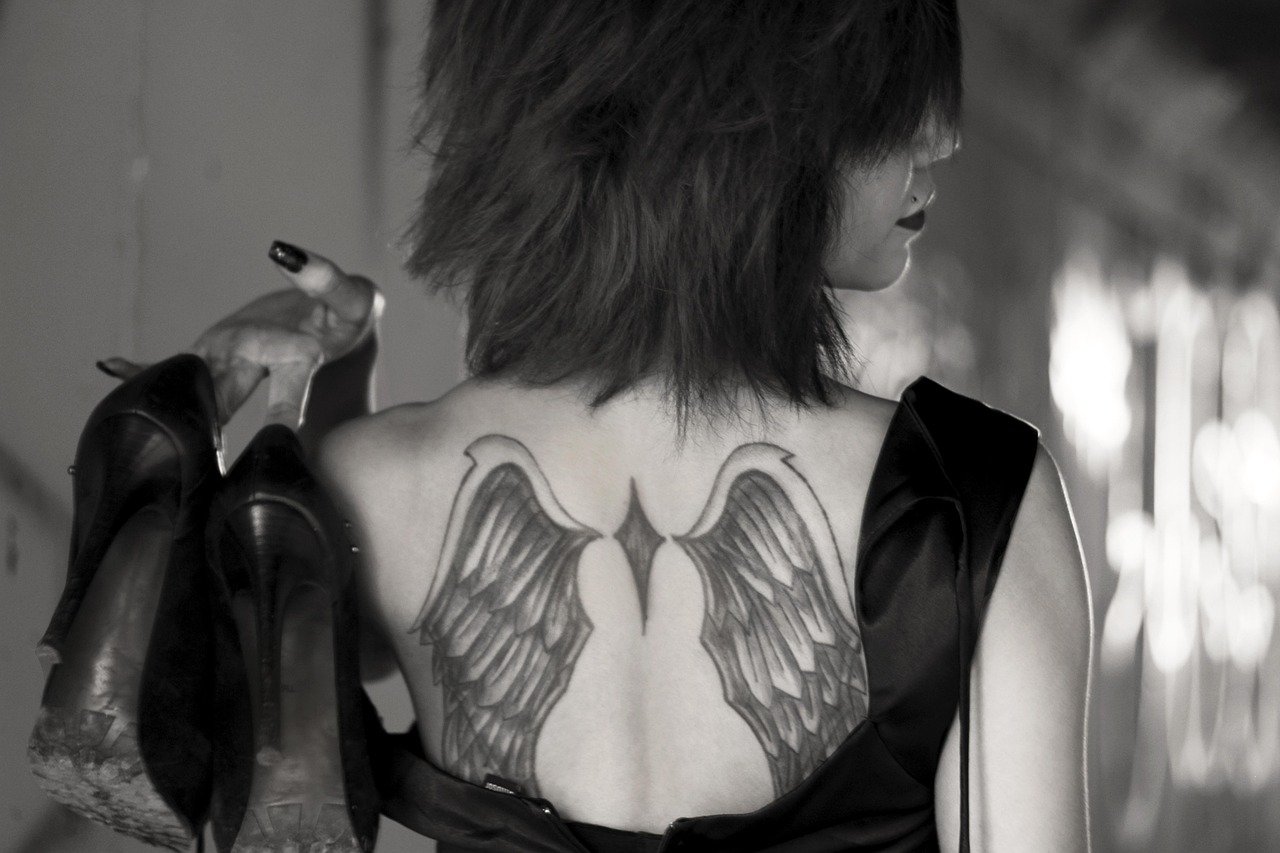
Not all back real estate is created equal. Where you put the design changes the pain level, the healing experience, and how the piece ages.
| Placement | Pain Level | Best For | Watch Out For |
|---|---|---|---|
| Upper back / shoulder blade | Low to moderate | First tattoos, medium designs | Bra straps and friction during healing |
| Spine | High | Vertical, symmetrical pieces | Bone-adjacent pain, slower healing |
| Mid-back | Moderate | Large centerpieces, mandalas | Hard to reach for aftercare |
| Lower back | Moderate to high | Small to medium designs | Rubbing from waistbands |
| Full back piece | High, multi-session | Large-scale artwork | Cost, time, and commitment |
The shoulder blade is the classic starter spot. It’s fleshy enough to take ink comfortably, and the curve suits floral, geometric, and script designs. The spine is the opposite: dramatic and striking, but the pain is sharper because the needle works close to bone and nerve endings. Lower back pieces remain popular, though waistbands and tight clothing can irritate fresh ink.
A word of hard-earned advice: the design should follow the body’s natural lines, not fight them. A vertical piece that runs with the spine looks intentional. A horizontal band slapped across the shoulder blades can look like it’s sliding off. Good artists plan placement with the body in motion, rather than only flat on a stencil table.
Design Styles That Work Well on the Back
The back rewards certain styles more than others. Large, flowing, and symmetrical designs tend to look best because the canvas itself is broad and balanced.
Botanical and floral work is perennially popular. Vines, ferns, and wildflowers can wrap along the spine or fan across the shoulder blades, and the organic shapes hide small imperfections in healing. Geometric and mandala designs suit the back’s symmetry, especially centered on the spine or between the shoulder blades.
Fine-line and single-needle styles have surged in popularity, and they can work beautifully on the upper back. The catch is longevity. Very fine lines can soften faster than bold ones, particularly on areas that stretch or see friction. If a delicate design is the goal, the upper back is a safer bet than the lower back, which moves and rubs more.
Script and lettering remains common, often running vertically down the spine or horizontally across the top of the shoulders. Keep in mind that small, tightly packed letters tend to blur together over the years. Larger lettering with breathing room ages far better.
For anyone building a larger composition, Japanese-inspired imagery, blackwork, and illustrative realism all scale up well. The back can carry detail that would turn to mush on a smaller limb. If you’re also managing texture or curl elsewhere, some of the same principles from a science-backed routine for fixing frizzy hair apply to tattoo aftercare: gentle handling, patience, and avoiding harsh products during recovery.
How Much Does It Hurt?
Honesty helps here. The back is a mixed bag. The upper back and shoulder blades are among the more tolerable areas, mostly muscle and fat over the shoulder joint. The spine, the ribs along the sides, and the lower back near the tailbone are considerably sharper.
Most people describe the sensation as a hot scratching or vibrating burn. Sessions over two hours get harder as adrenaline fades and the skin becomes inflamed. Artists often break large pieces into multiple sittings for exactly this reason.
A few things genuinely reduce the experience:
- Sleep well and eat a real meal beforehand. Low blood sugar makes pain feel worse.
- Skip alcohol for 24 hours. It thins the blood and increases bleeding.
- Bring water and a snack for longer sessions.
- Ask about numbing options, but know that some creams change skin texture and can affect ink absorption.
- Breathe steadily. Holding your breath tightens the muscles the artist is working over.
Pain tolerance is personal, and there’s no prize for gritting through a session you’re not ready for. Splitting a large piece into three or four appointments is normal and often produces better results, because the artist isn’t rushing a tired client.
Cost, Time, and Realistic Expectations
Back tattoos are rarely cheap. Pricing depends on the artist’s hourly rate, the complexity of the design, and the size. Small upper-back pieces often start in the low hundreds, while a full back piece can run into the thousands across many sessions. Custom work costs more than flash, and for good reason: the artist is designing something no one else will have.
Time matters as much as money. A palm-sized design might take an hour. A full back piece can take 15 to 30 hours spread over months, with healing breaks in between. Planning for that timeline upfront prevents a lot of frustration. It also means the artist can work in stages, letting each section heal before moving on.
One mistake people make is booking a large piece with an artist whose portfolio shows only small work. Scale is a skill. Look specifically for healed photos of back pieces, rather than only fresh ones. Fresh tattoos always look sharp; healed ones reveal how the artist handles linework and saturation.
Aftercare: Where Most Problems Happen
The back is genuinely awkward to care for. You can’t easily see it, reaching it is hard, and clothing rubs against it all day. That combination makes aftercare the weak point for most back tattoos.
Follow the artist’s instructions first, always. Beyond that, a few practical habits make a real difference:
- Wash gently with fragrance-free soap and lukewarm water, twice daily for the first week.
- Pat dry with a clean paper towel rather than rubbing with a bath towel.
- Moisturize lightly with a thin layer of recommended ointment or unscented lotion. Too much product suffocates the skin.
- Avoid soaking in baths, pools, or hot tubs for at least two weeks.
- Skip tight straps and rough fabrics over the area while it heals.
- Don’t pick or scratch during peeling, even when it itches badly.
Ask a friend or partner to check the healing progress if you can’t see the area well. Redness that spreads, warmth, pus, or fever are signs to contact a doctor rather than wait it out. Most tattoos heal without issue, but the back is easy to neglect simply because it’s out of sight.
Sun protection matters for the long haul. Once healed, sunscreen on exposed back skin keeps colors vivid and lines sharp. If you want a broader look at how evidence-based care protects skin and hair over time, this guide to hair growth approaches that actually work follows a similar principle: consistency beats quick fixes.
Common Mistakes to Avoid
A few missteps come up again and again.
Choosing a design for the moment rather than the decade. Trends shift. A design that feels bold now may feel dated in ten years. Pick something with personal weight, or choose imagery you’ll still love when the style moves on.
Underestimating the healing window. Back tattoos take two to four weeks to surface-heal and longer to fully settle. Booking a beach vacation two weeks after a session is a recipe for faded ink and irritation.
Skipping the consultation. A good artist will map the design onto your back, discuss placement, and adjust for your body’s proportions. Rushing straight to the chair usually means a design that doesn’t sit quite right.
Ignoring the artist’s style. Every artist has a visual signature. Booking a fine-line specialist for a bold traditional piece, or vice versa, rarely ends well. Match the artist to the style, not the other way around.
Conclusion
Back tattoos for women have moved well past the old stereotypes. The placement now attracts everyone from first-timers wanting a small shoulder-blade piece to collectors building full compositions over years. What makes the back so appealing is the same thing that makes it demanding: it’s a big, visible-when-you-want-it canvas that asks for real planning, honest conversations with your artist, and disciplined aftercare.
Get those three things right, and a back piece becomes one of the most rewarding tattoos a person can own. Get them wrong, and you’ll spend years looking at a design that never quite settled. Take the consultation seriously, budget for multiple sessions, and treat healing as part of the process rather than an afterthought. The results are worth the patience.
Frequently Asked Questions
How painful is a back tattoo compared to other spots?
It depends on where on the back. The upper back and shoulder blades are generally low to moderate on the pain scale, similar to the outer arm. The spine, ribs, and lower back near the tailbone are much sharper. Most people find the first hour manageable and the third hour harder as inflammation builds.
How long does a back tattoo take to heal?
Surface healing usually takes two to four weeks, with peeling starting around week one. Deeper layers take a few months to fully settle. Large pieces done in stages need healing breaks of several weeks between sessions so the skin can recover properly.
Can I get a back tattoo if I have sensitive skin?
Often yes, but talk to your artist and, if you have known skin conditions like eczema or psoriasis, check with a dermatologist first. Patch testing ink isn’t standard practice, but artists can discuss hypoallergenic options and avoid areas with active flare-ups.
How much should I expect to pay for a back tattoo?
Costs vary widely by artist, city, size, and complexity. Small upper-back designs often start in the low hundreds, while full back pieces can reach several thousand dollars across multiple sessions. Custom designs cost more than pre-drawn flash, and hourly rates vary significantly by region.
Is it okay to exercise after getting a back tattoo?
Light movement is usually fine after the first day or two, but avoid heavy sweating, stretching, and friction on the area for at least a week. Gym equipment and tight athletic wear can irritate fresh ink. Showering is fine; swimming and soaking are not until healing is complete.
Will a back tattoo fade faster than one on my arm?
Usually the opposite. The back sees far less sun exposure than arms, shoulders, or hands, and UV light is a leading cause of fading. With basic sun protection once healed, a back piece often holds its color and line quality longer than more exposed placements.