
Ashley Graham Style: Red-Carpet Rules & Body Confidence
 Abdul WadoodLast updated
In 2016, Ashley Graham became the first size-16 model to appear on the cover of the Sports Illustrated Swimsuit Issue. That single image did more than sell magazines. It pushed a question into the mainstream: what happens when a body that fashion once ignored becomes the body that fashion dresses? A decade later, the answer is a distinctive style language built on body confidence, bold tailoring, and a refusal to hide curves. Graham’s look goes beyond “plus-size fashion.” It is a masterclass in proportion, color, and self-knowledge that any reader can study and borrow from.
Why Ashley Graham’s Style Matters Beyond the Red Carpet
Graham’s rise coincided with a real shift in how the industry talks about size. Before her, plus-size models were often styled to minimize and conceal. Graham did the opposite. She wore plunging necklines, body-skimming knits, and high-slit gowns. She treated her body as a given rather than a problem to solve. That mindset is the foundation of everything else in her wardrobe, and it is the part most worth copying.
Her influence also came through product lines rather than just magazine covers. She worked with Swimsuits For All on swimwear and with Addition Elle on lingerie, putting her name on clothes designed for bodies like hers. That matters for readers because it shows a working method: find silhouettes that fit, then repeat them in different fabrics and colors. Style, in Graham’s case, is a system, not a lucky accident.
The Core Elements of the Ashley Graham Look
Strip away the celebrity styling and a handful of repeatable principles remain. These are the moves that show up again and again in her public appearances.
| Element | How Graham Uses It | Why It Works |
|---|---|---|
| Structure | Tailored blazers, corset-style tops, defined waists | Creates shape and signals intention |
| Skin with control | Plunging necklines paired with covered legs, or vice versa | Balances exposure so the look reads deliberate |
| Bold color | Reds, jewel tones, and monochrome palettes | Draws the eye to the whole silhouette |
| High shine | Satin, sequins, metallic fabrics | Adds drama without adding volume |
| Strong shoes | Pointed pumps, strappy heels, boots | Lengthens the leg line |
The pattern is consistent: one focal point, clean lines everywhere else. That is a rule that works at any budget and any size.
Body Confidence as a Styling Tool
Graham has spoken often about body image, and she published a memoir, A New Model, in 2017 that addressed the subject directly. Whatever a reader thinks of celebrity memoirs, the styling lesson is practical. Confidence changes posture, and posture changes how clothes hang. A person who stands tall in a fitted dress looks different from a person apologizing for the same dress.
There is a concrete technique buried in this. Graham rarely wears clothes that seem to fight her body. Nothing pulls, nothing gapes, nothing needs constant adjustment. That is not luck. It is fit. When a garment fits properly at the shoulders and the waist, the wearer stops thinking about it, and that ease reads as confidence to everyone else in the room.
Tailoring: The Backbone of the Graham Wardrobe
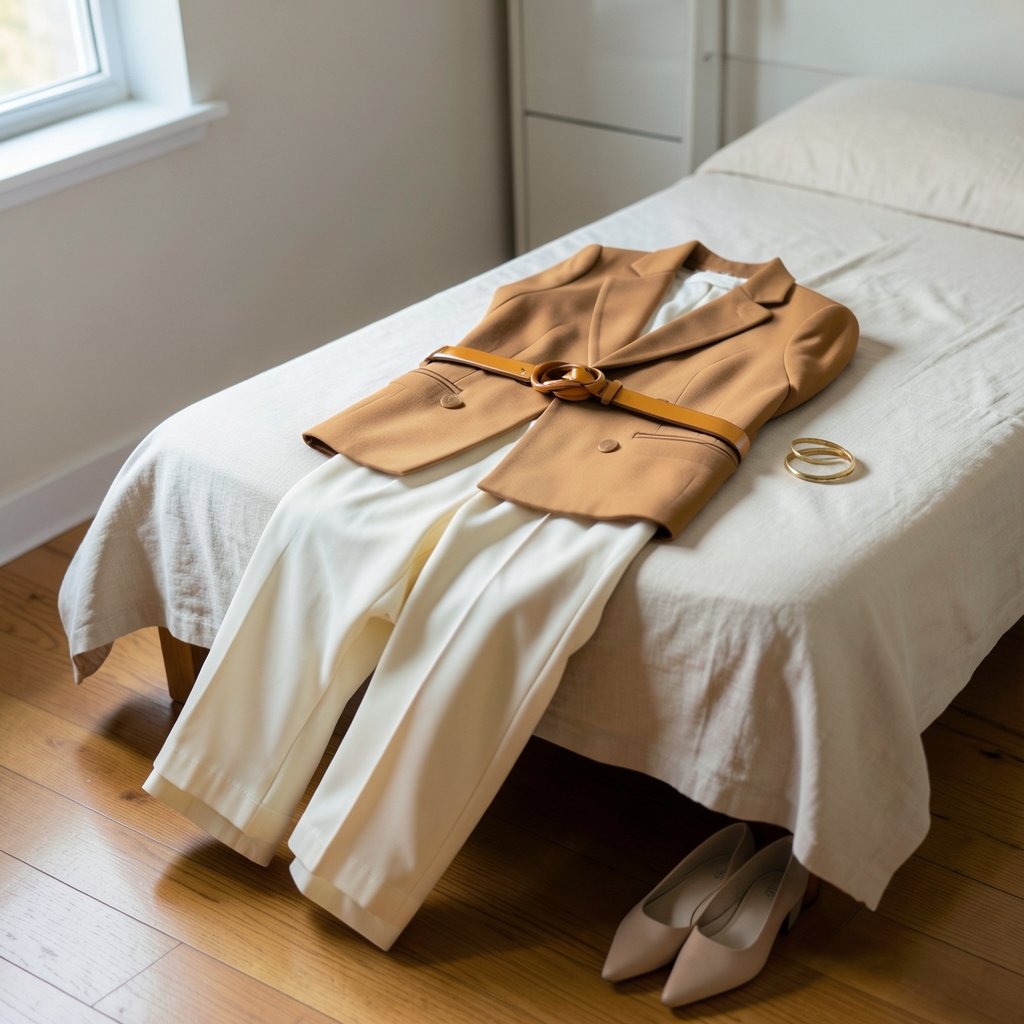
If one element defines Graham’s style more than any other, it is tailoring. She favors sharp blazers, defined waists, and clean shoulder lines. For readers trying to apply this, the practical steps matter more than the inspiration photos.
- Start with the shoulder seam. A blazer that sits correctly at the shoulder can be taken in at the waist. One that is too narrow cannot be fixed.
- Choose single-breasted over double-breasted. Fewer buttons and a cleaner line keep the torso looking long.
- Ask for a waist nip. A tailor can remove an inch or two at the back for a surprisingly small cost.
- Pair with a column underneath. A slim knit or slip dress under a structured jacket creates contrast between soft and sharp.
- Keep hems deliberate. Cropped trousers and midi skirts both work, but the length should look chosen, not accidental.
The most common mistake here is buying a blazer that fits the bust and ignoring the shoulders. That single error makes even expensive tailoring look borrowed. Graham’s stylists clearly do not make it.
Color, Texture, and Print Choices
Graham’s palette leans toward saturated color: deep reds, emerald greens, and rich blues. Monochrome dressing is another frequent choice, and it is one of the most flattering tricks available. A single color from shoulder to hem creates an unbroken vertical line, which reads as height and length.
Texture does the work that pattern often cannot. Satin, velvet, leather, and sequins catch light and add depth without visual noise. When Graham does wear print, it tends to be large-scale and confident rather than small and busy. Readers can borrow this directly: pick one strong texture per outfit, keep the rest matte, and let the fabric be the statement.
For those building a wardrobe around movement and shape, the same logic applies to hair and beauty, which frame every look. A polished finish at the top of the outfit completes the silhouette. Guides on wavy hair care and styling and on choosing a hairstyle that suits your face and routine are useful companions to any outfit planning, because the head-to-toe effect is what people actually see.
Swimwear and Lingerie: Where the Style Began
Graham’s career moved through swim and lingerie before it reached the red carpet, and those categories shaped her approach. Swimsuits For All collaborations and Addition Elle lingerie lines gave her direct experience with construction: where support comes from, how a strap should sit, why a seam placement matters. That knowledge shows in her public wardrobe.
Her swimwear choices tend to feature high-waisted bottoms, structured cups, and bold color blocking. Her lingerie work leaned on lace, mesh panels, and clean lines rather than fussy detail. The transferable rule is simple. Support first, decoration second. A garment that holds its shape properly looks more expensive and more intentional than one that merely sparkles.
Red Carpet Lessons Anyone Can Use
Graham’s eveningwear follows a recognizable formula. She often chooses a gown with a strong neckline and a defined waist, then keeps accessories minimal. Hair is usually sleek or swept back, makeup is polished but not heavy, and jewelry is chosen sparingly so the dress stays the focus.
Readers planning a formal event can apply the same structure without a stylist:
- Pick one dramatic element. A slit, a plunge, a bare back, or a bold color. Not all four.
- Get the waist right. Whether through seaming, a belt, or a wrap, the waist should be visible.
- Test the walk. Sit, stand, and climb stairs in the dress before the event. Movement reveals fit problems that mirrors hide.
- Choose shoes you can wear for hours. A confident walk beats a taller heel every time.
The biggest mistake people make with formalwear is over-accessorizing. Graham’s red-carpet looks are memorable because they are edited, not because they are busy.
How to Adapt the Look for Real Life
Most readers are not walking a red carpet, and the good news is that Graham’s principles translate easily to daily dressing. The table below shows how.
| Occasion | Graham-Inspired Move | Everyday Version |
|---|---|---|
| Office | Structured blazer with defined waist | Single-breasted blazer over a column dress |
| Weekend | Monochrome ease | One-tone knit set in a rich color |
| Date night | One focal point | Plunging top with covered bottom, or reverse |
| Event | Clean column gown | Bias-cut midi in a saturated shade |
Notice that none of these require a designer budget. They require proportion awareness and a willingness to tailor. A $60 blazer altered to fit will outperform a $300 blazer worn as-is almost every time.
Common Mistakes When Copying Celebrity Style
Celebrity style copying usually fails for predictable reasons, and Graham’s look is no exception. Here are the traps to avoid.
Buying for the photo, not the body. Inspiration images are lit and posed. What works on a red carpet may not work in a fluorescent-lit office.
Ignoring undergarments. Graham’s sleek silhouettes depend on proper foundation garments. A smooth line underneath changes how any dress falls.
Overexposing. The Graham formula usually balances skin. A deep neckline with a short hem is a different look entirely, and it rarely reads as elegant.
Skipping the tailor. This is the single most common error. Off-the-rack fit is a starting point, not a finish line.
Chasing trends over silhouette. Graham’s style has stayed consistent for years because it is built on shapes that suit her, not on whatever is trending that season.
Fashion coverage often celebrates newness, but the more useful skill is recognizing what already works. Street style reporting from major fashion weeks, such as this look at Milan Fashion Week street style, shows the same pattern: the best-dressed attendees are the ones with a clear point of view, not the ones wearing the most trends. (Fashion)
Building a Wardrobe With Graham’s Principles
A practical wardrobe built on these ideas does not need to be large. It needs to be intentional. Start with a structured jacket in a neutral or a bold color, a column dress or two, a well-fitting pair of trousers, and one high-shine piece for evenings. Add strong shoes and a single statement accessory. Then tailor everything that needs it.
The final piece is maintenance. Graham’s looks always appear crisp, and crispness comes from care: steaming, pressing, and storing clothes properly. A wrinkled silk blouse undercuts the same outfit that a pressed one elevates. Small habits carry a lot of the effect.
Readers who want to explore more style breakdowns and trend reporting can browse the wider Voozon fashion section, which covers everything from runway coverage to practical wardrobe advice.
Conclusion
Ashley Graham’s style works because it is built on a simple idea: dress the body you have, and dress it well. Structure, fit, bold color, and restraint do most of the work. The 2016 Sports Illustrated cover opened a door, but the wardrobe behind it is what keeps the influence alive. Anyone can borrow the method. Buy for the shoulders, tailor the waist, choose one focal point, and stand up straight. That is the whole formula, and it does not require a stylist, a red carpet, or a celebrity budget.
Frequently Asked Questions
What defines Ashley Graham’s personal style?
Her style is defined by body confidence, strong tailoring, and bold color. She favors structured blazers, defined waists, and gowns with one clear focal point. She also balances skin exposure, pairing a plunging neckline with a covered bottom, or the reverse, so the look reads deliberate rather than revealing.
What size is Ashley Graham?
She is widely described as a size 16 and was the first size-16 model to appear on the cover of the Sports Illustrated Swimsuit Issue in 2016. Sizing varies between brands, so the label matters less than fit when applying her style principles.
How can I get the Ashley Graham look on a budget?
Focus on fit and proportion rather than price. Buy a single-breasted blazer that fits your shoulders, have the waist taken in by a tailor, and build around one or two column dresses in rich colors. Tailoring is inexpensive relative to the improvement it makes, and it is the step most people skip.
What brands has Ashley Graham worked with?
She has collaborated with Swimsuits For All on swimwear and with Addition Elle on lingerie. She also released a memoir, A New Model, in 2017. These projects reflect her focus on clothing designed for curvier bodies rather than adapted from straight-size patterns.
Does her style work for formal events?
Yes. Her eveningwear formula is one dramatic element, a visible waist, minimal accessories, and shoes the wearer can actually walk in. Test the outfit by sitting, standing, and climbing stairs before the event, since movement reveals fit problems that a mirror will not show.
What is the biggest mistake people make when copying her style?
Overexposing and skipping the tailor. Graham’s looks are edited, with one focal point and clean lines everywhere else. Wearing a deep neckline with a short hem, or leaving a garment unaltered, breaks the balance that makes her outfits work.