
Anime Tattoos: Styles, Tips & What to Know in 2026
 Abdul WadoodLast updated
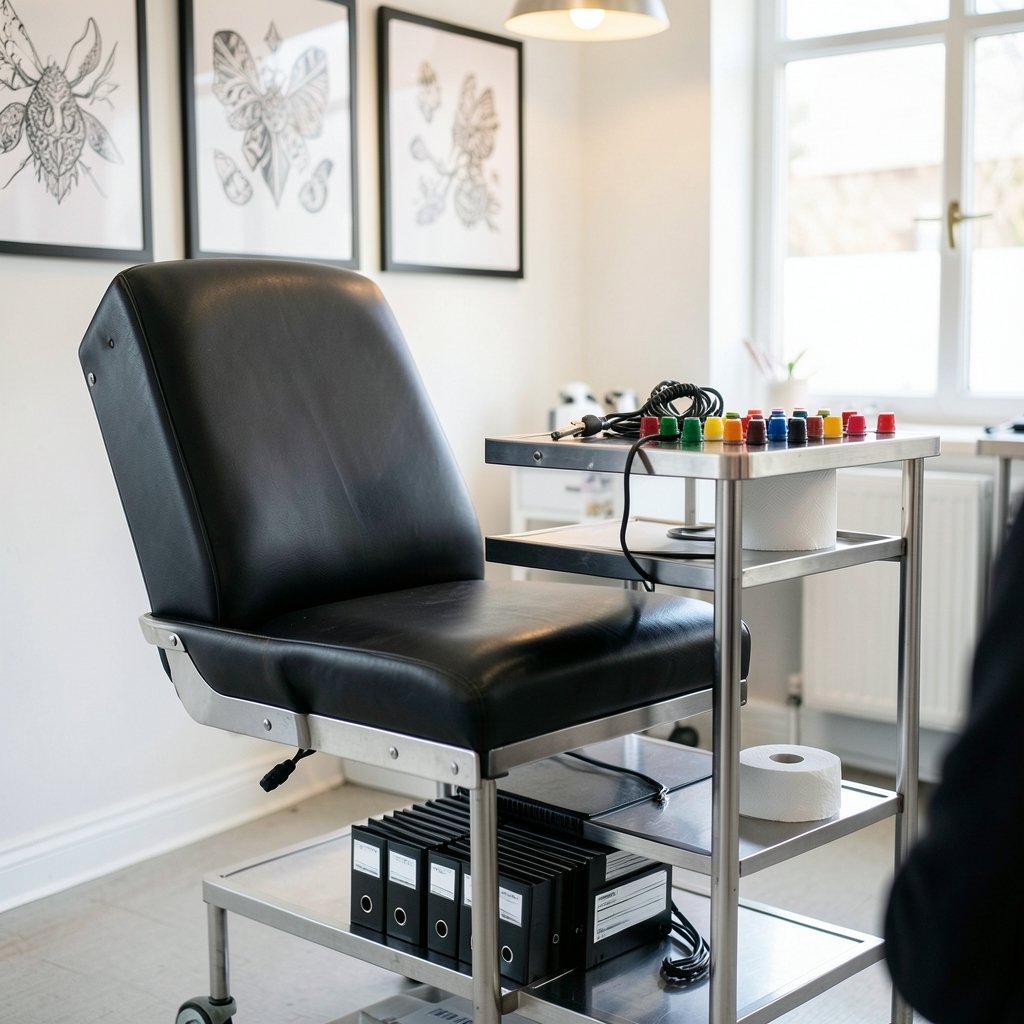
A single Instagram search for anime tattoos returns hundreds of thousands of posts, and walk into almost any tattoo studio in a major city and you will likely find at least one artist whose portfolio is heavy on manga panels, chibi characters, and bold kanji. Anime imagery has moved from the margins of fandom into mainstream body art, and it now sits alongside traditional, neo-traditional, and blackwork as a recognized style in its own right.
That popularity comes with real decisions attached. Which character, which scene, which artist, which placement? And, increasingly, which legal and cultural questions should you think about before the needle touches skin? This guide walks through the practical side of anime tattoos: the styles that hold up over time, the mistakes that lead to regret, the copyright gray zone, and how to brief an artist so you get something you will still love in ten years.
Why Anime Tattoos Became Mainstream
Anime and manga imagery has been used in tattoos since at least the 1990s and 2000s, tracking the international spread of anime fandom rather than any single defining moment. There is no reliable statistic pinning down when the first anime tattoo was inked, and claims about the size of the market are usually anecdotal. What is clear is the direction of travel: conventions, streaming platforms, and social media have pushed anime references into general pop culture, and tattoo collectors who grew up with these shows now want them on their skin.
The result is a style that spans a huge range. A minimalist line-art tattoo of a single symbol from a Studio Ghibli film and a full-sleeve Evangelion mecha piece have almost nothing in common technically, yet both get filed under the same label. That range is part of the appeal, and part of the problem: “anime tattoo” tells an artist very little about what you actually want.
The Main Styles, and How They Age
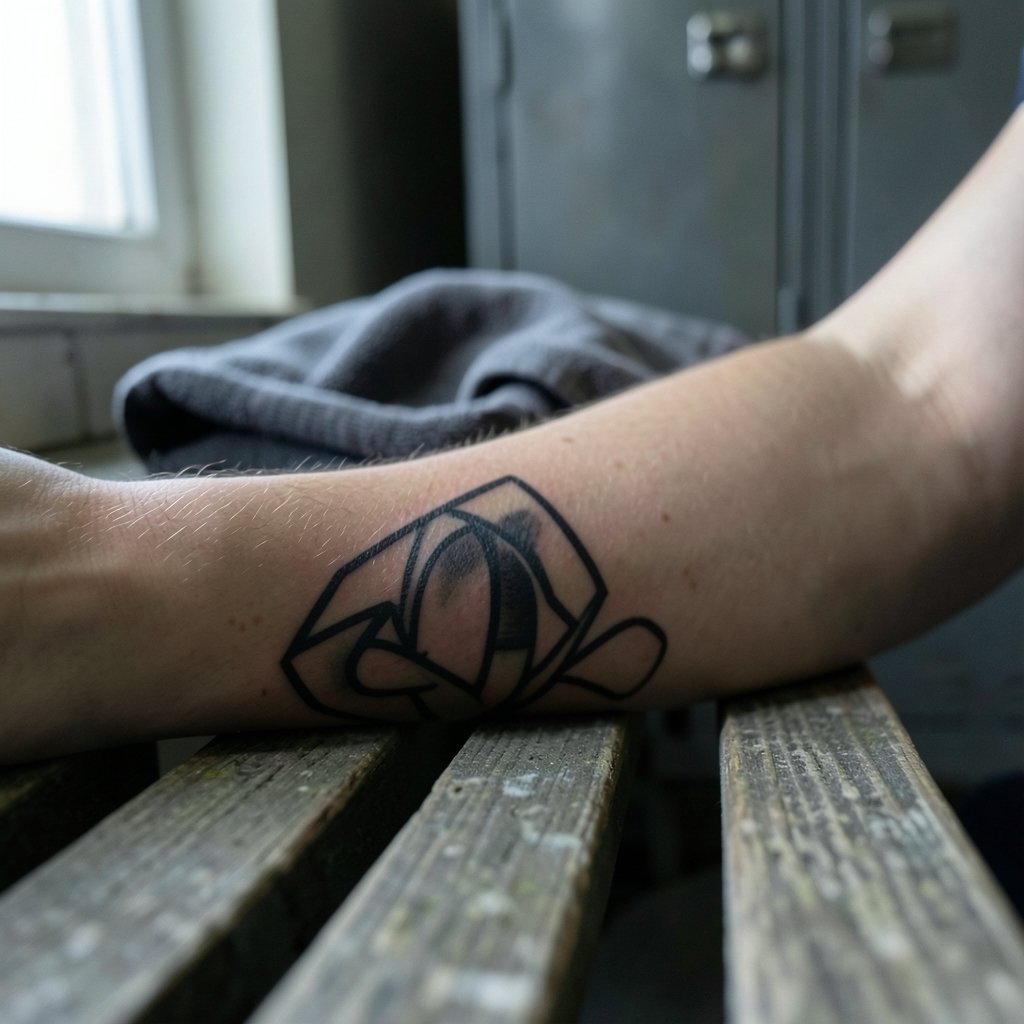
Choosing a style is the single biggest factor in whether an anime tattoo still looks sharp after a decade. Ink spreads slightly over time, and fine details blur. Here is how the common approaches compare.
| Style | Typical Look | Ages Well? | Best For |
|---|---|---|---|
| Fine line / minimalist | Thin outlines, little or no fill | Moderate; lines can soften | Small symbols, single characters, first tattoos |
| Blackwork | Solid black fills, high contrast | Very well | Silhouettes, dramatic panels, larger pieces |
| Neo-traditional | Bold outlines, saturated color, decorative framing | Very well | Character portraits with ornamental borders |
| Realism / color portrait | Soft shading, detailed faces | Needs skill and upkeep | Larger placements with room for detail |
| Manga panel reproduction | Black-and-white comic frame | Well if linework is clean | Forearms, calves, thighs |
The practical lesson: bold outlines and strong contrast survive time better than delicate shading. A tiny, highly detailed character face on a finger or inner wrist is one of the most common sources of tattoo regret, because there simply is not enough skin there to hold the detail.
Placement Matters More Than You Think
Placement drives both how a tattoo ages and how visible it is in professional settings. Forearms, calves, thighs, and upper backs hold detail well and can be covered when needed. Hands, fingers, necks, and faces age fastest and attract the most social friction. If you are new to tattoos, start somewhere with room to work and a decent chance of healing cleanly.
Copyright: The Question Most Fans Skip
Here is the uncomfortable part. Characters from Sailor Moon, Dragon Ball, Naruto, Pokémon, and Studio Ghibli films are copyrighted works. Reproducing them is not automatically legal just because it is a tattoo rather than a poster.
Copyright law in the United States does recognize that tattoos are creative works with their own protection, and courts have taken tattoo copyright seriously in disputes over reproduction. The best-known example is Solid Oak Sketches v. 2K Games, a 2020 case in the Southern District of New York concerning tattoos of NBA players reproduced in a video game. The case matters because it shows that tattoo designs can be legally protected assets as well as decoration.
In day-to-day practice, rights holders rarely pursue individual fans over personal tattoos. Enforcement tends to focus on commercial reproduction: merchandise, prints, games, and advertising. Still, the risk is not zero, and it grows if you plan to photograph and sell artwork featuring the tattoo, use it in branding, or run a business around it. Many artists will happily tattoo a beloved character for a private client and quietly decline to reproduce the design commercially. If you want to understand the underlying rules, the U.S. Copyright Office publishes plain-language material on what copyright covers and how fair use works.
A practical middle path many collectors choose is a fan-art reinterpretation: the character redrawn in the tattoo artist’s own style rather than traced from an official frame. It is not a legal shield, but it produces a more original tattoo and often a better one.
Cultural Context: Anime Tattoos in Japan vs. Abroad
Anime tattoos are far more common outside Japan than inside it, and the reasons are historical. Japanese tattoo tradition, irezumi, carries a long association with criminality that shaped public attitudes and, in some places, local regulation. The details vary by municipality and have changed over time, so anyone planning to visit Japan with visible tattoos should check current rules for baths, pools, and specific venues rather than relying on general claims.
The practical takeaway for collectors is simple: a full anime sleeve that reads as playful fandom in Berlin or São Paulo may read differently in a Japanese onsen. That is not a reason to avoid the style. It is a reason to be informed and to be respectful when you travel.
How to Brief an Artist So You Get What You Want
Most disappointing anime tattoos trace back to a vague brief. The client sends a screenshot and says “this, but cooler,” and the artist guesses. A better process looks like this.
- Collect references beyond the character. Save three to five tattoos in the style you like, plus the original source image. Note what you like about each: the line weight, the color palette, the composition.
- Decide what the tattoo is about. Is it the character, a specific scene, a symbol, or a mood? A single well-chosen symbol often reads better at small sizes than a full figure.
- Ask the artist to redraw, not trace. A redraw fits your body, flows with muscle and bone, and avoids copying a frame exactly.
- Agree on size before the session. Ask the artist to draw the design at the actual size on paper or a stencil and hold it against your skin. Details that look fine on a phone screen vanish at four inches.
- Talk about color fading. Reds and yellows fade faster than blacks and blues. If you want a color piece, ask how the artist plans to keep contrast as it ages.
- Confirm the deposit, rate, and healing plan in writing. Reputable artists do this as standard.
What Actually Works in Practice
Experienced collectors tend to converge on a few habits. They book artists who already tattoo in the style they want rather than asking a specialist to switch. They size up rather than down, because a slightly larger tattoo holds detail. They avoid inner-finger and hand placements for a first piece. And they accept that a good anime tattoo is a collaboration: the artist’s job is to make the design work on skin, and that sometimes means dropping a detail the client loves. (Tattoo)
The most common mistakes, in rough order of frequency:
- Choosing a design too small and too detailed for the placement
- Sending a screenshot with no style direction
- Skipping the stencil check and discovering a flipped or misplaced design later
- Under-budgeting, then rushing the healing process
- Picking an artist on price alone
Healing and Aftercare for Detailed Work
Anime tattoos often pack a lot of linework into a small area, which makes aftercare more important than usual. Follow your artist’s instructions first; they know their own work. In general, keep the tattoo clean, avoid soaking it in baths or pools during the first weeks, keep it out of direct sun, and resist scratching. Detailed linework can look slightly raised or patchy while it heals, and that is normal. If something looks infected, see a medical professional rather than asking the internet.
Long term, sunscreen is the single best investment in keeping any tattoo legible. UV exposure fades pigment and blurs contrast, and a bold anime piece with strong black areas will hold up far better than a pastel one if you protect it.
Cost, Time, and Realistic Expectations
Anime tattoos range from a small symbol finished in under an hour to a multi-session sleeve. Rather than quoting figures that vary wildly by city and artist reputation, the useful framing is this: price tracks time, and time tracks size and detail. Ask for an hourly or day rate and an estimate of sessions before you commit. A complex character portrait with color and background is a multi-session project, not a walk-in.
Also budget for a consultation. Many artists charge for design time or build it into the deposit. That is normal and protects both sides.
Conclusion
Anime tattoos work best when they are treated as a design problem rather than a screenshot transfer. Choose a style that survives aging, place it where the skin can hold detail, brief your artist with references and clear intent, and go in understanding that the characters you love are someone else’s copyrighted work. Get those pieces right and you end up with a tattoo that reads as a genuine piece of art, not a sticker. If you want more guidance on tattoo culture, design trends, and artist spotlights, browse the features at Voozon Media.
Frequently Asked Questions
Are anime tattoos a bad idea for a first tattoo?
Not at all, but placement matters. A first tattoo is better placed on a forearm, calf, or thigh where the skin holds detail and can be covered if needed. Small, highly detailed designs on fingers, hands, or the neck are the most common source of first-tattoo regret.
Is it legal to get a tattoo of an anime character?
For a personal tattoo, enforcement against individual fans is rare, and rights holders tend to focus on commercial reproduction. That said, the character is copyrighted, and the risk rises if you use the tattoo commercially. Many collectors ask their artist to redraw the character in an original style rather than copy an official frame.
How much do anime tattoos cost?
Cost tracks time, and time tracks size and detail. A small symbol may take under an hour; a detailed character portrait with color and background can run across multiple sessions. Ask your artist for an hourly or day rate and a session estimate during the consultation rather than relying on general figures.
Which anime tattoo styles age the best?
Bold outlines and strong contrast age best. Blackwork, neo-traditional, and clean manga-panel reproductions hold up well over years. Fine-line and highly detailed realism pieces can soften, especially in small placements or areas exposed to sun.
Do anime tattoos hurt more than other styles?
The style itself does not change the pain; placement does. Areas with thin skin over bone, such as ribs, ankles, and the sternum, hurt more than the outer forearm or thigh. Large color pieces also take longer, which means more cumulative discomfort.
How do I find an artist who specializes in anime tattoos?
Search studio portfolios and social media for artists whose existing work matches the style you want, then check whether they are comfortable with the specific character and composition. Book a consultation, ask to see the design at actual size before the session, and confirm rates and deposit terms in writing.