
Luxury Cruise Ship Guide: Size, Crew & Cost Explained
 Abdul WadoodLast updated
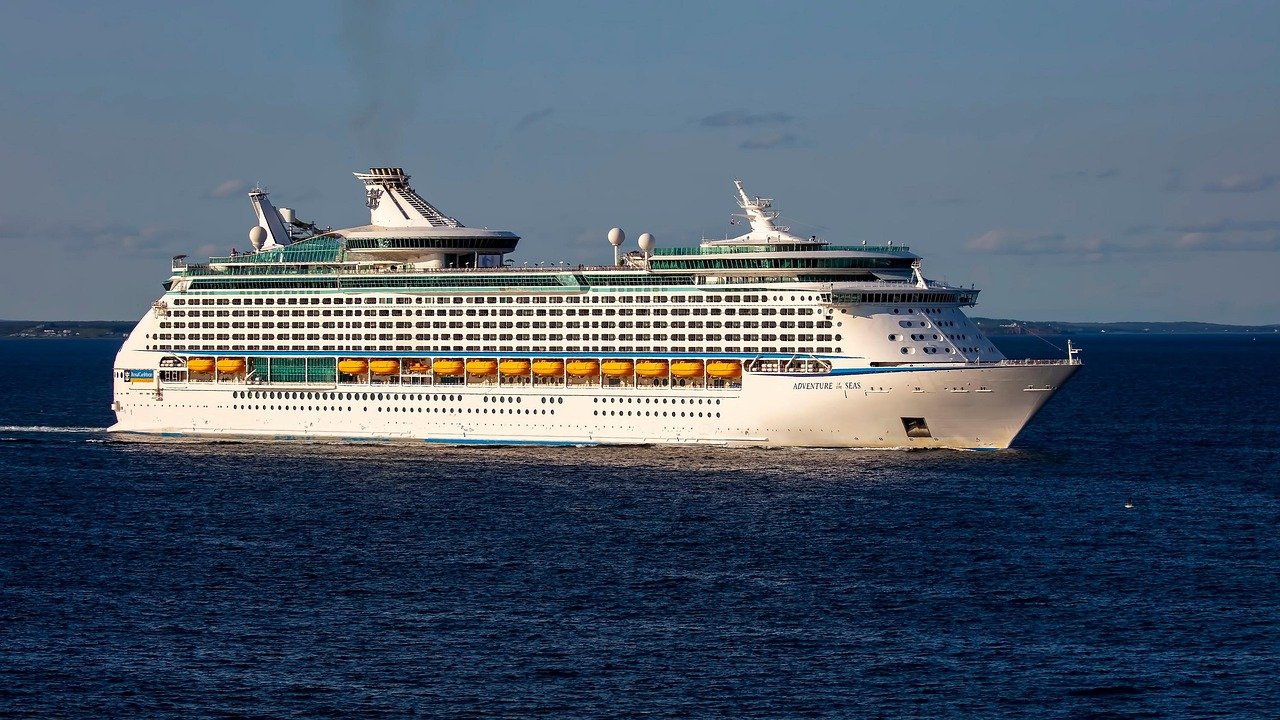
What if the best part of a cruise turned out to be the things that aren’t there? No line for the buffet. No fight for a sun lounger at 7 a.m. No announcement crackling over the loudspeaker about bingo. On a luxury cruise ship, the appeal is often subtraction: fewer guests, fewer queues, fewer extra charges. But “luxury” is one of the loosest words in travel, and the gap between a genuinely premium ship and a merely expensive one is wider than most brochures admit. Here’s how to tell them apart before you put down a deposit. (Best Cruise Ships 2026: How to Choose the Right Ship)
What “Luxury” Actually Means on a Cruise Ship
There is no legal or industry-wide definition of a luxury cruise ship. Unlike, say, a hotel star rating, “luxury” is a marketing tier, not a regulated class. That means any line can borrow the word, and some do.
In practice, the term usually points to a cluster of features that show up together:
- All-suite or suite-heavy cabins, often with butler service
- High crew-to-guest ratios, frequently advertised near 1:1
- Inclusive fares covering drinks, gratuities, specialty dining, and sometimes excursions and flights
- Smaller ships, which can dock in ports the big vessels skip
- Fewer guests, generally well under 1,000
The size point matters most. Mainstream mega-ships carry 3,000 to 6,000-plus passengers. Luxury vessels typically range from roughly 100 to 750 guests. Silversea’s Silver Nova (2023) holds about 728 guests, Regent’s Seven Seas Grandeur (2023) about 746, and Seabourn Encore (2016) around 600. Those are approximate figures worth checking against current line fact sheets, since refits change capacity.
The Real Differences: A Side-by-Side Look
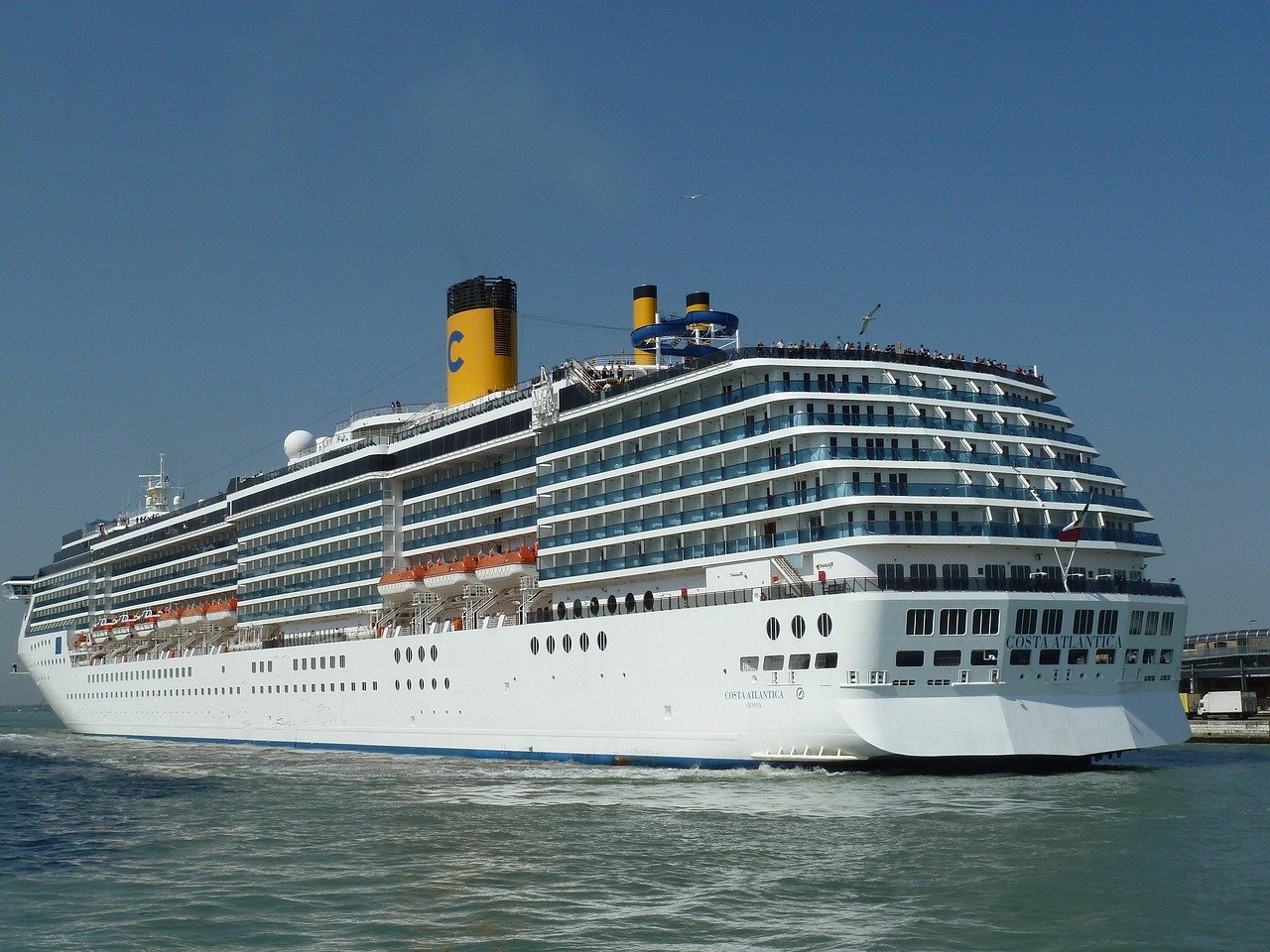
Marketing language blurs distinctions, so a comparison table cuts through it. The categories below describe typical patterns, not hard rules, since every line makes its own choices.
| Feature | Mainstream ship | Luxury cruise ship |
|---|---|---|
| Typical guest count | 3,000 to 6,000+ | 100 to 750 |
| Cabin types | Mix of interiors, balconies, suites | All-suite or suite-heavy |
| Fare structure | Base fare plus add-ons | Largely inclusive |
| Drinks and gratuities | Charged separately | Usually included |
| Specialty dining | Often an upcharge | Typically included |
| Crew-to-guest ratio | Around 1:3 or lower | Advertised near 1:1 or better |
| Entertainment | Big theaters, water parks, parades | Small venues, lectures, live music |
| Ports | Large harbors, private islands | Smaller and more unusual ports |
One honest caveat: crew ratios are marketing claims. They’re usually calculated at double occupancy and aren’t independently audited. A “1:1 ratio” is a reasonable signal of service intent, not a guarantee you’ll see a crew member every time you turn around.
Why Smaller Ships Change the Whole Trip
Ship size isn’t just a comfort metric. It quietly rewrites your itinerary. A vessel carrying 400 guests can slip into a tiny Adriatic harbor or a Greek island cove that a 5,000-passenger ship can’t approach. It can also dock closer to town, which cuts shuttle-bus time and gives you more hours ashore.
The trade-off is real, though. Small ships have fewer restaurants, smaller spas, and thinner entertainment. If your ideal evening involves a Broadway-style production and a casino the size of a tennis court, a 300-guest luxury vessel will feel quiet. That’s a feature for some travelers and a dealbreaker for others. Knowing which camp you’re in saves a lot of money and disappointment.
Itinerary design also varies enormously by region. A ship built for the Caribbean’s short hops is a poor fit for a week of glacier watching, and vice versa. Travelers comparing routes often find that the right ship for Alaska is a very different animal from the right ship for the Mediterranean, which is why it pays to study how the best Alaskan cruise line options differ by route and budget before choosing a vessel.
Where the Money Goes: Inclusive Fares Explained
The sticker price on a luxury cruise looks alarming next to a mainstream fare. Then you add up what’s already inside it.
On a typical luxury booking, the fare may cover:
- Alcohol and soft drinks, often across the whole ship
- Gratuities, which on mainstream lines can add hundreds per cabin
- Specialty restaurants, normally $30 to $80 per person per meal elsewhere
- Wi-Fi, increasingly standard on premium lines
- Shore excursions, on some lines and some fares
- Airfare or hotel nights, on select promotions
Do the math on a mainstream cruise and the gap narrows fast, sometimes to nothing. The catch is that you’re paying upfront for things you might not use. A non-drinker effectively subsidizes the open bar. A traveler who prefers independent sightseeing gets little value from bundled tours. Luxury fares reward people who use the inclusions heavily and penalize those who don’t.
The other hidden variable is cabin category. On many luxury ships, the entry-level suite is genuinely spacious, so there’s less pressure to upgrade. On mainstream ships, the cheapest cabin can feel like a closet with a porthole. Comparing like with like means comparing the cabin you’d actually book, not the lead-in price on the brochure.
Service, Space, and the Crew-to-Guest Ratio
Space per guest is the quiet luxury nobody advertises well. Divide a ship’s tonnage by its passenger count and you get a rough sense of how crowded it will feel. Luxury vessels generally score high, which translates into wider corridors, more pool deck per person, and a lounge seat that’s actually free at cocktail hour.
Service follows the same logic. With fewer guests per crew member, staff learn names, remember drink orders, and have time to fix problems before they become complaints. That personal attention is hard to fake and hard to quantify, which is why it rarely appears in a spec sheet.
Read reviews for mentions of crowding and service recovery as well as food and decor. How a line handles a missed port or a broken air-conditioning unit says more about its service culture than a glossy suite photo.
Safety, Health, and Environmental Rules That Apply to Every Ship
Luxury doesn’t exempt a vessel from regulation. Passenger ships are governed internationally by the International Maritime Organization, most notably through SOLAS, the convention on safety of life at sea,-1974.aspx), which covers everything from lifeboat capacity to fire protection.
Environmental rules have tightened sharply. Since 1 January 2020, a global cap has limited the sulphur content of marine fuel to 0.50%, down from 3.50%, and the Mediterranean Sea became a sulphur emission control area with a 0.10% limit from 1 May 2025. Ships in Arctic and Antarctic waters also fall under the Polar Code, in force since 1 January 2017, which sets construction and operational standards for those fragile regions. Expedition-luxury vessels sailing to Antarctica are built to it.
Public health is monitored too. Ships calling at US ports report gastrointestinal illness outbreaks, most often norovirus, and inspection results are published. Checking a ship’s recent inspection record before booking is a five-minute habit that tells you a lot about how the galley and housekeeping actually run.
Emissions remain contested ground. Advocacy groups have estimated that cruise ships emitted more sulphur oxides than all of Europe’s cars combined in some recent years, a figure the industry disputes. Treat such numbers as advocacy estimates rather than settled science, and look for lines investing in cleaner fuels and shore power. (Best River Cruises in Europe: Pick the Right Route)
Matching the Ship to the Traveler
The right luxury ship depends less on the brand than on the person boarding it. A few profiles help.
The port collector wants unusual destinations and doesn’t mind a quiet evening. Small expedition-style vessels win here, especially in polar or remote regions.
The comfort seeker wants a big suite, a calm pool deck, and dinner without a reservation scramble. Mid-size luxury ships with strong dining programs fit best.
The social traveler wants company, lectures, and a bar that buzzes before dinner. Ships with 500 to 750 guests tend to have more going on than 200-guest vessels.
The family group may find that “luxury” and “kid-friendly” pull in opposite directions. Many luxury lines are adults-focused, and some actively discourage young children. Families wanting space and service without a water park should look at premium-tier lines rather than ultra-luxury ones. Travelers set on a child-free atmosphere can compare notes on the best cruises for adults and how they choose ships without kids underfoot.
Cabin choice matters as much as the ship. A mid-category suite on a well-run luxury vessel usually beats the cheapest cabin on a flashier one, because the inclusions and service are the same fleet-wide.
Common Mistakes Buyers Make
A few traps catch even experienced cruisers.
- Comparing lead-in prices. Always compare the cabin you’d actually book, with inclusions counted.
- Assuming all-inclusive means everything. Spa treatments, premium wines, and some excursions often sit outside the fare.
- Ignoring the dress code. Some luxury lines still hold formal nights; others have gone resort-casual. Pack accordingly.
- Booking the biggest suite on a small ship. You’ll pay a premium for space you may barely use, since the public areas are the real draw.
- Skipping the deposit terms. Luxury cruises often carry steeper cancellation schedules than mainstream ones.
Conclusion
A luxury cruise ship isn’t defined by marble bathrooms or a famous chef’s name on the menu. It’s defined by proportion: fewer guests, more space, more crew per traveler, and a fare that folds most costs into one number. That model suits people who value calm, unusual ports, and service that anticipates rather than reacts. It suits them less if they crave big-ship energy or plan to spend most days ashore on their own dime.
The practical path is unglamorous. Pick the itinerary first, then the ship size that fits it, then the cabin category you’d genuinely enjoy. Compare total costs with inclusions counted, check inspection records, and read reviews for how the line behaves when things go wrong. Do that, and the word “luxury” stops being a brochure adjective and starts describing your actual trip.
Frequently Asked Questions
What defines a luxury cruise ship?
There’s no official definition, but the working one is a smaller vessel, usually carrying 100 to 750 guests, with all-suite or suite-heavy cabins, a high crew-to-guest ratio, and fares that bundle drinks, gratuities, and specialty dining. The word is a marketing tier rather than a regulated category, so verify specifics line by line.
How much more does a luxury cruise cost?
Sticker prices often run two to four times a mainstream fare, but the gap shrinks once you add drinks, gratuities, Wi-Fi, and specialty dining to a mainstream booking. For heavy users of those extras, the real difference can be modest. For light spenders, luxury usually costs more in total.
Are luxury cruises really all-inclusive?
Mostly, but not entirely. Core drinks, gratuities, and specialty restaurants are commonly included. Spa treatments, top-shelf spirits, some shore excursions, and retail purchases usually aren’t. Always read the fare inclusions for the specific sailing, since they vary by line and sometimes by promotion.
Is a luxury cruise ship good for families with children?
Often not. Many luxury lines cater to adults and some restrict or discourage young children. Families wanting space and good service without waterslides should look at premium-tier lines instead, which tend to offer family cabins and kids’ programs alongside upgraded dining.
Do luxury cruise ships feel boring?
They can feel quiet, which is different. Expect small music venues, lectures, and good restaurants rather than production shows and water parks. Travelers who need constant entertainment may find them understimulating; travelers who want calm evenings and early port days usually find them ideal.
How far in advance should I book a luxury cruise?
Suites on small ships sell out early, especially for popular regions and school-holiday dates. Booking nine to twelve months ahead is common for the best cabin choice, while last-minute bookings can offer savings but limited categories. Check deposit and cancellation terms carefully, since luxury schedules are often stricter.